
The Supreme Court Extraordinary Jurisdiction: What Types of Cases Does India’s Highest Court Handle?
⚖️ The Supreme Court is the highest judicial authority in India. It stands at the apex of the country’s legal system and acts as the final guardian of the Constitution. Every citizen, lawyer, and litigant should understand the role of the Supreme Court because its decisions affect the entire nation.
However, many people often ask a common question: What types of cases does the Supreme Court handle?
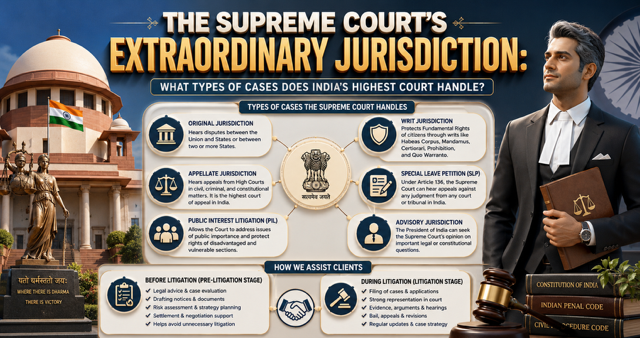
The answer lies in the unique and extraordinary powers granted to the Supreme Court under the Constitution of India. Unlike ordinary courts, the Supreme Court exercises several kinds of jurisdiction that allow it to hear constitutional disputes, appeals, public interest matters, and cases involving fundamental rights.
In this article, we explain the extraordinary jurisdiction of the Supreme Court, the categories of matters it hears, and how experienced advocates assist clients before and during litigation.
⚖️ Understanding the Supreme Court’s Extraordinary Jurisdiction
The Supreme Court derives its powers directly from the Constitution of India. Therefore, it performs functions that no other court can perform.
Moreover, the Supreme Court serves as the final interpreter of constitutional provisions. Whenever important legal questions arise, the Supreme Courtprovides authoritative answers that become binding on all courts across India.
As a result, the Supreme Court plays a vital role in maintaining justice, constitutional balance, and the rule of law.
Original Jurisdiction of the Supreme Court
One of the most significant powers of the Supreme Court is its Original Jurisdiction.
Under Article 131 of the Constitution, certain disputes can be filed directly before the Supreme Court without first approaching lower courts.
These disputes commonly include:
✅ Disputes between the Central Government and a State Government
✅ Disputes between two or more State Governments
✅ Constitutional conflicts involving governmental powers
Therefore, the Supreme Court acts as the primary forum for resolving important federal disputes.
Writ Jurisdiction for Protection of Fundamental Rights
The Supreme Court is widely known as the protector of fundamental rights.
Under Article 32, any citizen whose fundamental rights are violated can directly approach the Supreme Court.
The Court may issue:
✔ Habeas Corpus
✔ Mandamus
✔ Certiorari
✔ Prohibition
✔ Quo Warranto
Consequently, the Supreme Court becomes a powerful safeguard against unlawful actions by public authorities.
Appellate Jurisdiction of the Supreme Court
A large number of matters reach the Supreme Court through appeals.
The Supreme Court hears appeals arising from:
Civil Cases
Property disputes, contractual disputes, family settlements, inheritance matters, and other civil litigation.
Criminal Cases
Serious criminal convictions, acquittals, death sentence matters, and significant criminal law questions.
Constitutional Matters
Cases involving interpretation of constitutional provisions.
Accordingly, the Supreme Court serves as the final appellate court in India.
Special Leave Petition (SLP) Jurisdiction
Article 136 gives the Supreme Court a unique power known as the Special Leave Petition.
This extraordinary jurisdiction allows the Supreme Court to hear appeals against judgments from almost any court or tribunal in India.
Therefore, even when ordinary appeal remedies are unavailable, the Supreme Court may intervene to prevent injustice.
Many landmark judgments have originated from SLP proceedings before the Supreme Court.
Public Interest Litigation (PIL)
Public Interest Litigation has transformed access to justice.
Through PILs, the Supreme Court addresses issues affecting society at large.
Common PIL subjects include:
✅ Environmental protection
✅ Women’s rights
✅ Child welfare
✅ Prison reforms
✅ Human rights
✅ Public accountability
As a result, the Supreme Court has expanded access to justice for vulnerable communities.
Advisory Jurisdiction
Under Article 143, the President of India may seek the opinion of the Supreme Court on important legal or constitutional questions.
Although advisory opinions are not always binding, they carry immense persuasive value.
Therefore, the Supreme Court often assists in resolving complex constitutional concerns before they become disputes.
⚖️ Importance of Pre-Litigation Legal Assistance
Many legal disputes can be managed effectively before reaching the courtroom.
Therefore, professional legal guidance during the pre-litigation stage is extremely valuable.
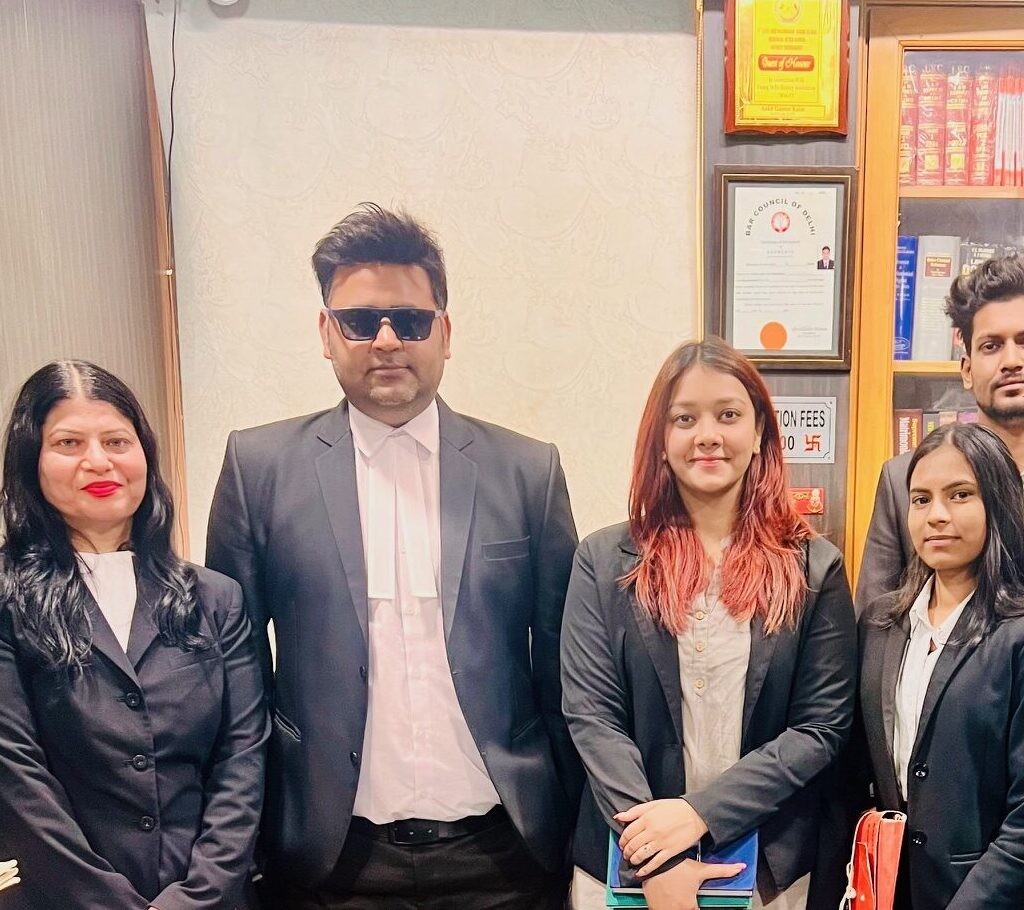
Our legal team assists clients with:
✅ Legal notices
✅ Contract review
✅ Settlement negotiations
✅ Due diligence
✅ Risk assessment
✅ Documentation support
Early legal intervention often reduces costs, saves time, and prevents unnecessary litigation.
⚖️ Assistance During Ongoing Litigation
Once litigation begins, strategic representation becomes essential.
We assist clients throughout every stage of court proceedings, including:
✔ Drafting pleadings
✔ Filing applications
✔ Evidence preparation
✔ Cross-examination strategy
✔ Bail matters
✔ Appeals and revisions
✔ Regular court appearances
Our objective is to ensure that clients receive effective legal representation while remaining fully informed about their cases.
Why Clients Prefer Local Advocates Near Dwarka Court
📍 Local knowledge often makes a significant difference in litigation.
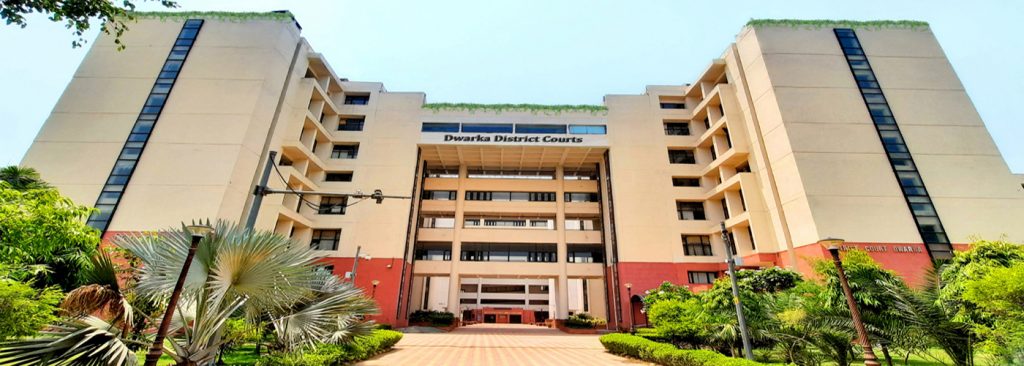
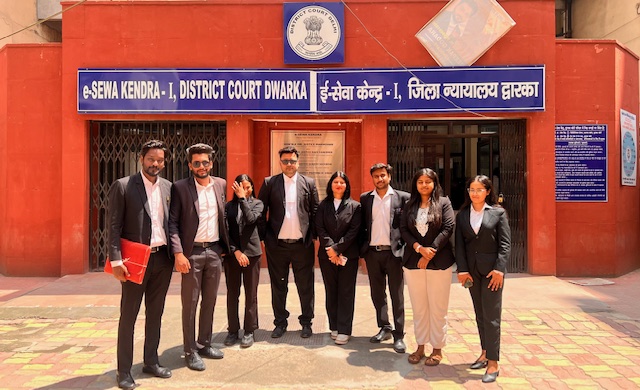
As advocates practicing near Dwarka Court for more than 18 years, we understand the court’s procedures, filing requirements, administrative processes, and day-to-day functioning.
This familiarity enables quicker filing, better coordination, and efficient case management.
We regularly assist clients from:
✅ Dwarka Sector 6
✅ Dwarka Sector 10
✅ Dwarka Sector 12
✅ Dwarka North
✅ Dwarka South
✅ Dwarka Sector-23
✅ Janakpuri
✅ Vikaspuri
✅ Uttam Nagar
✅ Najafgarh
✅ Mohan Garden
✅ Bindapur
✅ Palam Village
✅ Delhi Cantonment
✅ Chhawla
✅ Samalka
✅ Dabri
✅ Kapashera
✅ Baba Haridas Nagar
✅ Jaffarpur Kalan
and other nearby areas near Dwarka Court.
⚖️ Professional Standards That Build Client Trust
Trust remains the foundation of every lawyer-client relationship.
Accordingly, we maintain:
✅ High professional standards
✅ Quick responsiveness
✅ Dedicated WhatsApp support
✅ Availability on call
✅ Reasonable fee structure
✅ Transparent billing
✅ Proper Lawyer-Client Fee Agreements
✅ Fee receipts and acknowledgements
✅ Honest and fair legal advice
✅ Complete transparency in case handling
Our approach focuses on integrity, professionalism, and long-term client relationships.
Legal Services We Handle
Our practice includes:
⚖️ Criminal Litigation
⚖️ Civil Litigation
⚖️ Property Disputes
⚖️ Recovery Matters
⚖️ Family Law Cases
⚖️ Consumer Disputes
⚖️ Bail Applications
⚖️ Arbitration Matters
Clients frequently search for:
✔ Criminal Advocate Dwarka
✔ Best Civil Lawyer Dwarka
✔ Top Regular Bail & Anticipatory Bail Lawyer Dwarka
✔ Best Criminal Disputes Advocate Dwarka Court
✔ Top and Best Advocate in Dwarka Court
We strive to provide professional, ethical, and result-oriented legal representation in every matter.
Conclusion
The Supreme Court occupies a unique position within India’s judicial framework. Through its original, appellate, writ, advisory, and special leave jurisdictions, the Supreme Court ensures that constitutional principles remain protected and justice remains accessible.
Whether a matter involves constitutional interpretation, protection of fundamental rights, civil disputes, criminal appeals, or public interest issues, the Supreme Court serves as the ultimate guardian of justice.
At the same time, strong legal representation at the local level remains equally important. Proper legal advice during pre-litigation and litigation stages can significantly improve outcomes and help clients navigate the legal system efficiently.
Frequently Asked Questions (FAQs)
1. What is the main function of the Supreme Court?
The Supreme Court is India’s highest judicial authority and the final interpreter of the Constitution.
2. Can a person directly approach the Supreme Court?
Yes. A citizen may directly approach the Supreme Court for enforcement of fundamental rights under Article 32.
3. What is a Special Leave Petition?
An SLP allows the Supreme Court to hear appeals against judgments from courts and tribunals across India.
4. Does the Supreme Court hear criminal cases?
Yes. The Supreme Court hears criminal appeals, bail-related matters, and significant criminal law issues.
5. What types of constitutional matters reach the Supreme Court?
Cases involving interpretation of constitutional provisions, fundamental rights, and disputes between governments commonly reach the Supreme Court.
📞 Contact Experienced Advocates Near Dwarka Court
If you require professional legal assistance regarding civil disputes, criminal matters, bail applications, property litigation, recovery cases, or court representation, feel free to contact us.
📞 Mobile: 9899085554
📞 Mobile: 9811885554
⚖️ 18+ Years of Experience in Dwarka Court
📍 Chamber Practice Near Dwarka Court
✅ Transparent Fees
✅ Dedicated WhatsApp Support
✅ Professional Representation
Call today to discuss your legal concerns and receive reliable legal guidance.