Yes, you read it right—you can check the total number of cases presently filed by any Advocate in any District Court or dwarka court across India through the eCourts Services App. This simple check can give clients a major boost of confidence and helps them understand the actual practice profile of the lawyer they intend to engage.
Most clients feel confused while choosing the right advocate. Some rely on word of mouth, others rely on online profiles. But the most authentic data is available directly from the judicial system itself. The eCourts App allows you to see how many cases an Advocate has filed, in which courts they appear frequently, and how active their litigation practice really is.
⸻
How to Check an Advocate’s Case Data on eCourts Services App 🏛️📱 1. Download the “eCourts Services” App from Play Store or App Store. 2. Open the app and select ‘Search by Advocate Name’. 3. Choose the State and the District Court. 4. Enter the Advocate’s Name exactly as registered on court records. 5. Instantly, you’ll see the details of: • Pending cases • Disposed cases • Court number & case type • Year of filing
This tool reveals an Advocate’s primary practice area, the type of matters they handle, and the courts where they consistently appear.
⸻
Example: My Case Data from Dwarka District Court, New Delhi 🏛️📍
For illustration, here is my own active filing record as visible on eCourts: 1. Chief Metropolitan Magistrate (South-West) DWK – 16 Cases 2. Senior Civil Judge-cum-RC (South-West) DWK – 14 Cases 3. Principal Judge Family Court (South-West) DWK – 22 Cases 4. District & Sessions Judge (South-West) DWK – 22 Cases
Total: 16 + 14 + 22 + 22 = 74 cases This reflects only my filed matters in Dwarka Courts. In addition, I regularly appear in: ✔ All Six Delhi District Courts ✔ Delhi High Court ✔ All Haryana District Courts ✔ Chandigarh High Court ✔ Nainital High Court ✔ Jaipur High Court
Do note: The app shows only cases filed by the lawyer, not the matters where the lawyer appears as counsel for defendants or accused.
⸻ Why This Data Matters for Clients & Advocates 🔍💡 • Authenticity: You get court-verified information—not marketing claims. • Transparency: Clients can see where the advocate genuinely practices. • Specialization Insight: More filings in a particular court show a strong command in that jurisdiction. • Referral Decisions: Even advocates can verify the presence and experience of fellow lawyers before referring matters. • Confidence Building: When clients see real data, decision-making becomes easier, faster, and more trust-based.
⸻
In today’s digital era, knowledge empowers clients. The eCourts App is a simple yet powerful tool that helps you understand an advocate’s real-world litigation footprint and ensures you engage someone truly active and experienced in the relevant court.
A Non-Bailable Warrant (NBW) is one of the strictest orders a court can issue. It authorizes the police to arrest the accused and produce them before the court. Unlike regular warrants, an NBW is not automatically cancelled on appearance—you need proper legal steps. Understanding NBWs is extremely important for clients, advocates, and anyone facing criminal proceedings.
A Non-Bailable Warrant is a court order directing police to arrest a person who has repeatedly avoided court proceedings. It is mostly issued in criminal matters when: • The accused does not appear despite summons or bailable warrants. • The court believes the accused is deliberately avoiding the trial. • Presence of the accused is essential for further proceedings.
Why Do Courts Issue NBWs?
Courts issue NBWs to ensure: • Attendance of the accused • Smooth progress of the trial • Prevention of delay and misuse of legal process
In short, NBWs are issued when the court loses trust that the accused will appear voluntarily.
How Can an NBW Be Cancelled?
Cancelling an NBW requires immediate and strategic action, usually through an advocate. The steps include: 1. Drafting a Cancellation Application before the same court that issued the NBW. 2. Explaining the reason for absence, such as medical emergency, genuine mistake, travel issues, or lack of knowledge of the date. 3. Producing supporting documents, if any. 4. Ensuring the accused is present in court, unless the court permits exemption. 5. Requesting the court to restore the trust by imposing a fine or taking a fresh bond.
If the court is satisfied with the explanation, it cancels the NBW on the same day.
What Happens if You Ignore an NBW?
Ignoring an NBW can lead to: • Immediate arrest at home or workplace • Cancellation of bail • Issuance of proclamation under Section 82 CrPC (declaring you absconding) • Attachment of property under Section 83 CrPC • Serious damage to your credibility in the case
An NBW never disappears on its own—it only gets worse if ignored.
How an Advocate Helps You (Yes, with a small fee 😉)
An experienced criminal advocate can: • Draft a strong NBW cancellation application • Present proper legal grounds before the judge • Protect you from arrest during the hearing • Ensure smooth compliance and avoid future NBWs • Guide you on court etiquette and preventive measures
A skilled advocate not only cancels the NBW but also protects your record and reputation.
⸻
If you or someone you know has an NBW issued, act fast. Timely legal help can turn a stressful situation into a manageable one—sometimes within a single hearing.
Blog by a Cheque Case Expert | Practical Guide for Litigants in Dwarka Court
A cheque is not just a piece of paper. In Court, it is powerful evidence. One small mistake in reading a cheque can decide the fate of a case under Section 138 of the Negotiable Instruments Act. Therefore, whether you are a complainant or an accused, you must learn how to read a cheque like a seasoned advocate appearing daily before Dwarka Court.
With 18+ years of hands-on experience handling cheque bounce litigation in Court, I have seen cases won and lost purely on technical interpretation. This guide will help you understand what courts really look at.
📌 Why Reading a Cheque Properly Matters in Dwarka Court
Cheque bounce cases form a significant portion of criminal dockets in Dwarka Court. However, many litigants focus only on the amount. That is a mistake. Judges in Dwarka Court carefully analyse:
Date of cheque
Signature authenticity
Amount in words and figures
Bank branch details
Alterations or overwriting
Account status at presentation
Therefore, professional reading of a cheque strengthens your case before Court.
🏦 1️⃣ Date – The Starting Point of Limitation
First, check the date. In cheque litigation before Court, limitation is everything.
A cheque is valid for three months. If presented late, your complaint may fail in Court. Additionally, the legal notice must be sent within 30 days of dishonour. Thus, reading the date accurately protects your limitation rights.
✍️ 2️⃣ Signature – The Heart of Defence
Next, verify the drawer’s signature. In many matters before Court, accused persons admit the signature but dispute liability.
If the signature matches, a legal presumption arises under law. However, if it is disputed, handwriting examination may become necessary in Court proceedings.
This is where an experienced Criminal Lawyer Dwarka plays a crucial role.
💰 3️⃣ Amount in Words vs Figures
Always compare both carefully.
If there is a mismatch, banks generally honour the amount written in words. Yet, defence counsel in Court often challenge inconsistencies to create doubt.
Small technical discrepancies can influence the outcome in Court.
🖊️ 4️⃣ Overwriting & Alterations
Look for cutting, correction fluid, or different ink.
Judges in Dwarka Court examine whether alterations were authenticated by signature. If not, the cheque may be considered materially altered.
Therefore, before filing a case in Court, inspect the instrument professionally.
🏛️ 5️⃣ Reason for Dishonour
The bank return memo is equally important. Common reasons include:
Insufficient funds
Account closed
Payment stopped
Signature differs
Each reason carries different legal implications in Court. For example, “account closed” strengthens the complainant’s case in Court.
📜 6️⃣ Legally Enforceable Debt – The Core Issue
Even if the cheque is valid, the complainant must prove legally enforceable debt.
In Dwarka Court, courts evaluate:
Loan agreements
Property transactions
Friendly loans
Business invoices
Here, a Property Lawyer Dwarka may assist where cheques arise from real estate transactions. Similarly, matrimonial settlements may require guidance from a Divorce Lawyer Dwarka.
🚨 7️⃣ Defence Strategies in Dwarka Court
As someone practicing for 18+ years in Dwarka Court, I advise clients:
Preserve WhatsApp and email conversations
Maintain account statements
Avoid blank cheque misuse
Respond to legal notices properly
Strong documentation improves your standing before Court.
🎯 Common Mistakes Litigants Make
Filing complaint beyond limitation
Ignoring statutory notice defects
Failing to prove financial capacity
Not appearing regularly in Dwarka Court
Underestimating cross-examination
Because cheque cases are criminal in nature, non-appearance can even lead to coercive steps. In some situations, Bail Matters Court may arise if warrants are issued.
🌍 Jurisdictional Advantage
Clients from Janakpuri, Vikaspuri, Dwarka North, Dwarka South, Najafgarh, Uttam Nagar, Bindapur and surrounding areas approach Dwarka Court for cheque litigation. Territorial jurisdiction depends on bank presentation and notice compliance.
Regular practice in Dwarka Court ensures:
Proper drafting of complaints
Quick listing
Effective evidence strategy
Confident cross-examination
🏆 Why Experience Matters
If you are searching for the Top and Best Advocate in Dwarka Court for cheque cases, choose someone who:
Understands criminal procedure
Has trial experience in Dwarka Court
Handles both prosecution and defence
Advises strategically, not emotionally
With 18+ years of courtroom presence in Dwarka Court, I have successfully handled hundreds of cheque bounce cases, ensuring compliance with every procedural detail.
❓ FAQ – Cheque Cases in Dwarka Court
1️⃣ Is cheque bounce a criminal offence?
Yes. It is tried as a criminal complaint before Court.
2️⃣ Can I settle the case?
Yes. Settlement is possible at any stage in Dwarka Court.
3️⃣ What if cheque was given as security?
Security cheque defence can be taken, but evidence must support it before Dwarka Court.
4️⃣ Can arrest happen in cheque cases?
Normally summons are issued first. However, non-appearance may lead to warrants, requiring attention in Bail Matters Dwarka Court.
5️⃣ How long does a case take?
Timelines vary, but regular follow-up in Court ensures faster disposal.
🏛️ Final Words
A cheque speaks volumes. However, only a trained legal eye can read it like a pro advocate appearing daily in Dwarka Court.
If you want strategic advice from a cheque case expert with 18+ years of experience in Court, consult before taking any step. Early legal intervention often decides success.
📞 Call to Action
Facing cheque bounce litigation? Need expert guidance in Court?
Book a confidential consultation today. Protect your rights with experienced representation in Dwarka Court. ⚖️
Contact me for Consultation :- 9899085554, 9811885554
When clients look for a new advocate, the first confusion is often: Should I hire a young, dynamic fresher or go with a seasoned, experienced lawyer? The truth is, both bring unique strengths to the table, and the right choice depends on the nature of your case, your budget, and your expectations.
A dynamic fresher enters the profession with energy, passion, and a hunger to prove themselves. They are often quick thinkers, tech-savvy, and ready to spend more time researching, drafting, and preparing your matter. Freshers can also be more approachable and flexible, making clients feel heard and involved. However, their limitation is obvious — they may not have handled a large variety of cases and might take a little longer to strategize or predict courtroom behaviour. They usually shine in matters that require hard work, detailed documentation, or innovative legal approaches.
An experienced advocate, on the other hand, carries the weight of years in courtrooms. They understand the psychology of judges, the rhythm of procedures, and the practical shortcuts that come only from exposure. Their confidence and clarity often save clients time, and their advice usually comes shaped by countless past outcomes. The downside? Experienced lawyers may charge higher fees and sometimes have limited time due to heavy workloads. In rare cases, they may also rely on routine methods instead of fresh perspectives.
So what should clients choose? If your case is procedurally simple, documentation-heavy, or demands close attention, a fresher can be a great fit. If your matter is high-stakes, complex, or requires courtroom strategy, experience can make a real difference.
Ultimately, the best advocate is the one who understands your issue, communicates clearly, and earns your confidence — whether fresher or veteran.
Family disputes around property are some of the most emotionally draining battles one can face. Yet, Indian law is clear: a grown-up child or any other relative living in the parents’ house is only a licensee, not an owner, unless there is a legal transfer of ownership. This means parents have every right to revoke that license if the situation becomes unbearable.
But how do you legally ask your own family member to leave the house?
Here’s a clear, structured, and practical guide.
⸻
1. Understanding What a “Licensee” Means
When parents allow a child, sibling, or relative to live in their home out of love, affection, or convenience, it does not create ownership rights. It is merely permission—a license.
Once that permission ends, the relative has no legal right to continue occupying the property.
⸻
2. Why a Legal Notice Is Important
Before initiating any police complaint or civil action, the law expects a formal revocation of permission.
A legal notice by an advocate serves as: • A professional, documented communication • A clear revocation of the license • A warning of legal consequences • A step that courts often examine before granting relief
⸻
3. What the Legal Notice Contains
Your advocate will draft a detailed notice including: 1. Ownership proof of the parents 2. Statement that the relative is a licensee without any legal rights 3. Revocation of permission to stay in the property 4. A specific time period (commonly 15 or 30 days) to vacate the premises 5. Warning of legal action under: • Senior Citizens Act (if parents are 60+) • Civil suit for eviction • Police complaint for harassment
⸻
4. What Happens After the Notice Period
If the relative does not vacate: • Parents may file a petition before the Maintenance Tribunal (fast-track remedy for senior citizens) • Or a civil suit for mandatory injunction • Or lodge a police complaint if the occupant becomes abusive or threatening
Courts strongly protect parents’ rights to peaceful living and full control over their property.
⸻
5. Why Professional Legal Help Matters
Family disputes are sensitive. A properly worded notice avoids escalations and prevents the opposite party from twisting facts. An advocate: • Drafts the notice strategically • Sends it via valid modes (registered post/email) • Guides parents through next steps
⸻
Conclusion
Evicting a family member isn’t easy emotionally—but legally, it is absolutely possible. Parents have the right to reclaim their peace, dignity, and property. A well-crafted legal notice is the first, most powerful step toward restoring harmony and asserting lawful ownership.
In matrimonial litigation, discussions often focus on the rights of wives. However, husbands also have strong legal protections under Indian law, especially when cases are filed in Dwarka Court. With 18+ years of active practice before Dwarka Court, I have represented numerous husbands facing false allegations, exaggerated maintenance claims, property disputes, and criminal complaints.
In matrimonial disputes before Dwarka Court, husbands commonly face:
False complaints under Section 498A IPC
Domestic Violence cases
Maintenance claims under Section 125 CrPC
Property and residence disputes
Child custody battles
However, the law is balanced. Dwarka Court ensures that misuse of law does not go unchecked. Therefore, husbands have procedural and substantive rights.
🛡️ 1. Right to Defend False Criminal Allegations
When a false FIR is lodged, a husband can:
Seek anticipatory bail
File for quashing before the High Court
Challenge exaggerated allegations through evidence
A seasoned Criminal Lawyer Dwarka can strategically handle Bail Matters Dwarka Court and protect reputation and liberty. Over the years in Dwarka Court, I have secured bail relief and protected clients from unnecessary arrest.
💰 2. Right to Contest Maintenance Claims
Maintenance is not automatic. In Dwarka Court, the husband can:
Prove wife’s independent income
Show desertion without cause
Demonstrate suppression of facts
Seek modification of excessive interim maintenance
The court examines income affidavits carefully. Thus, financial transparency is critical in Dwarka Court proceedings.
🏠 3. Property & Residence Rights
Contrary to common belief, a wife does not automatically get ownership in husband’s self-acquired property.
Before Dwarka Court, a Property Lawyer Dwarka can help:
Defend self-acquired property rights
Contest false shared household claims
Protect ancestral assets
In multiple matters at Dwarka Court, I have successfully defended husbands from illegal property occupation claims.
👶 4. Child Custody & Visitation Rights
Under guardianship laws, fathers have equal parental rights. In Dwarka Court, custody decisions are based on:
Welfare of the child
Financial stability
Emotional bonding
Educational continuity
Even if custody is granted to the mother, fathers can secure structured visitation orders from Dwarka Court.
📑 5. Right to Seek Divorce on Legal Grounds
A husband can file for divorce in Dwarka Court on grounds such as:
Cruelty (mental or physical)
Desertion
Adultery
False criminal complaints
A professional Divorce Lawyer Dwarka ensures documentation, evidence preservation, and strategic pleadings before Dwarka Court.
🚨 6. Protection Against Misuse of Domestic Violence Act
The Protection of Women from Domestic Violence Act is meant for genuine cases. However, if misused, the husband can:
Challenge interim residence orders
Contest inflated monetary relief
Seek dismissal for lack of evidence
Dwarka Court carefully evaluates affidavits and cross-examination.
🎯 Strategic Approach in Dwarka Court
From my 18+ years of litigation in Dwarka Court, I have learned:
Early legal advice prevents escalation
Documentation is your strongest defense
Calm strategy works better than emotional reactions
Proper drafting influences judicial perception
Clients from Janakpuri, Vikaspuri, Dwarka North, Dwarka South, Najafgarh, Uttam Nagar, Bindapur and surrounding jurisdictions frequently approach Dwarka Court for relief. Each locality falls within the territorial jurisdiction of Dwarka Court, making it one of the busiest courts in Delhi.
📊 Why Choosing the Right Advocate Matters
If you are searching for the Top and Best Advocate in Dwarka Court, focus on:
Experience in matrimonial + criminal litigation
Proven record in Bail Matters Court
Knowledge of property disputes
Transparent strategy
As a practicing advocate with 18+ years exclusively appearing before Court, I bring courtroom insight, procedural command, and tactical negotiation skills.
📍 Jurisdictional Advantage
Litigation strategy changes depending on courtroom practice. Regular practice in Dwarka Court gives:
Familiarity with procedural nuances
Speed in listing and relief
Practical knowledge of filing defects
Efficient coordination with registry
This practical exposure makes a significant difference.
❓ Frequently Asked Questions (FAQ)
1️⃣ Can a husband get anticipatory bail in 498A cases?
Yes. Court regularly grants anticipatory bail depending on facts and cooperation.
2️⃣ Is maintenance mandatory?
No. In Dwarka Court, maintenance depends on wife’s income, conduct, and circumstances.
3️⃣ Can a husband evict his wife from self-acquired property?
Ownership rights remain protected. However, residence rights are assessed by Court based on facts.
4️⃣ Can false cases be dismissed?
Yes. With strong evidence and proper representation before Court, false cases can be challenged.
5️⃣ Does father get child custody?
Yes. Court prioritizes welfare of the child, not gender.
🏛️ Final Thoughts
The legal system is not one-sided. Upholds fairness, evidence, and justice. Husbands facing litigation should act wisely, not emotionally. Early intervention by a skilled Divorce Lawyer Dwarka, Criminal Lawyer Dwarka, or Property Lawyer Dwarka can completely change the outcome.
With 18+ years of hands-on experience, I have defended countless clients across Janakpuri, Vikaspuri, Dwarka North, Dwarka South, Najafgarh, Uttam Nagar, Bindapur and nearby areas.
📞 Call to Action
If you are facing matrimonial, criminal, property, or Bail Matters, consult an experienced professional immediately.
Book a confidential consultation today and protect your rights before Court. ⚖️
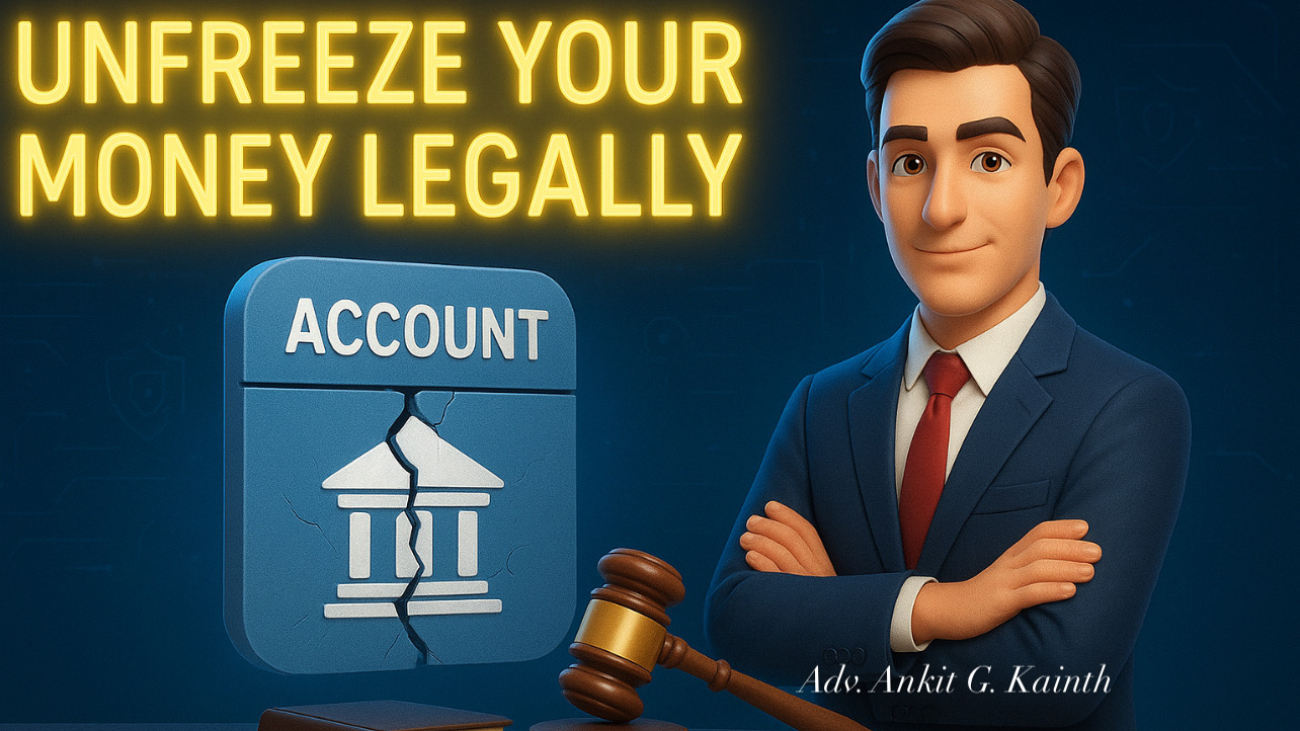
If yes, don’t panic. In most cases, the amount can be legally released through proper proceedings before Dwarka Court. With the right legal strategy, timely filing, and proper documentation, relief is absolutely possible.
As an advocate practicing for 18+ years in Dwarka Court, I have successfully handled multiple cyber freeze matters, cheque bounce disputes, property litigation, divorce cases, and bail matters. This guide explains the step-by-step process to unfreeze your bank account through Dwarka Court in 2026.
Why Does Cyber Police Freeze Bank Accounts?
Usually, Cyber Police freeze accounts under suspicion of:
Online fraud or phishing complaints
Suspicious UPI or wallet transactions
Alleged involvement in money laundering
Transfer of disputed funds
Often, innocent account holders suffer because someone else transferred disputed funds into their account. In such cases, immediate legal action in Dwarka Court becomes essential.
Legal Provision to Release Frozen Amount in Dwarka Court ⚖️
The remedy generally lies under:
Section 102 CrPC (Police power to seize property)
Application for release before the concerned Magistrate
You must file an Application for De-freezing/Release of Bank Account before the concerned Metropolitan Magistrate in Dwarka Court.
Step-by-Step Process to Unfreeze Account in Dwarka Court
1️⃣ Obtain Freeze Intimation
First, collect:
Bank freeze email/letter
Transaction statement
FIR copy (if registered)
Without documents, Dwarka Court will not grant relief.
2️⃣ Draft Proper Application
Your advocate files an application before Dwarka Court stating:
You are a bona fide account holder
No involvement in alleged fraud
Funds are legitimate earnings
Financial hardship due to freeze
This stage is crucial. A well-drafted petition increases success chances in Dwarka Court.
3️⃣ Attach Supporting Documents 📑
ITR / Salary slips
Business invoices
GST returns
Bank statements
Affidavit of innocence
Strong documentation helps convince Dwarka Court that the freeze is unjustified.
4️⃣ Notice to IO & Cyber Cell
The Magistrate in Dwarka Court issues notice to:
Investigating Officer
Cyber Police Station
The IO may file a reply supporting or opposing release.
5️⃣ Arguments Before Dwarka Court
After hearing both sides, Dwarka Court may:
✔ Release entire amount
✔ Release partial amount
✔ Allow operation with restrictions
✔ Direct furnishing of surety/bond
Every case depends on facts. However, experienced representation in Dwarka Court makes a major difference.
Important Practical Tips 💡
Do not ignore freeze notices
Avoid direct confrontation with police
Never admit liability without legal advice
File application promptly in Dwarka Court
Keep transaction records ready
Delay reduces chances of quick relief from Dwarka Court.
Time Frame to Get Relief from Dwarka Court
Normally:
Filing to first hearing: 3–7 days
Final order: 2–4 weeks (depending on complexity)
Urgent matters can be mentioned before Dwarka Court for faster listing.
Why Experience Matters in Dwarka Court
Cyber cases require:
Knowledge of criminal procedure
Drafting precision
Strategic arguments
Understanding of digital evidence
With 18+ years of courtroom experience in Dwarka Court, I have handled:
Being regularly present in Dwarka Court helps in faster coordination with court staff, prosecution, and registry.
Common Mistakes People Make ❌
Waiting for police to “automatically” unfreeze
Submitting incomplete documents
Filing wrong type of application
Hiring inexperienced counsel
Remember, proper legal filing before Dwarka Court is the only reliable solution.
Areas We Serve
If your account is frozen and you reside in:
Janakpuri
Vikaspuri
Dwarka North
Dwarka South
Najafgarh
Uttam Nagar
Bindapur
You can seek remedy before Dwarka Court depending on jurisdiction.
FAQs – Release of Frozen Amount in Dwarka Court
Q1. Can Cyber Police freeze account without notice?
Yes, under Section 102 CrPC. However, you can challenge it before Dwarka Court.
Q2. How long does Dwarka Court take to unfreeze account?
Usually 2–4 weeks, depending on complexity.
Q3. Can partial amount be released?
Yes. Dwarka Court may allow partial withdrawal subject to conditions.
Q4. Is personal appearance mandatory?
In most cases, advocate appearance before Dwarka Court is sufficient.
Q5. What if FIR is false?
You can seek remedy before Dwarka Court and also pursue quashing or discharge separately.
Why Choose a Top Advocate in Dwarka Court?
✔ 18+ years experience in Dwarka Court
✔ Regular practice in criminal & cyber matters
✔ Transparent strategy
✔ Strong courtroom presence
✔ Quick drafting & urgent listing
If you are searching for the Top and Best Advocate in Janakpuri, Vikaspuri, Dwarka North, Dwarka South, Najafgarh, Uttam Nagar or Bindapur practicing in Dwarka Court, professional guidance can protect both your money and reputation.
📞 Call to Action
Your hard-earned money should not remain frozen due to procedural delay.
If Cyber Police has frozen your bank account, take immediate legal action in Dwarka Court.
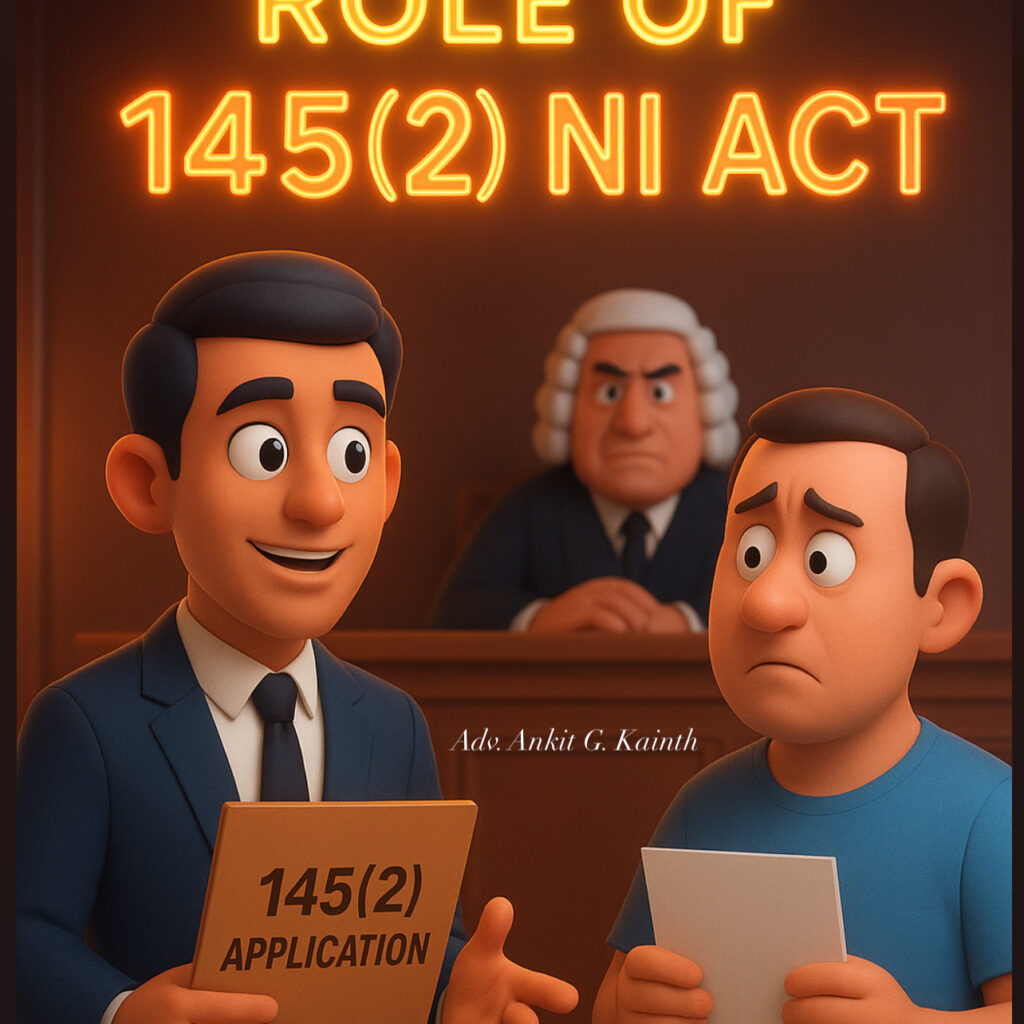
In cheque bounce cases under the Negotiable Instruments Act, one small application often decides the entire direction of the trial — the Application U/s 145(2). Many treat it casually, and surprisingly, some courts even allow the accused to proceed without filing it. But if you appear for the complainant, this practice can seriously weaken your case.
So the real question is — Is Section 145(2) important?
👉 Absolutely. Extremely. Unavoidably. Important.
⸻
⚖️ What is Section 145(2)?
Section 145(1) NI Act permits evidence-by-affidavit of the complainant.
But Section 145(2) empowers the accused to seek permission to cross-examine the complainant/witnesses.
In simple terms:
📝 No 145(2) = No Cross-Examination.
⸻
🎯 Why Filing 145(2) is Mandatory (in complainant’s interest)
🛡️ 1. Accused Must Disclose Defence
A 145(2) application is not a formality — it forces the accused to reveal:
• What is his defence?
• Which parts of the complainant’s affidavit he disputes?
• On which points he wants to cross-examine?
This removes surprise elements and prevents ambush strategies.
⸻
🎯 2. Cross-Examination Cannot Go Beyond What’s Mentioned
This is the most powerful reason for complainants.
If the accused does not mention specific points in the 145(2) application:
❌ He cannot cross-examine on those points later.
❌ He cannot introduce new defences halfway.
❌ He cannot go on “fishing inquiries”.
This gives the complainant a strong procedural shield.
⸻
⚠️ 3. Silent or Vague Application = No Right to Ask Questions
If the application is vague like:
“I want to cross-examine”
…without explaining why and on what issues, then:
👉 The accused loses the right to question on undisclosed points.
This helps advocates maintain a disciplined and focused trial.
⸻
📚 4. Helps Court Understand the Scope of Trial
Judges can clearly see:
• What is admitted
• What is disputed
• What requires adjudication
It narrows down the controversy and speeds up the trial.
⸻
🔍 Then Why Are Some Courts Allowing Cross-Examination Without It?
Because many courts prioritize speed over procedure.
But speed cannot override statutory safeguards.
If a court allows cross-examination without a 145(2) application, the complainant should object — politely but firmly.
⸻
💡 Final Thoughts
For a complainant’s advocate, never waive the requirement of a properly drafted 145(2) application.
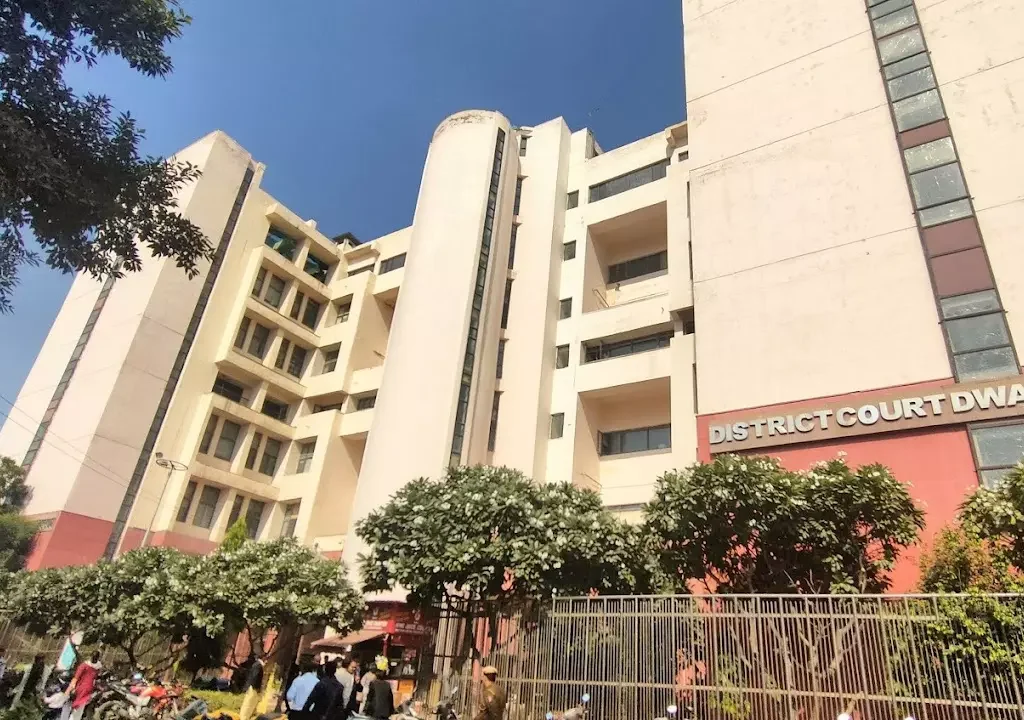
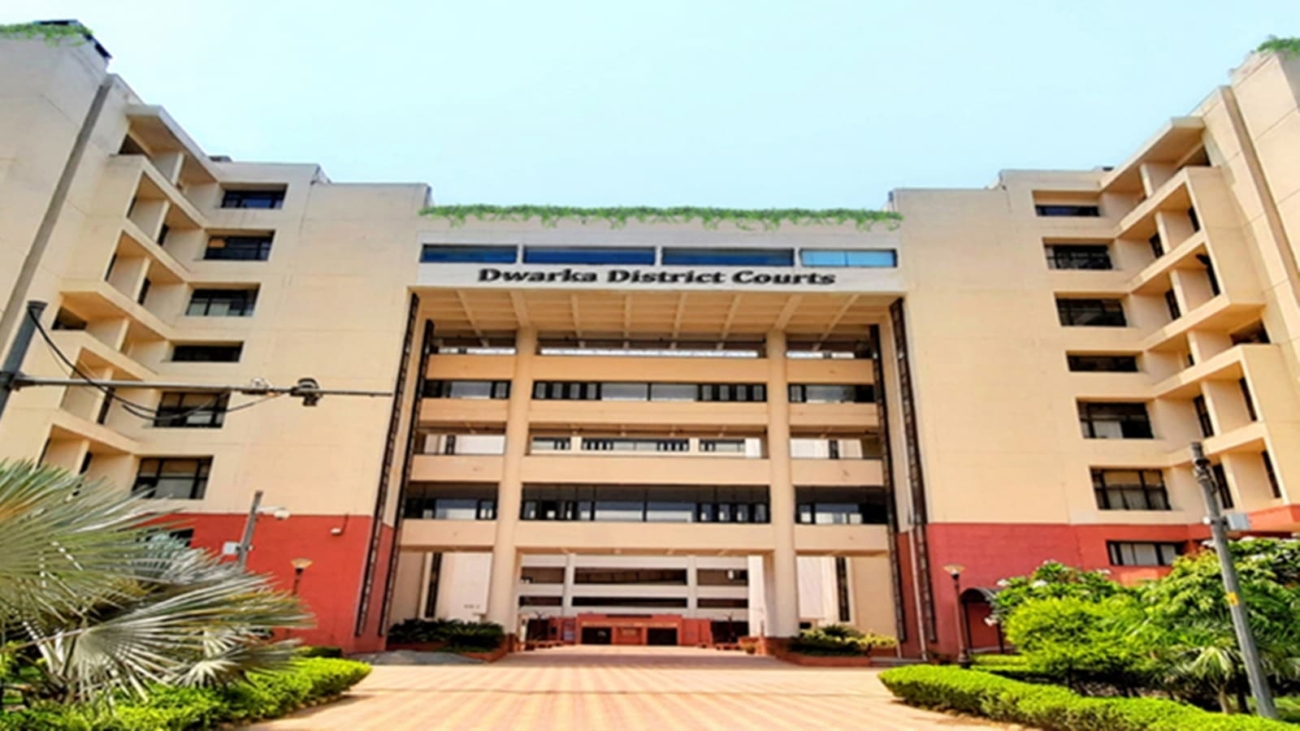
Property disputes are one of the most common types of cases in Dwarka District Court. Most people make avoidable mistakes, which delay their case or weaken their position.
1. Not Keeping Proper Property Documents
Many disputes arise simply because owners do not maintain documents like sale deeds, GPA, agreements, and tax receipts.
2. Verbal Agreements with No Written Proof
Never rely on “bol diya toh ho gaya.” Legal documents are the backbone of any property transaction.
3. Not Verifying Ownership Before Purchase
People often skip title verification, which leads to fraud, double selling, or disputes with family members.
4. Delaying Legal Action
The longer you wait, the stronger the other party’s position becomes. Early consultation prevents bigger problems later.
5. Not Hiring a Professional Lawyer
Attempting to handle complex property cases without expert guidance leads to avoidable losses, delays, and stress.
Property disputes are emotionally exhausting and legally complex. Whether it is ancestral property, jointly purchased property, illegal possession, or builder disputes, one wrong step can weaken your entire case.
After 18+ years of continuous practice before Dwarka Court, I have seen a clear pattern — most people lose advantage not because their case is weak, but because they commit avoidable legal mistakes.
Let us understand the top 5 mistakes and how you can avoid them.
1️⃣ Delaying Legal Action
Many property owners wait too long, hoping the dispute will “settle itself.” Unfortunately, delay creates complications:
Opposite party strengthens possession
Evidence disappears
Limitation issues arise
Illegal construction gets completed
How to avoid it: The moment you receive a legal notice, threat, or see unlawful construction, consult a lawyer immediately. Early injunction applications often protect ownership rights effectively.
2️⃣ Ignoring Proper Documentation
In property disputes, documents decide everything.
Common problems include:
Missing original sale deed
Unregistered agreements
No mutation records
Incomplete chain of title
Courts rely heavily on documentary evidence. Emotional claims without paperwork rarely succeed.
How to avoid it: Maintain a complete property file including sale deed, GPA (if any), previous ownership documents, tax receipts, electricity bills, and possession proof.
3️⃣ Turning a Civil Dispute into an Emotional Battle
Family property matters often become personal. People start:
Blocking entry
Changing locks
Making threats
Filing exaggerated criminal complaints
Such actions sometimes weaken your civil case and create unnecessary criminal exposure.
How to avoid it: Let the dispute remain legal, not personal. File appropriate civil suits for injunction, possession, or partition instead of reacting emotionally.
4️⃣ Filing the Wrong Case
Many litigants file only an injunction suit when possession relief is actually required. Later, courts dismiss such cases on technical grounds.
For example: If construction is already complete and possession is lost, a mere injunction may not be sufficient.
How to avoid it: Before filing, assess whether your case requires:
Suit for possession
Partition suit
Declaration suit
Permanent injunction
Criminal complaint (if cheating or trespass involved)
Correct remedy selection saves years of litigation.
5️⃣ Hiring a Lawyer Without Court-Specific Experience
Property litigation is procedural and technical. A lawyer unfamiliar with the working pattern of Dwarka Court may overlook registry objections, limitation issues, or strategic timing.
Regular court presence matters because:
Filing defects are cleared faster
Interim relief applications are moved effectively
Local judicial approach is understood
Experience inside the same court environment creates a practical advantage.
Practical Advice for Property Owners
✔ Never sign blank papers ✔ Avoid verbal settlements without documentation ✔ Do not ignore legal notices ✔ Preserve all digital and physical records ✔ Act before the opposite party strengthens possession
Property cases are rarely won by aggression. They are won by documentation, procedure, and timing.
Final Thoughts
Property disputes are about rights — but courts decide them on proof, not emotions. With proper documentation, timely filing, and strategic planning, even complex matters can be handled effectively.
After 18+ years of litigation practice, I firmly believe one principle: Preparation prevents property loss.
If you are facing a property dispute, seek structured legal guidance before taking any step. A carefully planned approach today can prevent years of unnecessary litigation tomorrow.
⚖️ Experience. Strategy. Protection of Rights.
Final Advice:
Whether it’s a family dispute, partition matter, or property possession issue, timely legal guidance is the key to a faster and favourable outcome.
Consult an experienced advocate to determine the most suitable mode of service based on the facts of your case and court practice.
Contact me for Consultation :- 9899085554, 9811885554
⚖️ Why Choose a Local Lawyer for District Court Dwarka? (2026 Practical Insight)
When a legal dispute arises, most clients focus only on “Who is the best lawyer?” But an equally important question is — “Does the lawyer regularly practice in the same court where my case is filed?”
If your matter is before Dwarka Court, choosing a lawyer who appears there daily can make a measurable difference in strategy, speed, and results.
With 18+ years of continuous practice in Dwarka Court, I have personally observed how local courtroom experience impacts outcomes.
Let us understand this practically.
🏛️ 1️⃣ Understanding the Court Environment
Every court has its own functioning style.
A local lawyer practicing regularly in Dwarka Court understands: