
A Step-by-Step Practical Guide by an Advocate with 18+ Years of Experience
(Family Court Lawyer in Dwarka)
Introduction
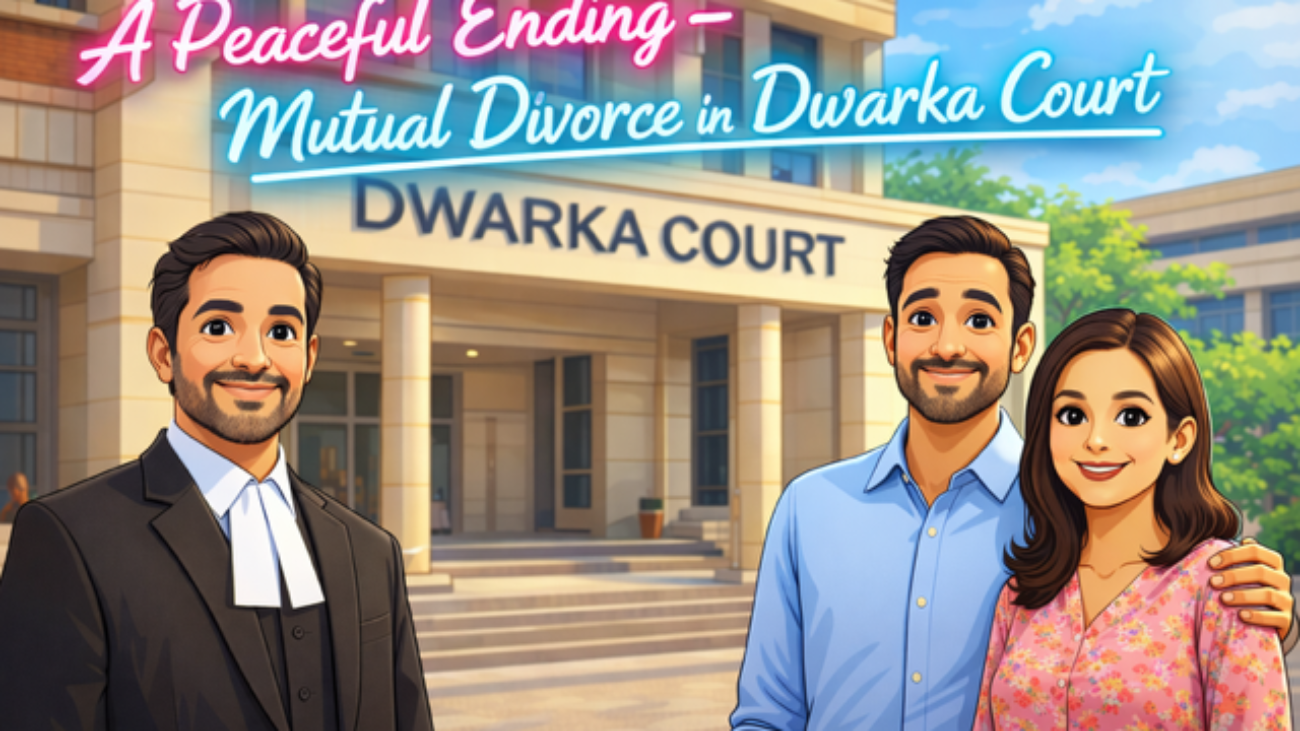
Marriage is a sacred institution, but when two individuals realize that living together has become impossible, the law provides a dignified and peaceful exit through Mutual Divorce. In my 18+ years of practice as a Family Court lawyer in Dwarka Courts, I have seen that mutual consent divorce is the fastest, least painful and most respectful way to end a marriage when both spouses agree.
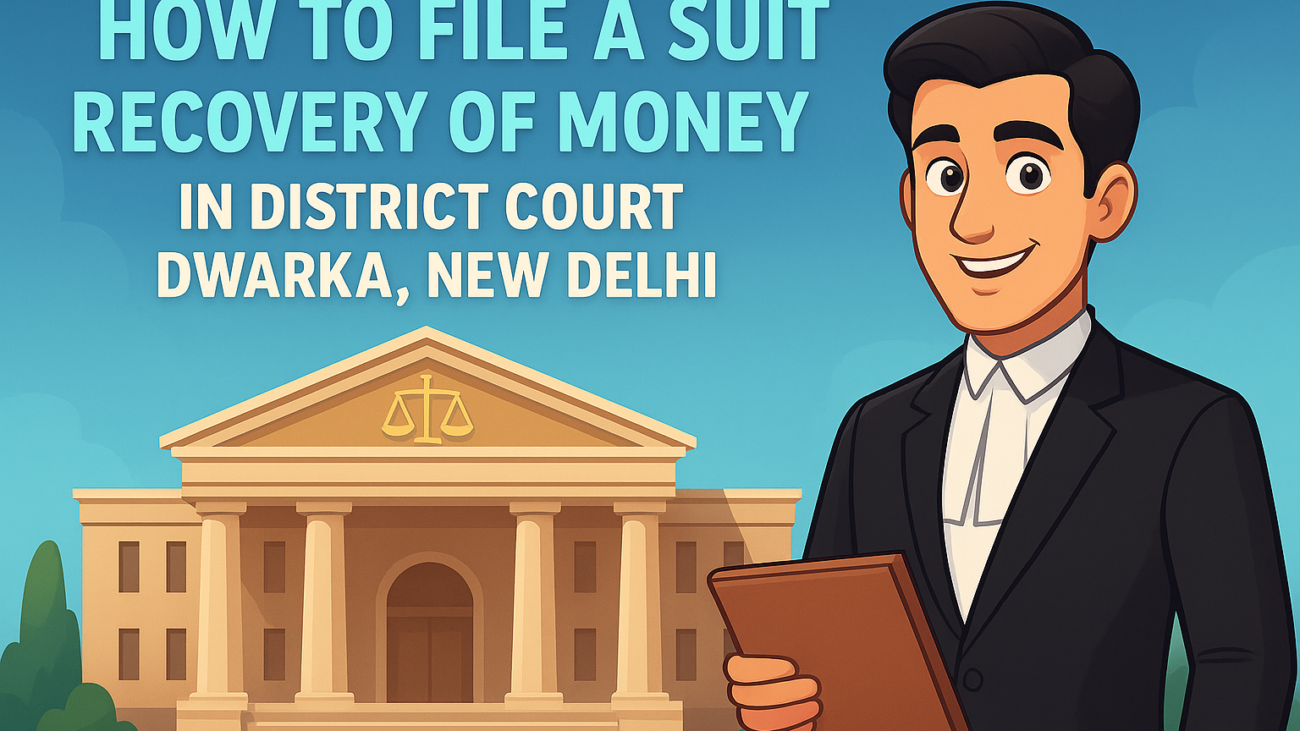
This guide is specially written for clients and young advocates who are searching for clear, reliable and practical information on how to file and obtain a mutual divorce in District Court, Dwarka, Sector-10, New Delhi.
What is Mutual Divorce?
Mutual divorce is governed by Section 13-B of the Hindu Marriage Act, 1955 (similar provisions exist under other personal laws). It means that both husband and wife jointly agree that they can no longer live together and mutually decide to dissolve the marriage.
Key features:
- No allegations or blame game
- Faster disposal
- Minimal emotional stress
- Confidential and amicable process
Jurisdiction of District Court, Dwarka (South-West), New Delhi
The District Court Dwarka, Sector-10 has jurisdiction over matters arising from the South-West District of Delhi.
Areas Covered Under Dwarka Courts (South-West Delhi):
- Dwarka (all Sectors)
- Palam
- Dabri
- Najafgarh
- Kapashera
- Mahipalpur
- Vasant Kunj (parts falling in South-West)
- Bindapur, Uttam Nagar (relevant areas)
A mutual divorce petition can be filed in Dwarka Court if:
- Marriage was solemnized within this jurisdiction, or
- Either spouse is residing here, or
- Parties last resided together within this jurisdiction
Who Can File for Mutual Divorce?
A petition for mutual divorce can be filed when:
- Husband and wife are legally married
- They have been living separately for at least one year
- They have mutually agreed that the marriage should be dissolved
- There is a complete settlement regarding:
- Permanent alimony/maintenance
- Child custody & visitation
- Return of stridhan
- Withdrawal of other cases (if any)
When Can Mutual Divorce Be Filed?
- After one year of separation (physical or constructive)
- At any stage after marriage if both parties genuinely agree
- Even if other matrimonial or criminal cases are pending (subject to settlement)
Step-by-Step Procedure of Mutual Divorce in Dwarka Court
Step 1: Consultation & Settlement
Both parties consult a family lawyer and settle:
- Alimony/one-time settlement
- Custody and education of children
- Return of articles and jewellery
Step 2: Drafting of First Motion Petition
A joint petition under Section 13-B(1) is drafted mentioning:
- Date and place of marriage
- Period of separation
- Reasons for breakdown of marriage
- Terms of settlement
Step 3: Filing in Family Court, Dwarka
The petition is filed in the Family Court, Dwarka (Sector-10) with affidavits of both parties.
Step 4: First Motion Statements
Both spouses appear before the Judge and confirm:
- Free consent
- No coercion or pressure
The court records statements and fixes a date for second motion.
Step 5: Cooling-Off Period
Statutory period of 6 months (can be waived in deserving cases).
Step 6: Second Motion Petition
After the cooling-off period, Section 13-B(2) petition is moved.
Step 7: Final Statements & Decree
After recording statements, the court grants the Decree of Divorce by Mutual Consent.
Can the 6-Month Cooling Period Be Waived?
Yes. Courts may waive the cooling-off period if:
- Parties have already lived separately for long
- All disputes are settled
- There is no chance of reconciliation
Important Supreme Court Judgments (Supra)
Amardeep Singh v. Harveen Kaur, (2017) 8 SCC 746
Extract:
Cooling-off period under Section 13-B(2) is directory, not mandatory, and can be waived to do complete justice.
Sureshta Devi v. Om Prakash, (1991) 2 SCC 25
Extract:
Consent must continue till the decree is passed; either party may withdraw consent before final order.
Hitesh Bhatnagar v. Deepa Bhatnagar, (2011) 5 SCC 234
Extract:
Mutual consent should be free, voluntary and subsisting till second motion.
Documents Required for Mutual Divorce in Dwarka Court
- Marriage Certificate / Proof of Marriage
- Address Proof of both parties
- Identity Proof (Aadhaar, Passport, Voter ID)
- Photographs of marriage
- Details of children (if any)
- Settlement Agreement
- Income proof (if required for alimony)
Practical Tips from 18+ Years of Experience
- Always opt for clear written settlement
- Avoid emotional delays between first and second motion
- Ensure compliance of settlement terms before final decree
- Appear personally unless exempted by court
Why Mutual Divorce is the Best Option
✔ Faster (sometimes within 2–3 months with waiver)
✔ Cost-effective
✔ Preserves dignity of both parties
✔ Less burden on courts and families
Conclusion
Mutual divorce is not a failure; it is a mature legal solution when a marriage has irretrievably broken down. District Court, Dwarka (Sector-10), provides an efficient and sensitive forum for resolving such disputes. With proper legal guidance, the process can be smooth, respectful and swift.
Search Titles
- Mutual Divorce Procedure in Dwarka Court
- How to File Mutual Divorce in Dwarka Sector-10
- Family Court Lawyer Dwarka Mutual Divorce Guide
- Section 13B Mutual Divorce Delhi
- Mutual Consent Divorce in South-West Delhi
Hashtags
#MutualDivorce
#DwarkaCourt
#FamilyCourtDwarka
#Section13B
#DivorceByMutualConsent
#SouthWestDelhi
#FamilyLawyer
#DelhiAdvocate
#MarriageLaw
Follow us on LINKEDIN for more updates:-
https://www.linkedin.com/embed/feed/update/urn:li:share:7408423003769741312