
Order 7 Rule 11 CPC – A Powerful Remedy to Reject a Civil Suit | Complete Guide
Order 7 Rule 11 CPC, rejection of plaint, frivolous civil suit, how to file O7R11, Dwarka Court Delhi, civil procedure code, reject suit for no cause of action, legal remedy against false suit
Detailed and practical guide on Order 7 Rule 11 CPC—its importance, usage, filing procedure in Dwarka Courts, and top Supreme Court judgments. Ideal for clients facing false or baseless civil cases.
Introduction
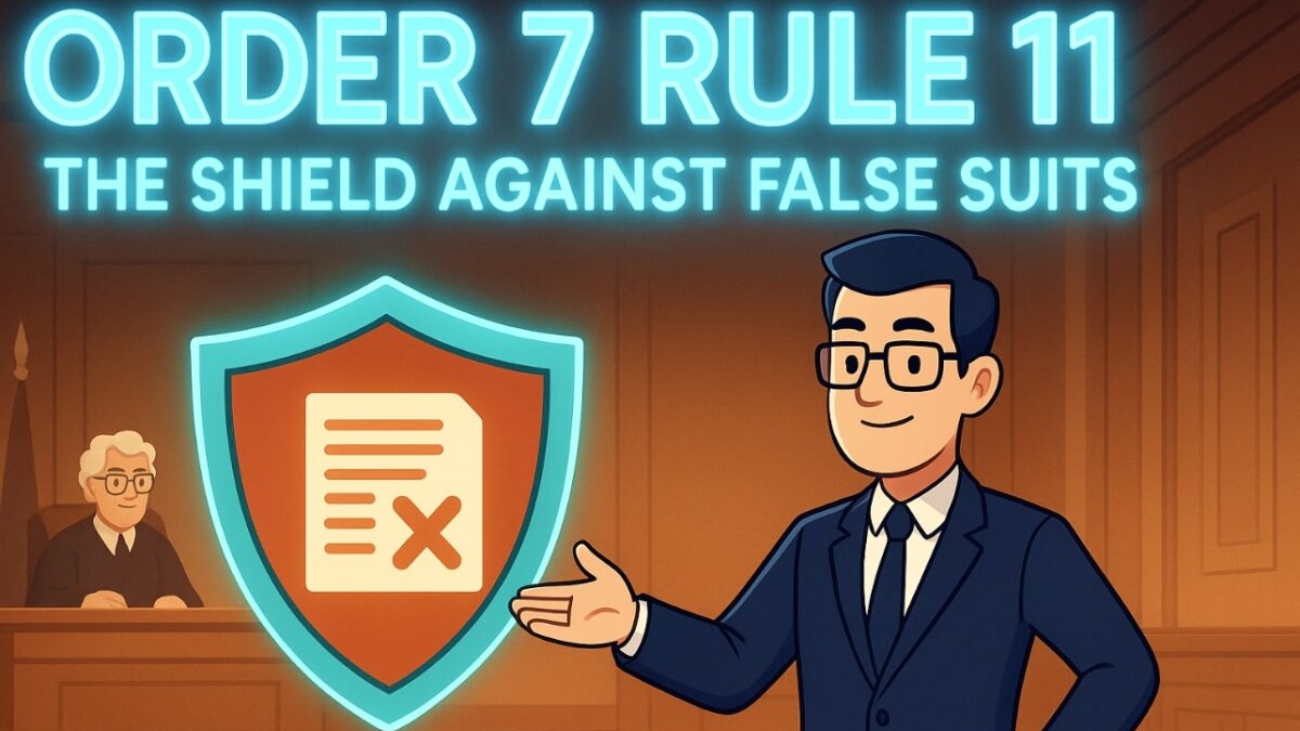
In my 18+ years of civil litigation, one provision that has consistently proven to be the sharpest shield for a defendant is Order 7 Rule 11 of the Civil Procedure Code (CPC).
It is not merely a technical section—it is a powerful safeguard to prevent frivolous, deceptive, non-maintainable or legally dead suits from wasting the court’s time and the defendant’s money, energy and peace.
This provision allows a court to reject a plaint at the very threshold, even before trial, if it does not disclose a valid cause of action or is barred by law.
What is Order 7 Rule 11 CPC? (Explained Simply)
Order 7 Rule 11 empowers the court to reject a plaint if it falls under any of these categories:
- No cause of action disclosed
- Relief undervalued and plaintiff fails to correct it
- Insufficient court fee, not cured after court’s order
- Suit barred by any law – limitation, statutory bar, jurisdiction issues
- Plaint filed in duplicate not submitted
- Plaint is vague, illusory or meaningless
This means the court can dismiss such a suit without calling witnesses or starting trial.
Why Order 7 Rule 11 Is Extremely Important?
✔ Saves the defendant from long years of litigation
✔ Stops misuse of court process
✔ Keeps judiciary efficient by removing frivolous suits
✔ Protects genuine litigants by ensuring court time is not wasted
✔ Gives immediate relief if the suit itself is defective or legally barred
In real practice, many plaintiffs file suits only to create pressure, gain bargaining advantage, or drag the defendant to court unnecessarily.
Order 7 Rule 11 is the antidote to such misuse.
My Perspective After 18+ Years of Advocacy
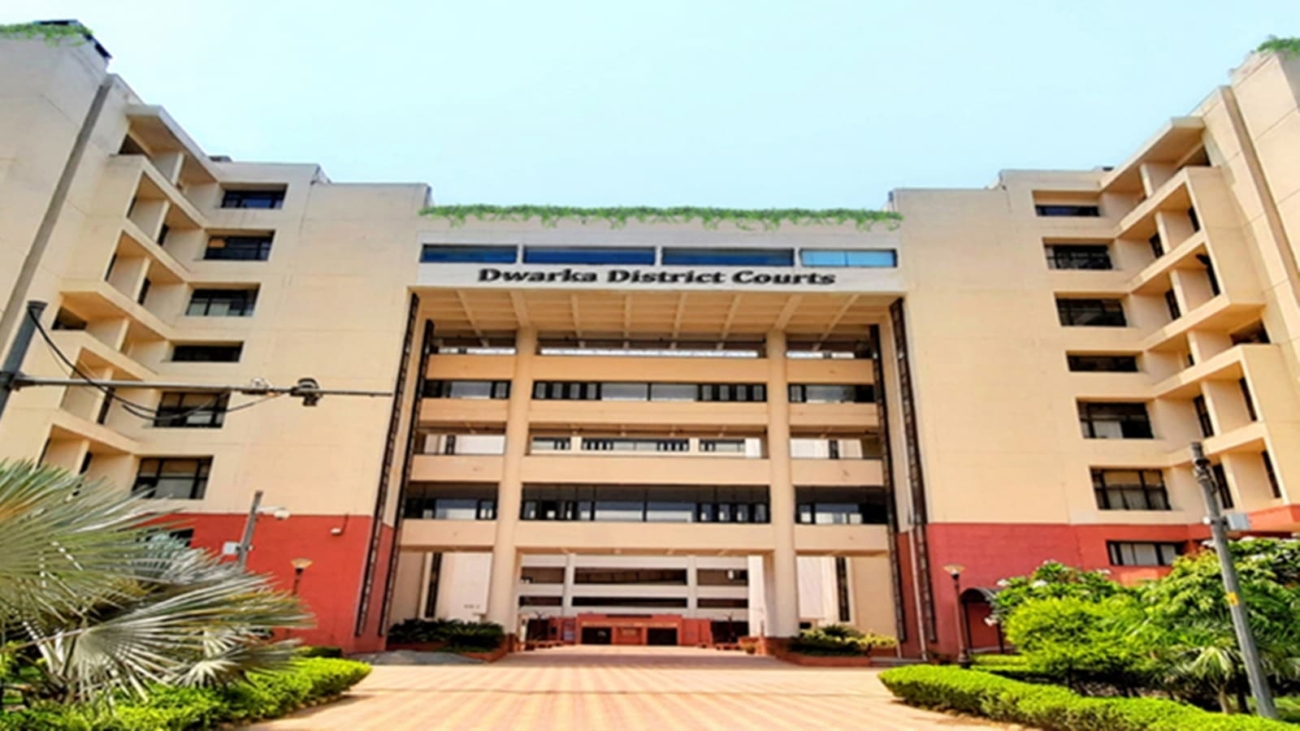
With nearly two decades in civil courts including Dwarka District Court, I can say:
- Courts do not reject suits lightly.
- A well-drafted O7R11 application with proper legal grounds impresses the court.
- The defendant must use it only when the suit is truly non-maintainable, not as a delaying tactic.
- Filing it at the right stage and under the right circumstances often changes the entire case strategy.
A balanced approach is essential:
Use this provision as a shield, not a sword.
When Should You Use Order 7 Rule 11? (Practical Guide)
You should use O7R11 when:
1. The plaint shows no cause of action
Many suits are drafted with emotional narrative but no legal cause of action.
If the plaint itself shows the plaintiff has no right, O7R11 is ideal.
2. The suit is hopelessly barred by limitation
If dates mentioned in the plaint show the suit is filed too late, the court must reject it.
3. Suit is filed to harass the defendant
Property disputes, injunction suits, partnership disputes often include vague or false pleading.
4. Suit is barred under any special statute
Examples:
- Benami Prohibition Act
- Specific Relief Act provisions
- Delhi Rent Control Act
- SARFAESI Act
5. No court fee / wrong valuation
If the plaintiff undervalues the relief, he must correct it or face O7R11.
How to File Order 7 Rule 11 Application in Dwarka District Court (Step-by-Step)
1. Drafting
Your advocate prepares a detailed application stating:
- Grounds for rejection
- Relevant statutory provisions
- Supporting case laws
- Extracts from plaint showing defects
2. Attachments
- Copy of plaint
- Documents relied on by plaintiff
- Supporting judgments
3. Filing Section
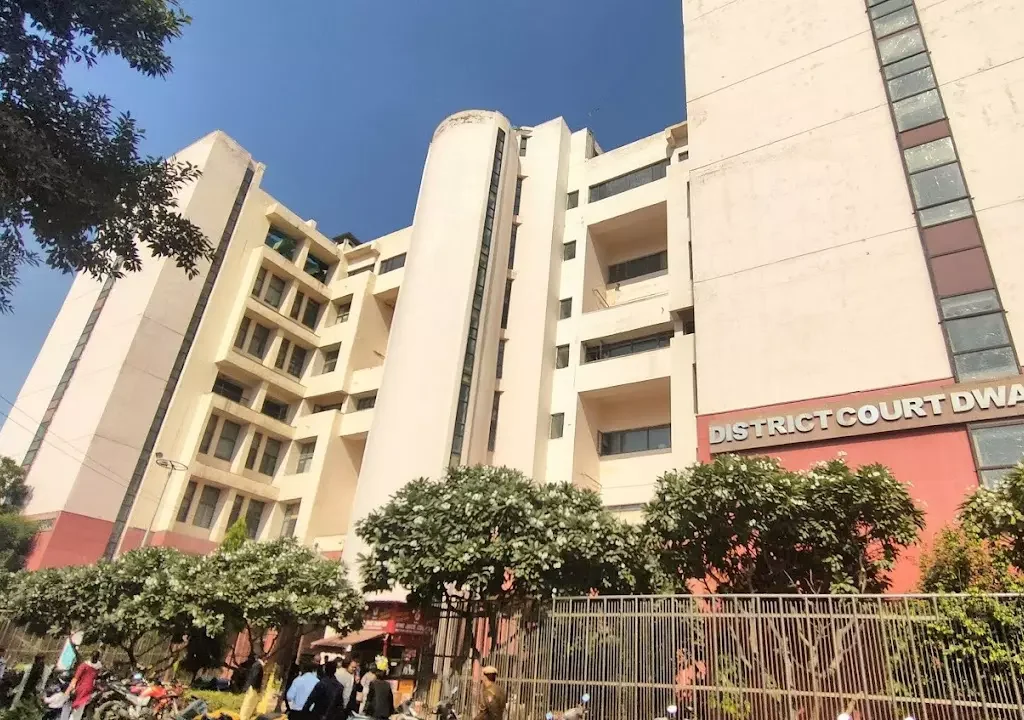
The application is filed at the Filing Counter (Ground Floor) of Dwarka Courts.
4. Scrutiny & Listing
- After scrutiny, it is listed before the court where the main suit is pending.
- The court issues notice to the plaintiff.
5. Arguments
Arguments focus strictly on plaint allegations, because for O7R11, the court only examines the plaint—not your defence.
6. Court Order
If the court accepts the grounds:
→ Plaint is rejected
→ Defendant is relieved from the entire litigation
A certified copy can be taken immediately after the order for future use.
Top Supreme Court Judgments on Order 7 Rule 11 (Supra)
1. T. Arivandandam v. T.V. Satyapal (1977) 4 SCC 467
Supreme Court directed trial courts to strike out frivolous and vexatious suits at the threshold.
2. Sopan Sukhdeo Sable v. Assistant Charity Commissioner (2004) 3 SCC 137
Held that for O7R11, only plaint averments are considered, not defence.
3. Kamala v. K.T. Eshwara Sa (2008) 12 SCC 661
O7R11 can be invoked at any stage of the proceedings.
4. Church of Christ Charitable Trust v. Ponniamman Educational Trust (2012) 8 SCC 706
If suit is barred by limitation on the face of plaint → mandatory rejection.
5. Dahiben v. Arvindbhai Kalyanji Bhanusali (2020) 7 SCC 366
Plaint with illusory cause of action must be rejected.
6. Saleem Bhai v. State of Maharashtra (2003) 1 SCC 557
Court must not consider evidence at this stage.
Conclusion
Order 7 Rule 11 is not about “winning quickly”—
it is about preventing unjustified litigation from beginning at all.
As a defence tool, it is often underused by clients, mainly because they do not know such a strong legal remedy exists.
For defendants in Dwarka Courts or anywhere in India:
If the suit filed against you seems false, time-barred, or legally unsustainable—
O7R11 may provide immediate relief and save years of litigation.
Consult an experienced advocate to determine the most suitable mode of service based on the facts of your case and court practice.
Contact me for Consultation :- 9899085554, 9811885554
Ankit Gaurav Kainth Advocate, Dwarka Court, Chamber No.728, 7th Floor, Dwarka, New Delhi
https://share.google/4r7kHm3s4da3OS9rS
https://www.instagram.com/reel/DRrwtE6iS3q/?utm_source=ig_web_copy_link&igsh=MzRlODBiNWFlZA==