
best-advocate-in-dwarka-court-criminal-civil-matrimonial-cheque-cases

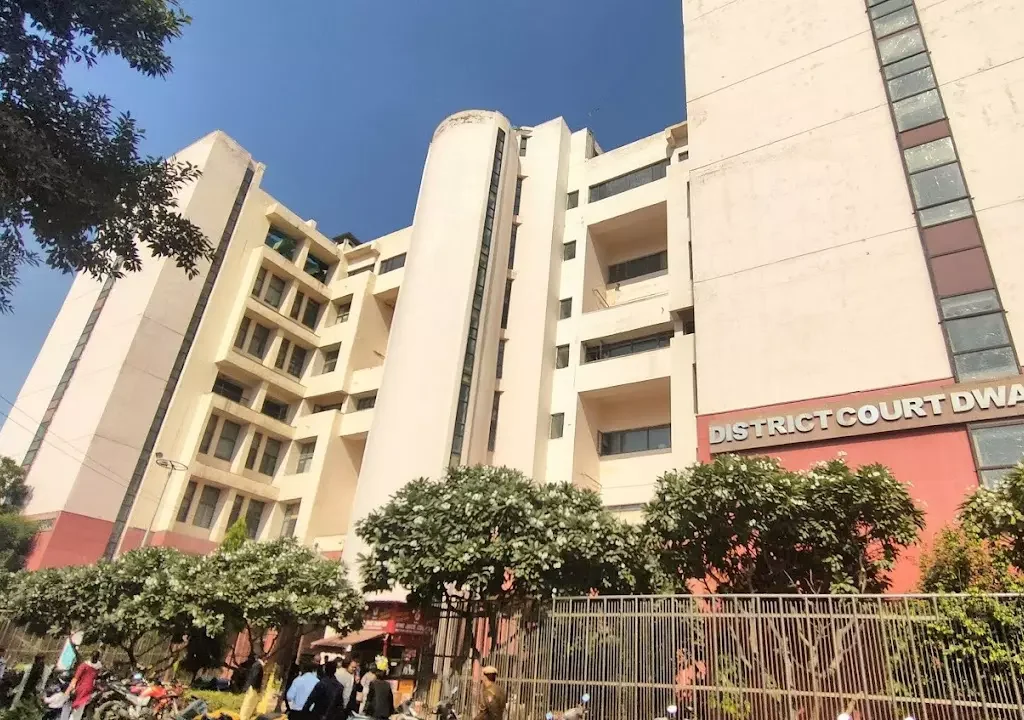
Best Advocate/Lawyer in Dwarka District Court, New Delhi – 18+ Years of Trusted Legal Experience

Dwarka District Court is one of the most prominent and busiest district courts in Delhi, catering to a vast population of South-West Delhi. Every day, hundreds of litigants approach the court for matters relating to civil disputes, criminal cases, matrimonial issues, property matters, banking disputes, and family law cases. In such situations, choosing an experienced advocate practicing regularly in Dwarka District Court becomes crucial.

With over 18 years of continuous legal practice, Advocate Ankit Gaurav Kainth has been actively representing clients before Dwarka District Court and allied courts. This long-standing experience brings not only knowledge of law but also a deep understanding of court procedures, filing practices, registry functioning, and practical courtroom dynamics.

How 18+ Years of Experience Assists Clients in Dwarka Court

Experience matters greatly in litigation. An advocate with years of courtroom exposure is better equipped to:

  • Analyse the strengths and weaknesses of a case
  • Draft precise and effective pleadings and applications
  • Advise clients on practical legal remedies
  • Handle matters efficiently before different courts and judges

Regular practice in Dwarka Courts ensures familiarity with daily listings, cause lists, timelines, and procedural requirements, which ultimately benefits the client by saving time, cost, and unnecessary litigation.

Areas of Practice at Dwarka District Court

Clients are represented in a wide range of legal matters, including:

⚖️ Criminal Matters

Bail applications, trials, complaints, FIR-related matters, and appeals.

⚖️ Civil Disputes

Property disputes, recovery suits, injunctions, declarations, and civil litigation.

⚖️ Matrimonial & Family Matters

Divorce, maintenance, domestic violence cases, child custody, and settlement matters.

⚖️ Banking & Financial Cases

Cheque bounce cases under NI Act, recovery matters, and financial disputes.

Each case is handled with confidentiality, diligence, and a strategy tailored to the client’s specific situation.

Dwarka District Court Jurisdiction – Who Can Approach Us

Clients residing or having legal issues in areas falling under Dwarka District Court jurisdiction can approach us for legal assistance. These areas include:

📍 Dwarka & Dwarka Sectors

📍 Janakpuri

📍 Vikaspuri

📍 Uttam Nagar

📍 Palam

📍 Najafgarh

📍 Bindapur

📍 Sagarpur

📍 Dabri

📍 Matiala

If your matter is registered or triable within the territorial jurisdiction of Dwarka District Court, professional representation from a local advocate ensures smoother handling of your case.

Why Choose a Local Advocate Practicing in Dwarka Court

✔️ Regular court appearances and practical exposure

✔️ Strong understanding of local court functioning

✔️ Efficient coordination with registry and court staff

✔️ Focused and transparent legal advice

Clients are always encouraged to share complete and truthful facts, enabling proper legal drafting and effective courtroom representation.

Your Legal Support at Dwarka District Court

Legal issues can be stressful, but with the right guidance and experienced representation, they can be handled effectively. With 18+ years of dedication to legal practice in Dwarka Courts, clients receive reliable advice, honest opinions, and committed representation.

Ankit Gaurav Kainth, Advocate

Dwarka District Court, Delhi

📞 Contact for legal consultation

Best Advocate in Dwarka District Court – 18+ Years of Trusted Legal Experience

Dwarka District Court is one of the most prominent and busiest district courts in Delhi, catering to a vast population of South-West Delhi. Every day, hundreds of litigants approach the court for matters relating to civil disputes, criminal cases, matrimonial issues, property matters, banking disputes, and family law cases. In such situations, choosing an experienced advocate practicing regularly in Dwarka District Court becomes crucial.

With over 18 years of continuous legal practice, Advocate Ankit Gaurav Kainth has been actively representing clients before Dwarka District Court and allied courts. This long-standing experience brings not only knowledge of law but also a deep understanding of court procedures, filing practices, registry functioning, and practical courtroom dynamics.

How 18+ Years of Experience Assists Clients in Dwarka Court

Experience matters greatly in litigation. An advocate with years of courtroom exposure is better equipped to:

  • Analyse the strengths and weaknesses of a case
  • Draft precise and effective pleadings and applications
  • Advise clients on practical legal remedies
  • Handle matters efficiently before different courts and judges

Regular practice in Dwarka Courts ensures familiarity with daily listings, cause lists, timelines, and procedural requirements, which ultimately benefits the client by saving time, cost, and unnecessary litigation.

Areas of Practice at Dwarka District Court

Clients are represented in a wide range of legal matters, including:

⚖️ Criminal Matters

Bail applications, trials, complaints, FIR-related matters, and appeals.

⚖️ Civil Disputes

Property disputes, recovery suits, injunctions, declarations, and civil litigation.

⚖️ Matrimonial & Family Matters

Divorce, maintenance, domestic violence cases, child custody, and settlement matters.

⚖️ Banking & Financial Cases

Cheque bounce cases under NI Act, recovery matters, and financial disputes.

Each case is handled with confidentiality, diligence, and a strategy tailored to the client’s specific situation.

Dwarka District Court Jurisdiction – Who Can Approach Us

Clients residing or having legal issues in areas falling under Dwarka District Court jurisdiction can approach us for legal assistance. These areas include:

📍 Dwarka & Dwarka Sectors

📍 Janakpuri

📍 Vikaspuri

📍 Uttam Nagar

📍 Palam

📍 Najafgarh

📍 Bindapur

📍 Sagarpur

📍 Dabri

📍 Matiala

If your matter is registered or triable within the territorial jurisdiction of Dwarka District Court, professional representation from a local advocate ensures smoother handling of your case.

Why Choose a Local Advocate Practicing in Dwarka Court

✔️ Regular court appearances and practical exposure

✔️ Strong understanding of local court functioning

✔️ Efficient coordination with registry and court staff

✔️ Focused and transparent legal advice

Clients are always encouraged to share complete and truthful facts, enabling proper legal drafting and effective courtroom representation.

Your Legal Support at Dwarka District Court

Legal issues can be stressful, but with the right guidance and experienced representation, they can be handled effectively. With 18+ years of dedication to legal practice in Dwarka Courts, clients receive reliable advice, honest opinions, and committed representation.

Ankit Gaurav Kainth, Advocate

Dwarka District Court, Delhi

📞 Contact for legal consultation

Mobile Number :- 9811885554, 9899085554

https://share.google/8rb0UJ27iSTMH2CDh

https://www.instagram.com/reel/DTzDA-6ic_c/?utm_source=ig_web_copy_link
Experienced-advocate-in-dwarka-court

⚖️ Experienced Advocate in Dwarka Courts | 600+ Cases Handled Successfully

When searching for a trusted advocate in Dwarka Courts, experience, local presence, and proven case handling matter the most. With 18+ years of continuous legal practice in District Courts, Dwarka, I have successfully handled more than 600 cases across Civil, Criminal, Banking, and Matrimonial law.

Legal practice is not merely about knowledge of law books — it is about courtroom strategy, judge-wise approach, timely filings, and practical solutions developed only through years of hands-on experience.

🏛️ Civil Lawyer in Dwarka Courts – Property & Recovery Matters

Civil cases form a substantial part of litigation in Dwarka Courts. Over the years, I have handled:

  • Property disputes & ownership claims
  • Permanent & temporary injunctions
  • Recovery suits & money disputes
  • Partition & declaration suits
  • Landlord–tenant matters

✔️ How We Help Clients in Civil Cases

  • Accurate drafting of plaints & replies
  • Strong interim relief strategy
  • Evidence-based arguments
  • Focus on early disposal

Civil litigation demands precision, patience, and procedural clarity, which my team ensures at every stage.

🚔 Criminal Advocate in Dwarka – Bail, Trial & FIR Matters

Criminal cases directly affect personal liberty and reputation. I have represented clients in:

  • Anticipatory & regular bail matters
  • FIR defence & quashing
  • Trial cases under IPC & special laws
  • Cheque bounce & economic offences

🔍 Client-Focused Criminal Defence

  • Immediate legal action
  • Rights protection during investigation
  • Strategic cross-examination
  • Result-oriented trial handling

Our priority is to safeguard liberty while ensuring lawful defence.

🏦 Banking & Cheque Bounce Lawyer in Dwarka Courts

Banking and financial disputes require technical expertise and strict timelines. I have handled:

  • Cheque bounce cases under NI Act
  • Loan recovery & settlement disputes
  • SARFAESI & DRT related matters
  • Financial documentation disputes

💼 Why Experience Matters in Banking Cases

  • Proper notice & reply strategy
  • Documentation verification
  • Strong courtroom representation
  • Negotiation & settlement support

💔 Matrimonial Advocate in Dwarka – Divorce & Family Disputes

Matrimonial cases are legally complex and emotionally sensitive. I have dealt with:

  • Divorce (contested & mutual consent)
  • Maintenance & alimony cases
  • Domestic violence matters
  • Child custody & visitation disputes

🤝 Balanced & Confidential Legal Support

  • Sensitive handling of personal issues
  • Clear legal guidance
  • Strong representation without escalation
  • Focus on dignity & lawful relief

👥 How My Legal Team Helps You Get Justice

With 18+ years of Dwarka Court experience, I am supported by a dedicated team of advocates ensuring:

  • Continuous case monitoring
  • Accurate drafting & research
  • Regular client updates
  • Court-specific strategy

Justice is achieved through consistency, honesty, and courtroom strength — values we strictly follow.

📍 Why Choose a Local Dwarka Courts Advocate?

Choosing an advocate practising daily in Dwarka Courts offers clear advantages:

  • Daily court presence
  • Familiarity with judges & procedures
  • Faster filings & follow-ups
  • Easy client accessibility
  • Reduced delays & costs

Local experience directly impacts case efficiency and outcomes.

⭐ FAQs – Clients Commonly Ask

❓ How many years of experience do you have in Dwarka Courts?

I have 18+ years of continuous practice exclusively in District Courts, Dwarka.

❓ Do you personally handle cases or delegate them?

I personally supervise and argue matters, supported by a trained legal team.

❓ Do you handle multiple types of cases?

Yes, I handle Civil, Criminal, Banking, Cheque Bounce, and Matrimonial cases.

❓ Why should I avoid hiring an outstation advocate?

Outstation advocates lack daily court presence and local procedural familiarity, which can delay matters.

⚖️ Trusted Advocate in Dwarka Courts – Experience That Works for You

Choosing the right advocate is the first step toward justice. With 600+ cases handled, 18+ years of courtroom practice, and a strong local presence, my aim is to provide clear advice, strong representation, and reliable results.

✍️ Ankit Gaurav Kainth

Advocate, District Courts Dwarka

📞 9899085554 | 9811885554

⚖️ Experienced Advocate in Dwarka Courts | 600+ Cases Handled Successfully

When searching for a trusted advocate in Dwarka Courts, experience, local presence, and proven case handling matter the most. With 18+ years of continuous legal practice in District Courts, Dwarka, I have successfully handled more than 600 cases across Civil, Criminal, Banking, and Matrimonial law.

Legal practice is not merely about knowledge of law books — it is about courtroom strategy, judge-wise approach, timely filings, and practical solutions developed only through years of hands-on experience.

🏛️ Civil Lawyer in Dwarka Courts – Property & Recovery Matters

Civil cases form a substantial part of litigation in Dwarka Courts. Over the years, I have handled:

  • Property disputes & ownership claims
  • Permanent & temporary injunctions
  • Recovery suits & money disputes
  • Partition & declaration suits
  • Landlord–tenant matters

✔️ How We Help Clients in Civil Cases

  • Accurate drafting of plaints & replies
  • Strong interim relief strategy
  • Evidence-based arguments
  • Focus on early disposal

Civil litigation demands precision, patience, and procedural clarity, which my team ensures at every stage.

🚔 Criminal Advocate in Dwarka – Bail, Trial & FIR Matters

Criminal cases directly affect personal liberty and reputation. I have represented clients in:

  • Anticipatory & regular bail matters
  • FIR defence & quashing
  • Trial cases under IPC & special laws
  • Cheque bounce & economic offences

🔍 Client-Focused Criminal Defence

  • Immediate legal action
  • Rights protection during investigation
  • Strategic cross-examination
  • Result-oriented trial handling

Our priority is to safeguard liberty while ensuring lawful defence.

🏦 Banking & Cheque Bounce Lawyer in Dwarka Courts

Banking and financial disputes require technical expertise and strict timelines. I have handled:

  • Cheque bounce cases under NI Act
  • Loan recovery & settlement disputes
  • SARFAESI & DRT related matters
  • Financial documentation disputes

💼 Why Experience Matters in Banking Cases

  • Proper notice & reply strategy
  • Documentation verification
  • Strong courtroom representation
  • Negotiation & settlement support

💔 Matrimonial Advocate in Dwarka – Divorce & Family Disputes

Matrimonial cases are legally complex and emotionally sensitive. I have dealt with:

  • Divorce (contested & mutual consent)
  • Maintenance & alimony cases
  • Domestic violence matters
  • Child custody & visitation disputes

🤝 Balanced & Confidential Legal Support

  • Sensitive handling of personal issues
  • Clear legal guidance
  • Strong representation without escalation
  • Focus on dignity & lawful relief

👥 How My Legal Team Helps You Get Justice

With 18+ years of Dwarka Court experience, I am supported by a dedicated team of advocates ensuring:

  • Continuous case monitoring
  • Accurate drafting & research
  • Regular client updates
  • Court-specific strategy

Justice is achieved through consistency, honesty, and courtroom strength — values we strictly follow.

📍 Why Choose a Local Dwarka Courts Advocate?

Choosing an advocate practising daily in Dwarka Courts offers clear advantages:

  • Daily court presence
  • Familiarity with judges & procedures
  • Faster filings & follow-ups
  • Easy client accessibility
  • Reduced delays & costs

Local experience directly impacts case efficiency and outcomes.

⭐ FAQs – Clients Commonly Ask

❓ How many years of experience do you have in Dwarka Courts?

I have 18+ years of continuous practice exclusively in District Courts, Dwarka.

❓ Do you personally handle cases or delegate them?

I personally supervise and argue matters, supported by a trained legal team.

❓ Do you handle multiple types of cases?

Yes, I handle Civil, Criminal, Banking, Cheque Bounce, and Matrimonial cases.

❓ Why should I avoid hiring an outstation advocate?

Outstation advocates lack daily court presence and local procedural familiarity, which can delay matters.

⚖️ Trusted Advocate in Dwarka Courts – Experience That Works for You

Choosing the right advocate is the first step toward justice. With 600+ cases handled, 18+ years of courtroom practice, and a strong local presence, my aim is to provide clear advice, strong representation, and reliable results.

✍️ Ankit Gaurav Kainth

Advocate, District Courts Dwarka

📞 9899085554 | 9811885554

https://share.google/pj9ZuclpxPbJ0RUED

https://www.linkedin.com/embed/feed/update/urn:li:share:7419110018840412162?collapsed=1

check out my listing on just dial

https://jsdl.in/DT-23EJAE2U

image0-13

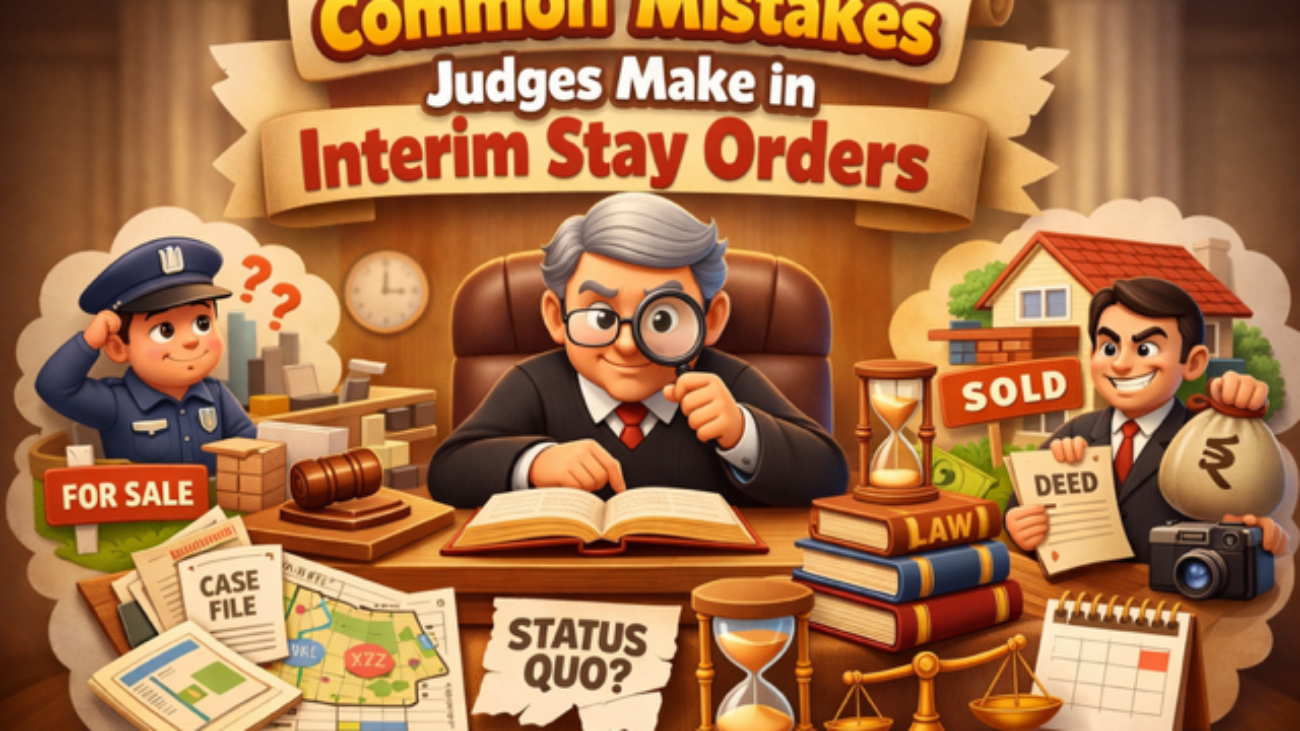
Common Mistakes Sometimes Judges Do While Passing Interim Orders under Order 39 Rule 1 & 2 CPC – Practical Insights from 18+ Years of Court Experience in Dwarka Court

Applications under Order 39 Rule 1 & 2 of the Code of Civil Procedure, 1908 are among the most frequently moved applications in civil litigation, particularly in property disputes. The purpose of such applications is simple yet critical—to protect the subject matter of the suit and prevent irreparable loss until final adjudication.

However, in actual court practice, it is often seen that interim injunction orders, though well-intended, sometimes become ineffective, ambiguous, or practically unenforceable. This happens not only due to haste or heavy judicial workload, but also because of unclear pleadings, vague prayers, and improper assistance by litigants or advocates.

Based on my 18+ years of continuous practice in civil courts, I have observed some recurring mistakes which substantially dilute the effectiveness of interim orders.

1. Failure to Clearly Specify the Implementing Authority

One of the most common and practical mistakes is passing an injunction order without naming the authority responsible for its implementation.

Orders often state “police assistance be provided” or “concerned police to ensure compliance”. In reality, unless the order clearly directs the SHO or DCP of the concerned police station by name or designation, police authorities hesitate to act due to fear of departmental consequences.

In my experience, such vague directions result in litigants repeatedly approaching courts for “clarifications”, thereby defeating the very purpose of interim relief.

2. Absence of Restraint on Creation of Third-Party Interest

Another serious error is failing to restrain defendants from creating third-party rights.

Many interim orders only mention “status quo be maintained” without specifically restraining sale, transfer, alienation, lease, or creation of third-party interest. Defendants often exploit this ambiguity by executing documents, creating possession rights, or transferring interests, which leads to multiplicity of proceedings.

From long-standing court practice, it is clear that every injunction in property matters must specifically bar third-party interest, otherwise the order becomes toothless.

3. Site Plan and Injunction Order Not Correlated

In property disputes, the site plan is the backbone of interim relief. Yet, many injunction orders fail because the restrained portion mentioned in the order does not clearly match the site plan on record.

If the site plan is vague, unnumbered, or unclear, and the order restrains interference in “portion shown in red colour” without clarity, such orders become impossible to enforce on ground. My experience suggests that courts must ensure that the site plan and operative directions are perfectly aligned.

4. No Clear Findings on the Three Essential Ingredients

Order 39 injunctions must necessarily be based on:

  • Prima facie case
  • Balance of convenience
  • Irreparable loss

However, at times interim orders are passed without recording clear findings on these three essentials. Such orders are highly vulnerable in appeal and often get stayed or set aside by appellate courts.

5. Casual Use of the Term “Status Quo”

The expression “status quo” is one of the most misused terms in interim orders. Status quo regarding what—possession, construction, title, nature of property, or revenue record?

Without clarity, parties interpret the order conveniently, resulting in allegations of violation and contempt petitions.

6. Failure to Fix Timeline or Next Date

Another practical issue is grant of interim relief without fixing timelines for compliance or further hearing. This creates uncertainty and encourages misuse of interim protection for prolonged periods.

7. Ignoring Ground Realities and Documents

Photographs, revenue records, electricity bills, and municipal documents often reflect the real status of property. Ignoring these while passing interim orders sometimes results in orders disconnected from ground realities, leading to unnecessary execution problems.

What 18+ Years of Experience Suggest

My experience clearly suggests that an interim injunction is not merely a legal formality but a practical tool. Precision in drafting, clarity in directions, and enforceability on ground are essential. Courts and advocates must remember that a vague interim order creates more litigation than it resolves.

A well-drafted and well-reasoned interim order saves judicial time, protects rights, and maintains faith in the justice delivery system.

Conclusion

Interim orders under Order 39 Rule 1 & 2 CPC must be clear, specific, and executable. Any ambiguity regarding authority, property identification, scope of restraint, or duration weakens the order and defeats its purpose. Justice is not only about passing orders—it is about passing orders that actually work.

SEO Search Titles

  • Common Mistakes in Interim Injunction Orders under Order 39 CPC
  • Order 39 Rule 1 & 2 CPC: Practical Problems in Interim Stay Orders
  • Why Interim Injunction Orders Fail in Property Disputes
  • Advocate’s Guide to Effective Interim Orders under CPC
  • Common Errors in Temporary Injunction Orders Explained by Senior Advocate

SEO Hashtags

#Order39CPC

#InterimInjunction

#TemporaryInjunction

#CivilProcedureCode

#PropertyDisputes

#StatusQuoOrder

#InjunctionLaw

#IndianCivilLaw

#AdvocateExperience

#CourtPractice

https://www.linkedin.com/embed/feed/update/urn:li:share:7411617339345141760

https://share.google/sTqVWmkTVmsy9Sve3

image0-10

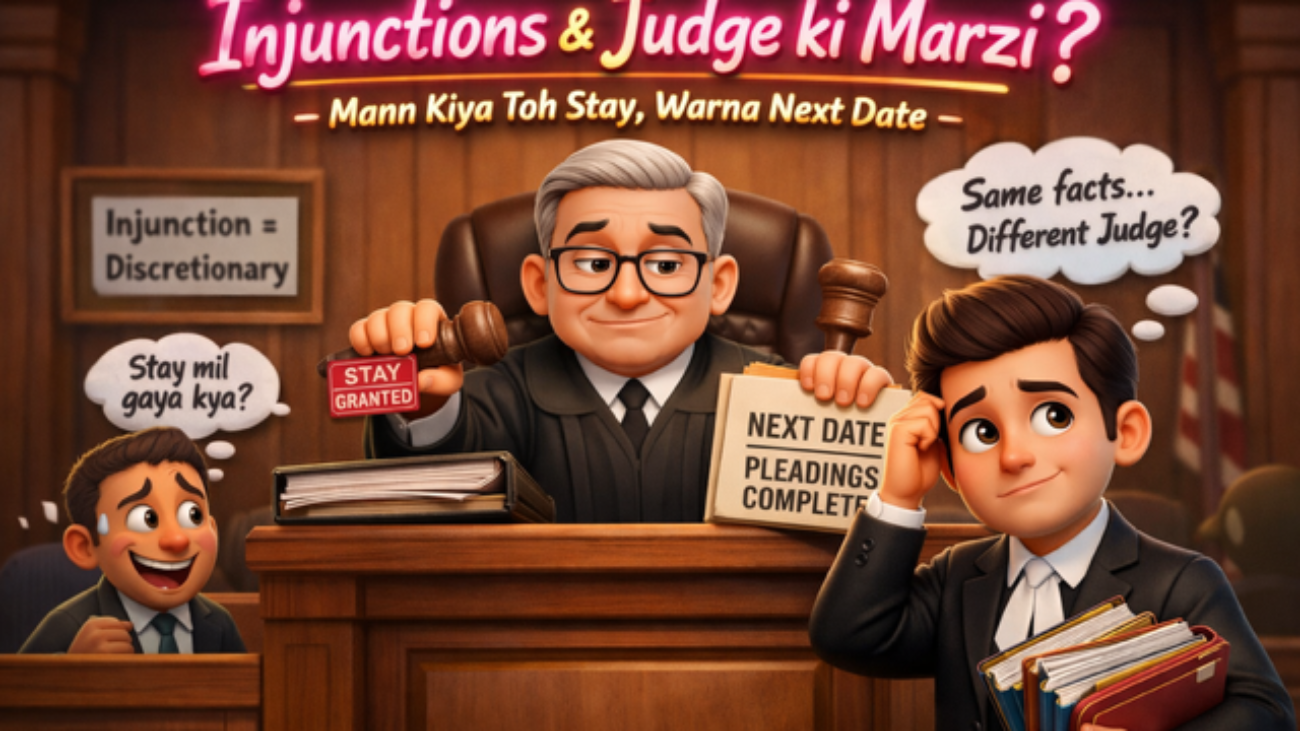
Injunctions & Judge ki Marzi? In Dwarka Court…

“Mann Kiya Toh Stay, Warna… Next Date Par Dekhte Hain” ⚖️😄

(Insights from 18+ years of courtroom experience)

Civil courts mein agar sabse zyada suspense kisi cheez ka hota hai, toh woh hai — temporary injunction.

Client ke liye ye oxygen hoti hai, advocate ke liye acid test, aur Judge ke liye… ek pure discretion ka exercise.

18+ saal court mein practice karne ke baad main itna zaroor keh sakta hoon —

👉 Injunction koi automatic right nahi hai.

👉 Jaise bail discretionary hoti hai, waise hi stay bhi discretionary hota hai.

Par ground reality ko thoda honest aur thoda humorous tareeke se samajhna zaroori hai.

“Same Facts, Same Law… Bas Judge Alag”

Kabhi aisa hota hai ki:

  • Strong prima facie case
  • Clear balance of convenience
  • Irreparable loss clearly shown

Aur phir bhi Judge sahab calmly bol dete hain:

🗣️ “Pehle pleadings complete karo.”

Aur kabhi bilkul wahi facts, wahi case law, wahi urgency…

🗣️ “Till next date, status quo be maintained.”

Yahin se young lawyers ke mann mein pehla bada sawal paida hota hai:

“Law badal gaya ya Judge ka approach?”

Sach ye hai ki law same rehta hai, par judicial temperament differ karta hai.

Koi Judge status quo dene mein comfortable hota hai, koi misuse se itna concerned hota hai ki stay dena last option bana deta hai.

Injunction bhi Bail jaisi hi hai

Jaise bail mein Judge dekhte hain:

  • Liberty vs investigation
  • Gravity of offence
  • Possibility of misuse

Waise hi injunction mein dekha jata hai:

  • Rights vs restraint
  • Urgency vs misuse
  • Equity vs equity

Isliye ye maanna galat hai ki “stay toh milna hi chahiye.”

Court ka perspective hota hai:

👉 “Agar maine stay de diya aur suit hi misuse nikla toh?”

Order Padhkar Kabhi-kabhi Advocate Bhi Sochta Hai…

Kabhi order aata hai aur usme likha hota hai:

📄 “Learned counsel has argued that…”

Aur advocate quietly apne junior se poochta hai:

“Maine ye argue kiya tha kya?” 😄

Yeh koi disrespect nahi, balki judicial writing ka practical side hai. Judge har submission ko apne judicial lens se summarize karta hai. Advocate ko yahan ego nahi, clarity aur maturity rakhni chahiye.

Clients ki Expectations vs Court ki Reality

Client ko lagta hai injunction ek switch hai:

🟢 File karo → Press karo → Stay mil gaya

Reality mein:

🔴 Judge bole: “Notice issue karo”

🔴 “Reply aane do”

🔴 “Next date”

Aur wo “next date” aksar client ke liye emotional test ban jaati hai.

Yahin advocate ka role sirf arguing ka nahi hota, balki expectation management ka hota hai.

18+ saal ke experience se ye seekha hai ki:

👉 Jo advocate pehle din hi client ko reality bata deta hai, wahi long-term trust bana pata hai.

My Balanced Suggestions from Experience

Is article ka maksad system ko blame karna nahi, balki system ko samajhna hai.

✔ For Young Advocates:

  • Har injunction application ko emergency surgery mat samjhiye
  • Judge ki approach, roster aur past trend ko samjhiye
  • Stay na mile toh confidence lose mat kijiye

✔ For Clients:

  • Injunction guarantee nahi hoti
  • Judge aapke dard se zyada systemic balance dekhta hai
  • Advocate ki advice par patience rakhiye

✔ For Drafting & Arguments:

  • Over-dramatization avoid karein
  • Facts ko clean, crisp aur honest rakhein
  • Har cheez ko “irreparable loss” batane se credibility kam hoti hai

Judge ki Marzi? Ya Judicial Conscience?

Courtroom ke bahar hum mazaak mein bol dete hain —

“Judge ki marzi.”

Par sach ye hai ki ye marzi bhi law ke framework ke andar hoti hai.

Judges bhi pressure, pendency aur misuse ke darr ke saath decisions lete hain.

Isliye jab stay na mile:

👉 Order ko samjhiye

👉 Next strategy banaiye

👉 Aur yaad rakhiye — aaj nahi toh kal

Conclusion

Civil litigation ka ye sach accept karna zaroori hai:

  • Injunction ek relief hai, entitlement nahi
  • Discretion ka matlab arbitrariness nahi hota
  • Har “No” final nahi hota

Aur jab next time court se bahar nikalte hue Judge bolein:

🗣️ “Next date par dekhenge”

Toh muskuraiye aur sochiye:

“Shayad next date kisi aur mood mein mil jaaye.” 😄⚖️

That’s litigation. That’s experience. And that’s the real court practice.

🔍 

Search Titles

  • Injunctions in Civil Cases: Judge’s Discretion Explained
  • Temporary Injunctions in India: Legal Reality vs Expectations
  • Why Stay Orders Are Discretionary in Civil Courts
  • Injunction & Bail: Understanding Judicial Discretion
  • Practical Guide on Temporary Injunctions by Senior Advocate

🏷️ 

Hashtags

#Injunction #TemporaryInjunction #CivilLitigation

#JudgeDiscretion #CourtPractice #IndianCourts

#AdvocateLife #LegalHumour #LitigationReality

#StayOrder #LegalExperience #LawPractice

Follow us on LinkedIn :-

https://www.linkedin.com/embed/feed/update/urn:li:share:7408907770810421248

image0-9

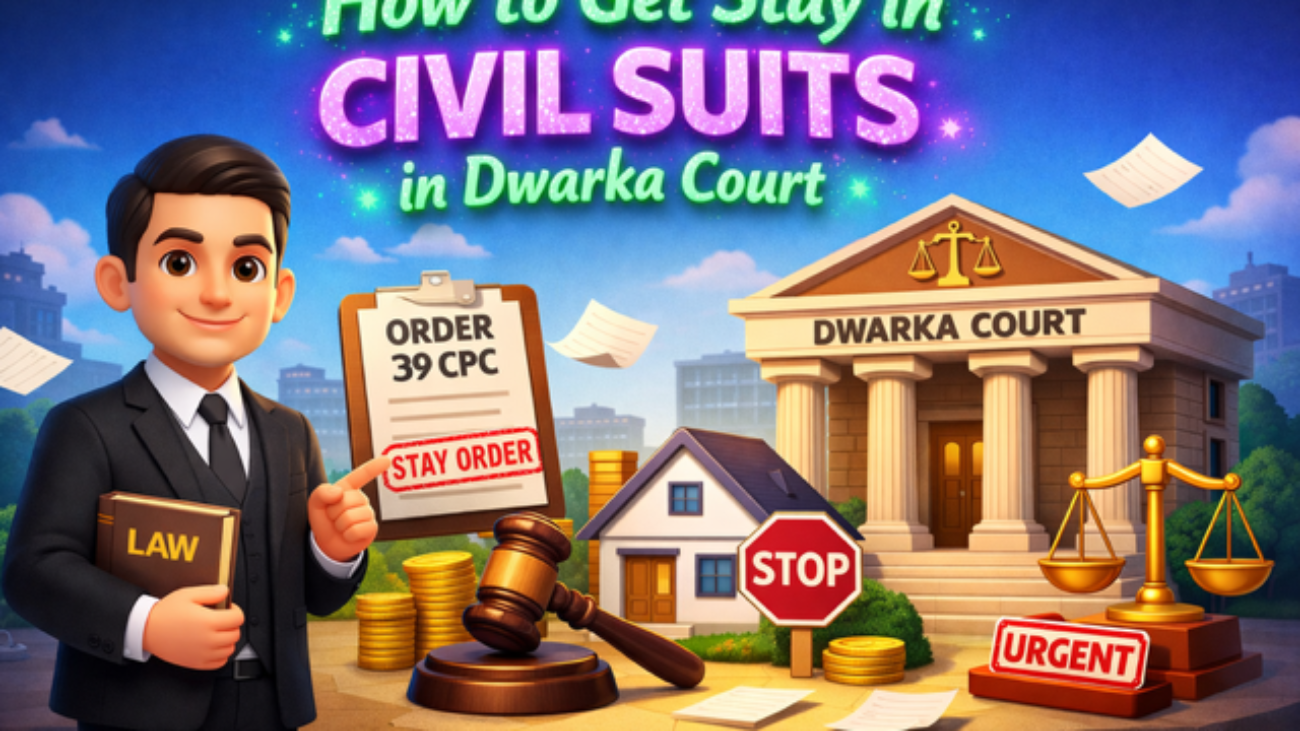
How to Get Stay / Injunction in Civil Suits in District Court, Dwarka – A Practical Guide by an Advocate with 18+ Years’ Experience

⏳ Getting a stay in a civil suit is never easy—especially when urgency is involved.

In my 18+ years of active practice before the District Courts, Dwarka, I have seen that many litigants lose crucial rights simply because they approach the court late, or without proper legal strategy.

A stay or injunction order can protect your property, business, possession, reputation, or contractual rights. However, courts grant such relief only when strict legal conditions are fulfilled. This article explains what a stay is, types of injunctions under CPC, when courts grant stay, urgency factors, and how an experienced legal team can help you succeed.

What is “Stay” in a Civil Suit? ⚖️

A stay in a civil suit means temporary suspension or restraint imposed by the court on a party from doing a particular act until final adjudication of the case.

In simple words:

  • ❌ Stop construction
  • ❌ Stop sale/transfer of property
  • ❌ Stop dispossession
  • ❌ Stop coercive recovery
  • ❌ Stop interference in possession or rights

Stay orders are interim protections, not final relief.

Kinds of Stay / Injunction under the Civil Procedure Code (CPC) 📘

Under Order XXXIX Rules 1 & 2 CPC, the court may grant injunctions in the following forms:

1. Temporary Injunction

🔹 Granted during pendency of suit

🔹 Operates till disposal of suit or further orders

2. Ad-Interim (Ex-Parte) Injunction

⚡ Granted without notice to opposite party

⚡ Only in cases of grave urgency

3. Mandatory Injunction

🔁 Directs a party to undo an act already done

🔁 Granted sparingly in exceptional cases

4. Stay of Proceedings

🛑 Court may stay further proceedings in a suit under Section 10 CPC or inherent powers (Section 151 CPC)

What Makes a Judge Grant Stay in Civil Suits? 🧠

Courts across India—including Dwarka District Courts—follow three golden principles, famously known as the “Triple Test”:

✅ 

1. Prima Facie Case

You must show that:

  • Your claim is legally tenable
  • Documents support your version
  • Suit is not frivolous

Mere allegations are not enough.

✅ 

2. Balance of Convenience

Court examines:

  • Who will suffer greater hardship if stay is refused?
  • Whether refusing stay will make the suit infructuous

✅ 

3. Irreparable Loss

Damage that:

  • Cannot be compensated by money
  • Cannot be reversed later

📌 All three conditions must exist simultaneously.

Urgency: When Courts Grant Immediate Stay ⏱️

Courts may grant urgent or ex-parte stay when:

🔥 Imminent illegal dispossession

🔥 Threat of demolition

🔥 Unauthorized construction

🔥 Sale of disputed property

🔥 Breach of contract causing irreversible loss

🔥 Corporate/shareholding manipulation

🔥 Bank recovery or coercive action

🔥 Violation of legal rights overnight

⚠️ Delay defeats equity. Courts frown upon litigants who sleep over their rights.

Important Supreme Court Judgments (Supra) 📚

🔹 Dalpat Kumar v. Prahlad Singh, (1992) 1 SCC 719

Temporary injunction is discretionary and depends upon prima facie case, balance of convenience & irreparable injury.

🔹 Wander Ltd. v. Antox India, 1990 Supp SCC 727

Appellate courts should not interfere unless discretion is exercised arbitrarily.

🔹 Best Sellers Retail v. Aditya Birla Nuvo, (2012) 6 SCC 792

Injunction cannot be granted merely on sympathy or convenience.

🔹 Zenit Mataplast Pvt. Ltd. v. State of Maharashtra, (2009) 10 SCC 388

Conduct of the plaintiff plays a vital role in grant of injunction.

Common Mistakes Clients Make ❌

🚫 Delayed approach to court

🚫 Weak drafting of plaint

🚫 Suppression of facts

🚫 Lack of documents

🚫 Filing without legal strategy

🚫 Approaching multiple forums improperly

How Our Law Firm Assists You in Getting Stay Orders 🤝

With 18+ years of litigation experience in Dwarka Courts, our firm provides:

✔️ Strategic drafting of plaint & injunction application

✔️ Emergency filings & urgent listings

✔️ Strong oral arguments on urgency

✔️ Proper citation of binding judgments

✔️ Court-wise practical knowledge

✔️ Ethical, transparent legal advice

✔️ Dedicated civil litigation team

📍 We understand which arguments work, how judges assess urgency, and when interim relief is realistically possible.

Why Choose Our Firm in Dwarka? ⭐

🔹 Local Dwarka Court expertise

🔹 Result-oriented civil litigation practice

🔹 Strong drafting + courtroom advocacy

🔹 Client-centric approach

🔹 Fast, effective & legally sound remedies

Your civil rights deserve timely protection, not mere paperwork.

SEO Search Titles 📈

  • How to Get Stay in Civil Suit in Dwarka Court
  • Temporary Injunction in Civil Suits – Advocate Guide
  • Stay Order in Property Disputes Dwarka Court
  • Best Civil Advocate for Injunction in Dwarka

Hashtags 🔍

#CivilSuit #StayOrder #Injunction #DwarkaCourt

#CivilLawIndia #PropertyDispute #Order39CPC

#DistrictCourtDwarka #LegalHelp #CivilAdvocate

#InterimRelief #IndianLaw #LitigationExpert

image0-7

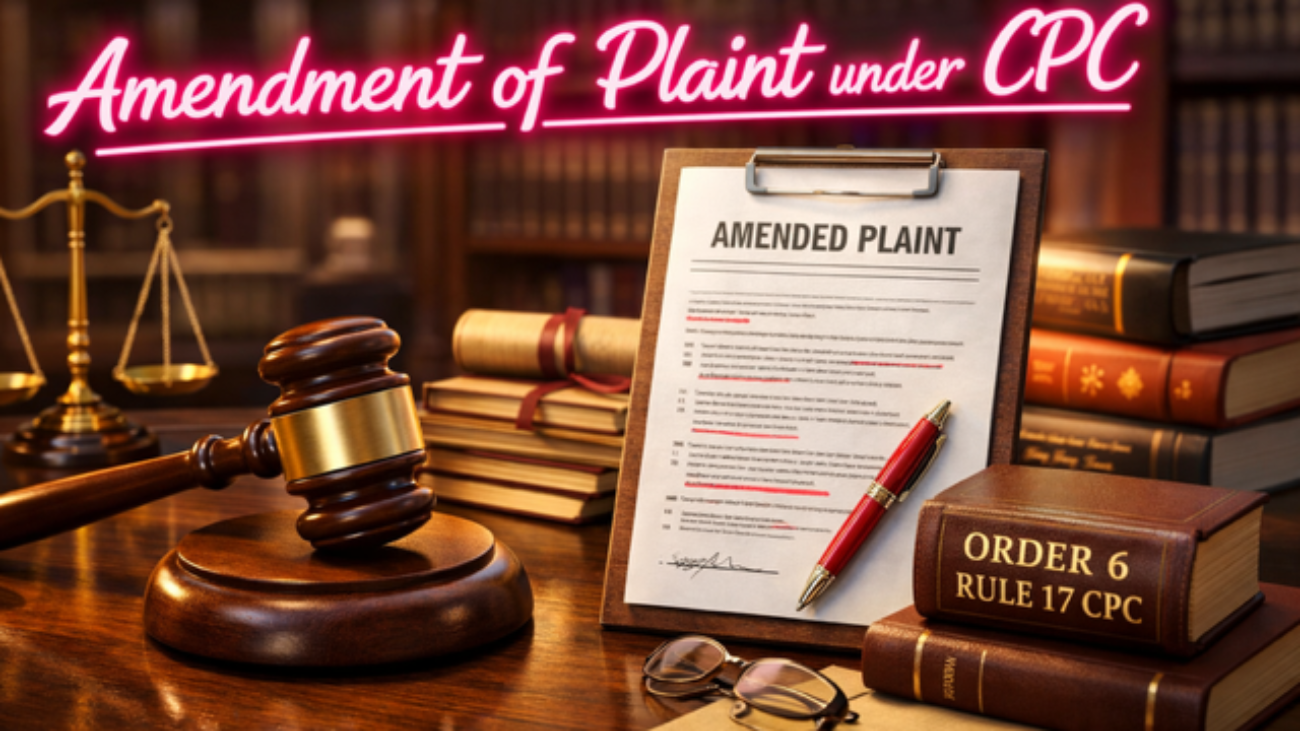
Amendment of Plaint under Civil Procedure Code (CPC) Best Tip

A Practical Guide for Civil Suits Pending in District Court, Dwarka (Sector-10), New Delhi

Introduction

In civil litigation, a plaint is the foundation of your case. It sets out the facts, cause of action, reliefs claimed and the legal rights you seek to enforce. However, litigation is a dynamic process. Facts may come to light later, documents may be discovered, or a genuine mistake may be noticed after filing the suit. To address such situations, the Civil Procedure Code, 1908 provides a mechanism for Amendment of Plaint. Amendment of Plaint under Civil Procedure Code (CPC) By an Advocate with 18+ years of experience in Civil Practice, Dwarka Courts

From my 18+ years of practice in District Courts, especially Dwarka Court, Sector-10, New Delhi, I have seen that a timely and well-drafted amendment application often saves a suit from dismissal and helps in real adjudication of disputes rather than technical defeat.

Meaning of Amendment of Plaint

Amendment of Plaint means making additions, deletions, or alterations in the pleadings originally filed before the court. This may include:

  • Correcting clerical or typographical errors
  • Adding new facts or subsequent events
  • Modifying or clarifying existing pleadings
  • Adding or deleting reliefs
  • Correcting description of parties or properties

The objective is to enable the court to determine the real controversy between the parties.

Legal Provision – Order VI Rule 17 CPC

Amendment of pleadings is governed by Order VI Rule 17 CPC, which states:

“The Court may at any stage of the proceedings allow either party to alter or amend his pleadings in such manner and on such terms as may be just, and all such amendments shall be made as may be necessary for the purpose of determining the real questions in controversy between the parties.”

Proviso (Post-Trial Restriction):

After commencement of trial, amendment shall not be allowed unless the court concludes that despite due diligence, the party could not have raised the matter before the commencement of trial.

When Can a Plaint Be Amended?

Based on settled law and practical court experience in Dwarka Courts:

  1. Before filing of Written Statement – Courts are liberal
  2. Before framing of issues – Amendments are generally allowed
  3. After issues but before evidence – Allowed with reasons
  4. After commencement of trial – Only if due diligence is proved
  5. Subsequent events – Allowed to avoid multiplicity of litigation

Situations Where Amendment is Commonly Allowed

  • Omission of material facts
  • Change or clarification of relief
  • Correction of survey number, property details, dates
  • Incorporation of subsequent cause of action
  • Rectification of drafting mistakes

Situations Where Amendment is Usually Rejected

  • Changing the nature of the suit
  • Introducing a time-barred claim
  • Filling up lacuna after evidence
  • Causing serious prejudice to the opposite party

How to Amend a Plaint in Dwarka Court, Sector-10, New Delhi

Step-by-Step Practical Guide:

  1. Draft an Application under Order VI Rule 17 CPC
  2. Clearly explain:
    • Nature of amendment
    • Reasons for delay (if any)
    • How amendment is necessary to decide real dispute
  3. Attach amended plaint (marked in red or highlighted)
  4. Support with affidavit
  5. Argue the application before the concerned Civil Judge
  6. On allowance, file amended plaint within time granted

Important Supreme Court Judgments (Supra)

1. Revajeetu Builders & Developers v. Narayanaswamy & Sons, (2009) 10 SCC 84

Extract:

Courts must consider whether the amendment is necessary for determining the real controversy and whether it causes injustice or prejudice to the other side.

2. Sampath Kumar v. Ayyakannu, (2002) 7 SCC 559

Extract:

Mere delay is not a ground to refuse amendment if it does not change the basic structure of the suit.

3. Baldev Singh v. Manohar Singh, (2006) 6 SCC 498

Extract:

Amendments should be allowed liberally unless they result in injustice or introduce a new cause of action.

4. Vidyabai v. Padmalatha, (2009) 2 SCC 409

Extract:

After commencement of trial, due diligence becomes mandatory.

Practical Insights from Dwarka Court Practice

From daily civil proceedings in Dwarka Courts:

  • Judges focus on bona fides of the applicant
  • Clear drafting and honest explanation increases chances
  • Courts discourage hyper-technical objections
  • Costs may be imposed to balance equities

Why Amendment is Important for Clients

  • Prevents dismissal on technical grounds
  • Saves time and litigation cost
  • Avoids filing fresh suits
  • Ensures justice on merits

Conclusion

Amendment of plaint is not a weakness but a corrective legal remedy. When used properly under Order VI Rule 17 CPC, it strengthens your case and aligns pleadings with truth and justice. If your civil suit is pending in District Court, Dwarka (Sector-10), seeking timely legal advice from an experienced civil advocate can make the difference between success and failure.

Titles

  • Amendment of Plaint in Dwarka Court Sector-10
  • How to Amend Plaint under CPC in District Court Delhi
  • Order 6 Rule 17 CPC Explained for Civil Suits
  • Amendment of Plaint Procedure in Dwarka Courts
  • Civil Suit Amendment Guide by Dwarka Advocate

Hashtags

#AmendmentOfPlaint

#Order6Rule17CPC

#DwarkaCourt

#CivilSuitDelhi

#DistrictCourtDwarka

#CivilProcedureCode

#LegalGuidance

#DelhiAdvocate

#PlaintAmendment

#CivilLitigation

Consult an experienced advocate to determine the most suitable mode of service based on the facts of your case and court practice.

Contact me for Consultation :- 9899085554, 9811885554

Ankit Gaurav Kainth Advocate, Dwarka Court, Chamber No.728, 7th Floor, Dwarka, New Delhi

https://share.google/4r7kHm3s4da3OS9rS

ChatGPT Image Dec 14, 2025 at 05_37_48 PM

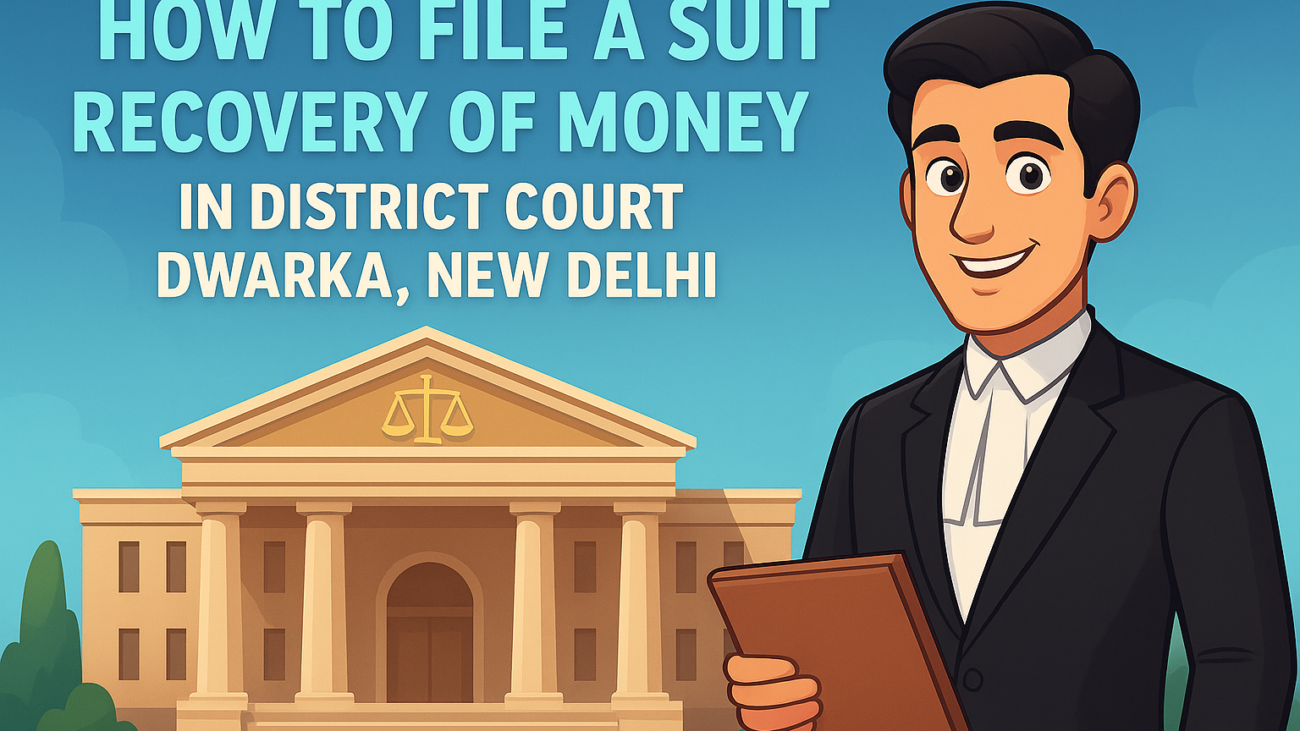
How to File a Suit for Recovery of Money in District Court, Dwarka, New Delhi

A Simple, Practical & Client-Friendly Guide for People Seeking Recovery Through an Experienced Advocate in Dwarka Court, Sector-10, New Delhi


Recovery of money is one of the most common civil disputes in India. Whether it is unpaid friendly loans, business dues, outstanding invoices, dishonoured commitments, or breach of contract—law provides an effective remedy through a Suit for Recovery of Money.

If you are planning to file a recovery suit in District Court, Dwarka, New Delhi, this detailed guide will help you understand the entire process step-by-step, the time involved, the court fees, the jurisdiction up to ₹2 Crores, and why engaging an experienced Dwarka Court advocate makes a real difference ⚖️


📍 Jurisdiction of Dwarka Court for Recovery Suits

Dwarka Court is a District Court having jurisdiction over South-West Delhi. You can file a Suit for Recovery of Money in Dwarka Court if:

✅ The defendant resides or carries on business within Dwarka jurisdiction
✅ The cause of action (transaction, agreement, payment) arose within Dwarka
✅ The amount claimed falls within the pecuniary jurisdiction

💰 Pecuniary Jurisdiction

  • Recovery suits up to ₹2 Crores can be filed before the District Courts at Dwarka
  • Suits beyond this limit are filed before the High Court

📂 What Is a Suit for Recovery of Money?

Suit for Recovery of Money is a civil action filed under the Code of Civil Procedure, 1908 (CPC), where a person (plaintiff) seeks a decree directing the other party (defendant) to pay a legally recoverable amount along with interest and costs.

Common examples:

  • Friendly loan not returned
  • Business dues / unpaid invoices
  • Recovery based on written agreements
  • Recovery from breach of contract
  • Outstanding professional fees

🪜 Step-by-Step Process to File a Recovery Suit in Dwarka Court

📝 Step 1: Consultation with an Experienced Advocate

Before filing, your advocate will:

  • Examine documents
  • Check limitation period
  • Decide correct court & jurisdiction
  • Calculate court fees
  • Advise on mediation or direct litigation

👉 This step itself saves time and avoids rejection or delay.


📄 Step 2: Collection of Documents

Important documents include:

  • Loan agreement / written contract
  • Promissory notes
  • Invoices & bills
  • Bank statements
  • Cheques (if any)
  • Legal notice (if already sent)

📌 Even oral transactions can be proved with supporting evidence and witnesses.


✍️ Step 3: Drafting of Plaint

The plaint is the backbone of your case and must clearly mention:

  • Facts of the transaction
  • Amount due
  • Cause of action
  • Jurisdiction of Dwarka Court
  • Relief claimed (principal + interest + costs)

⚠️ Poor drafting can delay or weaken the case. This is where experience matters most.


💵 Step 4: Court Fees

Court fee in recovery suits is ad valorem (based on the amount claimed).

🔹 The exact court fee depends on:

  • Amount claimed
  • Delhi Court Fees Act

Your advocate will calculate and ensure correct payment, as wrong court fees can lead to objections and delays.


🏛️ Step 5: Filing & Registration in Dwarka Court

Once filed:

  • Case is registered
  • Case number is generated
  • Matter is listed before the concerned Civil Judge / District Judge / ADJ, depending on valuation

📬 Step 6: Summons to Defendant

Court issues summons to the defendant to:

  • Appear before court
  • File written statement

Failure to appear may lead to ex-parte proceedings.


⚖️ Step 7: Evidence & Trial

  • Plaintiff evidence
  • Cross-examination
  • Defendant evidence
  • Final arguments

After completion, the court passes a judgment & decree.


⏳ How Much Time Does a Recovery Suit Take in Dwarka Court?

🕒 Normal Timeline

  • Usually 1 to 2 years in a normal course

⚡ With an Experienced Advocate

✔ Proper drafting
✔ Correct jurisdiction
✔ Strategic case handling
✔ Effective arguments

👉 Time can be reduced, and in many cases, early relief or settlement is possible.


🤝 Role of Mediation in Recovery Suits

Mediation is a highly effective and practical option once the suit is filed.

Benefits of Mediation:

  • Faster resolution
  • Cost-effective
  • Confidential
  • Preserves relationships
  • Court-assisted settlement

📌 Dwarka Court has a Mediation Centre, and many recovery cases are successfully resolved there once the defendant realises the seriousness of litigation.


⚠️ Why You Need an Experienced Advocate in Dwarka Court

Recovery suits are not just about filing papers—they are about strategy, timing, and court practice.

An experienced Dwarka Court advocate:

  • Knows court procedures & judges’ expectations
  • Avoids unnecessary adjournments
  • Uses mediation effectively
  • Drafts strong pleadings
  • Pushes for early hearing & compliance

📉 An inexperienced or non-local lawyer may unknowingly delay your own recovery.


👨‍⚖️ How Our Firm Assists You in Recovery Matters

With 18+ years of experience in handling civil and recovery matters before Dwarka District Court, Sector-10, our firm provides:

✔ Case evaluation & legal opinion
✔ Drafting & filing of recovery suits up to ₹2 Crores
✔ Court representation at all stages
✔ Mediation & settlement assistance
✔ Execution of decree for actual recovery

We believe recovery of money should be swift, strategic, and legally sound.


📌 Important Points Clients Should Remember

  • Limitation period is crucial (generally 3 years)
  • Documents matter—but absence of documents is not always fatal
  • Correct court & advocate save time and money
  • Mediation can give faster results than full trial
  • Execution of decree is as important as judgment

🏁 Conclusion

If someone owes you money and is avoiding payment, law provides you a strong and effective remedy through a Suit for Recovery of Money in Dwarka Court, New Delhi.

With the right legal guidance, experienced drafting, and strategic representation, recovery suits can be decided faster, and you may even get relief earlier than expected.

Choosing an experienced advocate in Dwarka Court is not an expense—it is an investment towards timely justice and financial recovery ⚖️


🔎 SEO Search Titles

  • How to File Recovery Suit in Dwarka Court New Delhi
  • Suit for Recovery of Money in District Court Dwarka – Complete Guide
  • Best Advocate for Recovery of Money in Dwarka Court

🏷️ Hashtags

#RecoveryOfMoney
#DwarkaCourt
#DwarkaCourtAdvocate
#RecoverySuit
#CivilLitigation
#DistrictCourtDwarka
#MoneyRecoveryLawyer
#ExperiencedAdvocateDwarka
#MediationInCourt
#LegalRecovery

Consult an experienced advocate to determine the most suitable mode of service based on the facts of your case and court practice.

Contact me for Consultation :- 9899085554, 9811885554

Ankit Gaurav Kainth Advocate, Dwarka Court, Chamber No.728, 7th Floor, Dwarka, New Delhi

https://share.google/4r7kHm3s4da3OS9rS

7A6683F4-6584-4897-AF86-92FD42317565

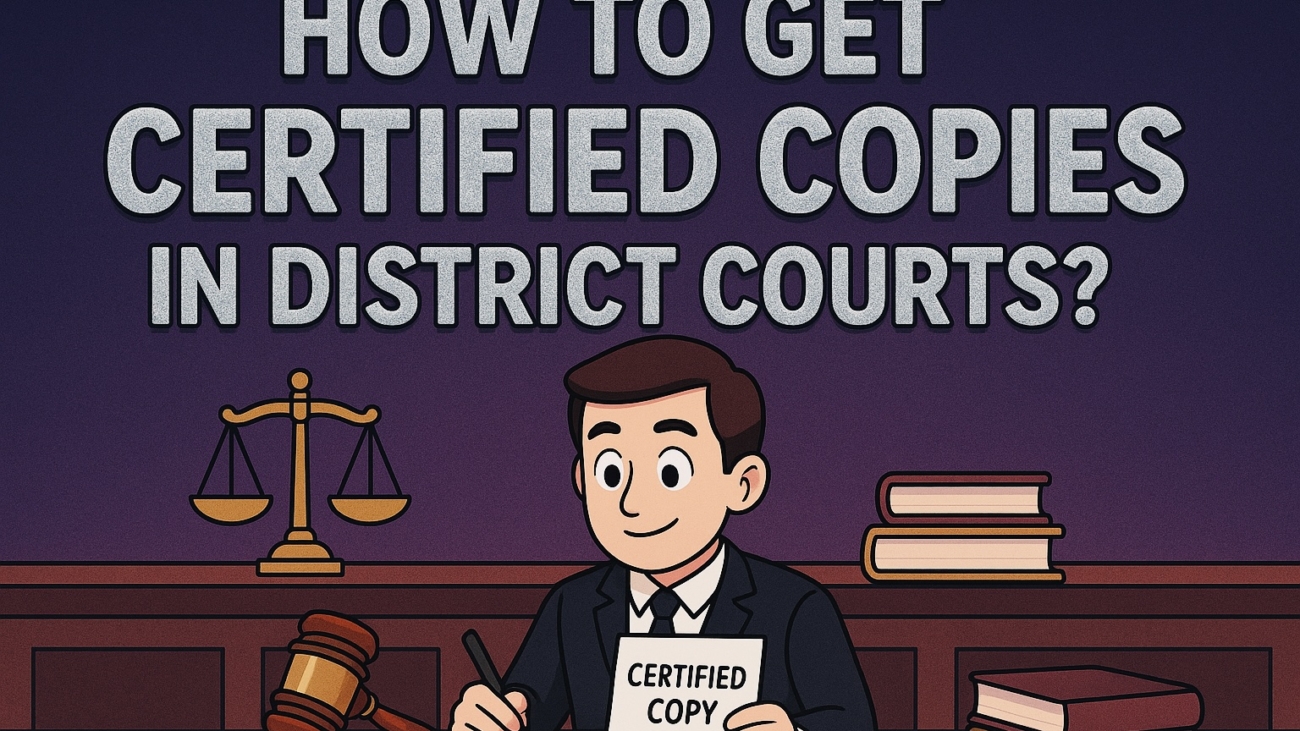
**📄 How to Get Certified Copies in District Courts?

A Practical Guide From 18+ Years of Courtroom Experience**

If you spend enough time in court corridors, you’ll realise one eternal truth—a certified copy seems useless… until you urgently need one.

It looks like a simple, clerk-level formality, but when you are preparing a bail application in Sessions Court, or drafting a criminal appeal before the High Court, suddenly this “simple” document becomes the single biggest hurdle.

In my 18+ years of practice, I have seen young advocates, litigants and even seasoned practitioners run from one window to another, chasing the Copying Agency like it’s the final lifeboat on a sinking ship. And the irony is—99% of delays happen not because the court staff is slow, but because the application form is filled incorrectly.

This blog breaks down the right procedure, common mistakes, and how my trained associates assist clients and advocates in getting copies quickly, smoothly and without objections.

Why Certified Copies Matter So Much?

A certified copy is not just a photocopy. It is the official, court-verified, seal-marked document that higher courts rely upon. It becomes essential for:

  • Bail applications
  • Criminal revision/appeals
  • Stay applications
  • Execution proceedings
  • Transfer petitions
  • Civil appeals
  • Filing complaints before specialised tribunals

Missing a certified copy can mean delay of weeks, adjournments, and sometimes loss of liberty for the accused. I have seen situations where a bail plea could not be moved on time because a simple order sheet copy wasn’t ready. That’s when the “simple” becomes the “critical.”

The Procedure: How to Apply For a Certified Copy Correctly

1. Identify the Exact Document Needed

This step is often ignored. You must know precisely what you need:

  • Order sheet
  • Judgment
  • Evidence (PW/DW statements)
  • Application or reply
  • FIR, charge-sheet, complaint
  • Daily order
  • Any exhibited document

🚫 Never write vague descriptions like “all documents.”

This immediately triggers an objection.

2. Fill the Certified Copy Application Form Completely

This is where 90% people go wrong.

Every column matters:

  • Case number (criminal/civil)
  • CNR number
  • Names of parties
  • Date of order
  • Judge’s name
  • Whether urgent or ordinary
  • Whether copy is for filing or personal use
  • Whether inspection done
  • Document name and page number

A missing detail = objection.

An objection = delay.

I’ve seen applicants waste 3–5 days because they forgot to write the judge’s name or mis-typed the order date.

3. Attach the Required Court Fee

Each court has its own fee schedule. If the fee is short, the copy will not even move ahead for processing. My office routinely checks fee charts so that the application is never returned.

4. Mark Urgent or Non-Urgent

Urgent copies can be issued within 24 hours or same day (depending on court rules), but only if:

  • Urgent fee is paid
  • Reason is specified
  • The document is identifiable and traceable

If you mark urgent but submit a half-filled form, you will simply waste both time and money.

5. Track the Status at the Copying Agency

Once filed, the application gets a Copying Agency Receipt Number.

Always note it carefully.

Copies move through:

  • Filing
  • Scrutiny
  • Calculation of pages
  • Typing/Scanning
  • Verification
  • Seal/Signature
  • Delivery counter

Any stage can get stuck if details are missing.

6. Collect the Copy With the Original Receipt

No receipt = no copy.

I have seen litigants panic because they misplaced the receipt, and the court will not release documents without proper identification.

Why Every Column Matters So Much?

Courts deal with thousands of cases daily.

The staff does not have time to “guess” what document you want.

A wrongly written case number or order date can lead to:

  • The staff searching in the wrong file
  • File not traceable remarks
  • Unnecessary delays of days or weeks
  • Application being put under “objection”
  • Fresh filing required
  • Urgent fee wasted

A careless 30 seconds at the desk can cost someone their bail hearing.

How My Associates Help You—The Hassle-Free Process

With 18+ years of practice across multiple district courts, High Court and appellate forums, I have trained my associates to understand the importance of documentation discipline.

We assist clients and advocates by:

✔ Identifying the exact document required

✔ Filling every column accurately

✔ Ensuring correct fee is attached

✔ Marking urgent applications properly

✔ Doing file inspection where needed

✔ Dealing with scrutiny objections instantly

✔ Tracking the CA number from filing to delivery

✔ Collecting the certified copy on the earliest possible date

✔ Sending soft scanned copies immediately to the client

This saves time, money and stress, especially in urgent bail or appeal matters.

Common Mistakes That Cause Unnecessary Delays

❌ Writing wrong case number

❌ Mentioning wrong order date

❌ Not attaching page details

❌ Forgetting judge’s name

❌ Not paying the right fee

❌ Asking for “entire file” without clarity

❌ Misplacing the receipt

❌ Not doing inspection before applying

Each of these triggers objections, and objections turn a one-day job into a one-week problem.

Final Advice from Experience

A certified copy is the backbone of many legal proceedings.

“Small steps create big consequences” is the unwritten rule of court practice.

Treat the certified copy process as seriously as drafting your petition.

It saves adjournments, saves money, and sometimes—saves liberty.

Whenever you need a copy urgently, contact us.

My team and I ensure you get it accurately, timely and without the running-around that most litigants fear.

SEO Title

“How to Get Certified Copies in District Courts: Complete Procedure, Tips & Urgent Copy Guide”

Hashtags

#CertifiedCopy #DistrictCourtProcedure #LegalGuideIndia #CourtProcess #AdvocateTips #UrgentCopy #LegalDocumentation #IndianCourts

Consult an experienced advocate to determine the most suitable mode of service based on the facts of your case and court practice.

Contact me for Consultation :- 9899085554, 9811885554

Ankit Gaurav Kainth Advocate, Dwarka Court, Chamber No.728, 7th Floor, Dwarka, New Delhi

https://share.google/4r7kHm3s4da3OS9rS

4E9F6223-25E2-454F-834B-47C7E1943EA8

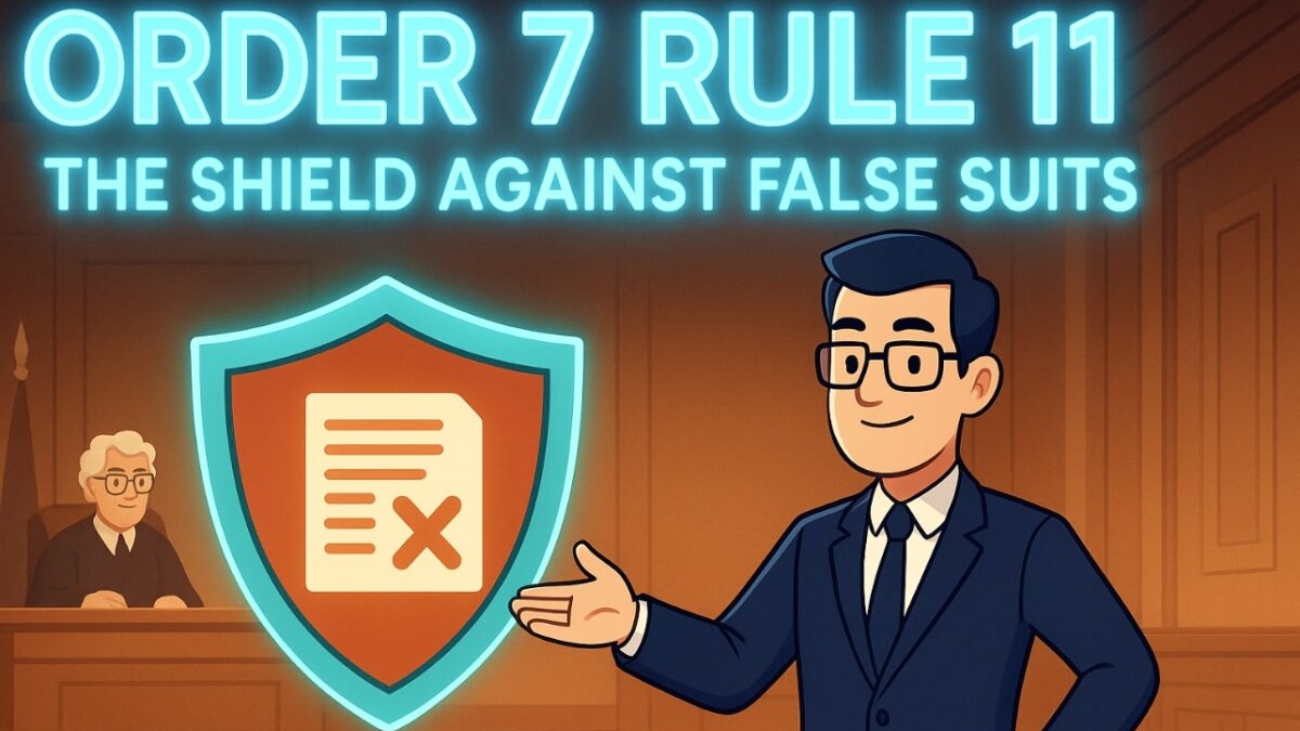
Order 7 Rule 11 – The Most Important Filter in Civil Procedure Code-How to use this in District Court Dwarka, New Delhi

Order 7 Rule 11 CPC – A Powerful Remedy to Reject a Civil Suit | Complete Guide

Order 7 Rule 11 CPC, rejection of plaint, frivolous civil suit, how to file O7R11, Dwarka Court Delhi, civil procedure code, reject suit for no cause of action, legal remedy against false suit

Detailed and practical guide on Order 7 Rule 11 CPC—its importance, usage, filing procedure in Dwarka Courts, and top Supreme Court judgments. Ideal for clients facing false or baseless civil cases.

Introduction

In my 18+ years of civil litigation, one provision that has consistently proven to be the sharpest shield for a defendant is Order 7 Rule 11 of the Civil Procedure Code (CPC).

It is not merely a technical section—it is a powerful safeguard to prevent frivolous, deceptive, non-maintainable or legally dead suits from wasting the court’s time and the defendant’s money, energy and peace.

This provision allows a court to reject a plaint at the very threshold, even before trial, if it does not disclose a valid cause of action or is barred by law.

What is Order 7 Rule 11 CPC? (Explained Simply)

Order 7 Rule 11 empowers the court to reject a plaint if it falls under any of these categories:

  1. No cause of action disclosed
  2. Relief undervalued and plaintiff fails to correct it
  3. Insufficient court fee, not cured after court’s order
  4. Suit barred by any law – limitation, statutory bar, jurisdiction issues
  5. Plaint filed in duplicate not submitted
  6. Plaint is vague, illusory or meaningless

This means the court can dismiss such a suit without calling witnesses or starting trial.

Why Order 7 Rule 11 Is Extremely Important?

✔ Saves the defendant from long years of litigation

✔ Stops misuse of court process

✔ Keeps judiciary efficient by removing frivolous suits

✔ Protects genuine litigants by ensuring court time is not wasted

✔ Gives immediate relief if the suit itself is defective or legally barred

In real practice, many plaintiffs file suits only to create pressure, gain bargaining advantage, or drag the defendant to court unnecessarily.

Order 7 Rule 11 is the antidote to such misuse.

My Perspective After 18+ Years of Advocacy

With nearly two decades in civil courts including Dwarka District Court, I can say:

  • Courts do not reject suits lightly.
  • A well-drafted O7R11 application with proper legal grounds impresses the court.
  • The defendant must use it only when the suit is truly non-maintainable, not as a delaying tactic.
  • Filing it at the right stage and under the right circumstances often changes the entire case strategy.

A balanced approach is essential:

Use this provision as a shield, not a sword.

When Should You Use Order 7 Rule 11? (Practical Guide)

You should use O7R11 when:

1. The plaint shows no cause of action

Many suits are drafted with emotional narrative but no legal cause of action.

If the plaint itself shows the plaintiff has no right, O7R11 is ideal.

2. The suit is hopelessly barred by limitation

If dates mentioned in the plaint show the suit is filed too late, the court must reject it.

3. Suit is filed to harass the defendant

Property disputes, injunction suits, partnership disputes often include vague or false pleading.

4. Suit is barred under any special statute

Examples:

  • Benami Prohibition Act
  • Specific Relief Act provisions
  • Delhi Rent Control Act
  • SARFAESI Act

5. No court fee / wrong valuation

If the plaintiff undervalues the relief, he must correct it or face O7R11.

How to File Order 7 Rule 11 Application in Dwarka District Court (Step-by-Step)

1. Drafting

Your advocate prepares a detailed application stating:

  • Grounds for rejection
  • Relevant statutory provisions
  • Supporting case laws
  • Extracts from plaint showing defects

2. Attachments

  • Copy of plaint
  • Documents relied on by plaintiff
  • Supporting judgments

3. Filing Section

The application is filed at the Filing Counter (Ground Floor) of Dwarka Courts.

4. Scrutiny & Listing

  • After scrutiny, it is listed before the court where the main suit is pending.
  • The court issues notice to the plaintiff.

5. Arguments

Arguments focus strictly on plaint allegations, because for O7R11, the court only examines the plaint—not your defence.

6. Court Order

If the court accepts the grounds:

→ Plaint is rejected

→ Defendant is relieved from the entire litigation

A certified copy can be taken immediately after the order for future use.

Top Supreme Court Judgments on Order 7 Rule 11 (Supra)

1. T. Arivandandam v. T.V. Satyapal (1977) 4 SCC 467

Supreme Court directed trial courts to strike out frivolous and vexatious suits at the threshold.

2. Sopan Sukhdeo Sable v. Assistant Charity Commissioner (2004) 3 SCC 137

Held that for O7R11, only plaint averments are considered, not defence.

3. Kamala v. K.T. Eshwara Sa (2008) 12 SCC 661

O7R11 can be invoked at any stage of the proceedings.

4. Church of Christ Charitable Trust v. Ponniamman Educational Trust (2012) 8 SCC 706

If suit is barred by limitation on the face of plaint → mandatory rejection.

5. Dahiben v. Arvindbhai Kalyanji Bhanusali (2020) 7 SCC 366

Plaint with illusory cause of action must be rejected.

6. Saleem Bhai v. State of Maharashtra (2003) 1 SCC 557

Court must not consider evidence at this stage.

Conclusion

Order 7 Rule 11 is not about “winning quickly”—

it is about preventing unjustified litigation from beginning at all.

As a defence tool, it is often underused by clients, mainly because they do not know such a strong legal remedy exists.

For defendants in Dwarka Courts or anywhere in India:

If the suit filed against you seems false, time-barred, or legally unsustainable—

O7R11 may provide immediate relief and save years of litigation.

Consult an experienced advocate to determine the most suitable mode of service based on the facts of your case and court practice.

Contact me for Consultation :- 9899085554, 9811885554

Ankit Gaurav Kainth Advocate, Dwarka Court, Chamber No.728, 7th Floor, Dwarka, New Delhi

https://share.google/4r7kHm3s4da3OS9rS

https://www.instagram.com/reel/DRrwtE6iS3q/?utm_source=ig_web_copy_link&igsh=MzRlODBiNWFlZA==

0699CDF6-CAD4-489B-96A2-799E18C2E9AB

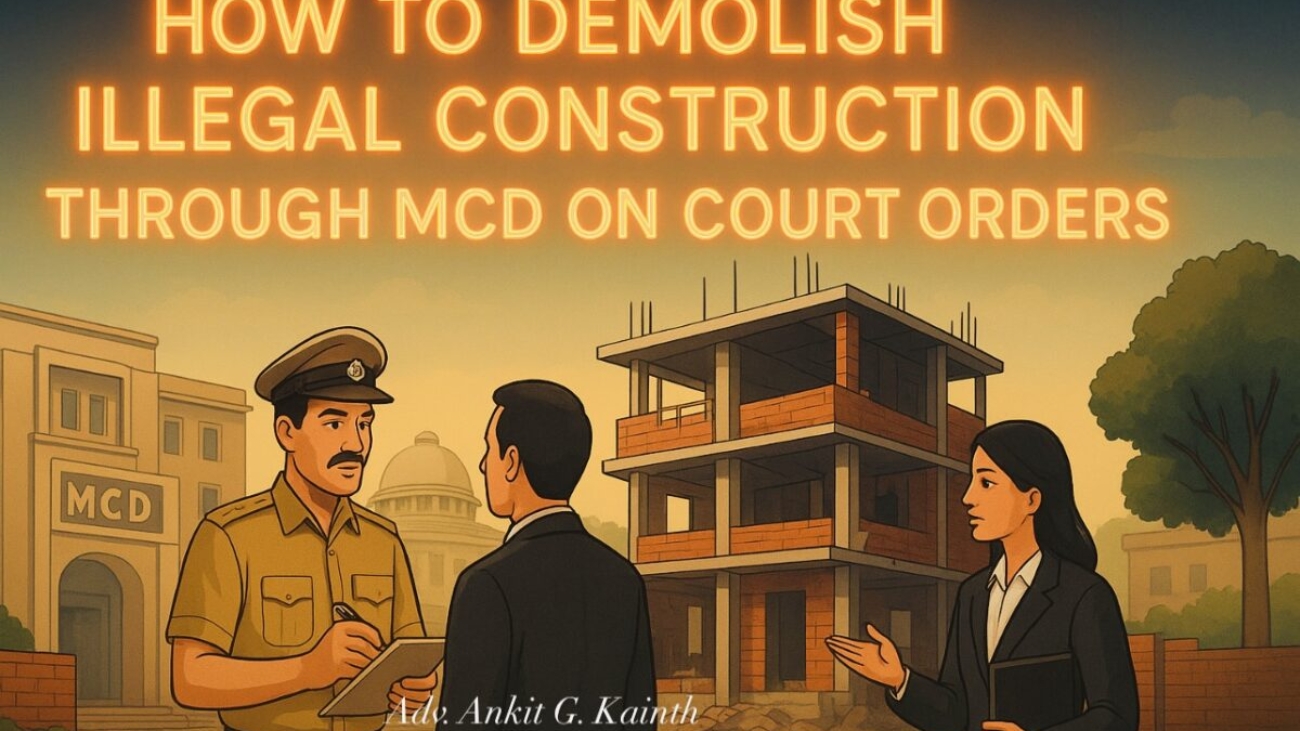
🚧 How to Get Illegal Construction Demolished Through MCD on Court Directions — A Complete Guide for Dwarka Court Litigants

Blog By Civil Advocate in Dwarka Court with 18+ years of Practical Knowledge in New Delhi.

Illegal construction has become one of the biggest civic challenges in New Delhi. Every lane has at least one neighbour raising extra floors, covering balconies, extending walls, or encroaching public spaces—completely ignoring safety norms and municipal laws. After working for more than 18+ years in Civil & Criminal litigation in District Courts & Delhi High Court, I can confidently say one thing:

Courts take illegal construction very seriously — and the law is completely on your side.

If your neighbour has raised an illegal structure, you can get it demolished. The process is systematic, legally strong, and absolutely effective when done correctly.

Why Illegal Construction Is Treated So Strictly

Illegal construction affects:

  • Structural safety of neighbouring buildings
  • Ventilation & sunlight
  • Fire safety and evacuation
  • Property valuation
  • Public pathways and civic amenities

This is why both MCD and Courts treat such violations as a zero-tolerance issue.

Step-by-Step Legal Procedure to Get Illegal Construction Removed

1️⃣ File a Complaint Before MCD (Chairman + Area Executive Engineer)

Your first mandatory step is to file a written complaint with:

  • MCD Chairman
  • Executive Engineer (Building) of your Zone
  • Copy to Deputy Commissioner

Why this is required?

Under municipal rules, MCD gets 90 days to inspect the property, issue notices under Section 343/344 DMC Act, and take demolition action.

Important Tip:

Always file complaints:

✔️ By speed post

✔️ Through online MCD portal

✔️ Maintain photocopies & receipts

These documents become crucial evidence in Court.

2️⃣ After 90 Days, You Have Two Remedies

(A) File a Writ of Mandamus in Delhi High Court

You can approach High Court seeking directions to MCD to:

  • Conduct inspection
  • Pass demolition orders
  • Remove the illegal structure

High Court is extremely strict on illegal construction and often issues time-bound directions to MCD.

(B) File a Suit Before Civil Court, Dwarka

In many cases, a Civil Suit is the more suitable and immediate remedy.

You may file:

  • Suit for Mandatory Injunction (for demolition)
  • Suit for Permanent Injunction (to restrain further construction)
  • Suit for Declaration (if property rights need clarification)

Dwarka District Court has repeatedly passed strong orders directing demolition and restraining illegal constructions.

3️⃣ Urgent Situations — Waiver of 90 Days Waiting Period

If the construction is:

  • Happening rapidly
  • Causing structural threat
  • Blocking light/air
  • Causing privacy issues
  • Endangering your property

…you are entitled to apply for waiver of 90-day MCD waiting period.

Courts may grant urgent interim relief like:

  • Stay on further construction
  • Immediate inspection by MCD
  • Status-quo orders
  • Time-bound demolition directions

You only need to provide justified reasons in writing.

My 18+ Years of Practical Courtroom Experience

From my practice in District Courts & Delhi High Court, I have observed that:

  • Courts are extremely fair and balanced.
  • MCD is bound to follow Court orders—no excuses.
  • Illegal construction cases move quickly when filed properly.
  • Documentary proof and timely complaints make the case strong.
  • Justice is always delivered, even if delayed.

Procedure is simple, effective, and 100% result oriented — never lose hope.

5 Supra Judgments on Illegal Construction & Demolition

1️⃣ M.I. Builders Pvt. Ltd. v. Radhey Shyam, (1999) 6 SCC 464

Relevance:

Supreme Court held that no authority can allow illegal construction; demolition is the rightful remedy to restore rule of law.

2️⃣ Friends Colony Development Committee v. State of Orissa, (2004) 8 SCC 733

Relevance:

Court emphasized strict action against builders violating sanctioned plans; illegal structures must be removed irrespective of investment.

3️⃣ Dipak Kumar Mukherjee v. Kolkata Municipal Corp., (2013) 5 SCC 336

Relevance:

SC directed Municipal authorities to act immediately against illegal construction without waiting for complaints.

4️⃣ Delhi Development Authority v. Skipper Construction, (1996) 4 SCC 622

Relevance:

Courts may pass harsh directions, including demolition, if construction violates building norms or misuses permissions.

5️⃣ A.P. Pollution Control Board v. Prof. M.V. Nayudu, (1999) 2 SCC 718

Relevance:

Reinforces the principle that environmental and structural safety must prevail over individual convenience — illegal structures must be removed.

  • How to Stop Illegal Construction by Neighbour in Delhi
  • How to Demolish Illegal Building Through Court Orders
  • MCD Demolition Procedure Explained
  • Dwarka Court Guide for Civil Suits on Illegal Construction
  • Mandatory Injunction Suits for Removing Illegal Construction

“How to Get Illegal Construction Demolished Through MCD on Court Orders – Complete Guide for Dwarka Court Litigants”

#IllegalConstruction #MCDActions #DwarkaCourt #DelhiHighCourt #CivilLitigation #PropertyLaw #DemolitionOrders #MandatoryInjunction #NeighbourDisputes #LegalAdviceDelhi

Consult an experienced advocate to determine the most suitable mode of service based on the facts of your case and court practice.

Contact me for Consultation :- 9899085554, 9811885554

Ankit Gaurav Kainth Advocate, Dwarka Court, Chamber No.728, 7th Floor, Dwarka, New Delhi

https://share.google/4r7kHm3s4da3OS9rS

Follow us for more Legal & Recent Updates :-