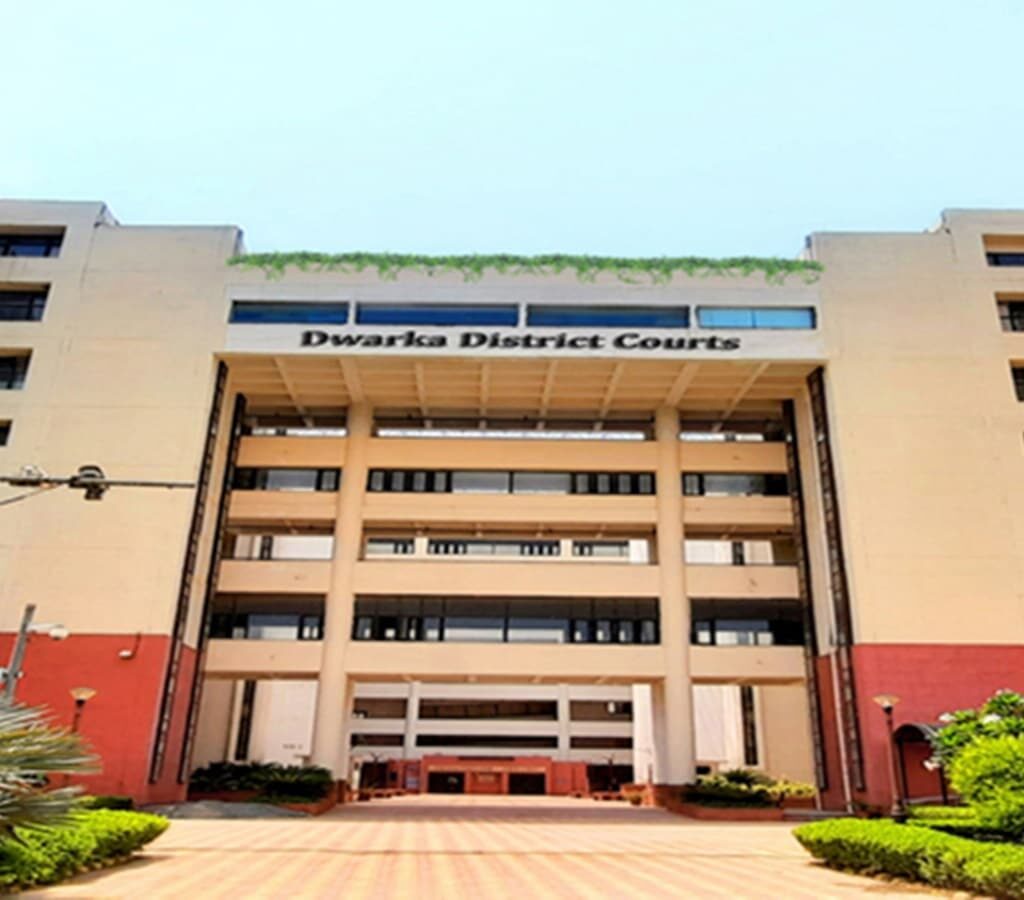

96DB7A6B-F1A8-4E1A-A7AD-F759781796F6

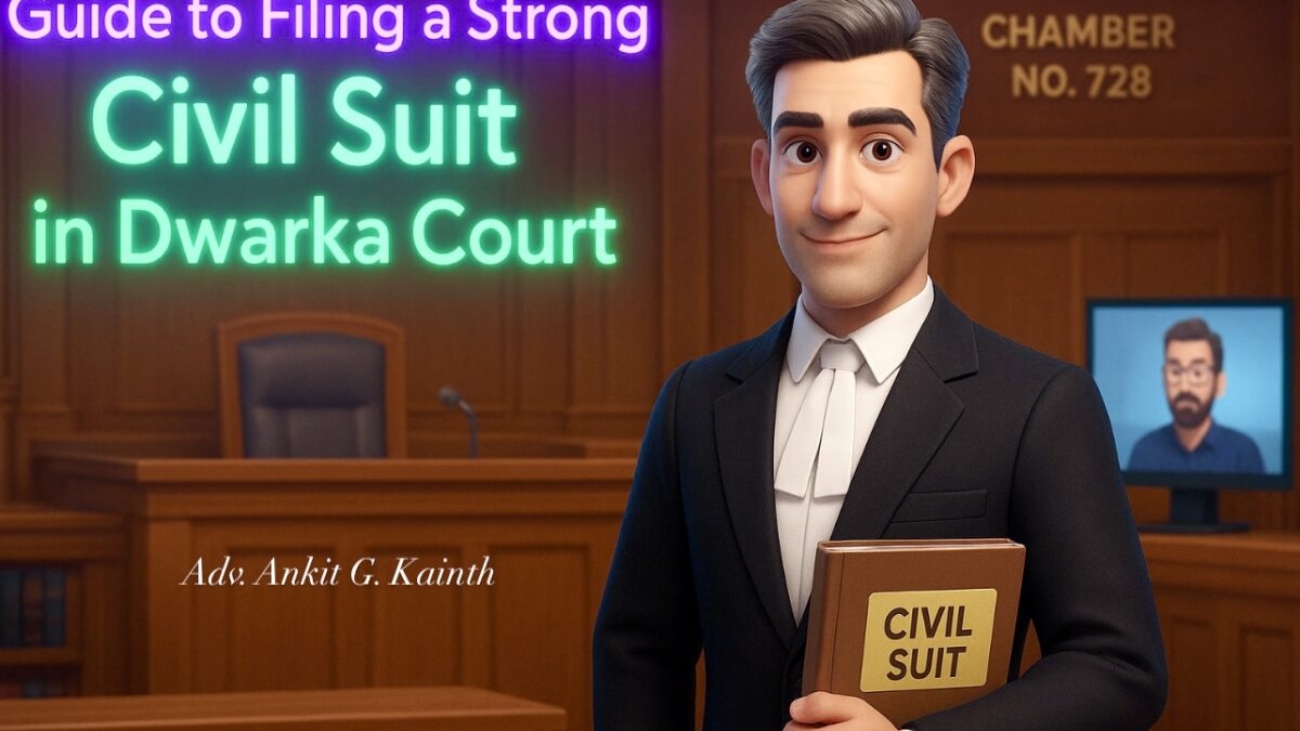
How to File a Good, Balanced & Effective Civil Suit in District Court Dwarka, New Delhi – A Complete Guide

Filing a civil suit may appear simple on the surface, but presenting a well-structured, balanced, legally sound and persuasive case requires deep understanding, precise drafting and practical courtroom experience. In a metropolitan city like Delhi, especially at District Court Dwarka, the standard of civil litigation has risen tremendously with improved infrastructure, digital platforms, and hybrid hearings.

Today, courts have adopted Virtual Hearings for civil matters—an absolute boon for litigants, lawyers and judges. NRIs, out-station clients, senior citizens, working professionals and individuals living far away can now file civil suits and attend hearings through VC without physically visiting the court. This shift has made justice more accessible, efficient and time-saving.

After more than 18+ years of experience, one thing is absolutely clear:

Clients win when their advocate takes a stand for them.

A determined, honest and skilled advocate can change the entire direction of a civil case. Nothing is impossible inside a courtroom when you are genuinely seeking justice and your lawyer is ready to fight for your rights.

Why Civil Suits Require Strategic Drafting & Balanced Presentation

Civil litigation is not only about filing a plaint. It involves:

  • Understanding cause of action
  • Choosing correct jurisdiction
  • Drafting the plaint with legal reasoning
  • Attaching relevant documents
  • Seeking appropriate reliefs
  • Maintaining balance between facts, law and evidence
  • Filing applications (Order 39 Rule 1 & 2, Order 7 Rule 14, Order 6 Rule 17, etc.)
  • Leading plaintiff evidence
  • Cross-examining defendant’s witnesses
  • Presenting final arguments

A well-drafted plaint itself decides half the case. A balanced plaint is neither exaggerated nor under-stated—it is compelling, factual, chronological and supported by documents.

Can You Win a Civil Case Through Speedy Trial? Absolutely—If You Don’t Waste Dates

In civil litigation, speedy disposal is possible, provided:

  • Your advocate does not seek unnecessary adjournments
  • Evidence is ready before each hearing
  • Documents are filed on time
  • Summons, service and process are monitored correctly
  • Your lawyer is prepared for every stage
  • Cross-examination is not delayed
  • Final arguments are delivered with precision

The court always appreciates proactive advocates who are organized, punctual and prepared.

If your lawyer never wastes dates, maintains momentum and pushes the matter forward, the chances of securing a Decree increase significantly.

Guide: How to File a Good & Balanced Civil Suit in Dwarka Court

Below is a step-by-step guide for litigants who want to file a proper civil suit that stands strong throughout the trial:

1. Identify the Correct Cause of Action

Every civil suit must arise from a clear legal cause of action.

Examples:

  • Recovery of money
  • Possession & injunction
  • Partition & declaration
  • Damages & compensation
  • Breach of contract
  • Easement & property disputes

A vague or poorly defined cause of action can weaken the entire case.

2. Choose the Correct Jurisdiction in Dwarka Court

Jurisdiction depends on:

  • Location of property
  • Place of transaction
  • Residence of defendant
  • Pecuniary value

Wrong jurisdiction = case dismissed.

3. Draft a Strong, Clear & Balanced Plaint

A good plaint contains:

  • Clear timeline
  • Precise facts
  • Legal grounds
  • Evidence references
  • Reliefs properly framed
  • Valuation & court fee
  • Supporting documents

This is where an experienced civil advocate makes a massive difference.

4. Attach All Essential Documents

Every document supporting your case must be filed along with the plaint:

  • Agreements
  • Receipts
  • Emails & WhatsApp chats
  • Bank statements
  • Photographs
  • NOCs
  • Notices & replies

Documents are the backbone of civil litigation.

5. File Interim Applications (If Needed)

Civil suits often require urgent reliefs.

E.g.:

  • Order 39 Rule 1 & 2 (Stay / Injunction)
  • Order 40 (Appointment of Receiver)
  • Order 6 Rule 17 (Amendment)

Immediate protective orders safeguard your rights during the trial.

6. Ensure Proper Service of Summons

Civil cases slow down mainly because summons aren’t served properly.

Your advocate must actively:

  • Track service reports
  • Use speed post, courier, WhatsApp service (if permitted)
  • File process fee on time
  • Seek substituted service if necessary

7. Lead Strong Plaintiff Evidence

Your plaintiff evidence should be:

  • Consistent
  • Documentary supported
  • Chronologically presented
  • Confidently testified

A single contradiction can weaken years of preparation.

8. Prepare for Powerful Cross-Examination

Cross-examination is where civil cases turn.

A skilled advocate can:

  • Expose contradictions
  • Break false defences
  • Strengthen your claim
  • Establish credibility

Cross-examination is an art mastered only through years of trial practice.

9. Present Focused Final Arguments

Final arguments must be:

  • Logical
  • Legally supported
  • Evidence-based
  • Precise
  • Persuasive

A good argument ties the entire case together and leads to Decree & Victory.

How to Choose a Good & Experienced Civil Advocate in District Court Dwarka

Here are the most important factors clients should consider:

1. Prefer a Dynamic & Experienced Advocate

Experience = understanding of strategy, drafting, evidence and court procedure.

Civil cases require maturity, patience and courtroom wisdom.

2. Check his Civil Case Record on eCourts App

Before hiring:

  • Check number of civil cases handled
  • Nature of matters
  • Past orders & judgments
  • Regular court appearances

This ensures the lawyer is genuinely practicing in Dwarka Court.

3. Check His Drafting Skills

Ask for:

  • Sample plaints (redacted)
  • Past judgments
  • Written arguments

Quality drafting shows real expertise.

4. Verify Cross-Examination Skills

A civil lawyer must be genuinely strong in cross-examination.

You may ask for redacted copies of past cross-examinations.

5. Evaluate Communication & Strategy

A good civil lawyer:

  • Explains your case clearly
  • Sets realistic expectations
  • Prepares you for evidence
  • Gives strategic advice
  • Is always updated on next hearing

6. Avoid Lawyers Who Delay Proceedings

Unnecessary adjournments weaken your case and annoy the court.

Fast civil litigation is possible only if your advocate:

  • Prepares beforehand
  • Files documents timely
  • Does not depend on “next dates”
  • Maintains continuity in the case

Conclusion: Civil Litigation Is Completely Winnable When Handled Properly

A well-drafted, balanced and strategically presented civil suit can be won—often faster than expected—when represented by a:

✔ Good

✔ Dynamic

✔ Experienced

✔ Practically Skilled

advocate who understands the technicalities of civil procedure and the reality of trial practice.

Proper research, checking eCourts, verifying drafting quality and choosing the right advocate will ensure your case moves smoothly and ends with a Decree & Victory ✌️

How to File a Strong Civil Suit in Dwarka Court | Complete Guide

A detailed guide on filing a balanced civil suit, choosing an experienced Dwarka Court advocate, virtual hearings, speedy trials, and winning strategies.

  • Civil suit advocate Dwarka Court
  • Best civil lawyer in Dwarka
  • How to file civil suit in Dwarka District Court
  • Civil case filing process Delhi
  • Experienced civil advocate Dwarka
  • Civil litigation lawyer Dwarka New Delhi
  • Virtual hearing civil cases Delhi
  • NRI civil suit filing in India
  • Speedy civil trial Dwarka Court
  • Cross examination expert advocate Delhi
  • How to choose best advocate Dwarka
  • Civil suit drafting lawyer Delhi
  • District Court Dwarka legal guide
  • Step-by-step guide to file civil suit in Dwarka Court
  • How to verify advocate before hiring in Delhi
  • Tips to win a civil case with strong representation
  • Best lawyer for property and civil disputes Dwarka
  • How to check advocate’s case record on eCourts app
  • #CivilSuitGuide
  • #DwarkaCourt
  • #DelhiHighCourtPractice
  • #CivilLitigation
  • #LawyersOfDelhi
  • #AdvocateForCivilCases
  • #BestCivilLawyer
  • #CourtPracticeTips
  • #NRIClients
  • #LegalAwareness
  • #KnowYourRights
  • #JusticeFor
  • #DwarkaDelhi
  • #DelhiLawyers
  • #DistrictCourtDwarka
  • #CivilLawExpert

Consult an experienced advocate to determine the most suitable mode of service based on the facts of your case and court practice.

Contact me for Consultation :- 9899085554, 9811885554

Ankit Gaurav Kainth Advocate, Dwarka Court, Chamber No.728, 7th Floor, Dwarka, New Delhi
https://share.google/4r7kHm3s4da3OS9rS

80D0F050-5570-40BC-AC3A-0E14A7E7F506

All-Time Best Citations & Landmark Judgments Under the Civil Procedure Code (CPC)-By Advocate dealing in Civil Cases from 18+ Years

Essential Guide for Litigants, Law Students & Legal Professionals

The Civil Procedure Code, 1908 (CPC) is the backbone of Indian civil litigation. Every suit, appeal, decree, execution, and interim proceeding rests on CPC’s procedural foundation. Over decades, Indian courts—especially the Supreme Court—have delivered landmark judgments that interpret and refine these procedures, ensuring justice is not defeated by technicalities. Below is a curated list of the all-time most important CPC judgments, covering jurisdiction, injunctions, limitation, amendment of pleadings, res judicata, and more—perfect for anyone wanting a deep yet practical understanding.


1. Satyadhyan Ghosal v. Deorajin Debi (1960)

A classic judgment explaining Res Judicata under Section 11. The Court held that once a matter is finally decided between the same parties, it cannot be reopened. This ensures finality of litigation and prevents harassment through repeated suits. This case is often cited to define constructive res judicata and issue estoppel.


2. K. Shasidhar v. Indian Overseas Bank (2019)

A crucial judgment interpreting Order 41 Rule 31, reaffirming the duty of appellate courts to give reasoned judgments. The Supreme Court clarified that even when confirming lower court decrees, appellate courts must apply their independent mind. This ruling protects litigants from mechanical affirmations.


3. T. Arivandandam v. T.V. Satyapal (1977)

This famous judgment strengthened Order 7 Rule 11. The Court held that frivolous, vexatious, or bogus suits must be rejected at the threshold. It empowered trial courts to prevent misuse of judicial process and eliminate suits that disclose no cause of action.


4. Salem Advocate Bar Association (I) & (II) (2003, 2005)

Two historic judgments modernising Indian procedure. The Supreme Court validated CPC Amendments of 1999 & 2002, introduced case management, emphasised ADR, and clarified the scope of costs and written statements. These rulings shaped contemporary civil litigation and efficiency in trial courts.


5. Surya Dev Rai v. Ram Chander Rai (2003)

A key judgment on supervisory jurisdiction under Article 227 and revisional powers. The Court expanded the scope of judicial review in civil matters, distinguishing between appealability and maintainability of writs. Though later modified, it remains a cornerstone in understanding certiorari and revisions under CPC.


6. Kailash v. Nanhku (2005)

A widely cited ruling interpreting Order 8 Rule 1 (filing of written statement). The Supreme Court held that the 90-day limit is directory, not mandatory, and courts may grant extensions when justified. This judgment balanced strict procedural timelines with substantive justice.


7. Rajesh Kumar Aggarwal v. K.K. Modi (2006)

A landmark on Order 6 Rule 17 – Amendment of Pleadings. The Court held that amendments necessary for determining the real issues between parties must be liberally allowed, provided they do not cause injustice. This case remains the gold standard for amendment jurisprudence.


8. Morgan Stanley Mutual Fund v. Kartick Das (1994)

A foundational judgment on temporary injunctions under Order 39. The Court clarified the essential triad:
✔ Prima facie case
✔ Balance of convenience
✔ Irreparable injury
It also warned against granting ex parte injunctions without adequate urgency and reasons.


9. Padam Sen v. State of UP (1961)

A defining judgment on inherent powers of the court (Section 151). The Court held that inherent powers cannot override express provisions of CPC and may be exercised only to prevent abuse of process or secure ends of justice. This ruling is central to understanding judicial discretion.


10. Ghanshyam Dass v. Anant Kumar Sinha (1991)

This judgment stressed that procedural laws are handmaids of justice and should not be used to defeat substantive rights. Courts must adopt a justice-oriented approach while applying CPC provisions. This principle still guides modern civil jurisprudence.


Why These Judgments Matter Today

These rulings collectively define the practical functioning of CPC:

  • Ensuring fairness in procedure
  • Curtailing abuse of process
  • Balancing technical compliance with justice
  • Empowering courts with discretion
  • Modernising civil litigation

For litigants, practitioners, and students, understanding these decisions is essential for strategy, pleadings, and courtroom advocacy.

Best Supreme Court Judgments Under CPC | Top Landmark Civil Procedure Code Cases.

Explore the most important Supreme Court judgments interpreting the Civil Procedure Code (CPC). Essential citations on res judicata, injunctions, amendments, appeals, and inherent powers.

CPC landmark judgments, civil procedure code cases, res judicata case law, Order 7 Rule 11 judgment, amendment of pleadings Supreme Court, best CPC citations India.

Consult an experienced advocate to determine the most suitable mode of service based on the facts of your case and court practice.

Contact me for Consultation :- 9899085554, 9811885554

Ankit Gaurav Kainth Advocate, Dwarka Court, Chamber No.728, 7th Floor, Dwarka, New Delhi
https://share.google/4r7kHm3s4da3OS9rS

203C31DB-43CE-4594-AB30-B815EABD675C

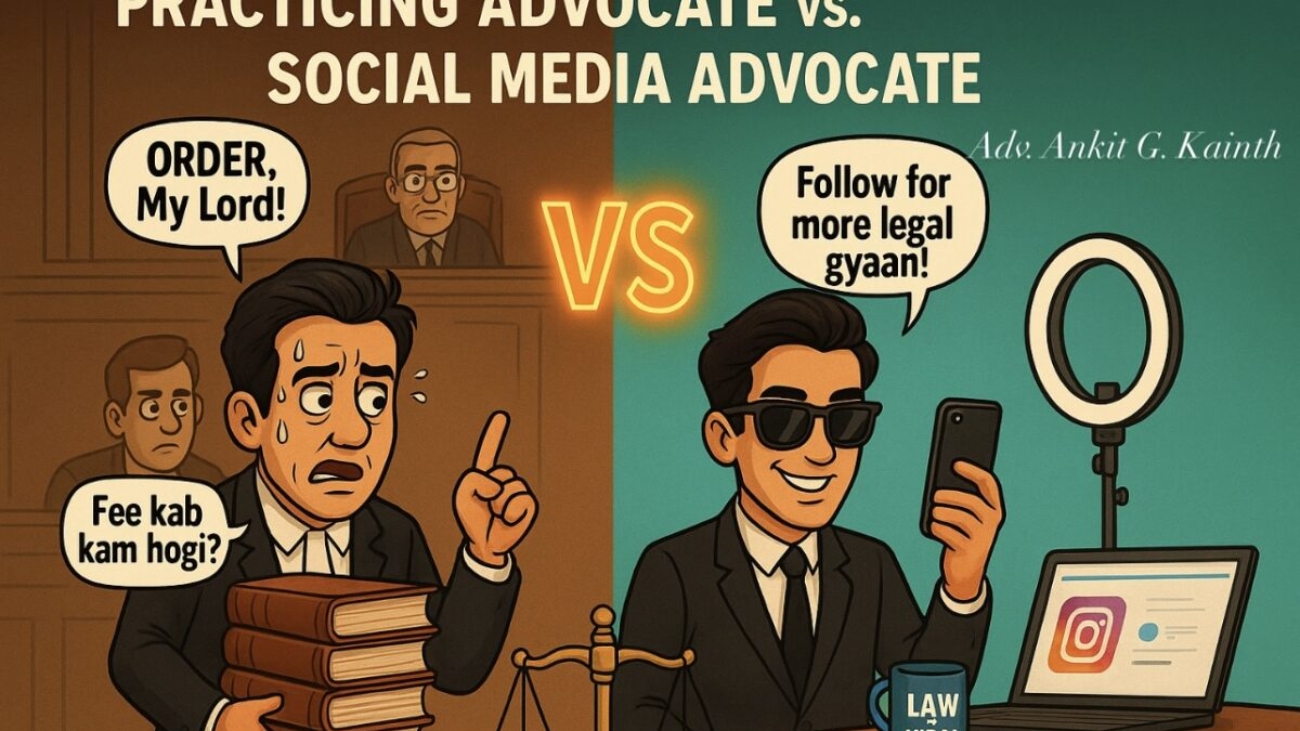
Practicing Advocate vs. Social Media Advocate 🤓📱⚖️

In today’s era, there are two species of lawyers roaming freely—
1. Practicing Advocates: Found in courts, drenched in sweat, burdened with files.
2. Social Media Advocates: Found online, drenched in filters, burdened with hashtags.

Let’s decode the epic differences between the two—because trust me, it’s more entertaining than any Netflix drama.

  1. Workstation 🏛️ vs. 📱
    • Practicing Advocate: Courtrooms, bar libraries, dusty registers.
    • Social Media Advocate: Cafés with Wi-Fi, reels with trending songs.
    👉 One-liner: “Court mein date milti hai, Insta pe followers!”

  1. Uniform 👔 vs. 👕
    • Practicing Advocate: Black coat, band, sweaty face.
    • Social Media Advocate: Blazer for DP, T-shirt for reel.
    👉 One-liner: “Practicing advocate wears black, social media advocate adds filters to black.”

  1. Arguments 🎤 vs. 🎶
    • Practicing Advocate: Argues before judges with citations.
    • Social Media Advocate: Argues before comments section with emojis.
    👉 One-liner: “One needs case laws, other just needs good captions.”

  1. Reality ⏳ vs. Views 👀
    • Practicing Advocate: Waits 4 hours for their matter to be called.
    • Social Media Advocate: Waits 4 seconds for likes to roll in.
    👉 One-liner: “Court ka patience > Insta ka algorithm.”

  1. Income 💰 vs. 💕
    • Practicing Advocate: Fee comes late, after multiple reminders.
    • Social Media Advocate: Payment? Nah, just “exposure” and “collabs.”
    👉 One-liner: “Advocate paisa ke liye fight karta hai, influencer spotlight ke liye.”

  1. Clients 👨‍👩‍👦 vs. 👥
    Practicing Advocate: Handles emotional clients shouting “Humari izzat ka sawal hai!”
    • Social Media Advocate: Handles followers shouting “Next reel kab aayegi?”
    👉 One-liner: “One manages affidavits, other manages aesthetics.”

  1. Legacy 📚 vs. 📸
    • Practicing Advocate: Builds reputation after years in court.
    • Social Media Advocate: Builds reputation after one viral reel.
    👉 One-liner: “Court mein senior ban’ne mein 20 saal, Insta pe sirf 20 seconds.”

Final Verdict ⚖️😂

Both are advocates in their own kingdoms. The practicing advocate fights for justice, while the social media advocate fights for attention. One seeks judgments, the other seeks engagement. Yet both remind us—law is not just about black coats, but also about adapting with time.

👉 Closing one-liner: “Courtroom ho ya Instagram, sabko apni audience chahiye!”

Consult an experienced advocate to determine the most suitable mode of service based on the facts of your case and court practice.

Contact me for Consultation :- 9899085554, 9811885554

Ankit Gaurav Kainth Advocate, Dwarka Court, Chamber No.728, 7th Floor, Dwarka, New Delhi
https://share.google/4r7kHm3s4da3OS9rS

FOLLOW US FOR MORE LEGAL & RECENT UPDATES:-

1DC51E2A-CFAC-459C-BF1B-7F0A15BCECC0

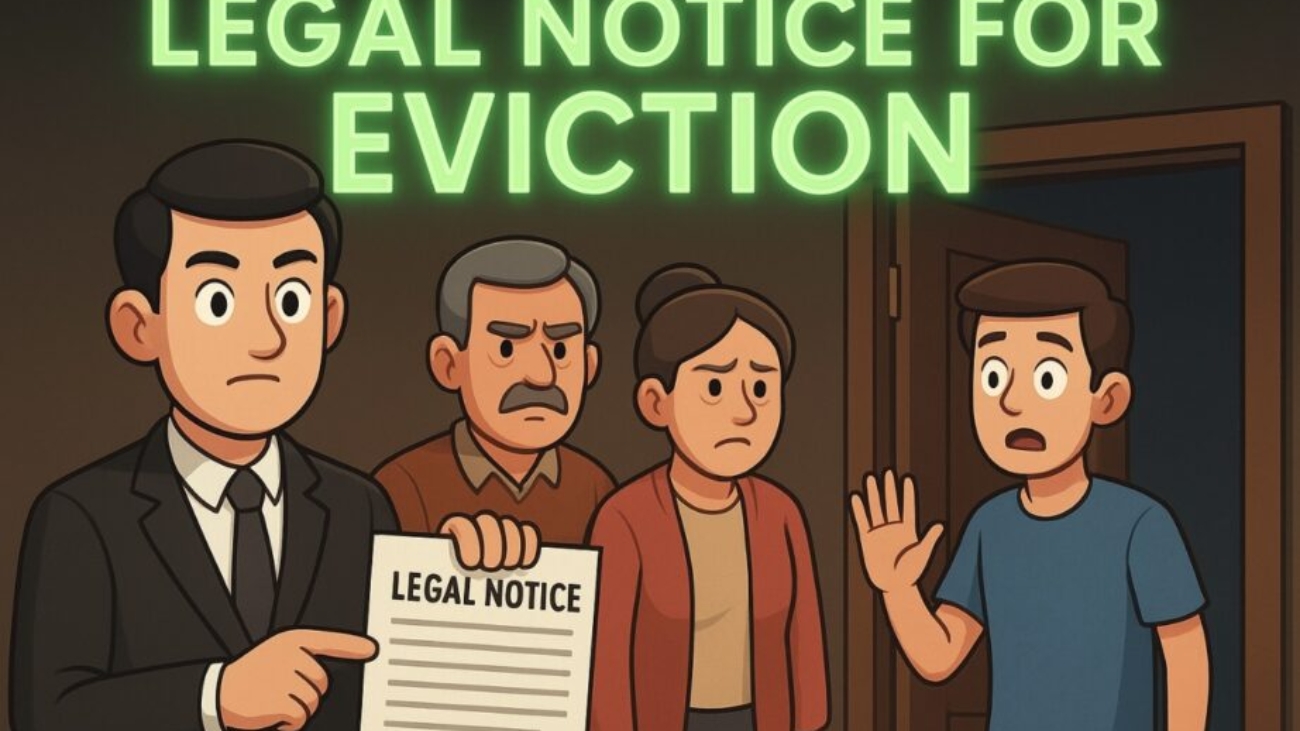
How to Terminate a Family Member’s License to Live in the House Through a Legal Notice📜🧑🏻‍⚖️🏠-In Dwarka Court Jurisdiction-Perfect Guide by a 18+ Years of Experienced Advocate in Dwarka Court

Family disputes around property are some of the most emotionally draining battles one can face. Yet, Indian law is clear: a grown-up child or any other relative living in the parents’ house is only a licensee, not an owner, unless there is a legal transfer of ownership. This means parents have every right to revoke that license if the situation becomes unbearable.

But how do you legally ask your own family member to leave the house?

Here’s a clear, structured, and practical guide.


1. Understanding What a “Licensee” Means

When parents allow a child, sibling, or relative to live in their home out of love, affection, or convenience, it does not create ownership rights. It is merely permission—a license.

Once that permission ends, the relative has no legal right to continue occupying the property.


2. Why a Legal Notice Is Important

Before initiating any police complaint or civil action, the law expects a formal revocation of permission.

A legal notice by an advocate serves as:
• A professional, documented communication
• A clear revocation of the license
• A warning of legal consequences
• A step that courts often examine before granting relief


3. What the Legal Notice Contains

Your advocate will draft a detailed notice including:
1. Ownership proof of the parents
2. Statement that the relative is a licensee without any legal rights
3. Revocation of permission to stay in the property
4. A specific time period (commonly 15 or 30 days) to vacate the premises
5. Warning of legal action under:
• Senior Citizens Act (if parents are 60+)
• Civil suit for eviction
• Police complaint for harassment


4. What Happens After the Notice Period

If the relative does not vacate:
• Parents may file a petition before the Maintenance Tribunal (fast-track remedy for senior citizens)
• Or a civil suit for mandatory injunction
• Or lodge a police complaint if the occupant becomes abusive or threatening

Courts strongly protect parents’ rights to peaceful living and full control over their property.


5. Why Professional Legal Help Matters

Family disputes are sensitive. A properly worded notice avoids escalations and prevents the opposite party from twisting facts. An advocate:
• Drafts the notice strategically
• Sends it via valid modes (registered post/email)
• Guides parents through next steps


Conclusion

Evicting a family member isn’t easy emotionally—but legally, it is absolutely possible. Parents have the right to reclaim their peace, dignity, and property. A well-crafted legal notice is the first, most powerful step toward restoring harmony and asserting lawful ownership.

https://share.google/znGCrPkZYMJG4P3BD


#AdvocateinDwarkaCourt
#BestAdvocateinDwarkaCourt
#DivorceAdvocateinDwarkaCourt
#MatrimonialAdvocateinDwarkaCourt
#CivilAdvocateinDwarkaCourt
#Dwarkacourtadvocatecontactnumber
#Divorcelawyerindwarka
#BestAdvocatenearme
#BestLawyernearme

Consult an experienced advocate to determine the most suitable mode of service based on the facts of your case and court practice.

Contact me for Consultation :- 9899085554, 9811885554

Ankit Gaurav Kainth Advocate, Dwarka Court, Chamber No.728, 7th Floor, Dwarka, New Delhi

https://share.google/4r7kHm3s4da3OS9rS

60239-adobestock_542324899-00858439

Top 5 Legal Mistakes People Make During Property Disputes in Dwarka Court (And How to Avoid Them)

Property disputes are one of the most common types of cases in Dwarka District Court. Most people make avoidable mistakes, which delay their case or weaken their position.

1. Not Keeping Proper Property Documents

Many disputes arise simply because owners do not maintain documents like sale deeds, GPA, agreements, and tax receipts.

2. Verbal Agreements with No Written Proof

Never rely on “bol diya toh ho gaya.” Legal documents are the backbone of any property transaction.

3. Not Verifying Ownership Before Purchase

People often skip title verification, which leads to fraud, double selling, or disputes with family members.

4. Delaying Legal Action

The longer you wait, the stronger the other party’s position becomes. Early consultation prevents bigger problems later.

5. Not Hiring a Professional Lawyer

Attempting to handle complex property cases without expert guidance leads to avoidable losses, delays, and stress.

Property disputes are emotionally exhausting and legally complex. Whether it is ancestral property, jointly purchased property, illegal possession, or builder disputes, one wrong step can weaken your entire case.

After 18+ years of continuous practice before Dwarka Court, I have seen a clear pattern — most people lose advantage not because their case is weak, but because they commit avoidable legal mistakes.

Let us understand the top 5 mistakes and how you can avoid them.


1️⃣ Delaying Legal Action

Many property owners wait too long, hoping the dispute will “settle itself.” Unfortunately, delay creates complications:

  • Opposite party strengthens possession
  • Evidence disappears
  • Limitation issues arise
  • Illegal construction gets completed

How to avoid it:
The moment you receive a legal notice, threat, or see unlawful construction, consult a lawyer immediately. Early injunction applications often protect ownership rights effectively.


2️⃣ Ignoring Proper Documentation

In property disputes, documents decide everything.

Common problems include:

  • Missing original sale deed
  • Unregistered agreements
  • No mutation records
  • Incomplete chain of title

Courts rely heavily on documentary evidence. Emotional claims without paperwork rarely succeed.

How to avoid it:
Maintain a complete property file including sale deed, GPA (if any), previous ownership documents, tax receipts, electricity bills, and possession proof.


3️⃣ Turning a Civil Dispute into an Emotional Battle

Family property matters often become personal. People start:

  • Blocking entry
  • Changing locks
  • Making threats
  • Filing exaggerated criminal complaints

Such actions sometimes weaken your civil case and create unnecessary criminal exposure.

How to avoid it:
Let the dispute remain legal, not personal. File appropriate civil suits for injunction, possession, or partition instead of reacting emotionally.


4️⃣ Filing the Wrong Case

Many litigants file only an injunction suit when possession relief is actually required. Later, courts dismiss such cases on technical grounds.

For example:
If construction is already complete and possession is lost, a mere injunction may not be sufficient.

How to avoid it:
Before filing, assess whether your case requires:

  • Suit for possession
  • Partition suit
  • Declaration suit
  • Permanent injunction
  • Criminal complaint (if cheating or trespass involved)

Correct remedy selection saves years of litigation.


5️⃣ Hiring a Lawyer Without Court-Specific Experience

Property litigation is procedural and technical. A lawyer unfamiliar with the working pattern of Dwarka Court may overlook registry objections, limitation issues, or strategic timing.

Regular court presence matters because:

  • Filing defects are cleared faster
  • Interim relief applications are moved effectively
  • Local judicial approach is understood

Experience inside the same court environment creates a practical advantage.


Practical Advice for Property Owners

✔ Never sign blank papers
✔ Avoid verbal settlements without documentation
✔ Do not ignore legal notices
✔ Preserve all digital and physical records
✔ Act before the opposite party strengthens possession

Property cases are rarely won by aggression. They are won by documentation, procedure, and timing.


Final Thoughts

Property disputes are about rights — but courts decide them on proof, not emotions. With proper documentation, timely filing, and strategic planning, even complex matters can be handled effectively.

After 18+ years of litigation practice, I firmly believe one principle:
Preparation prevents property loss.

If you are facing a property dispute, seek structured legal guidance before taking any step. A carefully planned approach today can prevent years of unnecessary litigation tomorrow.

⚖️ Experience. Strategy. Protection of Rights.

Final Advice:

Whether it’s a family dispute, partition matter, or property possession issue, timely legal guidance is the key to a faster and favourable outcome.

Consult an experienced advocate to determine the most suitable mode of service based on the facts of your case and court practice.

Contact me for Consultation :- 9899085554, 9811885554

Ankit Gaurav Kainth Advocate, Dwarka Court, Chamber No.728, 7th Floor, Dwarka, New Delhi

https://share.google/4r7kHm3s4da3OS9rS

Follow Us for more Legal Updates :-

https://www.threads.com/@ankit_gaurav_kainth_advocate/post/DU2YeFWmksMXGTXcX3vs5YeW9CTOV_MJ-6ukx40?xmt=AQF06I364Ei7RNwUiXX4giiQO0rEjazc9_LEnImTL_CyvQ

Delhis-Dwarka-Court-complex (1)

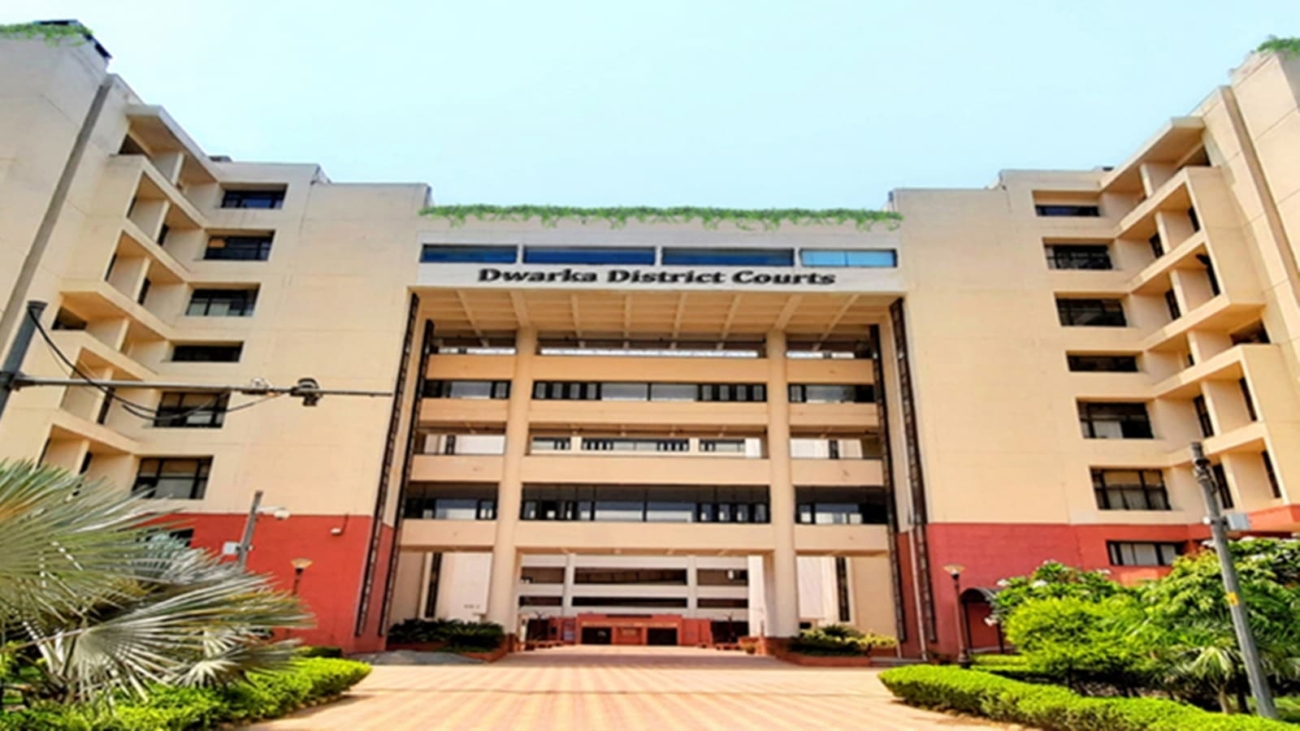
Don’t Risk Your Case – Choose a Lawyer Who Lives and Breathes Dwarka Court (2026)

People often underestimate how important it is to hire a lawyer who regularly practices in the same court where their case is filed.

1. Understanding of Court Environment

A local lawyer is familiar with Dwarka Court’s procedures, staff, filing etiquettes, and judge-specific working styles.

2. Faster Filing & Case Movement

Since the lawyer is available on-site, filing documents, case follow-ups, and urgent applications happen quickly.

3. Practical Knowledge Matters

Local practitioners know which arguments work better, how to navigate complex court days, and how to avoid unnecessary delays.

4. Easy Availability for Clients

Meeting, discussing strategies, or submitting documents becomes easier when the lawyer is close to the court.

5. Better Representation & Confidence

A lawyer who appears daily in Dwarka Court is more confident with court timings, cause-lists, and judge behaviour—leading to better results.

Consult an experienced advocate to determine the most suitable mode of service based on the facts of your case and court practice.

Contact me for Consultation :- 9899085554, 9811885554

Ankit Gaurav Kainth Advocate, Dwarka Court, Chamber No.728, 7th Floor, Dwarka, New Delhi
https://share.google/4r7kHm3s4da3OS9rS

Follow us for more Legal Updates:-

⚖️ Why Choose a Local Lawyer for District Court Dwarka? (2026 Practical Insight)

When a legal dispute arises, most clients focus only on “Who is the best lawyer?”
But an equally important question is — “Does the lawyer regularly practice in the same court where my case is filed?”

If your matter is before Dwarka Court, choosing a lawyer who appears there daily can make a measurable difference in strategy, speed, and results.

With 18+ years of continuous practice in Dwarka Court, I have personally observed how local courtroom experience impacts outcomes.

Let us understand this practically.


🏛️ 1️⃣ Understanding the Court Environment

Every court has its own functioning style.

A local lawyer practicing regularly in Dwarka Court understands:

✔ Filing procedures and registry objections
✔ Court staff coordination
✔ Daily cause-list patterns
✔ Bench-specific working styles
✔ Practical courtroom discipline

These are not written in books — they are learned through consistent physical presence.


📂 2️⃣ Faster Filing & Quicker Case Movement

Legal strategy is not just about arguments. It is also about timing.

When your advocate is regularly present at Dwarka Court:

  • Urgent applications can be filed immediately
  • Defects can be removed the same day
  • Case status can be checked personally
  • Listing issues can be followed up promptly

Outstation lawyers may need coordination time. A local lawyer acts instantly.

In bail matters, stay orders, and injunctions — speed often determines success.


⚖️ 3️⃣ Practical Knowledge Beyond Theory

Courtroom litigation is not academic law — it is applied law.

A regular practitioner at Dwarka Court knows:

  • Which arguments receive judicial attention
  • How evidence is typically scrutinized
  • How to structure anticipatory bail
  • How mediation trends work in matrimonial disputes
  • How property disputes often convert into criminal complaints

This practical knowledge cannot be replaced by reputation alone.


👥 4️⃣ Easy Accessibility for Clients

Clients often need:

  • Quick meetings
  • Urgent documentation review
  • Strategy discussions before hearing
  • Immediate response in emergencies

When your lawyer’s chamber is in Dwarka Court premises, coordination becomes seamless.

No delays. No long scheduling gaps. No communication hurdles.


📑 5️⃣ Confidence in Representation

A lawyer who appears daily before the same benches develops:

✔ Courtroom confidence
✔ Familiarity with judicial expectations
✔ Better anticipation of queries
✔ Stronger oral advocacy

This comfort level translates into effective representation.

Whether it is:

  • Divorce litigation
  • Bail matters
  • Cheque bounce cases
  • Domestic violence proceedings
  • Property disputes

Confidence matters inside the courtroom.


🎯 6️⃣ Strategic Advantage in Complex Cases

In 18+ years of regular appearance before Dwarka Court, I have seen that:

  • Timing of filing anticipatory bail is critical
  • Drafting errors delay relief
  • Registry objections can derail urgent cases
  • Procedural compliance avoids dismissal

A local lawyer anticipates these hurdles in advance.


📍 Serving Dwarka Court Jurisdiction

Clients from:

  • Janakpuri
  • Vikaspuri
  • Dwarka North
  • Dwarka South
  • Najafgarh
  • Uttam Nagar
  • Bindapur

often prefer representation by a lawyer who understands the local litigation pattern of Dwarka Court.

Consistency builds courtroom familiarity.

https://www.facebook.com/share/p/1bgNRat17N


🧠 Final Thoughts – Experience + Proximity = Stronger Representation

Choosing a lawyer is not only about qualifications — it is about regular presence, procedural awareness, and strategic clarity.

If your matter is pending in Dwarka Court, selecting a local advocate ensures:

⚖ Faster procedural movement
⚖ Better courtroom confidence
⚖ Immediate accessibility
⚖ Practical litigation strategy
⚖ Reduced unnecessary delays

Legal success is rarely accidental. It is prepared.


📞 Consultation

If you are seeking representation in District Court Dwarka, feel free to consult for structured and strategic guidance.

Ankit Gaurav Kainth
Advocate, Dwarka Court
Chamber No. 728, 7th Floor
New Delhi

📱 9899085554
📱 9811885554

Experience. Preparation. Professionalism.

https://www.instagram.com/reel/DUhlx6xCUSn/?utm_source=ig_web_copy_link&igsh=MzRlODBiNWFlZA==

https://share.google/n2yJmIruGDzESNyTs