
image0-5

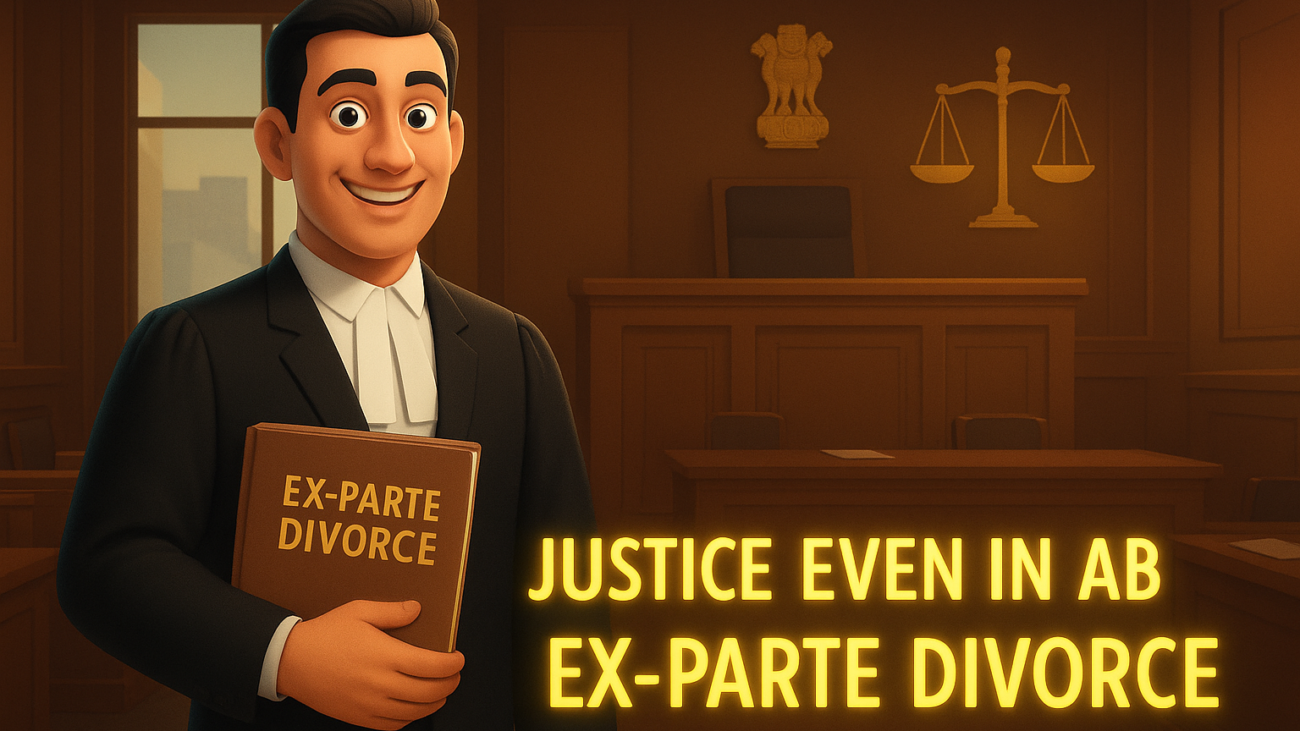
Ex-Parte Divorce Under Hindu Marriage Act – A Practical Guide from Dwarka District Court, New Delhi ⚖️🏛️ 🧾

⚖️ By an Advocate with 18+ Years of Courtroom Experience

Divorce litigation under the Hindu Marriage Act, 1955 often does not progress as smoothly as the law books suggest. In real courtrooms—especially at District Court, Dwarka, New Delhi—one spouse frequently avoids proceedings deliberately, hoping to delay justice indefinitely.

This is where the concept of Ex-parte Divorce becomes not only relevant but essential.

Having handled matrimonial litigation for over 18 years, I have seen countless litigants suffer due to the non-cooperative attitude of the opposite spouse. This article is intended to educate, empower, and guide those genuinely seeking relief under the law.

🔍 

What Is an Ex-Parte Divorce?

An Ex-parte Divorce is a decree of divorce passed by the court in the absence of one party, when despite proper service of summons, the respondent:

❌ Fails to appear

❌ Avoids proceedings intentionally

❌ Chooses silence over participation

Under Order IX Rule 6 CPC, read with Section 21 of the Hindu Marriage Act, the Family Court is empowered to proceed ex-parte and decide the matter on merits.

➡️ Ex-parte does NOT mean automatic divorce.

➡️ The petitioner still must prove the case.

🏛️ 

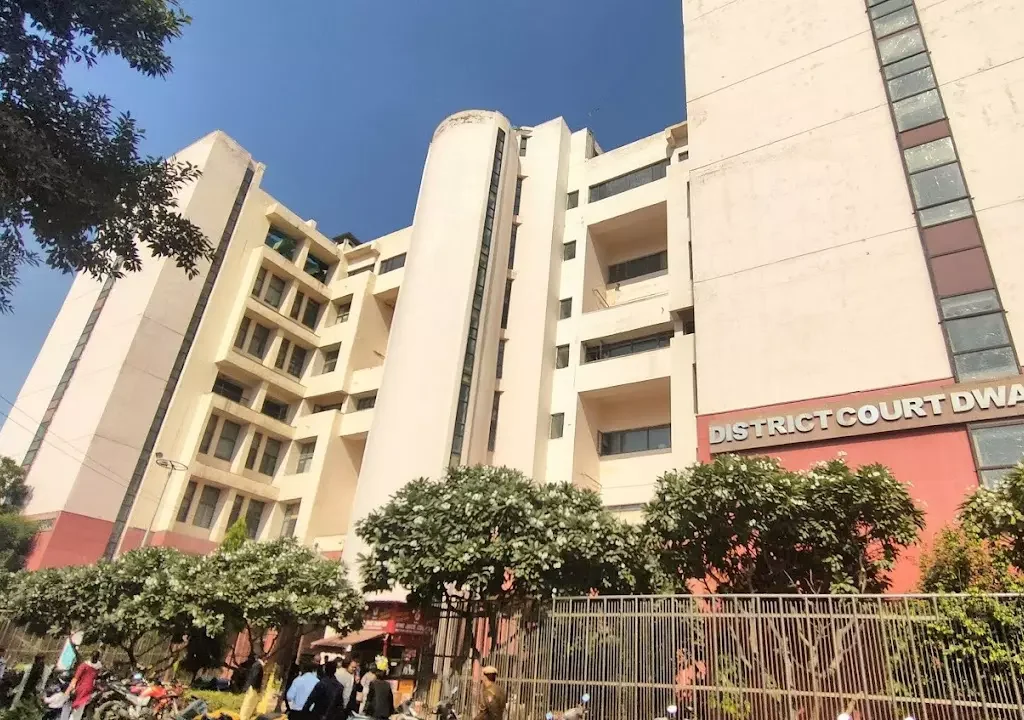
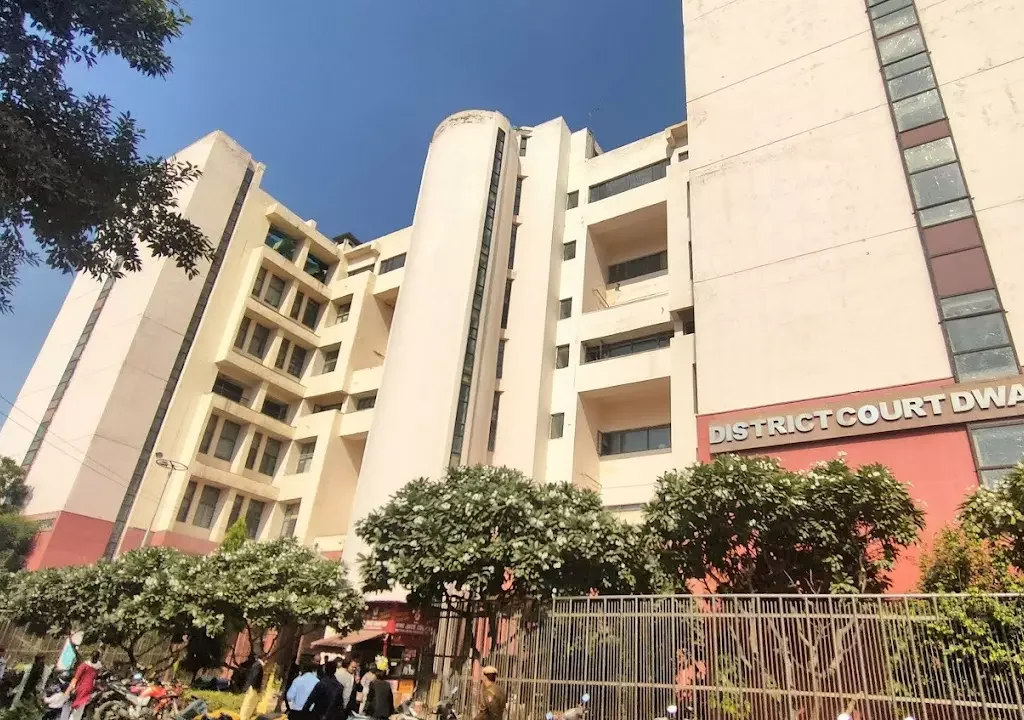
Jurisdiction: Dwarka District Court, New Delhi

A divorce petition can be filed before Family Court, Dwarka, if:

📍 Marriage was solemnized in Delhi

📍 Parties last resided together in Delhi

📍 Wife resides in Delhi on the date of filing

📍 Respondent resides or works in Delhi

Dwarka Courts deal with a high volume of matrimonial cases, and judges are well-versed with ex-parte proceedings where delay tactics are evident.

📜 

Legal Grounds Suitable for Ex-Parte Divorce

Ex-parte divorce is commonly granted on the following grounds under Section 13 HMA:

🔹 Cruelty – mental, emotional, or physical

🔹 Desertion – continuous abandonment for 2+ years

🔹 Adultery (if evidence exists)

🔹 Irretrievable Breakdown of Marriage (argued through cruelty/desertion)

🖋️ In practice, cruelty and desertion are the most successful grounds for ex-parte relief.

📌 

Procedure for Ex-Parte Divorce in Dwarka Court

Step 1️⃣ – Filing of Divorce Petition

A well-drafted petition supported with documents, incidents, and chronology is filed.

Step 2️⃣ – Issuance & Service of Summons

Court ensures service through:

📨 Speed Post

📨 Courier

📨 WhatsApp / Email (where permitted)

📨 Affixation (if respondent avoids service)

Step 3️⃣ – Non-Appearance of Respondent

If despite valid service, the respondent does not appear, the court records absence.

Step 4️⃣ – Order to Proceed Ex-Parte

Court passes a formal order proceeding ex-parte.

Step 5️⃣ – Ex-Parte Evidence

Petitioner leads evidence through:

🧾 Affidavit

📂 Documents

🎙️ Oral submissions

Step 6️⃣ – Ex-Parte Divorce Decree

Upon satisfaction, the court grants divorce by ex-parte judgment.

⏱️ In genuine cases, ex-parte divorce may conclude faster than contested matters.

⚠️ 

Common Myths About Ex-Parte Divorce

🚫 Myth: If the spouse doesn’t appear, divorce is automatic

✅ Reality: Evidence must still prove cruelty/desertion

🚫 Myth: Ex-parte decree is weak

✅ Reality: It is as valid as any contested decree unless set aside

🚫 Myth: Respondent can challenge anytime

✅ Reality: Challenge must meet strict legal requirements

🔁 

Can an Ex-Parte Divorce Be Set Aside?

Yes, under Order IX Rule 13 CPC, but only if the respondent proves:

✔️ No proper service of summons

✔️ Sufficient cause for non-appearance

📌 Mere negligence or intentional absence is NOT sufficient.

⚖️ 

Important Supreme Court & High Court Judgments (Supra)

📚 Sanghamitra Ghosh v. Kajal Kumar Ghosh

(2007) 2 SCC 220

👉 Court held that prolonged separation and mental cruelty justify dissolution of marriage.

📚 Parimal v. Veena @ Bharti

(2011) 3 SCC 545

👉 Ex-parte decree can only be set aside if sufficient cause is shown; negligence is no excuse.

📚 Savitri Pandey v. Prem Chandra Pandey

(2002) 2 SCC 73

👉 Desertion requires intention to abandon and continuation without reasonable cause.

📚 Rajinder Yadav v. Anita Yadav

Delhi High Court

👉 Repeated non-appearance despite service amounts to waiver of right to contest.

🧠 

From My Experience of 18+ Years

👨‍⚖️ Courts do not favor delay tactics.

👨‍⚖️ Judges appreciate clean pleadings and truthful evidence.

👨‍⚖️ Ex-parte divorce is not harsh—it is judicial fairness.

Many clients come to me emotionally exhausted, believing they are “stuck forever.” Law does not permit one spouse to hold the other hostage by silence.

Justice delayed due to deliberate absence cannot be allowed to become justice denied.

✅ 

Final Words

If your spouse is avoiding court deliberately, law is firmly on your side. Ex-parte divorce under the Hindu Marriage Act is a powerful legal remedy, when pursued correctly, ethically, and patiently.

📌 Every case is different.

📌 Strategy matters more than speed.

📌 Experience matters in matrimonial litigation.

If you approach the court with clean hands and truthful facts, even silence of the other side will speak against them.

SEO Title

Ex-Parte Divorce Under Hindu Marriage Act – Procedure, Judgments & Practice in Dwarka Court, New Delhi

Suggested Hashtags

#ExParteDivorce #HinduMarriageAct #DwarkaCourt #DivorceLawIndia #FamilyCourtDelhi #MatrimonialLitigation #Cruelty #Desertion#AdvocateExperience #LegalAwareness #IndianDivorceLaw

Consult an experienced advocate to determine the most suitable mode of service based on the facts of your case and court practice.

Contact me for Consultation :- 9899085554, 9811885554

Ankit Gaurav Kainth Advocate, Dwarka Court, Chamber No.728, 7th Floor, Dwarka, New Delhi

https://share.google/4r7kHm3s4da3OS9rS

image0-4

Delhi vs Other States – Which District Courts Are Better in Terms of Practice? ⚖️😄

Every young advocate, sooner or later, faces this classic dilemma: “Should I practice in Delhi District Courts or in my home State courts?” The answer is not as dramatic as a courtroom climax, but it is definitely interesting—and a little humorous too.

Let us compare, calmly and honestly.

1. Volume of Work: Delhi Never Sleeps 🏃‍♂️📂

Delhi District Courts (Tis Hazari, Dwarka, Saket, Rohini, Karkardooma, Patiala House) are always buzzing. Civil, criminal, matrimonial, commercial—everything is in bulk.

More cases = more exposure = faster learning (and faster legwork 😅).

In many other States, district courts have comparatively fewer matters. The pace is slower, which is actually good for understanding files deeply—without running between 10 courts before lunch.

2. Client Profile: Pressure vs Patience 👥

Delhi clients are informed, demanding, and Google-certified lawyers themselves.

They ask about sections, timelines, chances, and fees—sometimes all in one breath.

In other States, clients are often more trusting and relationship-based. The lawyer’s word still carries traditional respect, which reduces stress and increases emotional satisfaction.

3. Competition: Survival of the Sharpest 🥊

Delhi has fierce competition. Every second person seems to be an advocate, and every third one is very confident. This pushes you to upgrade skills, drafting, and courtroom presence quickly.

Other States offer less cut-throat competition. Young lawyers get more visibility, quicker recognition, and sometimes even a direct nod from the Bench.

4. Bench & Bar Culture 🧑‍⚖️

Delhi courts are known for strict timelines, heavy boards, and fast proceedings. You learn discipline, professionalism, and time management the hard way.

In many State district courts, the atmosphere is relatively relaxed. Judges are approachable, and mentoring by seniors is more accessible—especially for first-generation lawyers.

5. Earnings vs Expenses 💰😬

Yes, Delhi has higher earning potential—but also higher expenses. Rent, travel, clerks, coffee… everything comes with a “capital city premium”.

Other States may offer lower initial income, but savings are real, stress is less, and practice grows steadily with community trust.

So, Which Is Better? 🤔

Delhi is excellent for exposure, speed, and high-pressure learning.

Other States are ideal for stability, relationships, and sustainable growth.

There is no “better” court—only a better fit. Some lawyers bloom in Delhi’s chaos, others shine in the calm confidence of State courts.

Final Thought:

A good advocate is not made by geography, but by consistency,honesty, and courtroom courage.

Wherever you practice—argue well,draft better, and always respect the Bench. ⚖️✨

#AdvocateinDwarkaCourt

#BestAdvocateinDwarkaCourt

#DivorceAdvocateinDwarkaCourt

#MatrimonialAdvocateinDwarkaCourt

#CivilAdvocateinDwarkaCourt

#Law

#Lawyers

#Advocate

Consult an experienced advocate to determine the most suitable mode of service based on the facts of your case and court practice.

Contact me for Consultation :- 9899085554, 9811885554

Ankit Gaurav Kainth Advocate, Dwarka Court, Chamber No.728, 7th Floor, Dwarka, New Delhi
https://share.google/4r7kHm3s4da3OS9rS

7A6683F4-6584-4897-AF86-92FD42317565

**📄 How to Get Certified Copies in District Courts?

A Practical Guide From 18+ Years of Courtroom Experience**

If you spend enough time in court corridors, you’ll realise one eternal truth—a certified copy seems useless… until you urgently need one.

It looks like a simple, clerk-level formality, but when you are preparing a bail application in Sessions Court, or drafting a criminal appeal before the High Court, suddenly this “simple” document becomes the single biggest hurdle.

In my 18+ years of practice, I have seen young advocates, litigants and even seasoned practitioners run from one window to another, chasing the Copying Agency like it’s the final lifeboat on a sinking ship. And the irony is—99% of delays happen not because the court staff is slow, but because the application form is filled incorrectly.

This blog breaks down the right procedure, common mistakes, and how my trained associates assist clients and advocates in getting copies quickly, smoothly and without objections.

Why Certified Copies Matter So Much?

A certified copy is not just a photocopy. It is the official, court-verified, seal-marked document that higher courts rely upon. It becomes essential for:

  • Bail applications
  • Criminal revision/appeals
  • Stay applications
  • Execution proceedings
  • Transfer petitions
  • Civil appeals
  • Filing complaints before specialised tribunals

Missing a certified copy can mean delay of weeks, adjournments, and sometimes loss of liberty for the accused. I have seen situations where a bail plea could not be moved on time because a simple order sheet copy wasn’t ready. That’s when the “simple” becomes the “critical.”

The Procedure: How to Apply For a Certified Copy Correctly

1. Identify the Exact Document Needed

This step is often ignored. You must know precisely what you need:

  • Order sheet
  • Judgment
  • Evidence (PW/DW statements)
  • Application or reply
  • FIR, charge-sheet, complaint
  • Daily order
  • Any exhibited document

🚫 Never write vague descriptions like “all documents.”

This immediately triggers an objection.

2. Fill the Certified Copy Application Form Completely

This is where 90% people go wrong.

Every column matters:

  • Case number (criminal/civil)
  • CNR number
  • Names of parties
  • Date of order
  • Judge’s name
  • Whether urgent or ordinary
  • Whether copy is for filing or personal use
  • Whether inspection done
  • Document name and page number

A missing detail = objection.

An objection = delay.

I’ve seen applicants waste 3–5 days because they forgot to write the judge’s name or mis-typed the order date.

3. Attach the Required Court Fee

Each court has its own fee schedule. If the fee is short, the copy will not even move ahead for processing. My office routinely checks fee charts so that the application is never returned.

4. Mark Urgent or Non-Urgent

Urgent copies can be issued within 24 hours or same day (depending on court rules), but only if:

  • Urgent fee is paid
  • Reason is specified
  • The document is identifiable and traceable

If you mark urgent but submit a half-filled form, you will simply waste both time and money.

5. Track the Status at the Copying Agency

Once filed, the application gets a Copying Agency Receipt Number.

Always note it carefully.

Copies move through:

  • Filing
  • Scrutiny
  • Calculation of pages
  • Typing/Scanning
  • Verification
  • Seal/Signature
  • Delivery counter

Any stage can get stuck if details are missing.

6. Collect the Copy With the Original Receipt

No receipt = no copy.

I have seen litigants panic because they misplaced the receipt, and the court will not release documents without proper identification.

Why Every Column Matters So Much?

Courts deal with thousands of cases daily.

The staff does not have time to “guess” what document you want.

A wrongly written case number or order date can lead to:

  • The staff searching in the wrong file
  • File not traceable remarks
  • Unnecessary delays of days or weeks
  • Application being put under “objection”
  • Fresh filing required
  • Urgent fee wasted

A careless 30 seconds at the desk can cost someone their bail hearing.

How My Associates Help You—The Hassle-Free Process

With 18+ years of practice across multiple district courts, High Court and appellate forums, I have trained my associates to understand the importance of documentation discipline.

We assist clients and advocates by:

✔ Identifying the exact document required

✔ Filling every column accurately

✔ Ensuring correct fee is attached

✔ Marking urgent applications properly

✔ Doing file inspection where needed

✔ Dealing with scrutiny objections instantly

✔ Tracking the CA number from filing to delivery

✔ Collecting the certified copy on the earliest possible date

✔ Sending soft scanned copies immediately to the client

This saves time, money and stress, especially in urgent bail or appeal matters.

Common Mistakes That Cause Unnecessary Delays

❌ Writing wrong case number

❌ Mentioning wrong order date

❌ Not attaching page details

❌ Forgetting judge’s name

❌ Not paying the right fee

❌ Asking for “entire file” without clarity

❌ Misplacing the receipt

❌ Not doing inspection before applying

Each of these triggers objections, and objections turn a one-day job into a one-week problem.

Final Advice from Experience

A certified copy is the backbone of many legal proceedings.

“Small steps create big consequences” is the unwritten rule of court practice.

Treat the certified copy process as seriously as drafting your petition.

It saves adjournments, saves money, and sometimes—saves liberty.

Whenever you need a copy urgently, contact us.

My team and I ensure you get it accurately, timely and without the running-around that most litigants fear.

SEO Title

“How to Get Certified Copies in District Courts: Complete Procedure, Tips & Urgent Copy Guide”

Hashtags

#CertifiedCopy #DistrictCourtProcedure #LegalGuideIndia #CourtProcess #AdvocateTips #UrgentCopy #LegalDocumentation #IndianCourts

Consult an experienced advocate to determine the most suitable mode of service based on the facts of your case and court practice.

Contact me for Consultation :- 9899085554, 9811885554

Ankit Gaurav Kainth Advocate, Dwarka Court, Chamber No.728, 7th Floor, Dwarka, New Delhi

https://share.google/4r7kHm3s4da3OS9rS

image0-3

Advocacy & Your First Income — How to Make the Best of It?

An Inspirational Guide for Young Advocates & Interns

There are moments in an advocate’s journey that leave a lifelong imprint—the first day in court, the first time your senior trusts you with a file, the first argument, and above all, your first income. That small envelope, that quiet UPI ping, that modest cash handed by a grateful client—whatever its form, it carries the weight of your entire journey so far.

Years of study, lectures, internships, library hours, case briefs, rejections, and countless “Sir, I will come tomorrow”—all melt into one powerful feeling:

“I have finally earned through my own knowledge.”

And yet, many young interns and new advocates make the same mistake:

They save their first income.

Not because saving is wrong, but because they forget what the first income truly symbolizes.

My humble and heartfelt advice to you:

Don’t save it. Spend it. Celebrate it. You earned it—so enjoy it.

🌟 

Why Your First Earning Matters More Than Its Amount

Your first income may be ₹500, ₹2000, or ₹5000—it truly doesn’t matter. What matters is what it represents:

  • Your entry into professional life
  • Your ability to earn through ethics and knowledge
  • Your transformation from student to an advocate
  • Your belief that you can build your career brick by brick

It is not the money you are celebrating—it is the moment.

There is a beautiful quote:

“Money grows, but moments don’t. Celebrate the moment—money will follow.”

📘 

Buy Something That Stays With You Forever

Every advocate remembers the first law book they bought from their own earnings.

Ask any seasoned lawyer—there’s a sparkle in their eyes when they say:

“This book? I bought it from my first fee.”

Books become legacy. They stay with you longer than your first income ever will.

My personal recommendation?

Buy a commentary you love—CPC, Evidence, Transfer of Property, or Criminal Procedure.

It becomes a reminder that your journey has begun.

🍽️ 

Treat Your Family—They Deserve It as Much as You Do

Behind every advocate, there is a quiet army:

Parents who encouraged you, siblings who supported you, friends who listened to your rants.

Take them out for a small dinner.

You will remember that evening far longer than the amount you saved.

As the saying goes:

“Joy multiplies when shared with those who helped you survive the struggle.”

✨ 

A Story Every Young Advocate Should Hear

A senior advocate once shared this story with me:

“My first earning was only ₹800. I spent it all buying samosas and tea for my parents and juniors. Today when I charge ₹3 lakh per hearing, I still say—those samosas were the best investment of my life.”

What he meant was powerful:

Celebrate small beginnings. They become the seeds of big successes.

🌱 

Faith Builds Your Future

One of the greatest truths of the legal profession is:

Consistency turns small earnings into big incomes.

You may feel your first income is small today, but trust your journey.

If you stay persistent, ethical, and hard-working, the same advocate who earned ₹2000 today will one day earn ₹2 lakh with dignity.

As I always say:

“Vishwas kijiye, yeh aaj ke do-chaar hazaar, kab do-chaar lakh ban jayenge, aapko pata hi nahi chalega.”

🧭 

Celebrate the Struggle, Honour the Journey

Your early days will be tough:

Empty pockets, long court hours, busy seniors, delayed payments, and unpredictable outcomes.

But they will also be the most memorable days of your life.

You will look back and smile at how you survived these years with courage, humour, and hope.

Remember this line:

**“One day your struggle will become your story.

And your story will inspire a new advocate.”**

🙏 

To All New Advocates & Interns

You are stepping into a profession of dignity, responsibility, and lifelong learning.

Celebrate your first earning with gratitude and pride.

Spend it with joy, mark the moment, and let it fuel your confidence.

Because the journey ahead is long, beautiful, challenging, and incredibly rewarding.

Cheers to the struggling days, and even bigger cheers to the shining days ahead!

Wishing you strength, integrity, and unstoppable success. 🤗⚖️✨

🔍 

SEO Title:

“Advocacy & Your First Income: How Young Lawyers Should Celebrate Their First Earnings”

🔖 

Hashtags:

#AdvocacyJourney #FirstIncome #NewAdvocateLife #LawInternDiaries #LegalProfession #YoungLawyersIndia #AdvocateSuccess #MotivationForLawyers #CourtroomLife #LegalCareerGrowth #CelebrateYourJourney #StrugglingDaysToSuccess #ProudAdvocate

Consult an experienced advocate to determine the most suitable mode of service based on the facts of your case and court practice.

Contact me for Consultation :- 9899085554, 9811885554

Ankit Gaurav Kainth Advocate, Dwarka Court, Chamber No.728, 7th Floor, Dwarka, New Delhi

https://share.google/4r7kHm3s4da3OS9rS

CF52F83A-8008-41E8-8044-80C520647926

Common Questions Clients Ask When Meeting an Advocate in District Court Dwarka, New Delhi

  • Visiting an advocate for the first time is often overwhelming for clients. Most people arrive with fear, anxiety, confusion, and endless questions. After practicing for 18+ years in District Court Dwarka, I have learned that what clients need most is clarity—clear answers that give them direction, confidence, and a sense of control over their legal battle.
    Clients often move from chamber to chamber, searching for the “right” advocate who can guide them correctly. Their expectations are simple:“Tell me the truth, show me the path, and stand with me in the fight for justice.”
    Below are the most common questions clients ask when they first meet an advocate in Dwarka Court, along with the precise answers they hope to hear from a competent legal professional.


    1. “What are my legal options in this case?”

    Ideal Answer Clients Expect:“You have two to three possible routes. Let me explain each with the consequences, time, and cost involved. Based on your situation, this option is the legally strongest and safest for you.”
    Clients want clarity, not confusion. A good advocate simplifies the law.


    2. “How strong is my case?”

    Ideal Answer:“On the basis of your facts and documents, your case has ___ strengths and ___ weaknesses. We will work on the weak points and rely on the strong ones. I won’t promise a guaranteed win, but I will give you a legally realistic assessment.”
    Clients hate exaggerated promises—they prefer honest, balanced guidance.


    3. “How long will this case take?”

    Ideal Answer:“Court timelines depend on several factors like court workload, evidence, and party cooperation. Typically, this type of case in Dwarka Court takes ___ months/years. I will try to speed it up wherever legally possible.”
    Clients want transparency, even if the timeline isn’t short.


    4. “What will be the cost or total fees?”

    Ideal Answer:“My fee includes professional charges for drafting, filing, arguments, and appearances. I will give you a written fee structure so there is no confusion later. There are also official court fees which I will explain separately.”
    Clients look for financial clarity and no hidden charges.


    5. “Do I need to appear in court frequently?”

    Ideal Answer:“For most hearings, your presence is not required unless evidence or your statement is needed. I will inform you well in advance whenever your presence is compulsory.”
    Clients want to know how much their routine will be affected.


    6. “What documents do you need from me?”

    Ideal Answer:“I will provide you a checklist of required documents—ID proofs, case papers, agreements, photos, bank statements, or any other relevant material. Keep everything organised. It strengthens your case from day one.”
    A document checklist gives confidence and clarity.


    7. “Is there any risk or downside in filing this case?”

    Ideal Answer:“Yes, every legal action has risks—cost, time, emotional pressure. But I will guide you to minimise those risks and ensure you take a well-informed decision before moving forward.”
    Clients appreciate truthful, responsible advice.


    8. “Can this case be settled outside court?”

    Ideal Answer:“Settlement is always an option if both parties agree. If a settlement benefits you legally and financially, I will advise you accordingly. If not, we will contest strongly in court.”
    Clients want to know whether a faster, peaceful route is possible.


    9. “What is the next step after this meeting?”

    Ideal Answer:“Step 1 — Give me your documents.Step 2 — I will prepare the draft.Step 3 — We will review it together.Step 4 — Filing in Dwarka Court.Step 5 — First hearing.”
    Clear steps reduce anxiety and give clients a sense of progress.


    Why Clients Find It Difficult to Choose a Competent Advocate in Dwarka Court

    Choosing the right advocate is challenging because:

    1. Lack of Legal Awareness

    Clients don’t always understand who is actually experienced or competent.

    2. Conflicting Opinions

    When they visit multiple chambers, they hear different strategies, timelines, and fees—causing confusion.

    3. Fear of Making a Wrong Decision

    Clients know that one wrong legal step can cost time, money, and peace.

    4. Overemphasis on Low Fees

    Many clients compare advocates based only on fees, not experience or capability.A competent advocate gives value, not the cheapest rate.

    5. Pressure & Anxiety

    Court matters themselves create stress, making decision-making difficult.

    6. Need for Trust

    Clients want someone who listens, explains, guides, and stands with them—not someone who rushes them.
    A competent advocate in Dwarka Court is one who blends experience, honesty, communication, strategy, and ethics.


    Conclusion

    For any client approaching District Court Dwarka, the right advocate is one who provides:✔ Clear legal strategy✔ Honest assessment✔ Transparent fees✔ Step-by-step guidance✔ Courtroom confidence✔ Professional drafting and arguments✔ Emotional assurance and support
    A well-informed client and a competent advocate together make a strong legal team—ready to face the battlefield of the District Courts.
    1. Common Questions Clients Ask Advocates in District Court Dwarka
    2. How to Choose a Competent Lawyer in Dwarka Court
    3. Client–Advocate Guide: Legal Consultation in Dwarka Courts
    4. Frequently Asked Questions Before Hiring a Dwarka Court Advocate


    Hashtags

    #DwarkaCourt #DelhiAdvocate #LegalAdvice #ClientGuide #DistrictCourtDwarka #BestAdvocateDwarka #LegalConsultation #CourtCaseHelp #DelhiLawyer #KnowYourRights

Consult an experienced advocate to determine the most suitable mode of service based on the facts of your case and court practice.

Contact me for Consultation :- 9899085554, 9811885554

Ankit Gaurav Kainth Advocate, Dwarka Court, Chamber No.728, 7th Floor, Dwarka, New Delhi
https://share.google/4r7kHm3s4da3OS9rS

4E9F6223-25E2-454F-834B-47C7E1943EA8

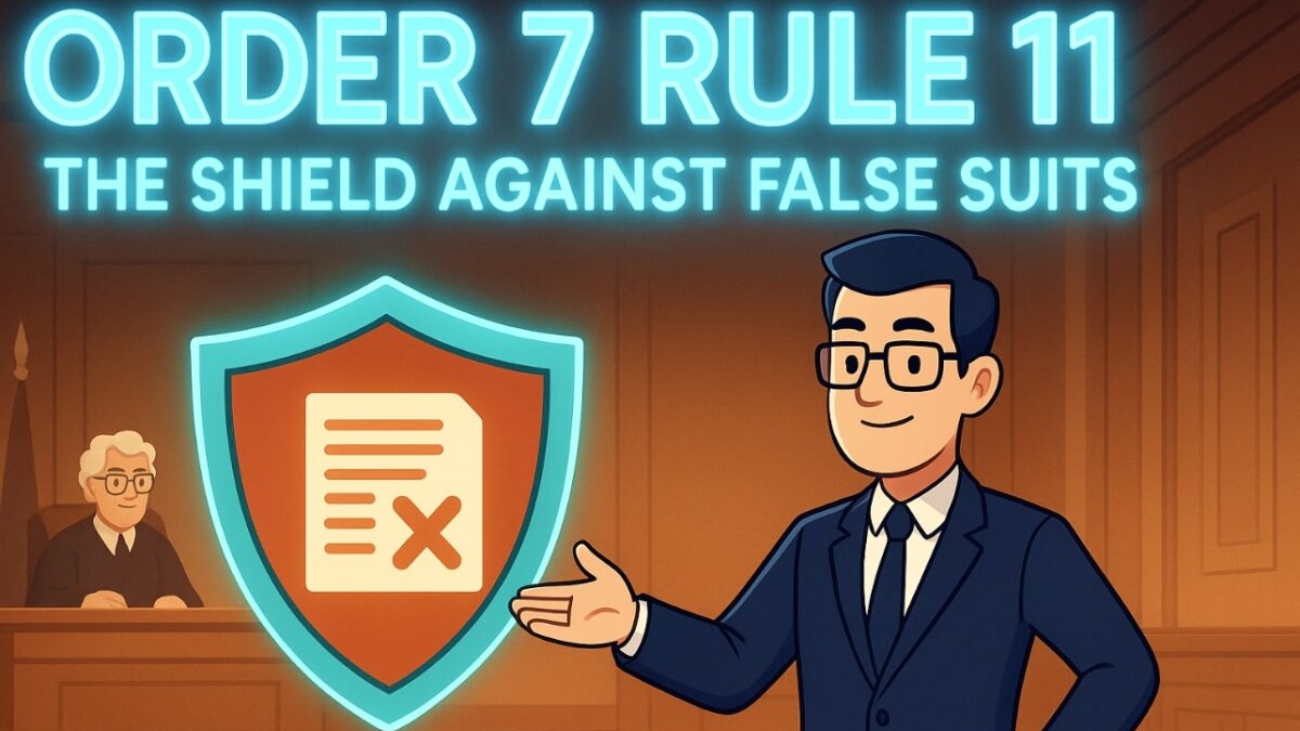
Order 7 Rule 11 – The Most Important Filter in Civil Procedure Code-How to use this in District Court Dwarka, New Delhi

Order 7 Rule 11 CPC – A Powerful Remedy to Reject a Civil Suit | Complete Guide

Order 7 Rule 11 CPC, rejection of plaint, frivolous civil suit, how to file O7R11, Dwarka Court Delhi, civil procedure code, reject suit for no cause of action, legal remedy against false suit

Detailed and practical guide on Order 7 Rule 11 CPC—its importance, usage, filing procedure in Dwarka Courts, and top Supreme Court judgments. Ideal for clients facing false or baseless civil cases.

Introduction

In my 18+ years of civil litigation, one provision that has consistently proven to be the sharpest shield for a defendant is Order 7 Rule 11 of the Civil Procedure Code (CPC).

It is not merely a technical section—it is a powerful safeguard to prevent frivolous, deceptive, non-maintainable or legally dead suits from wasting the court’s time and the defendant’s money, energy and peace.

This provision allows a court to reject a plaint at the very threshold, even before trial, if it does not disclose a valid cause of action or is barred by law.

What is Order 7 Rule 11 CPC? (Explained Simply)

Order 7 Rule 11 empowers the court to reject a plaint if it falls under any of these categories:

  1. No cause of action disclosed
  2. Relief undervalued and plaintiff fails to correct it
  3. Insufficient court fee, not cured after court’s order
  4. Suit barred by any law – limitation, statutory bar, jurisdiction issues
  5. Plaint filed in duplicate not submitted
  6. Plaint is vague, illusory or meaningless

This means the court can dismiss such a suit without calling witnesses or starting trial.

Why Order 7 Rule 11 Is Extremely Important?

✔ Saves the defendant from long years of litigation

✔ Stops misuse of court process

✔ Keeps judiciary efficient by removing frivolous suits

✔ Protects genuine litigants by ensuring court time is not wasted

✔ Gives immediate relief if the suit itself is defective or legally barred

In real practice, many plaintiffs file suits only to create pressure, gain bargaining advantage, or drag the defendant to court unnecessarily.

Order 7 Rule 11 is the antidote to such misuse.

My Perspective After 18+ Years of Advocacy

With nearly two decades in civil courts including Dwarka District Court, I can say:

  • Courts do not reject suits lightly.
  • A well-drafted O7R11 application with proper legal grounds impresses the court.
  • The defendant must use it only when the suit is truly non-maintainable, not as a delaying tactic.
  • Filing it at the right stage and under the right circumstances often changes the entire case strategy.

A balanced approach is essential:

Use this provision as a shield, not a sword.

When Should You Use Order 7 Rule 11? (Practical Guide)

You should use O7R11 when:

1. The plaint shows no cause of action

Many suits are drafted with emotional narrative but no legal cause of action.

If the plaint itself shows the plaintiff has no right, O7R11 is ideal.

2. The suit is hopelessly barred by limitation

If dates mentioned in the plaint show the suit is filed too late, the court must reject it.

3. Suit is filed to harass the defendant

Property disputes, injunction suits, partnership disputes often include vague or false pleading.

4. Suit is barred under any special statute

Examples:

  • Benami Prohibition Act
  • Specific Relief Act provisions
  • Delhi Rent Control Act
  • SARFAESI Act

5. No court fee / wrong valuation

If the plaintiff undervalues the relief, he must correct it or face O7R11.

How to File Order 7 Rule 11 Application in Dwarka District Court (Step-by-Step)

1. Drafting

Your advocate prepares a detailed application stating:

  • Grounds for rejection
  • Relevant statutory provisions
  • Supporting case laws
  • Extracts from plaint showing defects

2. Attachments

  • Copy of plaint
  • Documents relied on by plaintiff
  • Supporting judgments

3. Filing Section

The application is filed at the Filing Counter (Ground Floor) of Dwarka Courts.

4. Scrutiny & Listing

  • After scrutiny, it is listed before the court where the main suit is pending.
  • The court issues notice to the plaintiff.

5. Arguments

Arguments focus strictly on plaint allegations, because for O7R11, the court only examines the plaint—not your defence.

6. Court Order

If the court accepts the grounds:

→ Plaint is rejected

→ Defendant is relieved from the entire litigation

A certified copy can be taken immediately after the order for future use.

Top Supreme Court Judgments on Order 7 Rule 11 (Supra)

1. T. Arivandandam v. T.V. Satyapal (1977) 4 SCC 467

Supreme Court directed trial courts to strike out frivolous and vexatious suits at the threshold.

2. Sopan Sukhdeo Sable v. Assistant Charity Commissioner (2004) 3 SCC 137

Held that for O7R11, only plaint averments are considered, not defence.

3. Kamala v. K.T. Eshwara Sa (2008) 12 SCC 661

O7R11 can be invoked at any stage of the proceedings.

4. Church of Christ Charitable Trust v. Ponniamman Educational Trust (2012) 8 SCC 706

If suit is barred by limitation on the face of plaint → mandatory rejection.

5. Dahiben v. Arvindbhai Kalyanji Bhanusali (2020) 7 SCC 366

Plaint with illusory cause of action must be rejected.

6. Saleem Bhai v. State of Maharashtra (2003) 1 SCC 557

Court must not consider evidence at this stage.

Conclusion

Order 7 Rule 11 is not about “winning quickly”—

it is about preventing unjustified litigation from beginning at all.

As a defence tool, it is often underused by clients, mainly because they do not know such a strong legal remedy exists.

For defendants in Dwarka Courts or anywhere in India:

If the suit filed against you seems false, time-barred, or legally unsustainable—

O7R11 may provide immediate relief and save years of litigation.

Consult an experienced advocate to determine the most suitable mode of service based on the facts of your case and court practice.

Contact me for Consultation :- 9899085554, 9811885554

Ankit Gaurav Kainth Advocate, Dwarka Court, Chamber No.728, 7th Floor, Dwarka, New Delhi
https://share.google/4r7kHm3s4da3OS9rS

https://www.instagram.com/reel/DRrwtE6iS3q/?utm_source=ig_web_copy_link&igsh=MzRlODBiNWFlZA==

0699CDF6-CAD4-489B-96A2-799E18C2E9AB

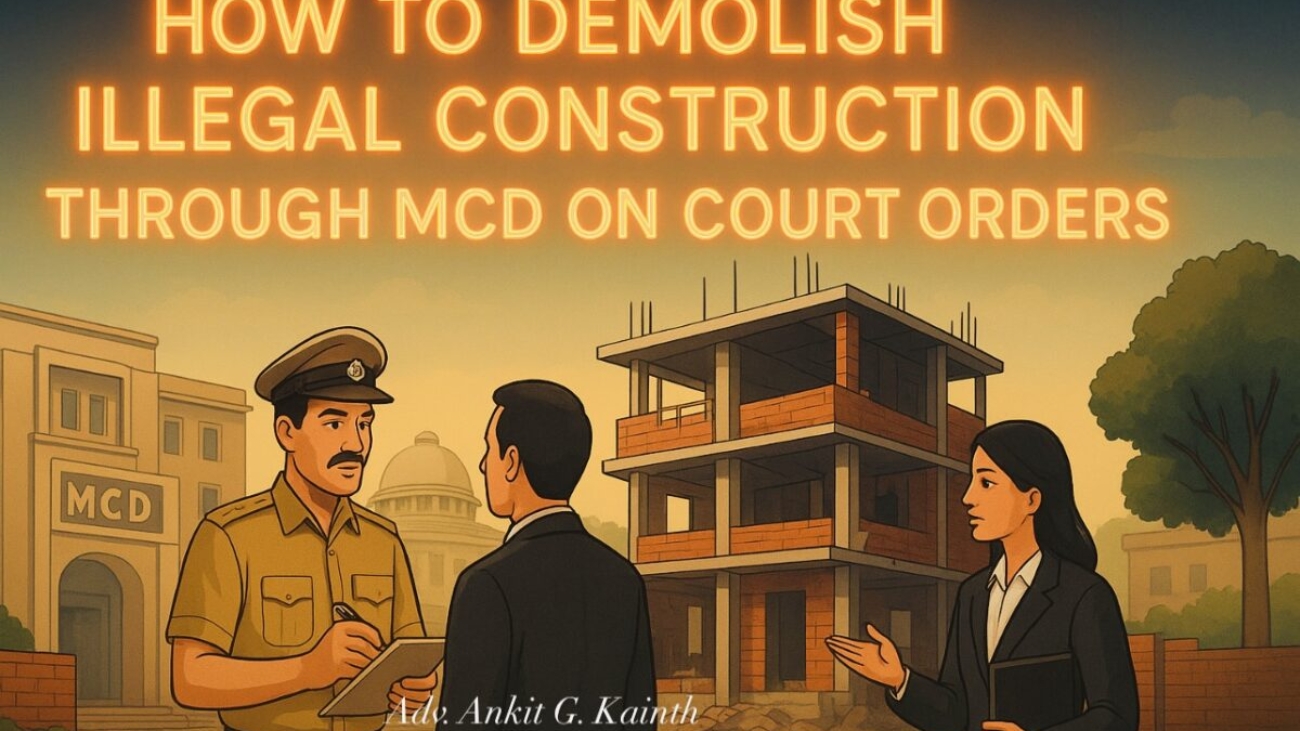
🚧 How to Get Illegal Construction Demolished Through MCD on Court Directions — A Complete Guide for Dwarka Court Litigants

Blog By Civil Advocate in Dwarka Court with 18+ years of Practical Knowledge in New Delhi.

Illegal construction has become one of the biggest civic challenges in New Delhi. Every lane has at least one neighbour raising extra floors, covering balconies, extending walls, or encroaching public spaces—completely ignoring safety norms and municipal laws. After working for more than 18+ years in Civil & Criminal litigation in District Courts & Delhi High Court, I can confidently say one thing:

Courts take illegal construction very seriously — and the law is completely on your side.

If your neighbour has raised an illegal structure, you can get it demolished. The process is systematic, legally strong, and absolutely effective when done correctly.

Why Illegal Construction Is Treated So Strictly

Illegal construction affects:

  • Structural safety of neighbouring buildings
  • Ventilation & sunlight
  • Fire safety and evacuation
  • Property valuation
  • Public pathways and civic amenities

This is why both MCD and Courts treat such violations as a zero-tolerance issue.

Step-by-Step Legal Procedure to Get Illegal Construction Removed

1️⃣ File a Complaint Before MCD (Chairman + Area Executive Engineer)

Your first mandatory step is to file a written complaint with:

  • MCD Chairman
  • Executive Engineer (Building) of your Zone
  • Copy to Deputy Commissioner

Why this is required?

Under municipal rules, MCD gets 90 days to inspect the property, issue notices under Section 343/344 DMC Act, and take demolition action.

Important Tip:

Always file complaints:

✔️ By speed post

✔️ Through online MCD portal

✔️ Maintain photocopies & receipts

These documents become crucial evidence in Court.

2️⃣ After 90 Days, You Have Two Remedies

(A) File a Writ of Mandamus in Delhi High Court

You can approach High Court seeking directions to MCD to:

  • Conduct inspection
  • Pass demolition orders
  • Remove the illegal structure

High Court is extremely strict on illegal construction and often issues time-bound directions to MCD.

(B) File a Suit Before Civil Court, Dwarka

In many cases, a Civil Suit is the more suitable and immediate remedy.

You may file:

  • Suit for Mandatory Injunction (for demolition)
  • Suit for Permanent Injunction (to restrain further construction)
  • Suit for Declaration (if property rights need clarification)

Dwarka District Court has repeatedly passed strong orders directing demolition and restraining illegal constructions.

3️⃣ Urgent Situations — Waiver of 90 Days Waiting Period

If the construction is:

  • Happening rapidly
  • Causing structural threat
  • Blocking light/air
  • Causing privacy issues
  • Endangering your property

…you are entitled to apply for waiver of 90-day MCD waiting period.

Courts may grant urgent interim relief like:

  • Stay on further construction
  • Immediate inspection by MCD
  • Status-quo orders
  • Time-bound demolition directions

You only need to provide justified reasons in writing.

My 18+ Years of Practical Courtroom Experience

From my practice in District Courts & Delhi High Court, I have observed that:

  • Courts are extremely fair and balanced.
  • MCD is bound to follow Court orders—no excuses.
  • Illegal construction cases move quickly when filed properly.
  • Documentary proof and timely complaints make the case strong.
  • Justice is always delivered, even if delayed.

Procedure is simple, effective, and 100% result oriented — never lose hope.

5 Supra Judgments on Illegal Construction & Demolition

1️⃣ M.I. Builders Pvt. Ltd. v. Radhey Shyam, (1999) 6 SCC 464

Relevance:

Supreme Court held that no authority can allow illegal construction; demolition is the rightful remedy to restore rule of law.

2️⃣ Friends Colony Development Committee v. State of Orissa, (2004) 8 SCC 733

Relevance:

Court emphasized strict action against builders violating sanctioned plans; illegal structures must be removed irrespective of investment.

3️⃣ Dipak Kumar Mukherjee v. Kolkata Municipal Corp., (2013) 5 SCC 336

Relevance:

SC directed Municipal authorities to act immediately against illegal construction without waiting for complaints.

4️⃣ Delhi Development Authority v. Skipper Construction, (1996) 4 SCC 622

Relevance:

Courts may pass harsh directions, including demolition, if construction violates building norms or misuses permissions.

5️⃣ A.P. Pollution Control Board v. Prof. M.V. Nayudu, (1999) 2 SCC 718

Relevance:

Reinforces the principle that environmental and structural safety must prevail over individual convenience — illegal structures must be removed.

  • How to Stop Illegal Construction by Neighbour in Delhi
  • How to Demolish Illegal Building Through Court Orders
  • MCD Demolition Procedure Explained
  • Dwarka Court Guide for Civil Suits on Illegal Construction
  • Mandatory Injunction Suits for Removing Illegal Construction

“How to Get Illegal Construction Demolished Through MCD on Court Orders – Complete Guide for Dwarka Court Litigants”

#IllegalConstruction #MCDActions #DwarkaCourt #DelhiHighCourt #CivilLitigation #PropertyLaw #DemolitionOrders #MandatoryInjunction #NeighbourDisputes #LegalAdviceDelhi

Consult an experienced advocate to determine the most suitable mode of service based on the facts of your case and court practice.

Contact me for Consultation :- 9899085554, 9811885554

Ankit Gaurav Kainth Advocate, Dwarka Court, Chamber No.728, 7th Floor, Dwarka, New Delhi
https://share.google/4r7kHm3s4da3OS9rS

Follow us for more Legal & Recent Updates :-

3470BA4D-3C01-4A1E-8F5F-7EF9DE44D00D

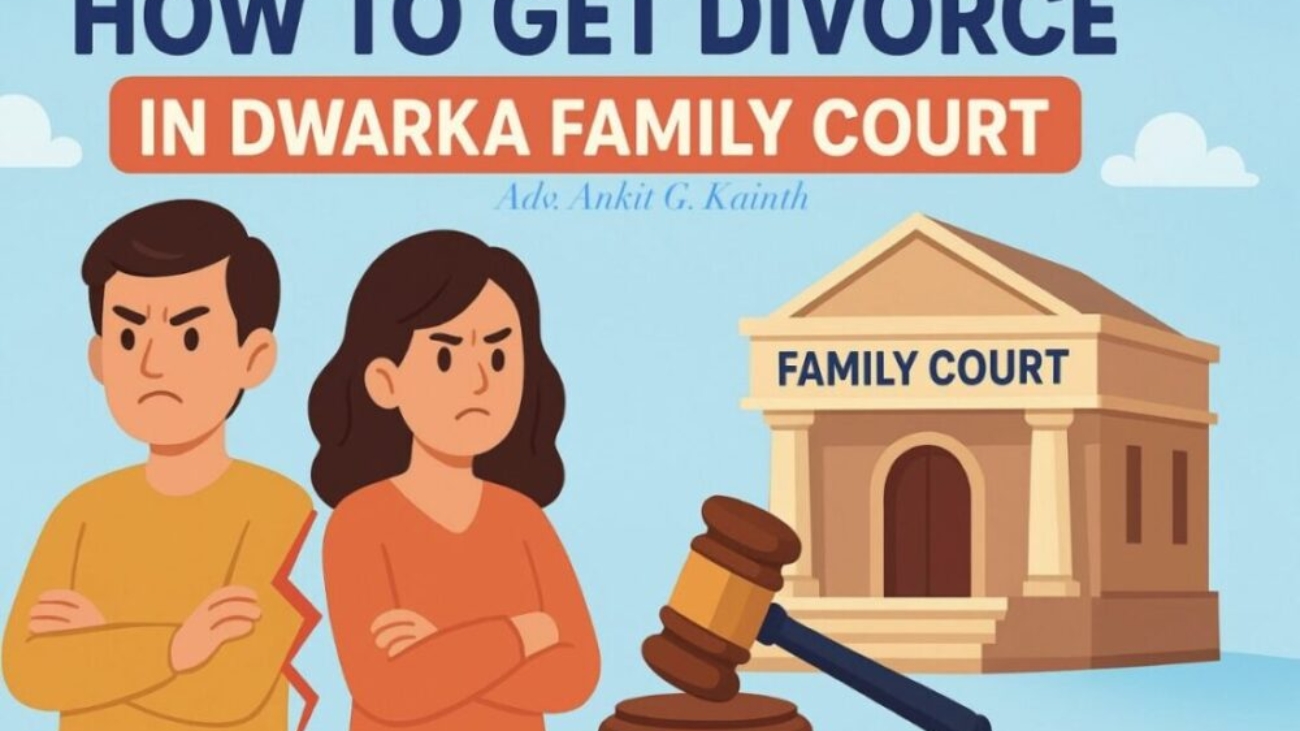
“How to Get Divorce in Dwarka Court: Top 10 Supreme Court Citations Every Client Must Know”

Divorce in Dwarka Court, Family Cases: Expert Guide + 10 Most Important Supreme Court Judgments.

Top Supreme Court Judgments on Divorce | Complete Guide for Dwarka Family Court Clients

Best 10 Supreme Court Judgments for Divorce | Guide to Filing Divorce in Dwarka Family Court, Delhi.

Introduction

Divorce is never easy — emotionally, socially or legally. But if a marriage becomes unworkable, sometimes ending it with dignity is the only practical solution. For those approaching a family court such as the one in Dwarka Court (New Delhi), knowing the landmark rulings of Supreme Court of India (SC) can make a big difference. These judgments shape how divorce petitions are framed, argued, and decided.

Here I outline ten of the most important Supreme Court judgments / principles that influence divorce law in India — particularly under the Hindu Marriage Act, 1955 (HMA) — along with “important notes” on each, and then offer my practical view and guidance: how a client in Dwarka Family Court may approach divorce “like a pro.”

Top 10 Supreme Court Judgments / Principles for Divorce

1. Irretrievable Breakdown / Irreconcilable Differences — Judicial Recognition

  • In a recent ruling, SC held that even though “irretrievable breakdown of marriage” is not explicitly a ground under HMA, the Court — under its constitutional powers (Article 142) — can dissolve a marriage when it is “emotionally perished, dead, unworkable and beyond repair.”  
  • The Court emphasized that forcing a couple to continue living together when there is no possibility of reconciliation serves no purpose and only prolongs agony.  
  • Important Note: This judgment is a game-changer because it moves jurisprudence beyond the rigid “fault-based” grounds (cruelty, desertion, adultery), by recognizing “no-fault but failed marriage” as a valid basis for divorce — provided facts justify it. Courts will evaluate: period of separation, when last cohabited, attempts at reconciliation, gravity of allegations, etc.  

2. Long Separation + Mental Cruelty / Failed Marital Relationship — Naveen Kohli v. Neelu Kohli (2006, 4 SCC 558)

  • In this case, SC noted that when parties have lived separately for a “sufficient length of time,” petition for divorce may be granted — since continuation of an unworkable marriage causes more misery.  
  • The Court observed that “cruelty” under HMA need not always be active; prolonged hostility, humiliation, false accusations, separation etc., may cumulatively amount to mental cruelty.  
  • Important Note: This helps clients who may not have overt “violent cruelty” but have undergone years of alienation, neglect or irreparable breakdown. Long separation with no hope of reconciliation becomes a valid ground.

3. Definition of “Mental Cruelty” — Samar Ghosh v. Jaya Ghosh (2007, 4 SCC 511)

  • In this landmark case, SC provided “illustrative guidelines” of what may constitute mental cruelty under Section 13(1)(i-a) of HMA. These are not exhaustive, but indicative.  
  • Examples include: sustained abusive or humiliating behaviour; refusal to fulfil marital obligations; public humiliation; false accusations of immorality; refusal to have children; long separation making cohabitation impossible.  
  • The Court also stressed that “cruelty” must be evaluated from the perspective of a “reasonable” spouse — not by sensitivity of petitioner. Everyday conflicts, small irritations or normal wear-and-tear do not count.  
  • Important Note: This case is often the foundation when clients come with allegations of “emotional cruelty,” “mental harassment,” “denial of marital rights,” especially where there are no physical abuses but persistent neglect, hostility or alienation.

4. Broad Application of “Cruelty” — V. Bhagat v. D. Bhagat (1994, 1 SCC 337)

  • In this older but foundational case, the Court held that mental cruelty under HMA must be considered in light of the social status, background, capacity to endure, and individual circumstances. What is cruelty in one context may not be in another.  
  • The Court observed that cruelty does not require physical violence or injury; mental pain, suffering, anguish, intolerability of continued cohabitation suffice.  
  • Important Note: This judgment remains relevant — especially in Delhi courts — for clients whose suffering is intangible (emotional neglect, humiliation, pattern of hostility). It ensures that courts do not look only for physical abuses.

5. Adultery / Extramarital Relations as Component of Cruelty — e.g. Savitri Pandey v. Prem Chandra Pandey (AIR 2002 SC 591)

  • In this case (and related jurisprudence), extramarital affairs, if proved, have been held to amount to mental cruelty, causing indignity, social humiliation, breach of trust, and therefore valid ground for divorce.  
  • Important Note: For clients in Dwarka, if there is credible evidence (phone records, testimonies, etc.) of infidelity, this ground remains viable — though courts today treat allegations carefully, and a mere suspicion may not suffice.

6. Provision for Alimony / Maintenance even in Void / Voidable or Broken Marriages — Sukhdev Singh v. Sukhbir Kaur (2025) (recent)

  • In a 2025 decision, SC ruled that even when a marriage is declared void under HMA, a spouse may be entitled to interim maintenance or permanent alimony under Sections 24/25 of HMA.  
  • Important Note: This judgment brings hope to people whose marriage may be void or voidable (for example due to earlier existing marriage, bigamy, etc.) — they may still claim financial relief even if the marriage is annulled.

7. Preventing Misuse — Void Second Marriages / Bigamy and Legal Consequences — Sarla Mudgal v. Union of India (1995, AIR 1995 SC 1531)

  • In this important precedent, the SC held that a second marriage obtained via conversion (to Islam) without dissolving the first marriage remains void, and such bigamy constitutes an offence under Indian Penal Code — thus emphasizing the sanctity of the first marriage and need for formal dissolution.  
  • Important Note: For clients in Dwarka (or elsewhere), this serves as caution: one cannot “escape” first marriage by conversion or back-door mechanisms — formal divorce/decree of annulment must precede any new marriage.

8. Judicial Finality — SC Encouraging “Quietus” to Prolonged Matrimonial Litigation: e.g. Manju Kumari Singh v. Avinash Kumar Singh (2018 SCC OnLine SC 739)

  • In this case, SC observed that where parties have lived separately for long, all mediation / conciliation attempts failed, and litigation has dragged on, giving a final decree may bring peace and closure — especially when there are children grown-up and settlement is possible.  
  • Important Note: This demonstrates the Court’s sensitivity to mental distress, social impact and future of children; showing that SC can — and will — intervene to end “never-ending matrimonial warfare.”

9. Cooling-Off Period (Mutual Consent) Can Be Waived — Role of Consent under HMA’s Section 13B

  • Under HMA, mutual-consent divorce typically requires a waiting (cooling) period (six months). But SC has held that in appropriate, exceptional situations — such as irretrievable breakdown, long separation and mutual agreement — this waiting period can be waived.  
  • Important Note: For couples seeking amicable separation and divorce by mutual consent, this flexibility helps expedite the process — especially useful in a busy family court like Dwarka, saving time, cost and emotional burden.

10. “Fault Theory” Remains, but Courts Interpret It Broadly — Understanding Statutory vs Judicial Grounds

  • Under the HMA, Section 13(1) lists “fault-based” grounds (adultery, cruelty, desertion, etc.) for divorce. SC judgments — such as those above — show that fault need not be only physical or obvious; mental cruelty, desertion, prolonged separation, breakdown of relationship may all count.  
  • The Court’s jurisprudence reflects that “fault” is not narrowly defined; courts must look at totality of conduct, whether continued cohabitation is reasonable, and whether marriage has become a mere formality.  
  • Important Note: Clients should not assume that only dramatic events (violence, bigamy etc.) give grounds for divorce — repeated neglect, emotional cruelty, or long separation also qualify.

My View (as a Practitioner) — Divorce Cases in Dwarka Court, Delhi: How I Would Approach Them

Having seen several cases in Delhi’s Family Courts (including Dwarka), I believe that these developments make divorce more accessible — but proper strategy, documentation, and realistic expectations are essential. Here is how I would guide a client “like a pro”:

  1. Frame the Petition Based on Facts, Not Emotions Alone
    • Use facts to show prolonged separation, breakdown of marriage, lack of cohabitation, no chance of reconciliation.
    • If there is cruelty — whether mental, emotional, neglect, indifference — gather evidence: WhatsApp messages/chats, proof of separation, statements of friends/family, mail records, financial neglect, refusal to fulfil marital obligations, etc.
  2. Decide Between “Contested Divorce” vs “Mutual Consent / Waiver”
    • If both spouses agree, a mutual-consent divorce could be fastest; but ensure consent is free, informed, documented.
    • If there are differences or disputes (custody, alimony, behaviour), go the contested route — but anchor it on SC precedents (e.g. modern broad definition of cruelty / irretrievable breakdown).
  3. Prepare for Alimony / Maintenance — Even in Void / Voidable Cases
    • If marriage is being annulled or declared void (void second marriage, bigamy, etc.), you can still claim maintenance / interim alimony under law as per recent SC judgment. This matters in Delhi, where cost of living is high.
  4. Use Separation/Cohabitation Gap Strategically
    • Long separation itself is a strong ground now (see Naveen Kohli, Samar Ghosh). Many clients underestimate this. Show evidence of no cohabitation, no contact, estrangement, efforts of reconciliation failed — this helps even if there is no clear “violence.”
  5. Avoid “Over-Legalising” — But Don’t Under-Document Either
    • Courts dislike petty “non-cooperation” or trivial complaints — they expect a threshold for cruelty. But also avoid vague allegations. Present well-documented, concrete behaviour that objectively shows breakdown.
  6. Be Realistic — Litigation Takes Time; But With Right Approach, Family Court in Dwarka Can Be Approached Confidently
    • Family courts in Delhi are busy. But if the case is built properly, based on SC precedents, with clarity of facts and reasonable expectations, one can aim for a solid hearing.

How to File a Divorce “Like a Pro” in Dwarka / Delhi: Step-by-Step Guide

  1. Consult an experienced family-law lawyer. Review facts, documents, separation history, communications, behaviour.
  2. Decide grounds: cruelty, irretrievable breakdown, mutual consent, desertion, etc., whichever fits facts.
  3. Draft the petition under HMA (or relevant law) citing relevant SC judgments (as above) for support.
  4. Attach affidavits, proof of separation/cohabitation gap, correspondence, evidence of conduct, assets/income for alimony.
  5. Attend mandatory processes (reconciliation attempts, mediation if required), but be prepared to push for scrutiny under SC precedents.
  6. Be prepared for cross-examination if allegations involve cruelty / misconduct — ensure evidence backing.
  7. If mutual consent divorce, document voluntary agreement, settlement of alimony, custody, assets — and consider requesting waiver of cooling period if justified.
  8. After decree, complete ancillary proceedings (alimony, property settlement, custody, maintenance) — courts in Delhi generally respect SC-based precedents.

Conclusion

Divorce law in India has evolved significantly — from rigid fault-based grounds to a more realistic and humane jurisprudence recognising irretrievable breakdown, mental cruelty, long separation and overall unworkability of marriage. If you (or your client) are approaching a family court such as in Dwarka, New Delhi, understanding the key judgments of the Supreme Court is not just academic — it is strategic and practical.

With proper facts, documentation, and realistic strategy — built on the pillars of precedent such as Naveen Kohli, Samar Ghosh, V. Bhagat, Sukhdev Singh v. Sukhbir Kaur, Sarla Mudgal, among others — one can approach divorce proceedings confidently, with clarity, and a fair chance for a just outcome.

  • Divorce in Dwarka CourtDivorce lawyer in Dwarka
  • How to file divorce in Dwarka Family Court
  • Supreme Court judgments on divorce
  • Best divorce lawyer in Delhi
  • Divorce on the ground of cruelty
  • Irretrievable breakdown of marriage judgments
  • Mutual consent divorce Dwarka
  • Contested divorce Delhi
  • Important divorce citations
  • IndiaSupreme Court rulings on marital cruelty
  • Dwarka Family Court legal advice
  • Divorce case procedure Delhi
  • Divorce filing process step by step
  • Mental cruelty divorce case laws
  • Separation and divorce Delhi
  • Best Supreme Court judgments for divorce
  • Filing divorce like a pro
  • Legal guide for divorce clients Delhi

Consult an experienced advocate to determine the most suitable mode of service based on the facts of your case and court practice.

Contact me for Consultation :- 9899085554, 9811885554

Ankit Gaurav Kainth Advocate, Dwarka Court, Chamber No.728, 7th Floor, Dwarka, New Delhi
https://share.google/4r7kHm3s4da3OS9rS

FOLLOW US FOR MORE LEGAL AND RECENT UPDATES:-

https://www.linkedin.com/embed/feed/update/urn:li:share:7413981654014328832?collapsed=1

203C31DB-43CE-4594-AB30-B815EABD675C

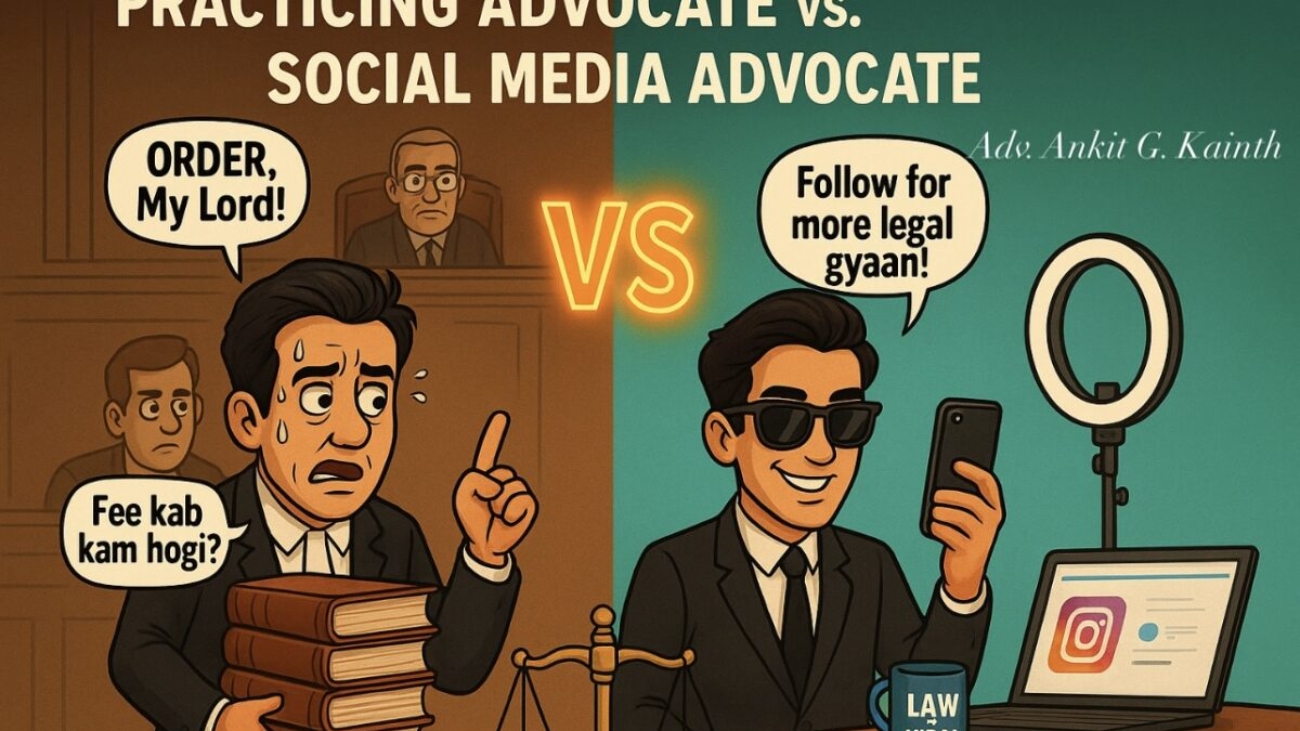
Practicing Advocate vs. Social Media Advocate 🤓📱⚖️

In today’s era, there are two species of lawyers roaming freely—
1. Practicing Advocates: Found in courts, drenched in sweat, burdened with files.
2. Social Media Advocates: Found online, drenched in filters, burdened with hashtags.

Let’s decode the epic differences between the two—because trust me, it’s more entertaining than any Netflix drama.

  1. Workstation 🏛️ vs. 📱
    • Practicing Advocate: Courtrooms, bar libraries, dusty registers.
    • Social Media Advocate: Cafés with Wi-Fi, reels with trending songs.
    👉 One-liner: “Court mein date milti hai, Insta pe followers!”

  1. Uniform 👔 vs. 👕
    • Practicing Advocate: Black coat, band, sweaty face.
    • Social Media Advocate: Blazer for DP, T-shirt for reel.
    👉 One-liner: “Practicing advocate wears black, social media advocate adds filters to black.”

  1. Arguments 🎤 vs. 🎶
    • Practicing Advocate: Argues before judges with citations.
    • Social Media Advocate: Argues before comments section with emojis.
    👉 One-liner: “One needs case laws, other just needs good captions.”

  1. Reality ⏳ vs. Views 👀
    • Practicing Advocate: Waits 4 hours for their matter to be called.
    • Social Media Advocate: Waits 4 seconds for likes to roll in.
    👉 One-liner: “Court ka patience > Insta ka algorithm.”

  1. Income 💰 vs. 💕
    • Practicing Advocate: Fee comes late, after multiple reminders.
    • Social Media Advocate: Payment? Nah, just “exposure” and “collabs.”
    👉 One-liner: “Advocate paisa ke liye fight karta hai, influencer spotlight ke liye.”

  1. Clients 👨‍👩‍👦 vs. 👥
    Practicing Advocate: Handles emotional clients shouting “Humari izzat ka sawal hai!”
    • Social Media Advocate: Handles followers shouting “Next reel kab aayegi?”
    👉 One-liner: “One manages affidavits, other manages aesthetics.”

  1. Legacy 📚 vs. 📸
    • Practicing Advocate: Builds reputation after years in court.
    • Social Media Advocate: Builds reputation after one viral reel.
    👉 One-liner: “Court mein senior ban’ne mein 20 saal, Insta pe sirf 20 seconds.”

Final Verdict ⚖️😂

Both are advocates in their own kingdoms. The practicing advocate fights for justice, while the social media advocate fights for attention. One seeks judgments, the other seeks engagement. Yet both remind us—law is not just about black coats, but also about adapting with time.

👉 Closing one-liner: “Courtroom ho ya Instagram, sabko apni audience chahiye!”

Consult an experienced advocate to determine the most suitable mode of service based on the facts of your case and court practice.

Contact me for Consultation :- 9899085554, 9811885554

Ankit Gaurav Kainth Advocate, Dwarka Court, Chamber No.728, 7th Floor, Dwarka, New Delhi
https://share.google/4r7kHm3s4da3OS9rS

FOLLOW US FOR MORE LEGAL & RECENT UPDATES:-

7B3359CC-2D29-4C7D-80E5-3D9CA472EF3A

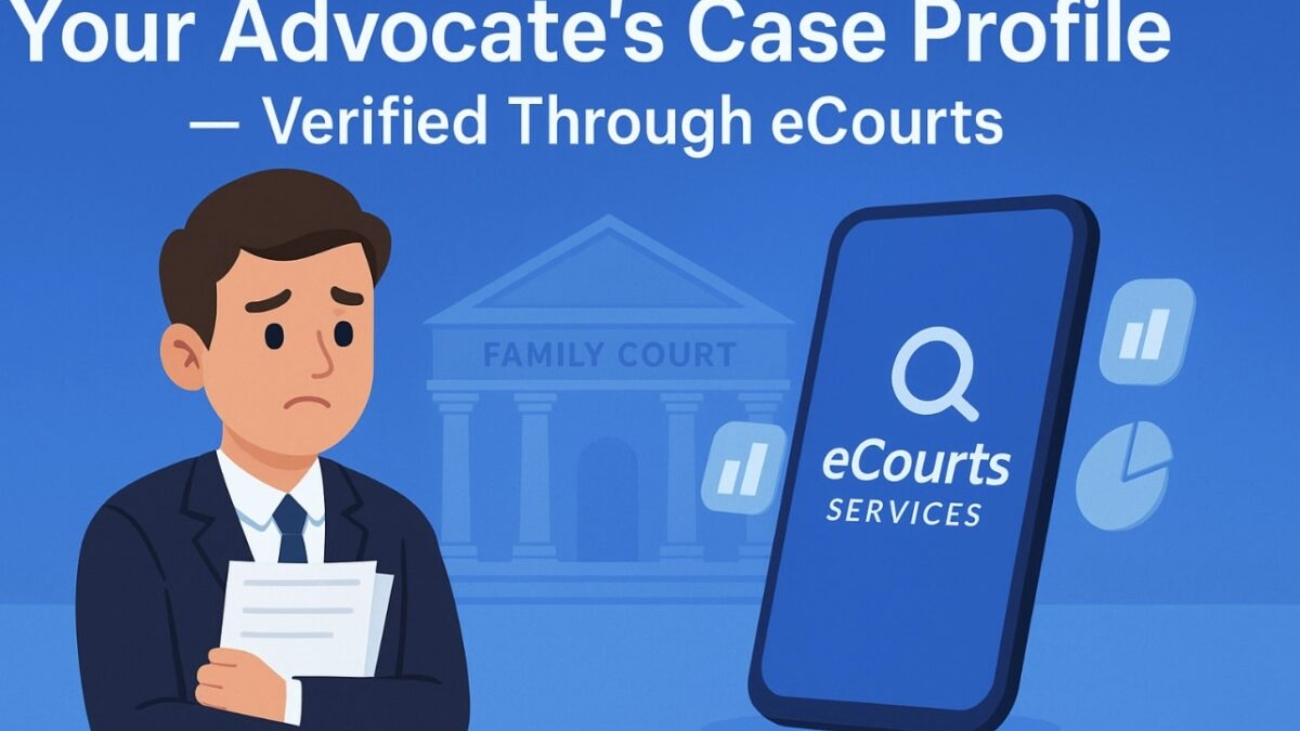
How to Check eCourts Services App to See an Advocate’s Pending & Disposed Cases in Dwarka Court🧑‍💼📊✨

Yes, you read it right—you can check the total number of cases presently filed by any Advocate in any District Court or dwarka court across India through the eCourts Services App. This simple check can give clients a major boost of confidence and helps them understand the actual practice profile of the lawyer they intend to engage.

Most clients feel confused while choosing the right advocate. Some rely on word of mouth, others rely on online profiles. But the most authentic data is available directly from the judicial system itself. The eCourts App allows you to see how many cases an Advocate has filed, in which courts they appear frequently, and how active their litigation practice really is.


How to Check an Advocate’s Case Data on eCourts Services App 🏛️📱
1. Download the “eCourts Services” App from Play Store or App Store.
2. Open the app and select ‘Search by Advocate Name’.
3. Choose the State and the District Court.
4. Enter the Advocate’s Name exactly as registered on court records.
5. Instantly, you’ll see the details of:
• Pending cases
• Disposed cases
• Court number & case type
• Year of filing

This tool reveals an Advocate’s primary practice area, the type of matters they handle, and the courts where they consistently appear.


Example: My Case Data from Dwarka District Court, New Delhi 🏛️📍

For illustration, here is my own active filing record as visible on eCourts:
1. Chief Metropolitan Magistrate (South-West) DWK – 16 Cases
2. Senior Civil Judge-cum-RC (South-West) DWK – 14 Cases
3. Principal Judge Family Court (South-West) DWK – 22 Cases
4. District & Sessions Judge (South-West) DWK – 22 Cases

Total: 16 + 14 + 22 + 22 = 74 cases
This reflects only my filed matters in Dwarka Courts.
In addition, I regularly appear in:
✔ All Six Delhi District Courts
✔ Delhi High Court
✔ All Haryana District Courts
✔ Chandigarh High Court
✔ Nainital High Court
✔ Jaipur High Court

Do note: The app shows only cases filed by the lawyer, not the matters where the lawyer appears as counsel for defendants or accused.


Why This Data Matters for Clients & Advocates 🔍💡
• Authenticity: You get court-verified information—not marketing claims.
• Transparency: Clients can see where the advocate genuinely practices.
• Specialization Insight: More filings in a particular court show a strong command in that jurisdiction.
• Referral Decisions: Even advocates can verify the presence and experience of fellow lawyers before referring matters.
• Confidence Building: When clients see real data, decision-making becomes easier, faster, and more trust-based.


In today’s digital era, knowledge empowers clients. The eCourts App is a simple yet powerful tool that helps you understand an advocate’s real-world litigation footprint and ensures you engage someone truly active and experienced in the relevant court.

#Law
#BestAdvocateinDwarkaCourtdelhi

Consult an experienced advocate to determine the most suitable mode of service based on the facts of your case and court practice.

Contact me for Consultation :- 9899085554, 9811885554

Ankit Gaurav Kainth Advocate, Dwarka Court, Chamber No.728, 7th Floor, Dwarka, New Delhi
https://share.google/4r7kHm3s4da3OS9rS