

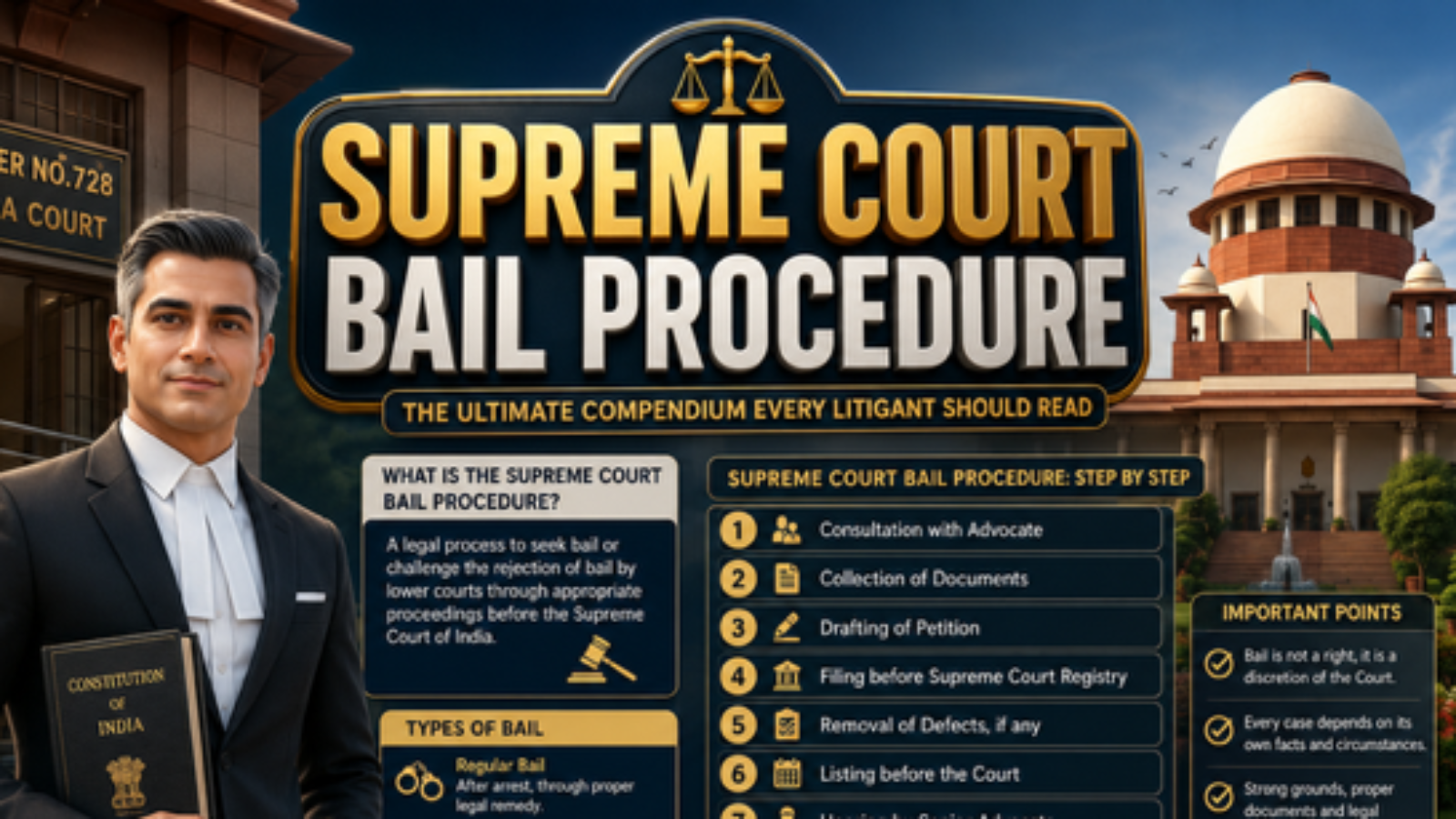
INTRODUCTION – Supreme Court Bail Procedure

Getting bail is often the first and most urgent concern for an accused person and their family. However, many people believe that approaching the Supreme Court is the first step for obtaining bail. In reality, the Supreme Court Bail Procedure follows a structured legal process, and understanding that process can save valuable time, effort, and legal expense.
Whether you are seeking regular bail, anticipatory bail, or challenging the rejection of bail by lower courts, knowing the Supreme Court Bail Procedure is essential. This guide explains the process in simple language while highlighting the role of an experienced Advocate in Supreme Court, Criminal Advocate Supreme Court, and Crime Lawyer Supreme Court.
⚖️ What is the Supreme Court Bail Procedure?
The Supreme Court Bail Procedure refers to the legal process through which a person approaches the Supreme Court of India seeking bail or challenging an order refusing bail passed by a High Court or another competent court.
Generally, the Supreme Court entertains bail matters through a Special Leave Petition (SLP) under Article 136 of the Constitution or other appropriate proceedings, depending upon the facts of each case.
Therefore, every case requires careful legal evaluation before approaching the Supreme Court.
📌 When Can You Approach the Supreme Court for Bail?
A person may approach the Supreme Court in situations such as:
- ✅ Bail rejected by the High Court.
- ✅ Exceptional circumstances requiring urgent intervention.
- ✅ Serious violation of constitutional or legal rights.
- ✅ Matters involving significant questions of law.
- ✅ Cases where immediate protection is necessary in the interest of justice.
However, every matter depends upon its own facts, applicable law, judicial precedents and the discretion exercised by the Court.
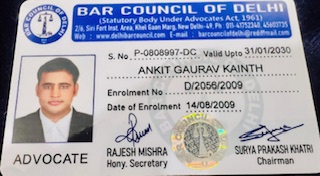
📋 Understanding the Supreme Court Bail Procedure
| Stage | Process | Important Point |
| Step 1 | Consultation with an Advocate in Supreme Court | Case evaluation and legal strategy |
| Step 2 | Collection of documents | FIR, charge sheet, impugned orders, evidence and other records |
| Step 3 | Drafting of Petition | Accurate drafting is crucial |
| Step 4 | Filing before the Supreme Court Registry | Registry scrutiny takes place |
| Step 5 | Removal of defects, if any | Procedural compliance is essential |
| Step 6 | Listing before the Court | Matter is assigned before the appropriate Bench |
| Step 7 | Hearing by Senior Advocate/Advocate-on-Record | Legal arguments are presented |
| Step 8 | Final Order | Bail may be granted, refused or directions may be issued |
📖 Types of Bail That May Reach the Supreme Court
✅ Regular Bail
Regular bail is sought after arrest. The Supreme Court Bail Procedure may be invoked after exhausting appropriate remedies before subordinate courts and the High Court.
✅ Anticipatory Bail
In suitable circumstances, disputes relating to anticipatory bail may also reach the Supreme Court. An experienced Regular Bail & Anticipatory Bail Lawyer Supreme Court can advise the correct legal remedy.
✅ Interim Protection
The Supreme Court may grant interim relief depending upon the facts and urgency of the matter.
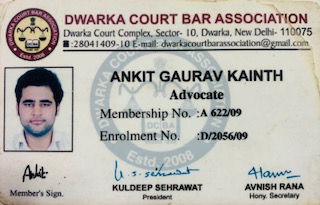
⚖️ Why Proper Legal Strategy Matters
Many bail petitions fail because of:
- Poor drafting
- Incomplete documentation
- Weak legal grounds
- Incorrect reliance upon precedents
- Procedural defects
Therefore, preparing a strong legal strategy before filing is extremely important.
🤝 How We Assist Clients Before Litigation
Many legal problems can be managed effectively before court proceedings begin.
Our pre-litigation services include:
- ✅ Detailed legal consultation
- ✅ Case evaluation
- ✅ Examination of FIR and evidence
- ✅ Preparation of legal notices where appropriate
- ✅ Documentation review
- ✅ Legal risk assessment
- ✅ Settlement and negotiation wherever legally possible
- ✅ Strategic advice before approaching courts
Early legal guidance often improves the overall outcome.
🏛️ How We Assist During Litigation
Once litigation begins, timely legal action becomes essential.
Our litigation services include:
- Representation before the Supreme Court
- Drafting Special Leave Petitions
- Bail petitions
- Criminal writ petitions
- Filing miscellaneous applications
- Legal research
- Court appearances
- Continuous case monitoring
- Client updates after every hearing
Our experience allows us to handle complex procedural requirements efficiently.

📍 Advantage of Engaging Local Advocates in Supreme Court Delhi
Being local Lawyers in Supreme Court Delhi offers practical advantages.
We regularly work with the Supreme Court filing system and understand:
- Registry procedures
- Filing requirements
- Listing practices
- Procedural compliances
- Urgent mentioning procedures
- Court functioning
This familiarity often enables faster filing, prompt compliance with procedural requirements and efficient representation.
In addition to Supreme Court matters, our team has 18+ years of litigation experience before Dwarka Courts, giving us valuable practical exposure across criminal, civil and commercial disputes.
⚖️ Our Practice Areas
Our legal services include:
- Criminal Advocate Supreme Court
- Crime Lawyer Supreme Court
- Regular Bail & Anticipatory Bail Lawyer Supreme Court
- Criminal Writ Petition Advocate in Supreme Court
- Civil Litigation Lawyer in Supreme Court Delhi
- Property Dispute Advocate for Supreme Court
- Recovery Suit Counsel for Supreme Court
- Commercial Litigation Lawyer
- Lawyer in Supreme Court Delhi
- Advocate in Supreme Court
Every matter is handled after careful legal analysis and professional preparation.
📍 Areas We Regularly Assist
We assist clients from:
- New Delhi
- Supreme Court of India
- Central Delhi
- South Delhi
- Dwarka
- Janakpuri
- Vikaspuri
- Uttam Nagar
- Najafgarh
- Rohini
- Pitampura
- Punjabi Bagh
- Karol Bagh
- Connaught Place
- Greater Kailash
- Defence Colony
- Noida
- Gurugram
- Faridabad
- Ghaziabad
- Delhi NCR
⭐ Why Clients Trust Us
Professional relationships are built on transparency and integrity.
Our clients appreciate:
⚖️ Honest legal advice
✅ High professional standards
📞 Quick responsiveness
💬 Dedicated WhatsApp support
📲 Easy accessibility on calls
💼 Proper Lawyer-Client Fee Agreements
🧾 Fee receipts and acknowledgements
💰 Reasonable and transparent fee structure
🤝 Fair, ethical and transparent dealings
Every client deserves clear communication and professional representation.

⚠️ Important Points Before Filing a Bail Petition
Always remember:
- Every case has different facts.
- Bail is never automatic.
- Courts consider gravity of allegations.
- Conduct of the accused is relevant.
- Previous criminal history may be considered.
- Proper documentation strengthens the case.
- Experienced legal representation is beneficial.
📚 Conclusion
The Supreme Court Bail Procedure requires careful preparation, complete documentation and a well-planned legal strategy. Although every case is different, timely legal advice can significantly improve procedural compliance and presentation before the Court.
Whether you require assistance regarding Supreme Court Bail Procedure, criminal litigation, civil disputes or constitutional remedies, choosing an experienced legal team helps you understand your legal rights and available remedies with confidence.
📞 Contact Us
If you require professional legal assistance regarding the Supreme Court Bail Procedure, regular bail, anticipatory bail, criminal writ petitions, civil litigation or commercial disputes before the Supreme Court, feel free to consult us.
Ankit Gaurav Kainth & Associates
📞 9899085554
📞 9811885554
⚖️ Professional Consultation | Transparent Fees | Dedicated WhatsApp Support | Experienced Litigation Team

Frequently Asked Questions
1. Can I directly approach the Supreme Court for bail?
Depending upon the facts and applicable law, the Supreme Court may be approached through appropriate legal proceedings. Professional legal advice should always be obtained.
2. How long does the Supreme Court Bail Procedure take?
The timeline varies depending on urgency, filing compliance, listing and judicial workload.
3. What documents are generally required?
Common documents include the FIR, bail orders, charge sheet (if filed), relevant pleadings and supporting documents. Requirements vary from case to case.
4. Can the Supreme Court grant interim protection?
In appropriate cases, the Court may consider interim relief depending upon the facts and circumstances.
5. Why should I engage an experienced Advocate in Supreme Court?
An experienced advocate understands court procedures, drafting requirements, registry practices and effective legal presentation before the Court.
[…] Supreme Court Bail Procedure Complete Legal Guide […]