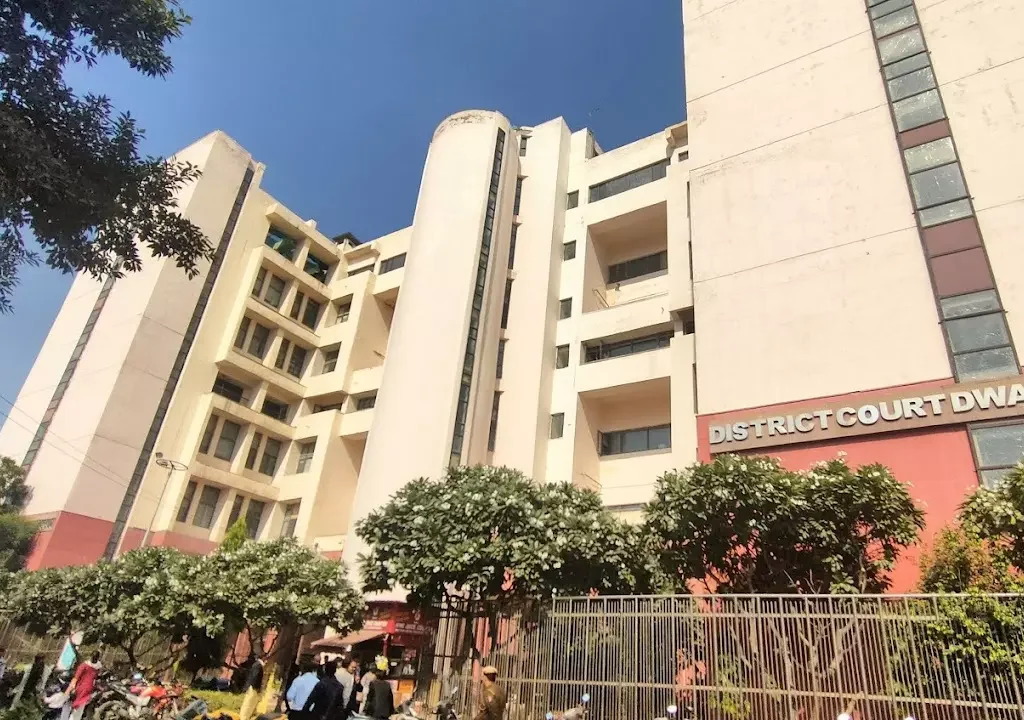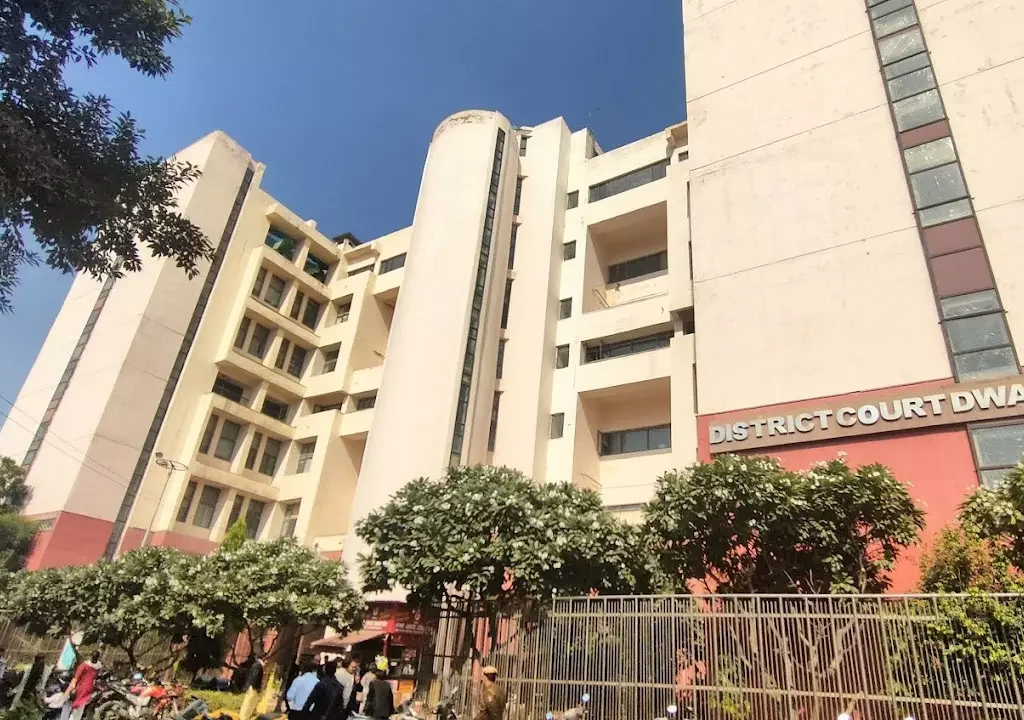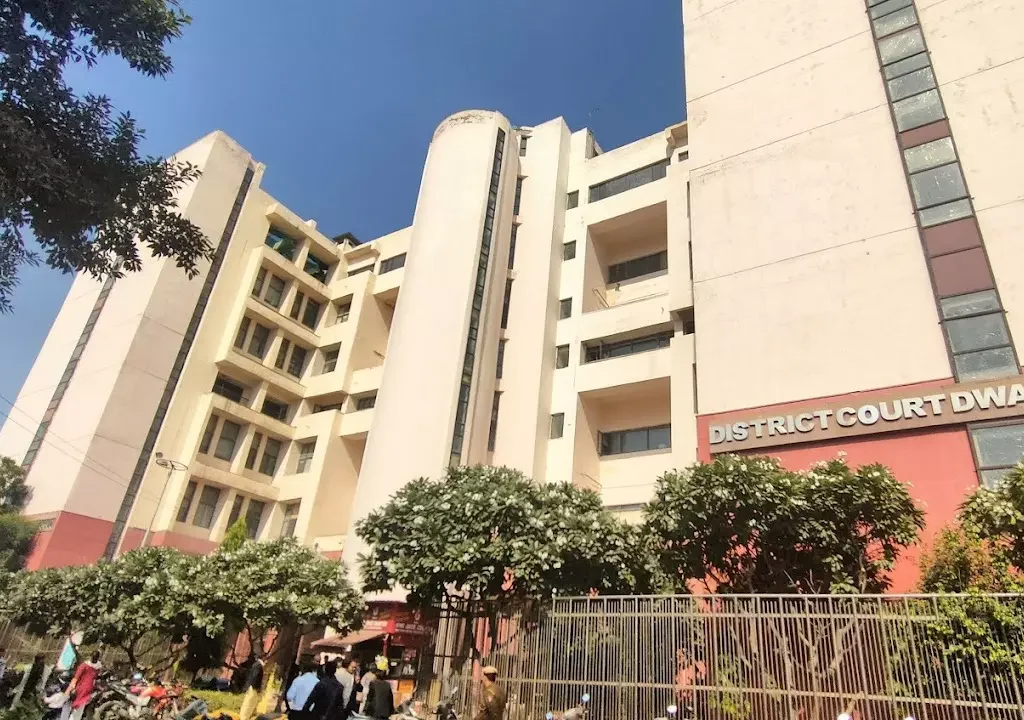

The uniform of a police officer represents law and order, but unfortunately in Dwarka Court Jurisdiction, some misuse this sacred duty. From forcing illegal settlements inside the police station, demanding bribes to “close” cases, destroying or hiding evidence, or even beating an accused in custody — such acts are not only immoral but illegal.
An advocate’s role is not just to defend the client but also to ensure that misuse of police power is exposed in court. Here are effective strategies:
⸻
📜 1. Know the Legal Arsenal • IPC Provisions: • Sec. 166 IPC – Public servant disobeying law with intent to cause injury. • Sec. 201 IPC – Causing disappearance of evidence. • Sec. 323/325 IPC – Assault on accused in custody. • Sec. 383 IPC – Extortion by threat. • CrPC Provisions: • Sec. 154 – Mandatory registration of FIR. • Sec. 161/162 – Recording and use of witness statements. • Sec. 172 – Case diary – defence can cross-check if officer uses it. • Constitutional Safeguards: • Art. 21 – Protection of life and liberty. • D.K. Basu Guidelines – Mandatory safeguards in arrests and detention.
⸻
🛡️ 2. Cross-Examination in Court
A corrupt officer’s weakest point is his record. During trial: • Confront him with contradictions between the FIR, case diary and charge sheet. • Ask why material evidence/witness statements were omitted. • Highlight any illegal “settlement” attempt – this shows abuse of power. • Expose custody violence by producing medical reports, injury photographs, or witness testimony. • Demand CCTV footage of the police station/cell (mandated in law).
Remember, courts take procedural lapses seriously. A single inconsistency can demolish an officer’s credibility.
⸻
📝 3. Filing Complaints Against Misuse
Beyond the courtroom, advocates should document and report misconduct: • Lodge complaints with the Station House Officer, insist on DD entry. • Escalate to Superintendent of Police or Commissioner. • File before the State Police Complaints Authority or NHRC/SHRC for custodial torture, extortion, or illegal detention. • Move the Magistrate under Sec. 190 CrPC for cognizance of offences committed by police officials. • File RTI applications to obtain records and expose delays or tampering.
⸻
🔍 4. Practical Tips to “Grill” a Cop • Always insist on case diary inspection if officer relies on it. • Use independent witnesses and medical evidence to counter false police versions.
⸻
🌟 Conclusion
A police officer misusing his position is not above law. The courtroom is where truth meets record — and an advocate can ensure that corruption is grilled, exposed, and punished. By combining sharp cross-examination, solid documentation, and proper complaints, you not only protect your client but also safeguard the integrity of the justice system.
⸻
🤝 Pre-Litigation Support: Solving Problems Before Court
Many clients approach us before filing a case. As a Criminal Case Advocate Dwarka Court, we strongly believe:
👉 Not every dispute should reach the courtroom.
How We Help Before Litigation:
Legal consultation and case analysis
Drafting legal notices
Negotiation and settlement discussions
Risk assessment and strategy planning
Clients from Janakpuri, Vikaspuri, Uttam Nagar, Palam Village, Najafgarh, and Samalka often resolve disputes at this stage itself.
A Simple, Practical & Client-Friendly Guide for People Seeking Recovery Through an Experienced Advocate in Dwarka Court, Sector-10, New Delhi
Top Advocate in Dwarka Court
Recovery of money is one of the most common civil disputes in India. Whether it is unpaid friendly loans, business dues, outstanding invoices, dishonoured commitments, or breach of contract—law provides an effective remedy through a Suit for Recovery of Money, in Dwarka Court.
If you are planning to file a recovery suit in District Court, Dwarka, New Delhi, this detailed guide will help you understand the entire process step-by-step, the time involved, the court fees, the jurisdiction up to ₹2 Crores, and why engaging an experienced Dwarka Court advocate makes a real difference ⚖️in Dwarka Court.
📍 Jurisdiction of Dwarka Court for Recovery Suits
Dwarka Court is a District Court having jurisdiction over South-West Delhi. You can file a Suit for Recovery of Money in Dwarka Court if:
✅ The defendant resides or carries on business within Dwarka jurisdiction ✅ The cause of action (transaction, agreement, payment) arose within Dwarka ✅ The amount claimed falls within the pecuniary jurisdiction
💰 Pecuniary Jurisdiction
Recovery suits up to ₹2 Crores can be filed before the District Courts at Dwarka
Suits beyond this limit are filed before the High Court
📂 What Is a Suit for Recovery of Money?
A Suit for Recovery of Money is a civil action filed under the Code of Civil Procedure, 1908 (CPC), where a person (plaintiff) seeks a decree directing the other party (defendant) to pay a legally recoverable amount along with interest and costs.
Common examples:
Friendly loan not returned
Business dues / unpaid invoices
Recovery based on written agreements
Recovery from breach of contract
Outstanding professional fees
🪜 Step-by-Step Process to File a Recovery Suit in Dwarka Court
👉 Time can be reduced, and in many cases, early relief or settlement is possible.
🤝 Role of Mediation in Recovery Suits
Mediation is a highly effective and practical option once the suit is filed.
Benefits of Mediation:
Faster resolution
Cost-effective
Confidential
Preserves relationships
Court-assisted settlement
📌 Dwarka Court has a Mediation Centre, and many recovery cases are successfully resolved there once the defendant realises the seriousness of litigation.
⚠️ Why You Need an Experienced Advocate in Dwarka Court
Recovery suits are not just about filing papers—they are about strategy, timing, and court practice.
An experienced Dwarka Court advocate:
Knows court procedures & judges’ expectations
Avoids unnecessary adjournments
Uses mediation effectively
Drafts strong pleadings
Pushes for early hearing & compliance
📉 An inexperienced or non-local lawyer may unknowingly delay your own recovery.
👨⚖️ How Our Firm Assists You in Recovery Matters
With 18+ years of experience in handling civil and recovery matters before Dwarka District Court, Sector-10, our firm provides:
✔ Case evaluation & legal opinion ✔ Drafting & filing of recovery suits up to ₹2 Crores ✔ Court representation at all stages ✔ Mediation & settlement assistance ✔ Execution of decree for actual recovery
We believe recovery of money should be swift, strategic, and legally sound.
📌 Important Points Clients Should Remember
Limitation period is crucial (generally 3 years)
Documents matter—but absence of documents is not always fatal
Correct court & advocate save time and money
Mediation can give faster results than full trial
Execution of decree is as important as judgment
Criminal Appeal Advocate Dwarka
🏁 Conclusion
If someone owes you money and is avoiding payment, law provides you a strong and effective remedy through a Suit for Recovery of Money in Dwarka Court, New Delhi.
With the right legal guidance, experienced drafting, and strategic representation, recovery suits can be decided faster, and you may even get relief earlier than expected.
Choosing an experienced advocate in Dwarka Court is not an expense—it is an investment towards timely justice and financial recovery ⚖️
🔎 Titles
How to File Recovery Suit in Dwarka Court New Delhi
Suit for Recovery of Money in District Court Dwarka – Complete Guide
Best Advocate for Recovery of Money in Dwarka Court
Consult an experienced advocate to determine the most suitable mode of service based on the facts of your case and court practice.
Contact me for Consultation :- 9899085554, 9811885554
Step-by-Step Guide for Litigants visiting Dwarka Court
A practical, client-friendly guide to help you confidently navigate Dwarka Court and choose the right advocate
Visiting a court for the first time can be stressful, confusing, and overwhelming—especially if you are already dealing with a legal dispute. If you are visiting Dwarka Court, Sector-10, New Delhi, for the first time, this detailed guide will help you understand how the court functions, what types of cases are heard here, which judges sit here, facilities available, and how an experienced Dwarka Court advocate can assist you effectively ⚖️
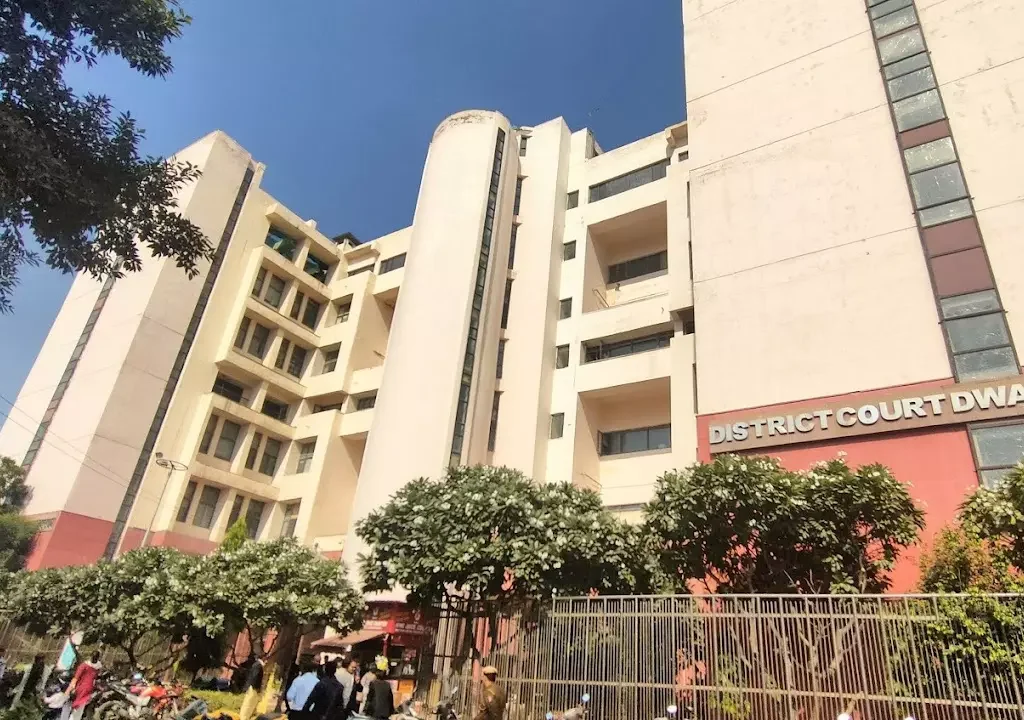
Dwarka Court is one of the largest District Courts in Delhi, catering mainly to South-West Delhi, and thousands of litigants visit it daily.
📍 About Dwarka Court, Sector-10, New Delhi
Dwarka Court is a District Court, not a High Court. It deals with civil, criminal, family, commercial, traffic, and special statutory matters at the district level.
📌 Location: Sector-10, Dwarka, New Delhi🚇 Metro Connectivity:Dwarka Sector-10 Metro Station — just adjacent to the court premises, making it extremely convenient for litigants and advocates.
🏛️ Types of Courts & Judges in Dwarka Court
Dwarka Court houses multiple courts with different jurisdictions. Understanding this helps you know where your case will be listed 👇
Dwarka Court also houses specialized courts, such as:
⚡ Electricity Courts (power theft cases)
🏙️ MCD / Municipal Courts
🚦 Traffic Challan Courts
💼 Commercial Courts
🧾 Summary & Special Statutory Courts
Knowing the correct court avoids unnecessary delays and confusion.
🪜 Step-by-Step: What to Do on Your First Visit
✅ Step 1: Entry & Security Check
Police check-out at the main gate
Carry valid ID proof
Restricted items are not allowed
✅ Step 2: Facilitation Centre (Enquiry Counter)
🧭 This is the most important place for first-time visitors.Here you can:
Check court number
Confirm case listing
Get basic procedural guidance
✅ Step 3: Advocate Meeting
Meet your advocate to:
Understand your case status
Confirm next date & strategy
Prepare documents
🏢 Facilities Available for Litigants in Dwarka Court
Dwarka Court is well-equipped with essential facilities 👇
🍽️ Canteen (inside court complex)
⌨️ Typing Pool
🖊️ Notary Attestation Services
📜 Oath Commissioner
🖨️ Photocopy & Printing Shops
🧭 Facilitation Centre / Enquiry Counter
🧑⚕️ Medical Centre
🏦 SBI Bank Branch
💳 ATM Counter
👮 Police Assistance Booth
🚗 Parking Available Outside for Clients
👨⚖️ Bar Rooms for Advocates
These facilities make Dwarka Court client-friendly and accessible.
🔍 Why Choosing a Local & Experienced Dwarka District Court Advocate Matters
Many litigants make the mistake of hiring a lawyer unfamiliar with Dwarka District Court procedures. A local, experienced Dwarka Court advocate offers:
🤝 How Our Firm Assists You in Dwarka District Court
With more than 18+ years of professional experience, our firm has been regularly practicing before Dwarka Court, New Delhi, handling a wide variety of cases.
👨⚖️ Our Assistance Includes:
Case evaluation & legal opinion
Drafting & filing of cases
Bail & urgent relief matters
Divorce, family & matrimonial disputes
Cheque bounce & criminal cases
Civil & property litigation
Appeals & revisions before Sessions Court
We focus on clarity, transparency, and result-oriented advocacy, ensuring that clients are informed at every stage of their case.
📌 Final Words for First-Time Litigants
Visiting Dwarka Court for the first time does not have to be intimidating. With the right guidance, proper preparation, and an experienced advocate, your legal journey becomes much smoother.
If you are searching for a good, experienced, or best advocate in Dwarka District Court, New Delhi, always choose someone who:
Practices regularly in Dwarka District Court
Explains legal procedures clearly
Respects your time & concerns
Has proven court experience
🔎 Search Titles
First Time Visiting Dwarka District Court Sector-10 New Delhi – Complete Litigant Guide
Dwarka Court District Court Guide: Cases, Judges & Facilities
Best Advocate in Dwarka District Court New Delhi – What Clients Must Know
Every young advocate, sooner or later, faces this classic dilemma: “Should I practice in Delhi District Courts or in my home State courts?” The answer is not as dramatic as a courtroom climax, but it is definitely interesting—and a little humorous too.
Let us compare, calmly and honestly.
⸻
1. Volume of Work: Delhi Never Sleeps 🏃♂️📂
Delhi District Courts (Tis Hazari, Dwarka, Saket, Rohini, Karkardooma, Patiala House) are always buzzing. Civil, criminal, matrimonial, commercial—everything is in bulk.
More cases = more exposure = faster learning (and faster legwork 😅).
In many other States, district courts have comparatively fewer matters. The pace is slower, which is actually good for understanding files deeply—without running between 10 courts before lunch.
⸻
2. Client Profile: Pressure vs Patience 👥
Delhi clients are informed, demanding, and Google-certified lawyers themselves.
They ask about sections, timelines, chances, and fees—sometimes all in one breath.
In other States, clients are often more trusting and relationship-based. The lawyer’s word still carries traditional respect, which reduces stress and increases emotional satisfaction.
⸻
3. Competition: Survival of the Sharpest 🥊
Delhi has fierce competition. Every second person seems to be an advocate, and every third one is very confident. This pushes you to upgrade skills, drafting, and courtroom presence quickly.
Other States offer less cut-throat competition. Young lawyers get more visibility, quicker recognition, and sometimes even a direct nod from the Bench.
⸻
4. Bench & Bar Culture 🧑⚖️
Delhi courts are known for strict timelines, heavy boards, and fast proceedings. You learn discipline, professionalism, and time management the hard way.
In many State district courts, the atmosphere is relatively relaxed. Judges are approachable, and mentoring by seniors is more accessible—especially for first-generation lawyers.
⸻
5. Earnings vs Expenses 💰😬
Yes, Delhi has higher earning potential—but also higher expenses. Rent, travel, clerks, coffee… everything comes with a “capital city premium”.
Other States may offer lower initial income, but savings are real, stress is less, and practice grows steadily with community trust.
⸻
So, Which Is Better? 🤔
Delhi is excellent for exposure, speed, and high-pressure learning.
Other States are ideal for stability, relationships, and sustainable growth.
There is no “better” court—only a better fit. Some lawyers bloom in Delhi’s chaos, others shine in the calm confidence of State courts.
Final Thought:
A good advocate is not made by geography, but by consistency,honesty, and courtroom courage.
Wherever you practice—argue well,draft better, and always respect the Bench. ⚖️✨
LinkedIn is not just a platform. It’s a courtroom of opportunities, a chamber of ideas, a library of practical wisdom, and a networking arena where your digital presence argues for you long before you draft your first submission, what you should know about Dwarka Court Advocate on Digital platforms.
In the last 5 months, my own journey on LinkedIn has been nothing short of surprising, motivating, and deeply rewarding. My posts crossed 9,00,000+ organic views, I gained 5700+ followers, built 4500+ meaningful connections, and even created a power team of professionals who now work, grow, and strategize with me.
So the natural question is—
How did this happen? Why did it happen? And why should every advocate—whether in India or abroad—take LinkedIn seriously?
If you spend enough time in court corridors, you’ll realise one eternal truth—a certified copy seems useless… until you urgently need one.
It looks like a simple, clerk-level formality, but when you are preparing a bail application in Sessions Court, or drafting a criminal appeal before the High Court, suddenly this “simple” document becomes the single biggest hurdle.
In my 18+ years of practice, I have seen young advocates, litigants and even seasoned practitioners run from one window to another, chasing the Copying Agency like it’s the final lifeboat on a sinking ship. And the irony is—99% of delays happen not because the court staff is slow, but because the application form is filled incorrectly.
This blog breaks down the right procedure, common mistakes, and how my trained associates assist clients and advocates in getting copies quickly, smoothly and without objections.
Top Advocate in Dwarka Court
Why Certified Copies Matter So Much?
A certified copy is not just a photocopy. It is the official, court-verified, seal-marked document that higher courts rely upon. It becomes essential for:
Bail applications
Criminal revision/appeals
Stay applications
Execution proceedings
Transfer petitions
Civil appeals
Filing complaints before specialised tribunals
Missing a certified copy can mean delay of weeks, adjournments, and sometimes loss of liberty for the accused. I have seen situations where a bail plea could not be moved on time because a simple order sheet copy wasn’t ready. That’s when the “simple” becomes the “critical.”
The Procedure: How to Apply For a Certified Copy Correctly-Dwarka Court
1. Identify the Exact Document Needed-Dwarka Court
This step is often ignored. You must know precisely what you need:
Order sheet
Judgment
Evidence (PW/DW statements)
Application or reply
FIR, charge-sheet, complaint
Daily order
Any exhibited document
🚫 Never write vague descriptions like “all documents.”
This immediately triggers an objection.
2. Fill the Certified Copy Application Form Completely-Dwarka Court
This is where 90% people go wrong.
Every column matters:
Case number (criminal/civil)
CNR number
Names of parties
Date of order
Judge’s name
Whether urgent or ordinary
Whether copy is for filing or personal use
Whether inspection done
Document name and page number
A missing detail = objection.
An objection = delay.
I’ve seen applicants waste 3–5 days because they forgot to write the judge’s name or mis-typed the order date.
3. Attach the Required Court Fee-Dwarka Court
Each court has its own fee schedule. If the fee is short, the copy will not even move ahead for processing. My office routinely checks fee charts so that the application is never returned.
4. Mark Urgent or Non-Urgent-Dwarka Court
Urgent copies can be issued within 24 hours or same day (depending on court rules), but only if:
Urgent fee is paid
Reason is specified
The document is identifiable and traceable
If you mark urgent but submit a half-filled form, you will simply waste both time and money.
5. Track the Status at the Copying Agency-Dwarka Court
Once filed, the application gets a Copying Agency Receipt Number.
Always note it carefully.
Copies move through:
Filing
Scrutiny
Calculation of pages
Typing/Scanning
Verification
Seal/Signature
Delivery counter
Any stage can get stuck if details are missing.
Advocate in Dwarka Court
6. Collect the Copy With the Original Receipt
No receipt = no copy.
I have seen litigants panic because they misplaced the receipt, and the court will not release documents without proper identification.
Why Every Column Matters So Much?
Courts deal with thousands of cases daily.
The staff does not have time to “guess” what document you want.
A wrongly written case number or order date can lead to:
The staff searching in the wrong file
File not traceable remarks
Unnecessary delays of days or weeks
Application being put under “objection”
Fresh filing required
Urgent fee wasted
A careless 30 seconds at the desk can cost someone their bail hearing.
How My Associates Help You—The Hassle-Free Process
With 18+ years of practice across multiple district courts, High Court and appellate forums, I have trained my associates to understand the importance of documentation discipline.
We assist clients and advocates by:
✔ Identifying the exact document required
✔ Filling every column accurately
✔ Ensuring correct fee is attached
✔ Marking urgent applications properly
✔ Doing file inspection where needed
✔ Dealing with scrutiny objections instantly
✔ Tracking the CA number from filing to delivery
✔ Collecting the certified copy on the earliest possible date
✔ Sending soft scanned copies immediately to the client
This saves time, money and stress, especially in urgent bail or appeal matters.
Common Mistakes That Cause Unnecessary Delays
❌ Writing wrong case number
❌ Mentioning wrong order date
❌ Not attaching page details
❌ Forgetting judge’s name
❌ Not paying the right fee
❌ Asking for “entire file” without clarity
❌ Misplacing the receipt
❌ Not doing inspection before applying
Each of these triggers objections, and objections turn a one-day job into a one-week problem.
Civil advocate in Dwarka court
Final Advice from Experience
A certified copy is the backbone of many legal proceedings.
“Small steps create big consequences” is the unwritten rule of court practice.
Treat the certified copy process as seriously as drafting your petition.
It saves adjournments, saves money, and sometimes—saves liberty.
Whenever you need a copy urgently, contact us.
My team and I ensure you get it accurately, timely and without the running-around that most litigants fear.
Consult an experienced advocate to determine the most suitable mode of service based on the facts of your case and court practice.
Contact me for Consultation :- 9899085554, 9811885554
Get Acquittal in Section 138 NI Act in District Court Dwarka – Today. A cheque bounce case can be one of the most stressful experiences for any businessperson or individual facing charges under Section 138 of the Negotiable Instruments Act, 1881. The good news? Acquittal is absolutely possible—and with the right legal strategy, expert advocacy, and proper understanding of procedural safeguards, you can successfully defend yourself in the District Court Dwarka.
With over 18+ years of experience in criminal defense and practicing at the District Court, Dwarka (Chamber no. 728, 7th floor), I have guided numerous clients through the complexities of Section 138 cases. This comprehensive guide walks you through the critical defense strategies and legal nuances that can secure your acquittal in Section 138 NI Act.
🎯 Understanding the Legal Framework: What the Prosecution Must Prove
Before diving into defense strategies, it’s essential to understand what the prosecution needs to establish for conviction under Section 138 NI Act. According to the landmark judgment in K. Bhaskaran v. Sankaran Vaidhyan Balan (AIR 1999 SC 3762), the Supreme Court laid down the five essential ingredients that must be proven:
1. Drawing of a cheque for the discharge of any legally enforceable debt or liability
2. Presentation of the cheque to the bank within three months
3. Return of the cheque unpaid by the drawee bank
4. Issuance of a legal notice by the payee within 30 days of cheque return
5. Failure to pay the cheque amount within 15 days of receipt of notice
Critical Point: If even ONE of these ingredients is missing or defective, the entire case against you collapses. This is your first line of defense in Section 138 NI Act. Get Acquittal in Section 138 NI Act in District Court Dwarka.
💡 The Power of Section 139: Understanding the Presumption That Can Work For You
Section 139 of the NI Act creates a statutory presumption in favor of the complainant—it presumes that every cheque was issued to discharge a legally enforceable debt. However, this presumption is NOT absolute. It is rebuttable, meaning you can challenge it in Section 138 NI Act.
The burden of proof initially lies on the complainant, but if they establish prima facie evidence of debt, the burden shifts to you to rebut the presumption. The critical aspect here is that you need not prove innocence beyond reasonable doubt—only raise a probable defense to shift the burden back to the complainant. Get Acquittal in Section 138 NI Act in District Court Dwarka.
Landmark Guidance: In Basalingappa v. Mudibasappa (2019) 5 SCC 418, the Supreme Court held that the presumption under Section 139 is rebuttable, and the accused can succeed by presenting credible evidence of a probable defense—you don’t need mathematical certainty, just probabilities.
Criminal lawyer in dwarka court
🛡️ Key Defense Strategies for Acquittal
1. No Legally Enforceable Debt or Liability
This is the most powerful defense in Section 138 cases. The prosecution must prove that a valid, legally enforceable debt existed when the cheque was issued. If they fail to do so, acquittal is virtually guaranteed.
Evidence to Present:
-Business records showing no transaction with the complainant
-Bank statements demonstrating no receipt of funds
-Correspondence proving you never agreed to any loan
-Witness testimony from colleagues or family confirming no debt
Real-World Application: In the recent case Vardhineedi Sri Ramanjaneyulu v. Yeeda Sasibhushan (2025 SCC OnLine AP 1801), the Andhra Pradesh High Court upheld the acquittal because the complainant failed to provide evidence of:[scconline]
-The date and place of the alleged loan transaction
-Documentation of the loan
-Proof of financial capacity to lend the amount
The complainant’s own admission that the transaction was not recorded in his business account books was fatal to his case. Therefore, Get Acquittal in Section 138 NI Act in District Court Dwarka.
2. Cheque Given as Security, Not for Discharge of Debt
A legally valid defense is that the cheque was issued merely as a security deposit and not as payment toward an existing debt. If you can establish that the cheque was:
• Post-dated with conditional arrangements
• Held as a guarantee for future transactions
• Part of a security arrangement, not a debt repayment
…then Section 138 does not apply. However, important caveat: You must prove that it was a security cheque, as the burden lies on you to establish this defense with credible evidence.
What to Document:
• Written agreements mentioning the cheque as security
• Business context showing it was meant as security.
3. Defective or Invalid Legal Notice
The statutory notice issued by the complainant must strictly comply with the law. Any defect is fatal to the prosecution. Check for:-
• Timing: Notice must be issued within 30 days of cheque dishonor
• Content: Notice must clearly demand payment of the exact cheque amount
• Service: Notice must be properly served on you (returned/undelivered notices don’t constitute valid service)
• Precision: The amount demanded must match the cheque amount precisely—even a rupee difference can invalidate the notice
Supreme Court Standard: In recent rulings, the Supreme Court reaffirmed that strict compliance with Section 138’s statutory requirements is mandatory.
If the notice is defective, the case is dismissed—you get automatic acquittal. Get Acquittal in Section 138 NI Act in District Court Dwarka
4. Improper Service of Legal Notice
Even if the notice was issued correctly, if it wasn’t properly served on you, no cause of action arises. The burden is on the complainant to prove that:
• You actually received the notice
• The notice was delivered to your correct address
• You had sufficient time to respond (15 days from receipt)
Evidence to Gather:
• Postal receipts showing notices returned “undelivered”
• Your residence proof showing the address on notice was incorrect
• Witness testimony that you never received any notice
• Affidavit stating non-receipt of notice.
5. Procedural Flaws in Complaint Filing
The complaint must be filed within 30 days of the notice period expiring (i.e., 30 days after the 15-day notice period expires). Any delay beyond this period is fatal to the case:-
Defense Points:
• Calculate the exact timeline from cheque dishonor to notice to complaint filing
• If the 60-day window is exceeded, the complaint is barred by limitation
• Jurisdictional issues: Cheque should be dishonored in the District Court’s jurisdiction. Get Acquittal in Section 138 NI Act in District Court Dwarka. Get Acquittal in Section 138 NI Act in District Court Dwarka.
6. Lack of Financial Capacity of the Complainant
This defense challenges whether the complainant had the financial means to advance the alleged loan. If the amount is substantial and the complainant cannot prove they possessed those funds at the time of the alleged transaction, it weakens the prosecution’s case significantly.
🎬 Cross-Examination: The Art That Wins Cases in Section 138 NI Act
Cross-examination is where battles in Section 138 cases are won or lost. With proper preparation and strategic questioning, you can deconstruct the complainant’s version and create reasonable doubt. Here’s how:
Key Areas of Cross-Examination:-
• When exactly did the loan transaction occur? (Demand specificity—dates, places, witnesses)
• How was the money transferred? (Ask for bank statements, transaction records)
• Do you have any written agreement or loan documentation?
• Why isn’t this transaction recorded in your business accounts?
• How do you claim to have lent such a large amount without documentation?
2. Challenge the Transaction’s Legitimacy:
• Was this a formal loan or just a friendly arrangement?
• What were the terms of repayment originally discussed?
• Why wait months/years to issue a legal notice?
• Did the accused accept the debt or deny it when contacted?
3. Highlight Contradictions:
• Are the complainant’s statements consistent with documents produced?
• Does the cheque amount match the alleged debt amount?
• Are there gaps in the narrative that don’t add up?
4. Question the Cheque’s Purpose:
• Was this cheque meant as security, not payment?
• Did the complainant understand it was a conditional arrangement?
• What was the actual context of issuing this cheque?
The goal is to shift the burden back to the complainant by raising probable doubts about the existence of the debt itself. Get Acquittal in Section 138 NI Act in District Court Dwarka.
📋 Essential Evidence for Your Defense
To secure acquittal, you must present strong, credible evidence that supports your defense in Section 138 NI Act:
Documentary Evidence:
• ✅ Bank statements (yours and the complainant’s if available)
• ✅ Business records and account books
• ✅ Correspondence (emails, messages, letters) relevant to the transaction
• ✅ Cheque copy and cheque return memo
• ✅ Copy of the legal notice
• ✅ Written agreements or contracts (if applicable)
• ✅ Proof of payment, if you later settled the matter
• ✅ Postal receipts showing notice delivery issues
Witness Testimony:
• ✅ Your own testimony explaining the cheque’s purpose
• ✅ Witnesses to any loan transaction (or lack thereof)
• ✅ Witnesses to the true nature of the cheque (as security)
• ✅ Bank officials, if needed, to clarify cheque mechanics
• ✅ Colleagues or family members who can testify about your financial position
Expert Evidence (if applicable):
• ✅ Handwriting expert if cheque signature is disputed
• ✅ Document examiner for material alterations
⚡ Landmark Supreme Court Judgment: Your Shield Against Conviction
The Supreme Court’s decision in K. Bhaskaran v. Sankaran Vaidhyan Balan (AIR 1999 SC 3762) established several critical principles that protect accused persons:
1. All five ingredients must be proven: Deficiency in any one element can lead to acquittal.
2. Burden of proof: Initially lies on the complainant to establish the debt.
3. Rebuttal of presumption: The accused must present a probable defense; mere denial is insufficient, but credible evidence can reverse the presumption.
4. Strict compliance with procedures: Any procedural defect (notice timing, service, complaint filing delay) can invalidate the case.
In this landmark case, even though the accused initially had a criminal conviction reversed by the High Court, the Supreme Court’s reasoning emphasizes that every element must be independently proven and procedural compliance is non-negotiable. Get Acquittal in Section 138 NI Act in District Court Dwarka.
🏛️ Recent Judicial Wisdom: Acquittals in Your Favor
The recent decision in Vardhineedi Sri Ramanjaneyulu v. Yeeda Sasibhushan (2025 SCC OnLine AP 1801) demonstrates the current judicial trend favoring accused persons who present credible defense evidence:[scconline]
The Andhra Pradesh High Court upheld the trial court’s acquittal, noting that:
• The complainant’s failure to document the transaction was fatal
• Absence of corroborative evidence shifted the burden back to the complainant
• The court would not interfere with acquittal unless the trial court’s view was perverse or unsupported by evidence
Takeaway: Modern courts are increasingly requiring complainants to prove their case with solid documentary and testimonial evidence, not just relying on the statutory presumption.
📊 The District Court Dwarka Advantage
Practicing at the District Court Dwarka, I have observed that this court takes a principled approach to Section 138 cases:
• ✅ The court carefully examines whether all five ingredients are proven
• ✅ Procedural defects are strictly scrutinized
• ✅ The presumption under Section 139 is applied carefully—not mechanically
• ✅ Quality of documentary evidence is valued over assumptions
• ✅ Cross-examination is given significant weight in reaching conclusions
With experienced advocacy that highlights procedural safeguards and challenges evidence systematically, acquittal is a realistic goal.
🎯 Winning Strategy: A Step-by-Step Roadmap
Phase 1: Immediate Actions (Upon Being Charged)
1. Do NOT ignore the complaint—file a reply immediately
2. Gather all relevant documents (cheque copy, bank statements, correspondence)
3. Document your defense position early
4. Engage an experienced advocate familiar with Section 138 cases
Phase 2: Procedural Defenses (Before Trial)
1. Examine the legal notice for defects (timing, content, service)
2. Challenge jurisdiction if the cheque wasn’t dishonored in the District Court’s area
3. File applications under Section 145(2) NI Act if applicable
4. Move to quash the complaint if procedural requirements aren’t met
Phase 3: Trial Preparation
1. Prepare detailed documentary evidence
2. Coach witnesses thoroughly
3. Plan cross-examination strategy against the complainant
4. Research comparable case law and judgments
5. Prepare your own testimony meticulously
Phase 4: Evidence Presentation
1. Lead with your documentary evidence—it’s silent and credible
2. Establish the absence of debt through your own testimony
3. Use cross-examination to dismantle the complainant’s credibility
4. Highlight contradictions and gaps in the prosecution’s case
Phase 5: Final Arguments
1. Emphasize that the complainant has failed to discharge their burden
2. Highlight all procedural defects
3. Point out credible defenses you’ve raised
4. Remind the court that the burden, once shifted, must be discharged by the complainant.
💼 Why Expert Advocacy Matters
Acquittal in cheque bounce cases is not about luck—it’s about systematic, strategic defense. An experienced advocate brings:
• Deep knowledge of procedural safeguards that can lead to automatic dismissal
• Cross-examination expertise that exposes weaknesses in the prosecution’s case
• Understanding of local court practices at District Court Dwarka
• Access to relevant case law and landmark judgments
• Ability to navigate complex evidence and documentary proofs
• Strategic timing in moving applications and raising defenses
With 18+ years of experience in handling Section 138 cases, I have guided clients to acquittals by identifying overlooked procedural defects, presenting compelling documentary evidence, and conducting thorough cross-examinations that expose the complainant’s inability to prove the legally enforceable debt.
The law provides robust safeguards for accused persons in Section 138 cases. While the statutory presumption initially favors the complainant, the presumption is rebuttable, and credible evidence can shift the burden back to the complainant. Procedural defects alone can lead to dismissal. A thorough understanding of the law, combined with meticulous preparation and expert advocacy, makes acquittal not just possible—it’s a realistic and achievable goal.
If you are facing a cheque bounce case in the District Court Dwarka, remember: You have strong legal grounds to fight back. The courts recognise that mere signature on a cheque, without proof of a legally enforceable debt, is insufficient for conviction.
The path to acquittal is paved with evidence, procedure, and skilled advocacy. Let’s walk it together in Section 138 NI Act.
Consult an experienced advocate to determine the most suitable mode of service based on the facts of your case and court practice.
Contact me for Consultation :- 9899085554, 9811885554.
When clients first hear the phrase “furnish bail bond before the Court”, they often panic. Many imagine a complicated, risky, or expensive procedure. After handling thousands of bail matters in my 18+ years of practice, I can confidently say: bail bonds are simple—if you understand them correctly.
This blog breaks down myths, common questions, documents required, responsibilities of surety, consequences, and practical experience that every accused or family member should know before presenting a bail bond before a Metropolitan Magistrate.
🔶 What Exactly Is a Bail Bond?
A bail bond is a written undertaking submitted to the court stating that:
👤 The accused will appear before the Court as required,
📝 A surety stands guarantee for this promise,
💰 A specific amount will be forfeited if the accused does not comply.
It is not a payment made to the court. It is simply a formal promise backed by documents and a surety.
🔶 What Is a Surety?
A surety is a responsible person who assures the court that the accused will comply with bail conditions.
✔ A surety must:
Be a law-abiding citizen
Have a verified identity & address
Provide acceptable proof of financial stability
✔ Role of a Surety
If the accused fails to appear, the surety is liable to pay the forfeiture amount mentioned in the bail bond.
✔ Amount That Gets Forfeited
Example:
If a bail bond is set at ₹20,000, and the accused absconds, the court may:
Forfeit the amount
Issue recovery proceedings against the surety
Initiate notice for cancellation of bail
So, the surety’s responsibility is real and must be taken seriously.
🔶 How Bail Bonds Are Furnished in Court
Here is the step-by-step process, based on daily practice in District Courts:
1️⃣ Drafting the Bail Bond
The advocate prepares the prescribed bail bond format mentioning:
Case details
Name of accused
Name of surety
Surety’s address & identification
Forfeiture amount
2️⃣ Verification of Surety
The court staff checks:
Valid ID proof (Aadhar mandatory)
Address proof
Financial document (FD, property paper, etc.)
Photograph of surety
3️⃣ Submission Before Court
The bail bond along with original documents is presented before the Magistrate.
4️⃣ Acceptance & Filing
If satisfied, the Magistrate accepts the bail bond, signs it, and sends it to the case file.
🔶 Documents Required While Furnishing Bail Bond
Clients are often unaware of what they must carry. Here is an essential checklist:
📌 Mandatory Documents
🪪 Hard copy of Aadhar Card – both Accused & Surety
📸 One passport size photograph of Surety
📄 Original financial document (one of the following):
Original Fixed Deposit (FD)
Property documents (free from disputes)
Vehicle RC ONLY if no loan is pending
🚫 Not Accepted by Courts
❌ Photocopies of documents
❌ Car or bike registration with hypothecation/loan endorsement
❌ Cash deposits in place of surety
❌ Online documents without physical originals
✔ Why Originals Are Needed?
Judges require originals to verify authenticity. They are kept temporarily or returned after inspection depending on the case.
🔶 Common Myths About Bail Bonds (Busted!)
❌ Myth 1: A Surety must be a relative
✔ Truth: Any responsible adult citizen can be a surety.
❌ Myth 2: Cash is taken by court for bail
✔ Truth: Courts do not take cash. Only documents like FD or property papers are accepted.
❌ Myth 3: Surety becomes permanently liable
✔ Truth: Surety’s liability ends once the case is disposed of or bond is canceled by court.
❌ Myth 4: Bail bond guarantees acquittal
✔ Truth: Bail is temporary liberty, not a judgment on the merits.
🔶 Actual Contents of a Bail Bond
A standard bail bond contains:
Full identity of accused
Identity of surety
Forfeiture amount
Undertaking to appear before court
Undertaking to follow bail conditions
Signature or thumb impression
Verification of documents
These details ensure the court that the accused and surety understand their responsibilities.
🔶 Consequences of Violating Bail Bond
If the accused:
❗ Misses a court date
❗ Violates bail conditions
❗ Tries to flee jurisdiction
The court may:
Cancel bail
Issue NBWs (Non-Bailable Warrants)
Forfeit bond amount
Recover money from surety
Summon surety & issue notices
Therefore, appearing before the court on every date is crucial.
🔶 My 18+ Years of Experience: Practical Tips for Clients
Practicing daily before the courts of Dwarka, Saket, Rohini & Patiala House, I have seen many clients suffer unnecessary delays because they came unprepared.
Here are professional tips:
✔ Collect all documents a day before
✔ Ensure RC is loan-free
✔ Keep FD original in a transparent file
✔ Carry Aadhar photocopies and originals
✔ Keep advocate informed of any address change
✔ Choose a surety who is reliable & available
A seasoned lawyer ensures that the process is smooth, fast, and stress-free.
🔶 Why You Need an Experienced Advocate
An experienced advocate helps you:
Understand documents
Avoid mistakes that cause rejection
Coordinate with court staff
Present bond before Magistrate
Save valuable time
Your lawyer acts as your shield during a stressful time. Always choose wisely.
🔶 Final Words
Submitting a bail bond is not something to fear. With the right knowledge and preparation, it becomes a smooth and predictable process. As someone practicing for more than 18 years in both Civil & Criminal Courts—especially in District Court Dwarka—my aim is to make your legal journey simple, structured, and tension-free.
If you or your family ever need help in furnishing bail bonds or understanding surety, always consult an experienced advocate who can guide you properly.
🔷 Title
Myths & Common Questions About Bail Bonds | Dwarka Court Guide
🔷 Description
Understand bail bonds, surety requirements, documents, and consequences. A complete guide by an advocate with 18+ years’ experience in Delhi & Dwarka Courts.
🔷 Keywords
Bail bond meaning
Bail bond procedure Delhi
How to furnish bail bond in court
Surety requirements for bail
Bail bond documents needed
Bail bond Dwarka Court
Bail bond surety Delhi
Bail bond myths explained
Criminal bail procedure India
What is surety in bail?
Forfeiture of bail bond
Bail bond for accused Delhi NCR
Bail bond lawyer in Dwarka Court
Best advocate for bail Dwarka
How to prepare bail bond documents
🔷 Keywords
How to furnish bail bond in District Court Dwarka
Documents required for bail bond in Delhi
Best advocate for bail in Dwarka Court
Surety rules and responsibilities in criminal cases
Step-by-step process for bail bond filing Delhi
Bail bond verification before Metropolitan Magistrate
Consult an experienced advocate to determine the most suitable mode of service based on the facts of your case and court practice.
Contact me for Consultation :- 9899085554, 9811885554
Visiting an advocate in District Court Dwarka, for the first time is often overwhelming for clients.
Most people arrive with fear, anxiety, confusion, and endless questions. After practicing for 18+ years in District Court Dwarka, I have learned that what clients need most is clarity—clear answers that give them direction, confidence, and a sense of control over their legal battle.
Clients often move from chamber to chamber, searching for the “right” advocate who can guide them correctly. Their expectations are simple:“Tell me the truth, show me the path, and stand with me in the fight for justice.” Below are the most common questions clients ask when they first meet an advocate in Dwarka Court, along with the precise answers they hope to hear from a competent legal professional.
1. “What are my legal options in this case?”
Ideal Answer Clients Expect:“You have two to three possible routes. Let me explain each with the consequences, time, and cost involved. Based on your situation, this option is the legally strongest and safest for you.” Clients want clarity, not confusion. A good advocate simplifies the law.
2. “How strong is my case?”
Ideal Answer:“On the basis of your facts and documents, your case has ___ strengths and ___ weaknesses. We will work on the weak points and rely on the strong ones. I won’t promise a guaranteed win, but I will give you a legally realistic assessment.” Clients hate exaggerated promises—they prefer honest, balanced guidance.
3. “How long will this case take?”
Ideal Answer:“Court timelines depend on several factors like court workload, evidence, and party cooperation. Typically, this type of case in Dwarka Court takes ___ months/years. I will try to speed it up wherever legally possible.” Clients want transparency, even if the timeline isn’t short.
4. “What will be the cost or total fees?”
Ideal Answer:“My fee includes professional charges for drafting, filing, arguments, and appearances. I will give you a written fee structure so there is no confusion later. There are also official court fees which I will explain separately.” Clients look for financial clarity and no hidden charges.
5. “Do I need to appear in court frequently?”
Ideal Answer:“For most hearings, your presence is not required unless evidence or your statement is needed. I will inform you well in advance whenever your presence is compulsory.” Clients want to know how much their routine will be affected.
6. “What documents do you need from me?”
Ideal Answer:“I will provide you a checklist of required documents—ID proofs, case papers, agreements, photos, bank statements, or any other relevant material. Keep everything organised. It strengthens your case from day one.” A document checklist gives confidence and clarity.
7. “Is there any risk or downside in filing this case?”
Ideal Answer:“Yes, every legal action has risks—cost, time, emotional pressure. But I will guide you to minimise those risks and ensure you take a well-informed decision before moving forward.” Clients appreciate truthful, responsible advice.
8. “Can this case be settled outside court?”
Ideal Answer:“Settlement is always an option if both parties agree. If a settlement benefits you legally and financially, I will advise you accordingly. If not, we will contest strongly in court.” Clients want to know whether a faster, peaceful route is possible.
9. “What is the next step after this meeting?”
Ideal Answer:“Step 1 — Give me your documents.Step 2 — I will prepare the draft.Step 3 — We will review it together.Step 4 — Filing in Dwarka Court.Step 5 — First hearing.” Clear steps reduce anxiety and give clients a sense of progress.
Why Clients Find It Difficult to Choose a Competent Advocate in Dwarka Court
Choosing the right advocate is challenging because:
1. Lack of Legal Awareness
Clients don’t always understand who is actually experienced or competent.
2. Conflicting Opinions
When they visit multiple chambers, they hear different strategies, timelines, and fees—causing confusion.
3. Fear of Making a Wrong Decision
Clients know that one wrong legal step can cost time, money, and peace.
4. Overemphasis on Low Fees
Many clients compare advocates based only on fees, not experience or capability.A competent advocate gives value, not the cheapest rate.
5. Pressure & Anxiety
Court matters themselves create stress, making decision-making difficult.
6. Need for Trust
Clients want someone who listens, explains, guides, and stands with them—not someone who rushes them. A competent advocate in Dwarka Court is one who blends experience, honesty, communication, strategy, and ethics.
Conclusion
For any client approaching District Court Dwarka, the right advocate is one who provides:✔ Clear legal strategy✔ Honest assessment✔ Transparent fees✔ Step-by-step guidance✔ Courtroom confidence✔ Professional drafting and arguments✔ Emotional assurance and support A well-informed client and a competent advocate together make a strong legal team—ready to face the battlefield of the District Courts.
Common Questions Clients Ask Advocates in District Court DwarkaHow to Choose a Competent Lawyer in Dwarka CourtClient–Advocate Guide: Legal Consultation in Dwarka CourtsFrequently Asked Questions Before Hiring a Dwarka Court Advocate
Divorce litigation becomes even more complex when one spouse is living abroad. For Non-Resident Indians (NRIs), distance, time-zone differences, and unfamiliarity with procedures often create confusion and anxiety. However, Dwarka Court, New Delhi (South-West District) has emerged as one of the most efficient and technologically adaptive court complexes for handling such matters, especially NRI matrimonial disputes.
After 18+ years of practice in New Delhi’s District Courts—particularly Dwarka Court—let me clarify one essential truth:
👉 No advocate can secure a decree of divorce on the ground of cruelty unless you provide strong, clear, and admissible evidence.
Law is evidence-driven. Experience only matters when it is combined with your cooperation and factual material.
Why NRI Clients Can File Divorce in Dwarka Court? 🏛️
There are multiple territorial jurisdiction grounds under the Hindu Marriage Act (HMA) that make Dwarka Court the correct forum. You may file your case in Dwarka Court when:
1️⃣ Marriage was solemnized within South-West Delhi
If your wedding took place in Delhi—especially within areas like Dwarka, Palam, Najafgarh, Vikas Puri, Uttam Nagar, Sagarpur, Dabri—Dwarka Court has clear jurisdiction.
2️⃣ Wife last resided within the South-West District
Under Section 19 of HMA, the wife’s last place of residence gives Dwarka Court the authority to hear the matter.
3️⃣ Both parties last resided together in South-West District
If the matrimonial home was in Dwarka or nearby areas, the case can be filed here even if you are currently abroad.
4️⃣ Husband resides or works for gain in South-West Delhi
If you have a residence, rented accommodation, or employment address here, the court can exercise jurisdiction.
Why NRI Clients Prefer Lawyers With Strong Practice in Dwarka Court? 👨⚖️✨
✔ Deep familiarity with local court procedures
Every court has its own working culture, timing patterns, document preferences, and registry’s way of handling filing defects. A seasoned Dwarka practitioner knows exactly how to navigate these efficiently.
✔ Strong coordination with court staff & filing counters
For NRIs, avoiding unnecessary adjournments is crucial. An advocate who regularly practices here ensures smooth listing, timely filing, and quick rectification of objections.
✔ Understanding of NRI matrimonial complexities
Issues like foreign addresses, apostille of documents, POA attestation, and overseas evidence need a lawyer experienced in international matrimonial litigation.
✔ Practical know-how for Virtual Hearing (VC) matters
Dwarka Courts have become highly VC-friendly. Experienced local advocates know how to ensure smooth hybrid appearances.
You Can Appear Through Video Conferencing 💻📱
If you’re unable to travel to India, the court may permit appearance through VC (Video Conferencing)—especially for evidence, counselling sessions, and arguments.
Technology is playing a critical role today:
📌 Hybrid hearings
📌 E-filing in some matters
📌 WhatsApp/email updates
📌 Online certified copy applications
This convenience allows NRIs to litigate without physical presence on most dates.
What Constitutes Cruelty for NRI Divorce Cases? 💔❗
Cruelty under Section 13(1)(ia) HMA includes both physical and mental cruelty. Common grounds used by NRIs include:
🌐 Typical Grounds of Cruelty for NRIs
Constant abuse, humiliation, or threats
Regular fights and mental harassment
False criminal cases filed against the spouse or family
Denial of conjugal rights without reasonable cause
Abandonment or refusal to join spouse abroad
Excessive interference by in-laws
Financial exploitation, forcing money transfers, or harassment for funds
📌 Proof of visa refusal due to spouse’s non-cooperation
📌 Emails/letters requesting spouse to join abroad (no response = evidence of cruelty/desertion)
Your advocate builds the entire case around your evidence.
Why Experience & Precision Matter in Choosing the Right Advocate 🎯👨⚖️
1️⃣ Courtroom precision comes only with long practice
Matrimonial law is emotional, technical, and highly procedural. A seasoned lawyer knows how judges think, what evidence matters, and how to structure arguments.
2️⃣ Experienced advocates avoid delays
Proper drafting, proper filing, and proper pre-analysis prevent unnecessary adjournments—crucial for NRIs.
3️⃣ Strong cross-examination skills
Winning a cruelty case often depends on exposing contradictions in the opposite party’s testimony.
4️⃣ Strategy & foresight
An experienced advocate knows when to push, when to settle, and when to seek judicial intervention.
5️⃣ Better negotiation for settlement or mutual consent
Experience brings balance—something essential in emotionally charged cases.
“How NRIs Can Get Divorce on Cruelty Grounds from Dwarka Court, Delhi – Complete Guide”