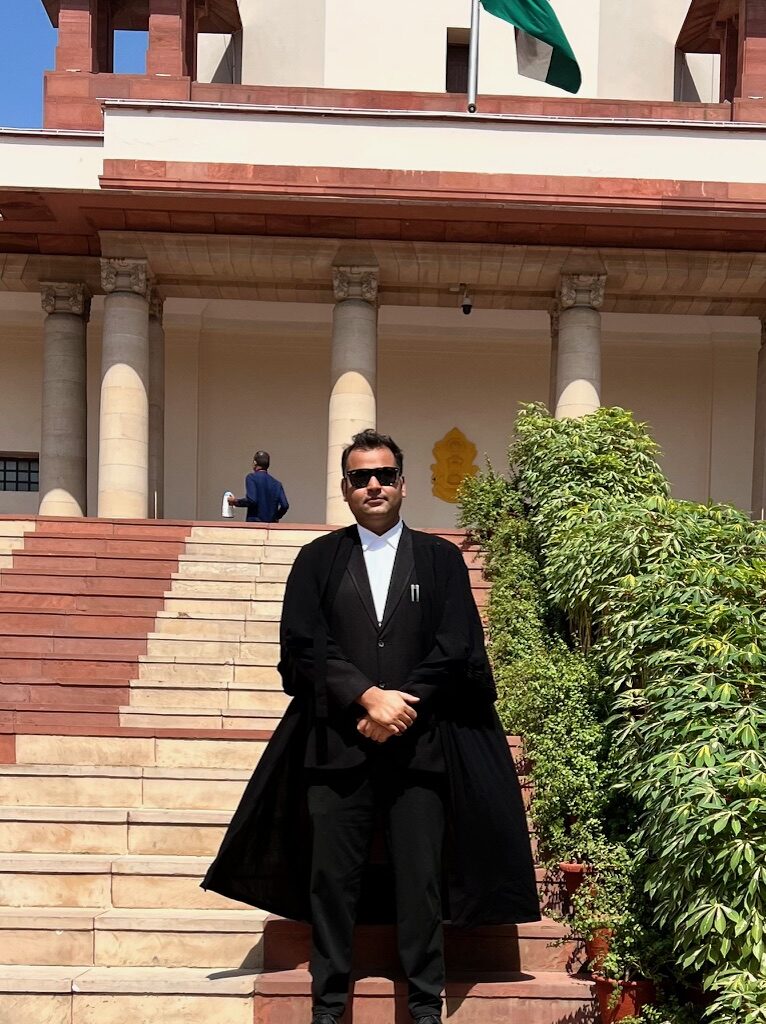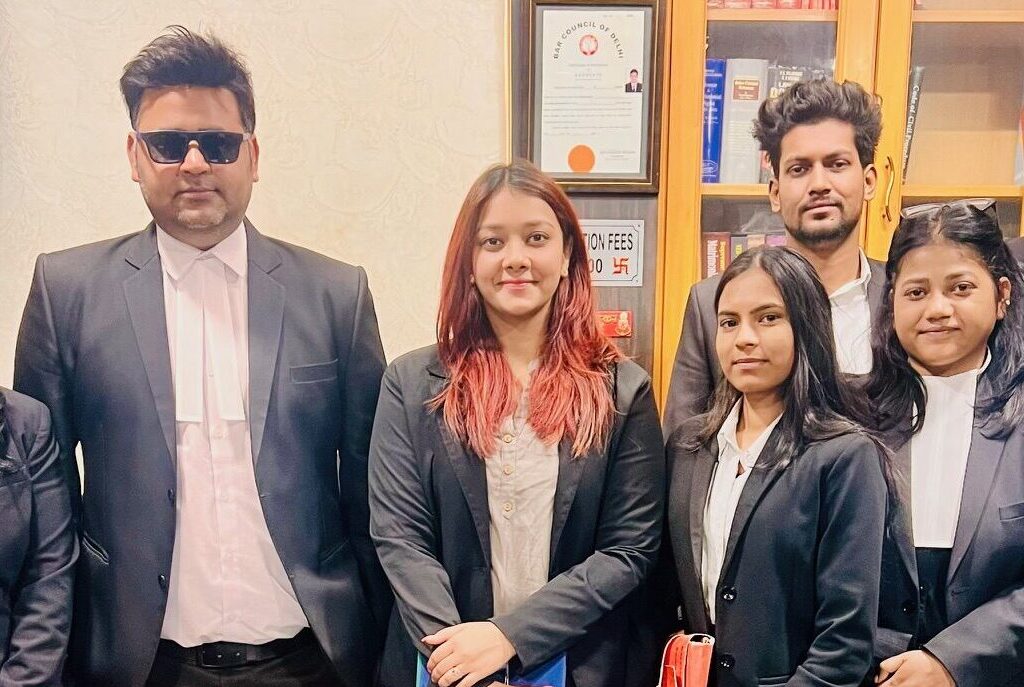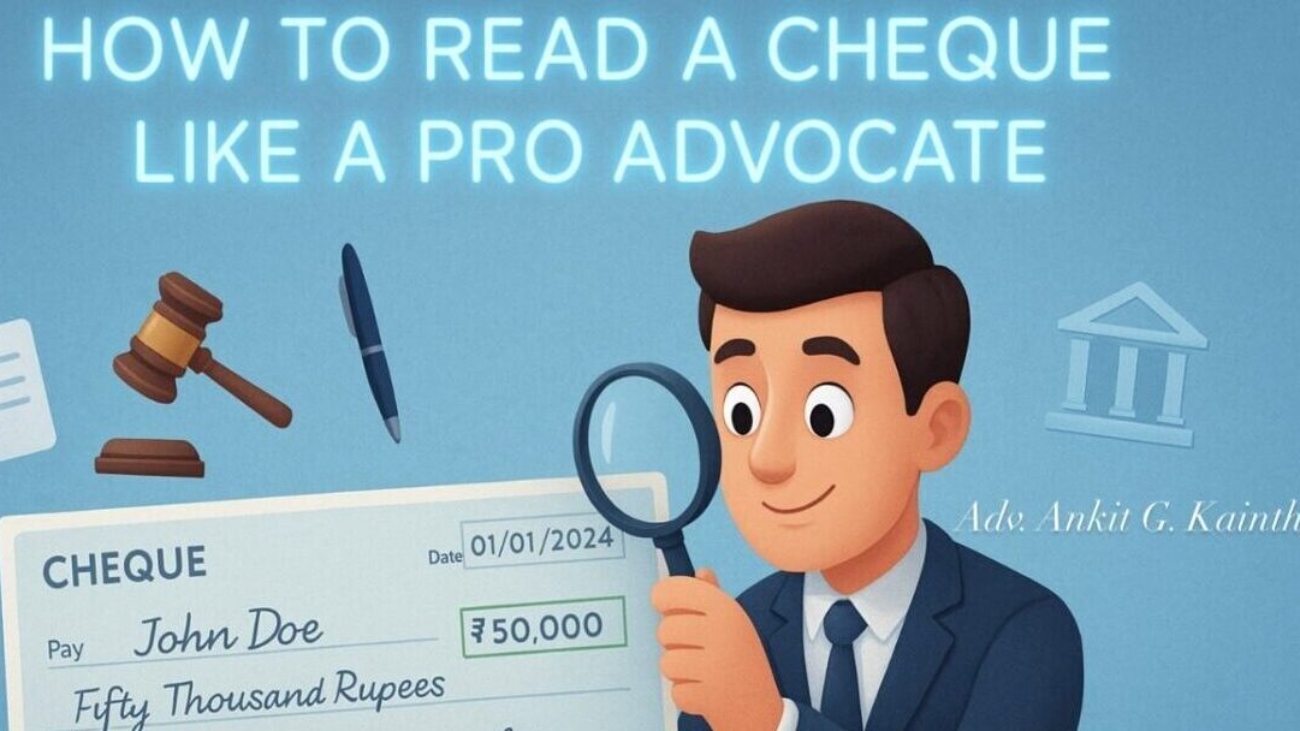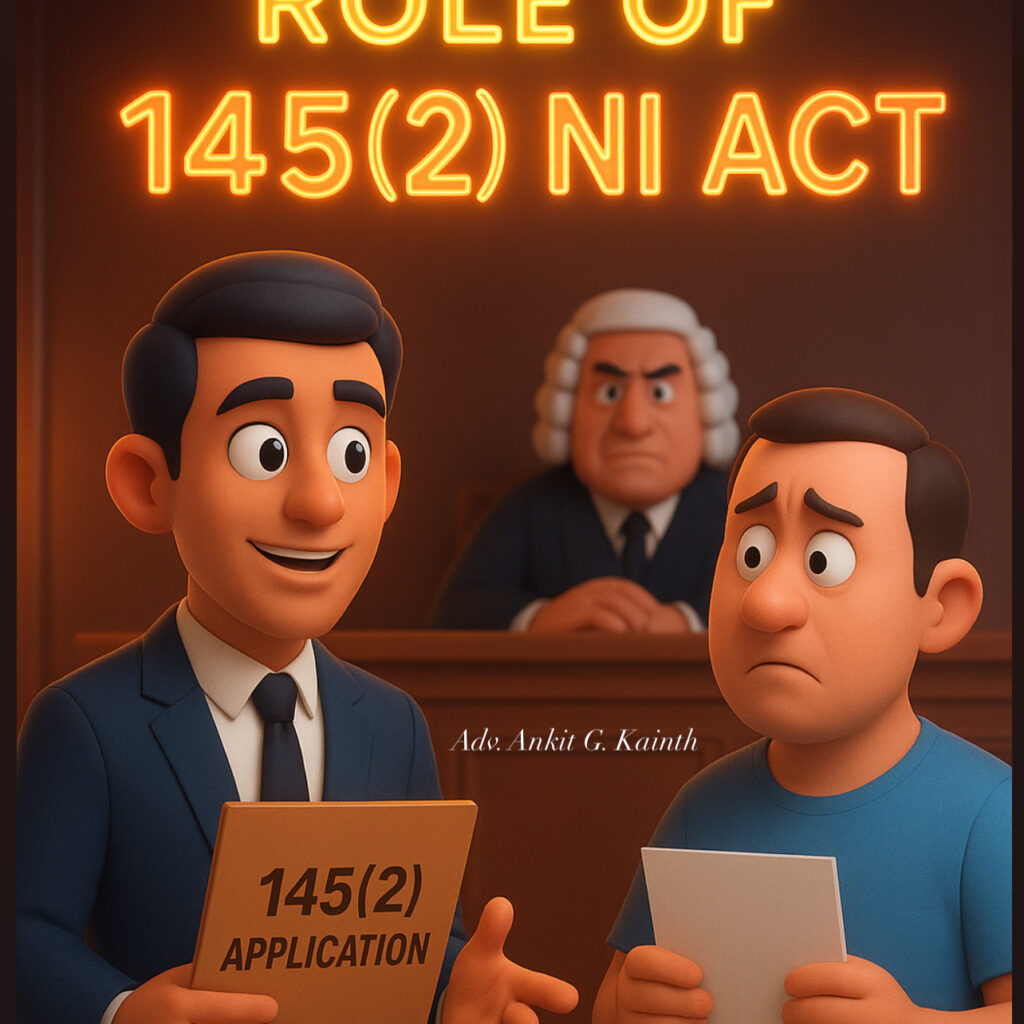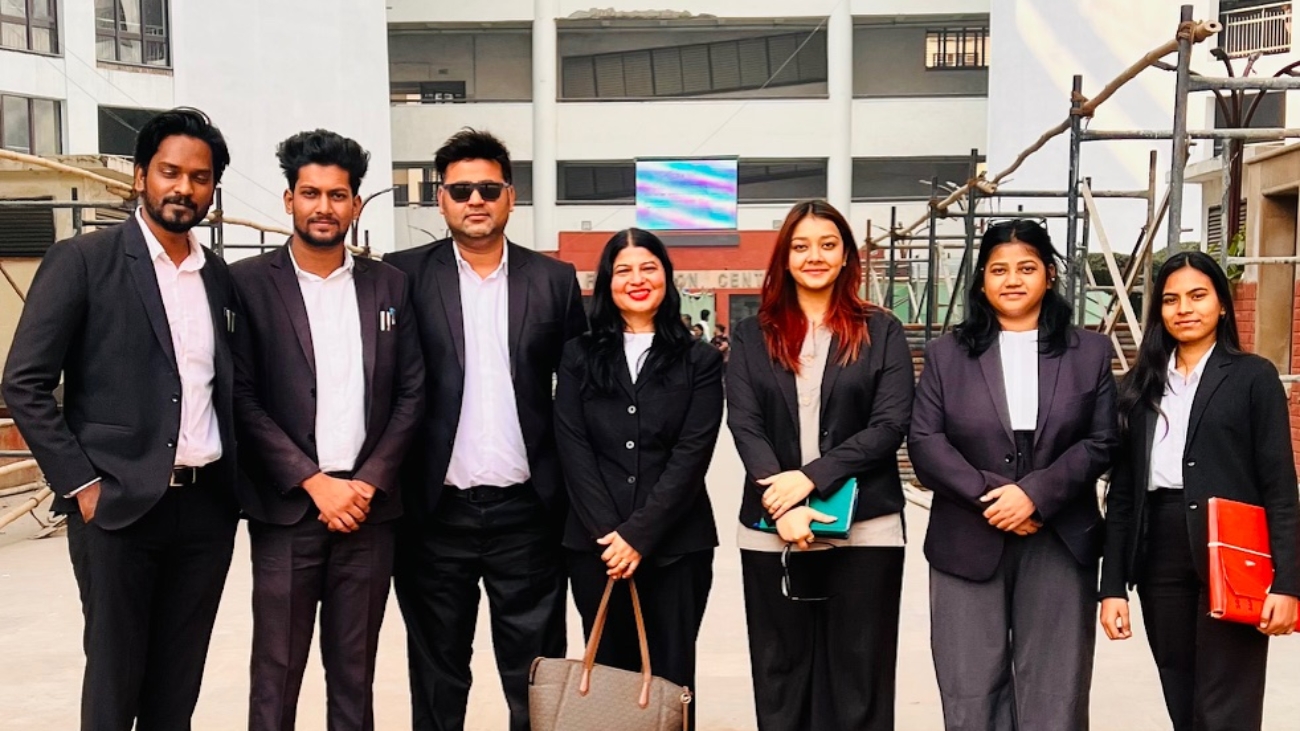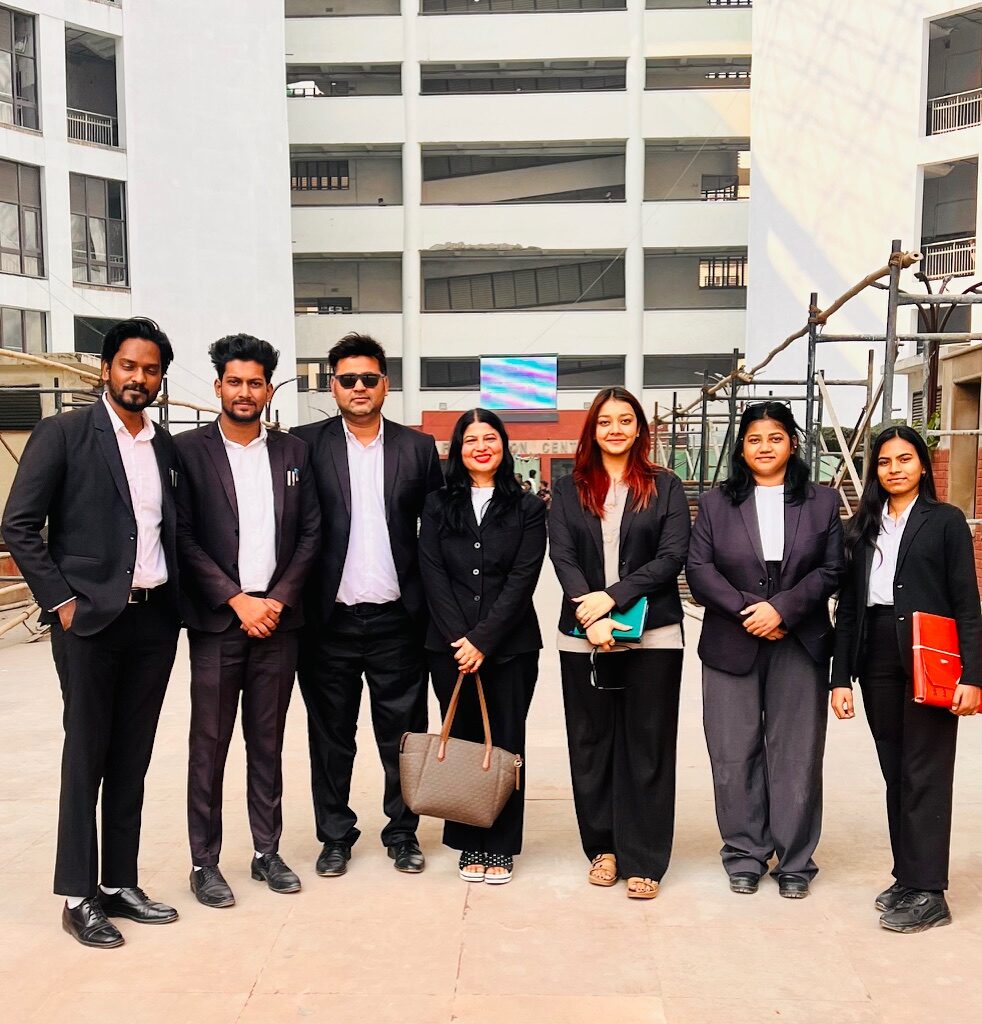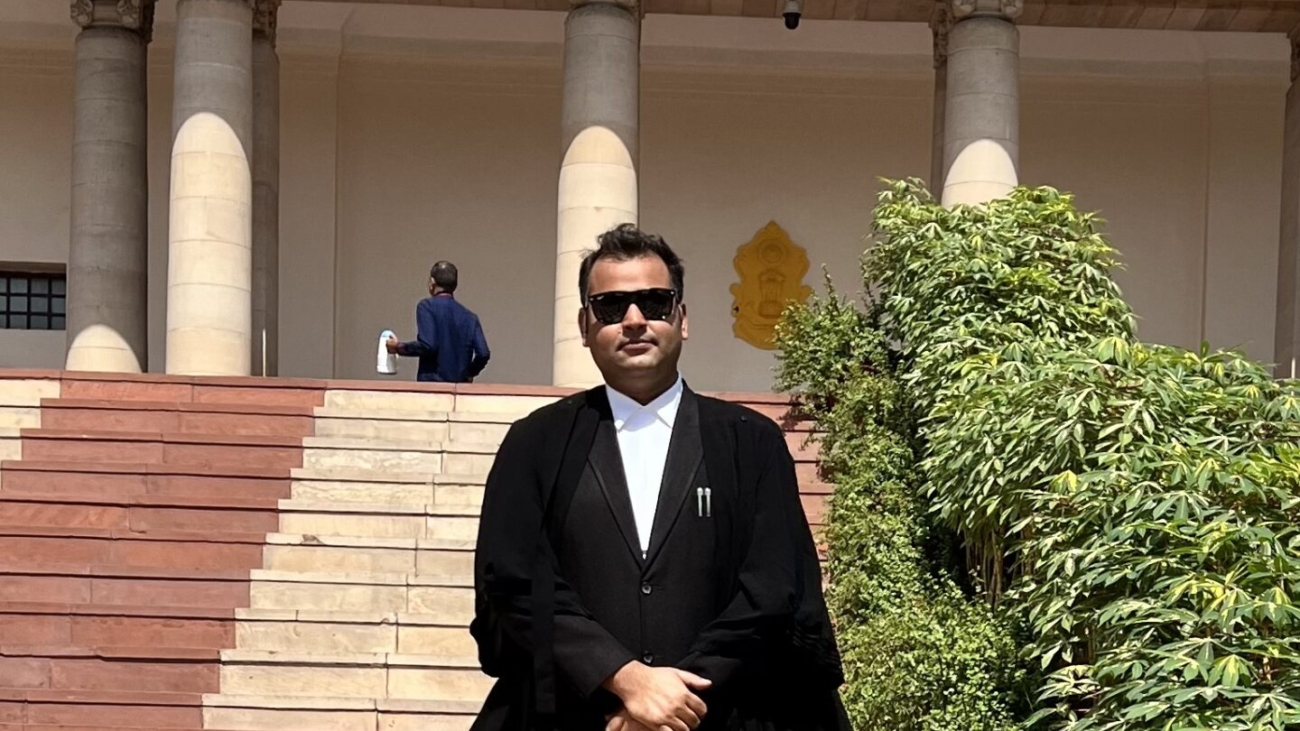
Best Advocate in Dwarka Court

How to Search the Best Advocate in Dwarka Court, Sector-10, Delhi?

Top Advocate in Dwarka Court

A Practical & Experienced Client Guide by Advocate in Dwarka Court who is dealing in Civil, Criminal and Matrimonial cases from more than 18+ years in District court Dwarka, New Delhi by Best Advocate in Dwarka Court.

Choosing the right advocate is one of the most crucial decisions in any legal dispute. Whether your matter relates to civil litigation, criminal defence, cheque bounce, matrimonial disputes, property matters, or commercial cases, the quality of legal representation directly affects the outcome. Dwarka Court, Sector-10, New Delhi is one of the busiest district courts in Delhi, housing multiple courts and thousands of advocates. For a client, this abundance often creates confusion rather than clarity, by Best Advocate in Dwarka Court.

This guide explains how a client can genuinely identify the best advocate in Dwarka Court, based on practical parameters and what 18+ years of court experience truly reveals.

1. Check Advocate’s Pending & Disposed Cases in Dwarka CourtBest Advocate in Dwarka Court

Before engaging any advocate, clients should verify their pending and disposed-off cases through the official eCourts portal. An advocate who regularly appears in Dwarka Court will have a visible litigation footprint. Disposed cases reflect courtroom experience, while pending matters show ongoing practice and engagement.

👉 What 18+ years of experience says:

A seasoned advocate maintains a balanced docket—neither overloaded nor inactive—ensuring proper attention to each case.

2. Review Previous Case Orders & JudgmentsBest Advocate in Dwarka Court

Clients should search for previous case orders argued by the advocate. These orders reveal the advocate’s drafting skills, understanding of law, and ability to persuade the court. Well-reasoned orders in favour of clients reflect sound legal strategy.

👉 Experience insight:

Judgments don’t lie. Years in court teach that solid preparation and legal clarity leave a permanent mark in judicial orders.

3. Advocate’s Chamber & Office Should Be in Dwarka CourtBest Advocate in Dwarka Court

An advocate having a chamber and office within Dwarka Court, Sector-10 offers significant advantages—easy accessibility, regular court presence, familiarity with court staff, filing counters, and procedural nuances.

civil advocate in Dwarka court
Civil advocate in Dwarka court

👉 From experience:

Local presence saves time, avoids delays, and ensures better coordination—especially during urgent hearings.

4. Prefer 15+ or 18+ Years of ExperienceBest Advocate in Dwarka Court

Experience matters immensely in litigation. An advocate with 18+ years of experience has witnessed changes in law, judicial mindset, procedural reforms, and evolving litigation trends. Such advocates can anticipate challenges before they arise.

👉 What 18+ years teaches:

Law is not just sections—it is timing, presentation, patience, and strategy. Experience teaches when to argue, when to negotiate, and when to wait.

5. Team Strength & Office InfrastructureBest Advocate in Dwarka Court

Modern litigation demands teamwork. A strong legal team ensures timely filings, research support, case tracking, and effective client communication. Team strength reflects the advocate’s seriousness and professionalism.

👉 Practical wisdom:

Behind every successful court argument is a prepared team working in coordination.

6. Professionalism, Ethics & TransparencyBest Advocate in Dwarka Court

Clients must observe the advocate’s professional conduct—punctuality, clear advice, transparency in fees, and ethical practice. Avoid advocates who guarantee results or mislead clients.

👉 Experience lesson:

Honest advice, even if difficult, protects clients in the long run and builds lasting trust.

7. Specialization in Your Type of CaseBest Advocate in Dwarka Court

Not every advocate handles every type of matter with equal expertise. Clients should choose advocates specializing in their legal issue—civil suits, criminal defence, matrimonial disputes, cheque bounce cases, property matters, etc.

👉 Court reality:

Specialization improves efficiency, confidence, and success rate.

8. Client Reviews & Reputation

Online reviews, word-of-mouth references, and courtroom reputation matter. An advocate respected by peers and judges reflects credibility and consistent conduct.

👉 Experience speaks:

Reputation is earned case by case, year by year—never overnight.

9. Communication & Regular Case Updates

A good advocate keeps clients informed, explains legal developments in simple language, and remains accessible for queries.

👉 From long practice:

Clients don’t fear cases—they fear uncertainty. Clear communication reduces stress and builds confidence.

Conclusion

Searching for the best advocate in Dwarka Court, Sector-10, Delhi requires careful evaluation—not impulse decisions. Checking case records, experience, professionalism, local presence, and ethical conduct ensures that your legal matter is handled competently.

An advocate with 18+ years of experience understands not only the law, but the courtroom, the system, and the client’s expectations. Such experience transforms legal representation from mere advocacy into strategic guidance.

Make an informed choice—because your case deserves nothing less than experience, integrity, and dedication.

https://www.linkedin.com/embed/feed/update/urn:li:share:7411035000114098177

FOLLOW US FOR MORE UPDATES ON :-

https://www.threads.com/@ankit_gaurav_kainth_advocate?igshid=NTc4MTIwNjQ2YQ==

https://www.linkedin.com/in/ankitgauravkainthandassociates?utm_source=share_via&utm_content=profile&utm_medium=member_ios

https://maps.app.goo.gl/rEdAYVSx4FXy1TpN8?g_st=ic

https://youtube.com/@ankitgauravkainth?si=xaY-mL7ZkQH5MGtz

Best advocate in Dwarka Court

✨ Ramayan & Advocacy – Lessons for a Good Advocate

Criminal lawyer in dwarka court
Criminal lawyer in Dwarka Court

📖 Introduction
The Ramayan is not just a story of Lord Ram, Sita, and Ravan—it is a timeless text filled with lessons on ethics, duty, and justice. Interestingly, the same teachings can guide us in the noble profession of advocacy. Just as every character in the Ramayan stood for certain principles, an advocate too must learn to balance truth, duty, and strategy in the courtroom.

⚖️ 1. The Power of Truth (Satya)
In the Ramayan, Lord Ram symbolizes satya (truth) and dharma (duty). For an advocate, truth is the foundation of credibility. A lawyer who manipulates facts may win a case once, but loses respect forever. As the couplet says:

👉 “Rahupati Reet Sada chali aai,
Pran jaan par vachan na jaye.”

Just like Lord Ram never went back on His word, an advocate should stand firmly by their promises—to clients, to the court, and to their own conscience.


🛡️ 2. Courage in Adversity
Hanuman’s journey to Lanka teaches us courage, perseverance, and the importance of preparation. Similarly, an advocate often faces hostile courts, tricky witnesses, or overwhelming evidence. But courage, backed by preparation, makes the difference between panic and performance.

📚 3. Importance of Research & Strategy
Ravan was a brilliant scholar but his arrogance blinded him. Vibhishan, on the other hand, chose the path of righteousness and strategy. For a Lawyer, research (knowing the law, precedents, and facts) is the backbone. Strategy—when to argue, when to stay silent, when to push—defines success.

🤝 4. Advocacy as Service, Not Business
Ram’s leadership was marked by service, not selfishness. He listened, cared, and fought for his people. Likewise, advocacy should be seen as a service to society and justice, not merely as a profession for money. A good Lawyer earns respect by standing for justice first, fee second.

🧭 5. Discipline & Integrity
Ram lived a life of discipline—whether in exile, war, or rule. Discipline for an advocate means punctuality, ethical behavior, respect for the bench, and consistency in preparation. These qualities slowly build the reputation of a “trusted vakil.”


🌟 Conclusion
The Ramayan is not just a spiritual guide; it is a practical handbook for life. For a Lawyer, its teachings remind us:
• Speak truth like Ram.
• Be courageous like Hanuman.
• Strategize like Vibhishan.
• Serve like Ram Rajya.

An advocate who follows “Rahupati Reet Sada chali aai” — never going back on their word, even at personal cost — will always shine in the court of law and in the court of conscience.
#BestAdvocateinDwarkaCourt

Consult an experienced advocate to determine the most suitable mode of service based on the facts of your case and court practice.

Contact me for Consultation :- 9899085554, 9811885554

Ankit Gaurav Kainth Advocate, Dwarka Court, Chamber No.728, 7th Floor, Dwarka, New Delhi

https://share.google/4r7kHm3s4da3OS9rS

FOLLOW US FOR MORE LEGAL UPDATES:-

Best advocate in Dwarka Court

Best Criminal Advocate Dwarka

⚖️ How Advocates Can Grill a Police Officer Misusing His Position in Dwarka Court, New Delhi

⚖️ How Advocates Can Grill a Police Officer Misusing His Position- Dwarka Court

The uniform of a police officer represents law and order, but unfortunately in Dwarka Court Jurisdiction, some misuse this sacred duty. From forcing illegal settlements inside the police station, demanding bribes to “close” cases, destroying or hiding evidence, or even beating an accused in custody — such acts are not only immoral but illegal.

An advocate’s role is not just to defend the client but also to ensure that misuse of police power is exposed in court. Here are effective strategies:


📜 1. Know the Legal Arsenal
• IPC Provisions:
• Sec. 166 IPC – Public servant disobeying law with intent to cause injury.
• Sec. 201 IPC – Causing disappearance of evidence.
• Sec. 323/325 IPC – Assault on accused in custody.
• Sec. 383 IPC – Extortion by threat.
• CrPC Provisions:
• Sec. 154 – Mandatory registration of FIR.
• Sec. 161/162 – Recording and use of witness statements.
• Sec. 172 – Case diary – defence can cross-check if officer uses it.
• Constitutional Safeguards:
• Art. 21 – Protection of life and liberty.
• D.K. Basu Guidelines – Mandatory safeguards in arrests and detention.


🛡️ 2. Cross-Examination in Court

A corrupt officer’s weakest point is his record. During trial:
• Confront him with contradictions between the FIR, case diary and charge sheet.
• Ask why material evidence/witness statements were omitted.
• Highlight any illegal “settlement” attempt – this shows abuse of power.
• Expose custody violence by producing medical reports, injury photographs, or witness testimony.
• Demand CCTV footage of the police station/cell (mandated in law).

Remember, courts take procedural lapses seriously. A single inconsistency can demolish an officer’s credibility.


📝 3. Filing Complaints Against Misuse

Beyond the courtroom, advocates should document and report misconduct:
• Lodge complaints with the Station House Officer, insist on DD entry.
• Escalate to Superintendent of Police or Commissioner.
• File before the State Police Complaints Authority or NHRC/SHRC for custodial torture, extortion, or illegal detention.
• Move the Magistrate under Sec. 190 CrPC for cognizance of offences committed by police officials.
• File RTI applications to obtain records and expose delays or tampering.


🔍 4. Practical Tips to “Grill” a Cop
• Always insist on case diary inspection if officer relies on it.
• Use independent witnesses and medical evidence to counter false police versions.


🌟 Conclusion

A police officer misusing his position is not above law. The courtroom is where truth meets record — and an advocate can ensure that corruption is grilled, exposed, and punished. By combining sharp cross-examination, solid documentation, and proper complaints, you not only protect your client but also safeguard the integrity of the justice system.


🤝 Pre-Litigation Support: Solving Problems Before Court

Many clients approach us before filing a case. As a Criminal Case Advocate Dwarka Court, we strongly believe:

👉 Not every dispute should reach the courtroom.


How We Help Before Litigation:

  • Legal consultation and case analysis
  • Drafting legal notices
  • Negotiation and settlement discussions
  • Risk assessment and strategy planning

Clients from Janakpuri, Vikaspuri, Uttam Nagar, Palam Village, Najafgarh, and Samalka often resolve disputes at this stage itself.

Therefore, hiring a Criminal Case Advocate Dwarka Court early can save time, money, and emotional stress.


🏛️ Litigation Stage: Strong Representation When It Matters Most

When the matter reaches court, you need a Top and Best Advocate in Dwarka Court who understands the system deeply.

As a Criminal Case Advocate Dwarka Court, we provide:

  • Case filing and drafting
  • Bail applications (regular & anticipatory)
  • Evidence handling and cross-examination
  • Strong courtroom representation

Our presence in Dwarka Court allows quick filings and faster action—a major advantage over non-local lawyers.

📍 Advantage of Choosing a Local Dwarka Court Advocate

Being a Criminal Case Advocate Dwarka Court is not just about experience—it is about local expertise.


Why Local Matters:

  • Familiarity with court procedures
  • Understanding of court staff and filing systems
  • Faster case movement
  • Immediate availability in urgent matters

We regularly handle cases from:

Dwarka North, Dwarka South, Sector-23, Bindapur, Dabri, Chhawla, Delhi Cantonment, Baba Haridas Nagar, Kapashera, Jaffarpur Kalan, Mohan Garden

This local presence ensures efficient and timely legal support.


💼 Transparency in Advocate Fees – Our Commitment

Clients often fear hidden charges. However, as a Best Criminal Disputes Advocate Dwarka Court, we follow a strict ethical system:

✅ Clear Fee Structure

We explain fees in detail before starting the case.

✅ Written Fee Agreement

Every engagement includes a proper Lawyer-Client agreement.

✅ Receipts & Acknowledgements

Every payment is documented.

✅ No Hidden Charges

What we commit is what you pay.

Therefore, when you choose a Criminal Case Advocate Dwarka Court, you deserve clarity—and we ensure it.

📞 Trust, Accessibility & Professional Standards

Legal matters are stressful. Therefore, clients need more than just a lawyer—they need support.

As a Best Crime Lawyer Dwarka, we provide:

  • 📞 Availability on call
  • 💬 Dedicated WhatsApp support
  • ⚡ Quick responses
  • 🤝 Honest legal advice

Over 18+ years, clients have trusted us not just for results, but for ethical and transparent dealings.


❤️ The Emotional Side of Legal Fees

Behind every case, there is a story—fear of arrest, family disputes, financial stress.

As a Criminal Case Advocate Dwarka Court, I always remind clients:

👉 You are not just paying fees. You are investing in protection, strategy, and peace of mind.

Therefore, we always aim to keep fees reasonable and justified.


🏆 Why Clients Choose Us in Dwarka Court

✔ 18+ Years Experience

✔ Local Court Expertise

✔ Transparent Fee Structure

✔ Strong Criminal Practice

✔ Trusted by Clients Across Dwarka

Whether you need a Criminal Case Advocate Dwarka Court or guidance from a Top Regular Bail & Anticipatory Bail Lawyer Dwarka, we are here to help.


📢 Call-To-Action

⚖️ Facing a legal issue? Don’t wait.

📞 Call now for honest legal guidance:- 9899085554, 9811885554.

💬 WhatsApp for quick consultation

Choose a trusted Criminal Case Advocate Dwarka Court who values transparency, trust, and results.


❓ FAQ Section

1. How much does a Criminal Case Advocate Dwarka Court charge?

Fees depend on case type, complexity, and stage. However, we always provide a clear and transparent fee structure.

2. Do you provide written fee agreements?

Yes, every case includes a proper Lawyer-Client agreement.

3. Are there any hidden charges?

No. We follow a strict no hidden charges policy.

4. Can disputes be resolved without going to court?

Yes, many cases are resolved during pre-litigation through negotiation and legal notices.

5. Do you handle urgent bail matters?

Yes, we are experienced as a Top Regular Bail & Anticipatory Bail Lawyer Dwarka.

FOLLOW US FOR MORE LEGAL UPDATES ON :-
Criminal Advocate in Dwarka Court

**First Time Visiting Dwarka Court Sector-10, New Delhi?🏛️

Step-by-Step Guide for Litigants visiting Dwarka Court

A practical, client-friendly guide to help you confidently navigate Dwarka Court and choose the right advocate


Visiting a court for the first time can be stressful, confusing, and overwhelming—especially if you are already dealing with a legal dispute. If you are visiting Dwarka Court, Sector-10, New Delhi, for the first time, this detailed guide will help you understand how the court functions, what types of cases are heard here, which judges sit here, facilities available, and how an experienced Dwarka Court advocate can assist you effectively ⚖️

Dwarka Court is one of the largest District Courts in Delhi, catering mainly to South-West Delhi, and thousands of litigants visit it daily.


📍 About Dwarka Court, Sector-10, New Delhi

Dwarka Court is a District Court, not a High Court. It deals with civil, criminal, family, commercial, traffic, and special statutory matters at the district level.

📌 Location: Sector-10, Dwarka, New Delhi🚇 Metro Connectivity: Dwarka Sector-10 Metro Station — just adjacent to the court premises, making it extremely convenient for litigants and advocates.


🏛️ Types of Courts & Judges in Dwarka Court

Dwarka Court houses multiple courts with different jurisdictions. Understanding this helps you know where your case will be listed 👇

👨‍⚖️ Judges Sitting in Dwarka Court

  • Metropolitan Magistrates (MM)

  • Additional Chief Metropolitan Magistrates (ACMM)

  • Civil Judges (Junior & Senior Division)

  • Additional District Judges (ADJ)

  • Sessions Judges & Additional Sessions Judges (ASJ)

Each judge handles a specific category of cases as per law.


📂 Types of Cases Listed in Dwarka Court

Dwarka Court handles a wide range of cases, including:

🔹 Criminal Matters

🔹 Civil Matters

  • Property disputes

  • Injunction & recovery suits

  • Partition & possession cases

  • Declaration suits

🔹 Family & Matrimonial Cases

  • Divorce (mutual & contested)

  • Maintenance & alimony

  • Child custody & visitation

  • Domestic violence proceedings

🔹 Sessions Court Matters

  • Criminal appeals

  • Criminal revisions

  • Serious offence trials


⚡ Special Courts in Dwarka Court Complex

Dwarka Court also houses specialized courts, such as:

  • ⚡ Electricity Courts (power theft cases)

  • 🏙️ MCD / Municipal Courts

  • 🚦 Traffic Challan Courts

  • 💼 Commercial Courts

  • 🧾 Summary & Special Statutory Courts

Knowing the correct court avoids unnecessary delays and confusion.


🪜 Step-by-Step: What to Do on Your First Visit

✅ Step 1: Entry & Security Check

  • Police check-out at the main gate

  • Carry valid ID proof

  • Restricted items are not allowed

✅ Step 2: Facilitation Centre (Enquiry Counter)

🧭 This is the most important place for first-time visitors.Here you can:

  • Check court number

  • Confirm case listing

  • Get basic procedural guidance

✅ Step 3: Advocate Meeting

Meet your advocate to:

  • Understand your case status

  • Confirm next date & strategy

  • Prepare documents


🏢 Facilities Available for Litigants in Dwarka Court

Dwarka Court is well-equipped with essential facilities 👇

  • 🍽️ Canteen (inside court complex)

  • ⌨️ Typing Pool

  • 🖊️ Notary Attestation Services

  • 📜 Oath Commissioner

  • 🖨️ Photocopy & Printing Shops

  • 🧭 Facilitation Centre / Enquiry Counter

  • 🧑‍⚕️ Medical Centre

  • 🏦 SBI Bank Branch

  • 💳 ATM Counter

  • 👮 Police Assistance Booth

  • 🚗 Parking Available Outside for Clients

  • 👨‍⚖️ Bar Rooms for Advocates

These facilities make Dwarka Court client-friendly and accessible.


🔍 Why Choosing a Local & Experienced Dwarka District Court Advocate Matters

Many litigants make the mistake of hiring a lawyer unfamiliar with Dwarka District Court procedures. A local, experienced Dwarka Court advocate offers:

✔️ Practical court knowledge✔️ Familiarity with judges & court functioning✔️ Faster procedural handling✔️ Better case planning✔️ Reduced delays & unnecessary adjournments


🤝 How Our Firm Assists You in Dwarka District Court

With more than 18+ years of professional experience, our firm has been regularly practicing before Dwarka Court, New Delhi, handling a wide variety of cases.

👨‍⚖️ Our Assistance Includes:

  • Case evaluation & legal opinion

  • Drafting & filing of cases

  • Bail & urgent relief matters

  • Divorce, family & matrimonial disputes

  • Cheque bounce & criminal cases

  • Civil & property litigation

  • Appeals & revisions before Sessions Court

We focus on clarity, transparency, and result-oriented advocacy, ensuring that clients are informed at every stage of their case.


📌 Final Words for First-Time Litigants

Visiting Dwarka Court for the first time does not have to be intimidating. With the right guidance, proper preparation, and an experienced advocate, your legal journey becomes much smoother.

If you are searching for a good, experienced, or best advocate in Dwarka District Court, New Delhi, always choose someone who:

  • Practices regularly in Dwarka District Court

  • Explains legal procedures clearly

  • Respects your time & concerns

  • Has proven court experience


🔎 Search Titles 

  • First Time Visiting Dwarka District Court Sector-10 New Delhi – Complete Litigant Guide

  • Dwarka Court District Court Guide: Cases, Judges & Facilities

  • Best Advocate in Dwarka District Court New Delhi – What Clients Must Know


https://share.google/FelvlWNYUPMpke79v

Top Advocate in Dwarka Court

Experienced Dwarka Court advocate explaining Section 138 cheque bounce law, legal notice, timelines and courtroom strategy in Delhi

Section 138 Cheque Bounce: What Clients Should Know in Dwarka Court?

💼⚖️ A Practical Guide from 18+ Years of Courtroom Experience at Dwarka Court, New Delhi

In my 18+ years of active legal practice at District Court Dwarka, I have seen thousands of cheque bounce cases—some genuine, some avoidable, and many arising simply due to lack of proper legal guidance at the right time.

Section 138 of the Negotiable Instruments Act, 1881, though seemingly simple, is a technical, time-bound and procedure-driven law. A single mistake can cost you the entire case.

This article is written to educate, empower, and protect clients, whether you are a complainant or an accused.

🔍 What is Section 138 Cheque Bounce Case?

A cheque bounce offence is committed when:

✔ A cheque is issued towards a legally enforceable debt or liability

✔ The cheque is returned unpaid due to insufficient funds / account closed / payment stopped

✔ A legal notice is issued within 30 days of dishonour

✔ Payment is not made within 15 days of receipt of notice

Only when all legal ingredients are fulfilled, criminal liability under Section 138 arises.

📌 It is not merely about bouncing of cheque—it is about compliance with strict statutory timelines.

⏳ Time Limits You Must Never Ignore

⏱ Cheque validity – Usually 3 months

⏱ Legal notice – Within 30 days of bank return memo

⏱ Payment window – 15 days after notice delivery

⏱ Complaint filing – Within 30 days thereafter

⚠️ One day’s delay without legal justification can result in dismissal.

🧾 Common Myths Clients Have

❌ “Cheque bounce is a civil matter only”

❌ “Case can be filed anytime”

❌ “Stop payment means no offence”

❌ “Security cheque is always safe”

✅ Reality: Courts at Dwarka and Delhi consistently hold that security cheques, post-dated cheques, and even blank signed cheques can attract Section 138 if liability is proved.

⚖️ Punishment under Section 138

🔹 Imprisonment up to 2 years

🔹 Fine up to double the cheque amount

🔹 Compensation under Section 357 CrPC

In many cases, settlement at the right stage saves clients from unnecessary litigation and financial loss.

🏛️ Why Cheque Bounce Cases Need Experienced Handling

From pre-litigation notice drafting to trial, cross-examination, and final arguments, cheque bounce cases are document-centric and strategy-driven.

Over the years at Dwarka Courts, I have seen cases fail because:

📉 Wrong notice was sent

📉 Complaint lacked proper averments

📉 Evidence was poorly presented

📉 Accused missed compounding opportunity

Experience matters—not just knowledge of law.

🤝 How I Help Clients at Dwarka Court (With My Team)

With 18+ years of courtroom exposure, I offer end-to-end legal assistance:

🖋 Drafting legally sound demand notices

📑 Filing & defending Section 138 complaints

🎯 Strategic cross-examination

🤝 Negotiated settlements & compounding

📂 Multiple cheque matters & bulk cases

🏛 Regular appearance before Dwarka Courts

My team ensures timely follow-ups, document management, and procedural compliance, so clients remain stress-free.

🔄 Settlement & Compounding: A Smart Option

Courts actively encourage settlement at early stages.

✔ Saves time

✔ Reduces cost

✔ Avoids criminal record

✔ Preserves business relationships

📌 With the right legal strategy, many matters are resolved before evidence stage.

👨‍⚖️ Accused in Cheque Bounce Case? Don’t Panic

If you have received summons:

🔹 Do not ignore it

🔹 Do not assume conviction is automatic

🔹 Do not delay legal advice

A strong defence may exist if:

✔ No legally enforceable debt

✔ Cheque misused

✔ Amount already paid

✔ Procedural lapses by complainant

Each case demands individual assessment.

🌟 Final Words from Experience

“Section 138 cases are not won by emotions, but by precision, timing, and strategy.”

Whether you are seeking recovery of your hard-earned money or defending against a false implication, professional guidance at the earliest stage makes all the difference.

At District Court Dwarka, New Delhi, my practice is built on clarity, commitment, and courtroom results.

🔎

Section 138 Cheque Bounce Case in Dwarka Court – Complete Legal Guide by Experienced Advocate

📢

#ChequeBounceSection138NIActdwarka

#ChequeBounceLawyer

#DwarkaCourtAdvocateDwarka

Consult an experienced advocate to determine the most suitable mode of service based on the facts of your case and court practice.

Contact me for Consultation :- 9899085554, 9811885554

Ankit Gaurav Kainth Advocate, Dwarka Court, Chamber No.728, 7th Floor, Dwarka, New Delhi

https://share.google/4r7kHm3s4da3OS9rS

Best Advocate in Dwarka Court

✨🌟 Title: How My LinkedIn Went Viral & Touched 9,00,000+ Views,  gained 5700+ followers, built 4500+ meaningful connections-in Just 5 Months — And Why Every Dwarka Court Advocate Must Be Here! 🌟✨

Top Advocate in Dwarka Court

LinkedIn is not just a platform. It’s a courtroom of opportunities, a chamber of ideas, a library of practical wisdom, and a networking arena where your digital presence argues for you long before you draft your first submission, what you should know about Dwarka Court Advocate on Digital platforms.

In the last 5 months, my own journey on LinkedIn has been nothing short of surprising, motivating, and deeply rewarding. My posts crossed 9,00,000+ organic views, I gained 5700+ followers, built 4500+ meaningful connections, and even created a power team of professionals who now work, grow, and strategize with me.

So the natural question is—

How did this happen? Why did it happen? And why should every advocate—whether in India or abroad—take LinkedIn seriously?

Let’s decode it together for Dwarka Court Advocate

🔥👨‍⚖️💼

🌐 Why LinkedIn is THE Platform for Dwarka Court Advocate

For lawyers, LinkedIn is more than social media. It is:

📘 A professional reputation-builder

🤝 A networking powerhouse

🎯 A real-time CV before millions

🧠 A knowledge-sharing marketplace

🌍 A global court where your expertise travels further than you think

Clients, colleagues, seniors, juniors, law firms, NRIs, startups—all are here looking for trustworthy legal minds.

Your courtroom performance is seen by a few, but your LinkedIn performance is seen by the world.

Civil advocate in Dwarka court

🚀 How My LinkedIn Journey Went Viral- A Dwarka Court Advocate

People often assume “viral” means luck.

But in my case, it was consistency + authenticity + intention to help.

1️⃣ I Shared 18+ Years of Real Experiences- A Dwarka Court Advocate

No theory. No textbook lines.

Just raw, real, relatable stories from the trenches of litigation.

📝 My struggles.

📝 My courtroom lessons.

📝 My failures.

📝 My early mistakes.

📝 My turning points in life and law.

People connected. Because truth connects deeper than perfection.

2️⃣ I Wrote for the Fraternity, Not for Myself-By Dwarka Court Advocate

My blogs focused on:

💡 Practical knowledge

💡 Motivation for young advocates

💡 Procedural clarity

💡 Real court experiences

💡 Soft skills for lawyers

💡 Wisdom seniors wish they had known earlier

When your intention is to serve, the algorithm automatically helps you.

3️⃣ I Used Visual Storytelling

Everyone kept asking—

“Sir, how do you design such beautiful images?” 🎨🤔

My answer was always with a smile:

“Whether it is image-making or life-making, all you need is a wonderful prompt.”

And yes…

‘Zindagi lambi nahi, khoobsurat honi chahiye.’ 😉😇

Powerful visuals + powerful words = powerful impact.

4️⃣ I Showed My Human Side

LinkedIn is full of polished victories.

But I spoke about:

🧩 My early hardships

🧩 My learning years

🧩 My mistakes

🧩 My internal battles

🧩 My journey of becoming “something from nothing”

Authenticity became my strength.

🌟 Why My Posts Went Viral

Because they weren’t “posts”.

They were stories, experiences, lessons, emotions, and honesty.

People are tired of reading copied content.

They want a real voice.

A real mentor.

A real advocate who speaks the truth of legal life.

I merely provided that voice.

🤝 How I Reached 5700 Followers & 4500 Connections

No shortcuts.

No paid promotions.

No clickbait.

Just:

✔ Consistency (almost daily)

✔ Helping others

✔ Responding to people

✔ Sharing value

✔ Being original

✔ Being approachable

The more value you give, the more people join your journey.

💼 How LinkedIn Benefitted Me as an Dwarka Court Advocate

It changed my professional ecosystem.

In just 5 months:

🌟 I made strong professional connections

🌟 Some became my power team

🌟 We started collaborating

🌟 We exchanged knowledge, cases, ideas

🌟 I received appreciation, recognition & respect

🌟 I attracted quality clients

🌟 I grew as a professional AND as a human being

Sometimes, your success is not in your CV.

Sometimes, your success is in your network.

🧑‍⚖️ Message for Young Interns & Advocates

Dear young colleagues,

Law is tough… and so is life.

But both become beautiful when you walk with clarity, courage, and consistency.

👉 Share your knowledge

👉 Share your journey

👉 Share your mistakes

👉 Share your insights

Because when you grow, the whole fraternity grows.

And when you help others, life always returns the help back to you—multiplied.

LinkedIn is your open stage.

Stand on it confidently.

Speak your truth confidently.

And one day, your voice will reach where your feet cannot. Blog by Dwarka Court Advocate. 

🎯 Titles

  1. How My LinkedIn Crossed 9 Lakh Views in 5 Months—A Lawyer’s Growth Story
  2. Why LinkedIn is the Most Powerful Platform for Advocates in India & Abroad
  3. How I Gained 5700 Followers as an Advocate—My LinkedIn Strategy Explained
  4. Lawyer’s Guide: Building a Strong Legal Presence on LinkedIn

🏷️ Hashtags

#AdvocateLife #LinkedInGrowth #LawyerStories #LegalFraternity #YoungLawyers #AdvocatesOfIndia #DigitalAdvocacy #LegalWisdom #ProfessionalGrowth #LinkedInSuccess #LawCareer #MotivationForAdvocates

https://getlaw.in/lawyer/ankit-gaurav-kainth-and-associates

https://www.sulekha.com/ankit-gaurav-kainth-associates-dwarka-delhi-contact-address

https://lawrato.com/advocate-ankit-gaurav-kainth

https://www.starofservice.in/professional/attorney/dwarka-sector-6/229207637/ankit-gaurav-kainth-and-associates

https://ecourtsindia.com/lawyer/ankit-gaurav-kainth?cc=DLSW04

Get Acquittal in Section 138 NI Act in District Court Dwarka

How to Get Acquittal in Cheque Bounce Case Under Section 138 NI Act in District Court Dwarka

Top Civil Advocate in Dwarka Court
Advocate in Dwarka Court

Get Acquittal in Section 138 NI Act in District Court Dwarka – Today. A cheque bounce case can be one of the most stressful experiences for any businessperson or individual facing charges under Section 138 of the Negotiable Instruments Act, 1881. The good news? Acquittal is absolutely possible—and with the right legal strategy, expert advocacy, and proper understanding of procedural safeguards, you can successfully defend yourself in the District Court Dwarka.

With over 18+ years of experience in criminal defense and practicing at the District Court, Dwarka (Chamber no. 728, 7th floor), I have guided numerous clients through the complexities of Section 138 cases. This comprehensive guide walks you through the critical defense strategies and legal nuances that can secure your acquittal in Section 138 NI Act.

🎯 Understanding the Legal Framework: What the Prosecution Must Prove

Before diving into defense strategies, it’s essential to understand what the prosecution needs to establish for conviction under Section 138 NI Act. According to the landmark judgment in K. Bhaskaran v. Sankaran Vaidhyan Balan (AIR 1999 SC 3762), the Supreme Court laid down the five essential ingredients that must be proven:

1.    Drawing of a cheque for the discharge of any legally enforceable debt or liability

2.    Presentation of the cheque to the bank within three months

3.    Return of the cheque unpaid by the drawee bank

4.    Issuance of a legal notice by the payee within 30 days of cheque return

5.    Failure to pay the cheque amount within 15 days of receipt of notice

Critical Point: If even ONE of these ingredients is missing or defective, the entire case against you collapses. This is your first line of defense in Section 138 NI Act. Get Acquittal in Section 138 NI Act in District Court Dwarka.

💡 The Power of Section 139: Understanding the Presumption That Can Work For You

Section 139 of the NI Act creates a statutory presumption in favor of the complainant—it presumes that every cheque was issued to discharge a legally enforceable debt. However, this presumption is NOT absolute. It is rebuttable, meaning you can challenge it in Section 138 NI Act.

The burden of proof initially lies on the complainant, but if they establish prima facie evidence of debt, the burden shifts to you to rebut the presumption. The critical aspect here is that you need not prove innocence beyond reasonable doubt—only raise a probable defense to shift the burden back to the complainant. Get Acquittal in Section 138 NI Act in District Court Dwarka.

Landmark Guidance: In Basalingappa v. Mudibasappa (2019) 5 SCC 418, the Supreme Court held that the presumption under Section 139 is rebuttable, and the accused can succeed by presenting credible evidence of a probable defense—you don’t need mathematical certainty, just probabilities.

Criminal lawyer in dwarka court

🛡️ Key Defense Strategies for Acquittal

1. No Legally Enforceable Debt or Liability

This is the most powerful defense in Section 138 cases. The prosecution must prove that a valid, legally enforceable debt existed when the cheque was issued. If they fail to do so, acquittal is virtually guaranteed.

Evidence to Present:

-Business records showing no transaction with the complainant

-Bank statements demonstrating no receipt of funds

-Correspondence proving you never agreed to any loan

-Witness testimony from colleagues or family confirming no debt

Real-World Application: In the recent case Vardhineedi Sri Ramanjaneyulu v. Yeeda Sasibhushan (2025 SCC OnLine AP 1801), the Andhra Pradesh High Court upheld the acquittal because the complainant failed to provide evidence of:[scconline]

-The date and place of the alleged loan transaction

-Documentation of the loan

-Proof of financial capacity to lend the amount

The complainant’s own admission that the transaction was not recorded in his business account books was fatal to his case. Therefore, Get Acquittal in Section 138 NI Act in District Court Dwarka.

2. Cheque Given as Security, Not for Discharge of Debt

A legally valid defense is that the cheque was issued merely as a security deposit and not as payment toward an existing debt. If you can establish that the cheque was:

•    Post-dated with conditional arrangements

•    Held as a guarantee for future transactions

•    Part of a security arrangement, not a debt repayment

…then Section 138 does not apply. However, important caveat: You must prove that it was a security cheque, as the burden lies on you to establish this defense with credible evidence.

What to Document:

•    Written agreements mentioning the cheque as security

•    Correspondence indicating conditional arrangements

•    Witness testimony about the arrangement

•    Business context showing it was meant as security. 

3. Defective or Invalid Legal Notice

The statutory notice issued by the complainant must strictly comply with the law. Any defect is fatal to the prosecution. Check for:- 

•    Timing: Notice must be issued within 30 days of cheque dishonor

•    Content: Notice must clearly demand payment of the exact cheque amount

•    Service: Notice must be properly served on you (returned/undelivered notices don’t constitute valid service)

•    Precision: The amount demanded must match the cheque amount precisely—even a rupee difference can invalidate the notice

Supreme Court Standard: In recent rulings, the Supreme Court reaffirmed that strict compliance with Section 138’s statutory requirements is mandatory.

If the notice is defective, the case is dismissed—you get automatic acquittal. Get Acquittal in Section 138 NI Act in District Court Dwarka

4. Improper Service of Legal Notice

Even if the notice was issued correctly, if it wasn’t properly served on you, no cause of action arises. The burden is on the complainant to prove that:

•    You actually received the notice

•    The notice was delivered to your correct address

•    You had sufficient time to respond (15 days from receipt)

Evidence to Gather:

•    Postal receipts showing notices returned “undelivered”

•    Your residence proof showing the address on notice was incorrect

•    Witness testimony that you never received any notice

•    Affidavit stating non-receipt of notice.

5. Procedural Flaws in Complaint Filing

The complaint must be filed within 30 days of the notice period expiring (i.e., 30 days after the 15-day notice period expires). Any delay beyond this period is fatal to the case:- 

Defense Points:

•    Calculate the exact timeline from cheque dishonor to notice to complaint filing

•    If the 60-day window is exceeded, the complaint is barred by limitation

•    Jurisdictional issues: Cheque should be dishonored in the District Court’s jurisdiction. Get Acquittal in Section 138 NI Act in District Court Dwarka. Get Acquittal in Section 138 NI Act in District Court Dwarka.

6. Lack of Financial Capacity of the Complainant

This defense challenges whether the complainant had the financial means to advance the alleged loan. If the amount is substantial and the complainant cannot prove they possessed those funds at the time of the alleged transaction, it weakens the prosecution’s case significantly.

🎬 Cross-Examination: The Art That Wins Cases in Section 138 NI Act

Cross-examination is where battles in Section 138 cases are won or lost. With proper preparation and strategic questioning, you can deconstruct the complainant’s version and create reasonable doubt. Here’s how:

Key Areas of Cross-Examination:-

•    When exactly did the loan transaction occur? (Demand specificity—dates, places, witnesses)

•    How was the money transferred? (Ask for bank statements, transaction records)

•    Do you have any written agreement or loan documentation?

•    Why isn’t this transaction recorded in your business accounts?

•    How do you claim to have lent such a large amount without documentation?

2. Challenge the Transaction’s Legitimacy:

•    Was this a formal loan or just a friendly arrangement?

•    What were the terms of repayment originally discussed?

•    Why wait months/years to issue a legal notice?

•    Did the accused accept the debt or deny it when contacted?

3. Highlight Contradictions:

•    Are the complainant’s statements consistent with documents produced?

•    Does the cheque amount match the alleged debt amount?

•    Are there gaps in the narrative that don’t add up?

4. Question the Cheque’s Purpose:

•    Was this cheque meant as security, not payment?

•    Did the complainant understand it was a conditional arrangement?

•    What was the actual context of issuing this cheque?

The goal is to shift the burden back to the complainant by raising probable doubts about the existence of the debt itself. Get Acquittal in Section 138 NI Act in District Court Dwarka.

📋 Essential Evidence for Your Defense

To secure acquittal, you must present strong, credible evidence that supports your defense in Section 138 NI Act:

Documentary Evidence:

•    ✅ Bank statements (yours and the complainant’s if available)

•    ✅ Business records and account books

•    ✅ Correspondence (emails, messages, letters) relevant to the transaction

•    ✅ Cheque copy and cheque return memo

•    ✅ Copy of the legal notice

•    ✅ Written agreements or contracts (if applicable)

•    ✅ Proof of payment, if you later settled the matter

•    ✅ Postal receipts showing notice delivery issues

Witness Testimony:

•    ✅ Your own testimony explaining the cheque’s purpose

•    ✅ Witnesses to any loan transaction (or lack thereof)

•    ✅ Witnesses to the true nature of the cheque (as security)

•    ✅ Bank officials, if needed, to clarify cheque mechanics

•    ✅ Colleagues or family members who can testify about your financial position

Expert Evidence (if applicable):

•    ✅ Handwriting expert if cheque signature is disputed

•    ✅ Document examiner for material alterations

⚡ Landmark Supreme Court Judgment: Your Shield Against Conviction

The Supreme Court’s decision in K. Bhaskaran v. Sankaran Vaidhyan Balan (AIR 1999 SC 3762) established several critical principles that protect accused persons:

1.    All five ingredients must be proven: Deficiency in any one element can lead to acquittal.

2.    Burden of proof: Initially lies on the complainant to establish the debt.

3.    Rebuttal of presumption: The accused must present a probable defense; mere denial is insufficient, but credible evidence can reverse the presumption.

4.    Strict compliance with procedures: Any procedural defect (notice timing, service, complaint filing delay) can invalidate the case.

In this landmark case, even though the accused initially had a criminal conviction reversed by the High Court, the Supreme Court’s reasoning emphasizes that every element must be independently proven and procedural compliance is non-negotiable. Get Acquittal in Section 138 NI Act in District Court Dwarka.

🏛️ Recent Judicial Wisdom: Acquittals in Your Favor

The recent decision in Vardhineedi Sri Ramanjaneyulu v. Yeeda Sasibhushan (2025 SCC OnLine AP 1801) demonstrates the current judicial trend favoring accused persons who present credible defense evidence:[scconline]

The Andhra Pradesh High Court upheld the trial court’s acquittal, noting that:

•    The complainant’s failure to document the transaction was fatal

•    Absence of corroborative evidence shifted the burden back to the complainant

•    The court would not interfere with acquittal unless the trial court’s view was perverse or unsupported by evidence

Takeaway: Modern courts are increasingly requiring complainants to prove their case with solid documentary and testimonial evidence, not just relying on the statutory presumption.

📊 The District Court Dwarka Advantage

Practicing at the District Court Dwarka, I have observed that this court takes a principled approach to Section 138 cases:

•    ✅ The court carefully examines whether all five ingredients are proven

•    ✅ Procedural defects are strictly scrutinized

•    ✅ The presumption under Section 139 is applied carefully—not mechanically

•    ✅ Quality of documentary evidence is valued over assumptions

•    ✅ Cross-examination is given significant weight in reaching conclusions

With experienced advocacy that highlights procedural safeguards and challenges evidence systematically, acquittal is a realistic goal.

🎯 Winning Strategy: A Step-by-Step Roadmap

Phase 1: Immediate Actions (Upon Being Charged)

1.    Do NOT ignore the complaint—file a reply immediately

2.    Gather all relevant documents (cheque copy, bank statements, correspondence)

3.    Document your defense position early

4.    Engage an experienced advocate familiar with Section 138 cases

Phase 2: Procedural Defenses (Before Trial)

1.    Examine the legal notice for defects (timing, content, service)

2.    Challenge jurisdiction if the cheque wasn’t dishonored in the District Court’s area

3.    File applications under Section 145(2) NI Act if applicable

4.    Move to quash the complaint if procedural requirements aren’t met

Phase 3: Trial Preparation

1.    Prepare detailed documentary evidence

2.    Coach witnesses thoroughly

3.    Plan cross-examination strategy against the complainant

4.    Research comparable case law and judgments

5.    Prepare your own testimony meticulously

Phase 4: Evidence Presentation

1.    Lead with your documentary evidence—it’s silent and credible

2.    Establish the absence of debt through your own testimony

3.    Use cross-examination to dismantle the complainant’s credibility

4.    Highlight contradictions and gaps in the prosecution’s case

Phase 5: Final Arguments

1.    Emphasize that the complainant has failed to discharge their burden

2.    Highlight all procedural defects

3.    Point out credible defenses you’ve raised

4.    Remind the court that the burden, once shifted, must be discharged by the complainant.

💼 Why Expert Advocacy Matters

Acquittal in cheque bounce cases is not about luck—it’s about systematic, strategic defense. An experienced advocate brings:

•    Deep knowledge of procedural safeguards that can lead to automatic dismissal

•    Cross-examination expertise that exposes weaknesses in the prosecution’s case

•    Understanding of local court practices at District Court Dwarka

•    Access to relevant case law and landmark judgments

•    Ability to navigate complex evidence and documentary proofs

•    Strategic timing in moving applications and raising defenses

With 18+ years of experience in handling Section 138 cases, I have guided clients to acquittals by identifying overlooked procedural defects, presenting compelling documentary evidence, and conducting thorough cross-examinations that expose the complainant’s inability to prove the legally enforceable debt.

✨ Conclusion: Acquittal is Achievable

The law provides robust safeguards for accused persons in Section 138 cases. While the statutory presumption initially favors the complainant, the presumption is rebuttable, and credible evidence can shift the burden back to the complainant. Procedural defects alone can lead to dismissal. A thorough understanding of the law, combined with meticulous preparation and expert advocacy, makes acquittal not just possible—it’s a realistic and achievable goal.

If you are facing a cheque bounce case in the District Court Dwarka, remember: You have strong legal grounds to fight back. The courts recognise that mere signature on a cheque, without proof of a legally enforceable debt, is insufficient for conviction.

The path to acquittal is paved with evidence, procedure, and skilled advocacy. Let’s walk it together in Section 138 NI Act.

Consult an experienced advocate to determine the most suitable mode of service based on the facts of your case and court practice.

Contact me for Consultation :- 9899085554, 9811885554.

Ankit Gaurav Kainth Advocate, Dwarka Court, Chamber No.728, 7th Floor, Dwarka, New Delhi

https://share.google/4r7kHm3s4da3OS9rS

FOLLOW US FOR MORE LEGAL UPDATES :-

Best Advocate in Dwarka Court

District Court Dwarka Common Questions Clients Ask When Meeting an Advocate, New Delhi

Visiting an advocate in District Court Dwarka, for the first time is often overwhelming for clients.

Most people arrive with fear, anxiety, confusion, and endless questions. After practicing for 18+ years in District Court Dwarka, I have learned that what clients need most is clarity—clear answers that give them direction, confidence, and a sense of control over their legal battle.


Clients often move from chamber to chamber, searching for the “right” advocate who can guide them correctly. Their expectations are simple:“Tell me the truth, show me the path, and stand with me in the fight for justice.”
Below are the most common questions clients ask when they first meet an advocate in Dwarka Court, along with the precise answers they hope to hear from a competent legal professional.


1. “What are my legal options in this case?”

Ideal Answer Clients Expect:“You have two to three possible routes. Let me explain each with the consequences, time, and cost involved. Based on your situation, this option is the legally strongest and safest for you.”
Clients want clarity, not confusion. A good advocate simplifies the law.


2. “How strong is my case?”

Ideal Answer:“On the basis of your facts and documents, your case has ___ strengths and ___ weaknesses. We will work on the weak points and rely on the strong ones. I won’t promise a guaranteed win, but I will give you a legally realistic assessment.”
Clients hate exaggerated promises—they prefer honest, balanced guidance.


3. “How long will this case take?”

Ideal Answer:“Court timelines depend on several factors like court workload, evidence, and party cooperation. Typically, this type of case in Dwarka Court takes ___ months/years. I will try to speed it up wherever legally possible.”
Clients want transparency, even if the timeline isn’t short.


4. “What will be the cost or total fees?”

Ideal Answer:“My fee includes professional charges for drafting, filing, arguments, and appearances. I will give you a written fee structure so there is no confusion later. There are also official court fees which I will explain separately.”
Clients look for financial clarity and no hidden charges.


5. “Do I need to appear in court frequently?”

Ideal Answer:“For most hearings, your presence is not required unless evidence or your statement is needed. I will inform you well in advance whenever your presence is compulsory.”
Clients want to know how much their routine will be affected.


6. “What documents do you need from me?”

Ideal Answer:“I will provide you a checklist of required documents—ID proofs, case papers, agreements, photos, bank statements, or any other relevant material. Keep everything organised. It strengthens your case from day one.”
A document checklist gives confidence and clarity.


7. “Is there any risk or downside in filing this case?”

Ideal Answer:“Yes, every legal action has risks—cost, time, emotional pressure. But I will guide you to minimise those risks and ensure you take a well-informed decision before moving forward.”
Clients appreciate truthful, responsible advice.


8. “Can this case be settled outside court?”

Ideal Answer:“Settlement is always an option if both parties agree. If a settlement benefits you legally and financially, I will advise you accordingly. If not, we will contest strongly in court.”
Clients want to know whether a faster, peaceful route is possible.


9. “What is the next step after this meeting?”

Ideal Answer:“Step 1 — Give me your documents.Step 2 — I will prepare the draft.Step 3 — We will review it together.Step 4 — Filing in Dwarka Court.Step 5 — First hearing.”
Clear steps reduce anxiety and give clients a sense of progress.


Why Clients Find It Difficult to Choose a Competent Advocate in Dwarka Court

Choosing the right advocate is challenging because:

1. Lack of Legal Awareness

Clients don’t always understand who is actually experienced or competent.

2. Conflicting Opinions

When they visit multiple chambers, they hear different strategies, timelines, and fees—causing confusion.

3. Fear of Making a Wrong Decision

Clients know that one wrong legal step can cost time, money, and peace.

4. Overemphasis on Low Fees

Many clients compare advocates based only on fees, not experience or capability.A competent advocate gives value, not the cheapest rate.

5. Pressure & Anxiety

Court matters themselves create stress, making decision-making difficult.

6. Need for Trust

Clients want someone who listens, explains, guides, and stands with them—not someone who rushes them.
A competent advocate in Dwarka Court is one who blends experience, honesty, communication, strategy, and ethics.


Conclusion

For any client approaching District Court Dwarka, the right advocate is one who provides:✔ Clear legal strategy✔ Honest assessment✔ Transparent fees✔ Step-by-step guidance✔ Courtroom confidence✔ Professional drafting and arguments✔ Emotional assurance and support
A well-informed client and a competent advocate together make a strong legal team—ready to face the battlefield of the District Courts.

  1. Common Questions Clients Ask Advocates in District Court DwarkaHow to Choose a Competent Lawyer in Dwarka CourtClient–Advocate Guide: Legal Consultation in Dwarka CourtsFrequently Asked Questions Before Hiring a Dwarka Court Advocate


Hashtags

#DwarkaCourt #DelhiAdvocate #LegalAdvice #ClientGuide #DistrictCourtDwarka #BestAdvocateDwarka #LegalConsultation #CourtCaseHelp #DelhiLawyer #KnowYourRights

Consult an experienced advocate to determine the most suitable mode of service based on the facts of your case and court practice.

Contact me for Consultation :- 9899085554, 9811885554

Ankit Gaurav Kainth Advocate, Dwarka Court, Chamber No.728, 7th Floor, Dwarka, New Delhi

https://share.google/4r7kHm3s4da3OS9rS

Civil advocate in Dwarka court
Civil Advocate in Dwarka court

https://share.google/3P6Na8D1kmkxjMAva

Dwarka Court advocate

How to Defend a Cheque Case on Behalf of the Accused in District Dwarka Court, New Delhi – A Complete Guide

Cheque bounce litigation under Section 138 of the Negotiable Instruments Act is one of the most frequently contested matters in District Dwarka Court, New Delhi. With the rising workload and evolving digital infrastructure, the courts today have adopted Virtual Hearing, which has become a major advantage for complainants, accused persons, advocates, and judges. Virtual hearings save time, reduce physical appearances, and help cases proceed faster—especially in a metropolitan city like Delhi where technological standards of the judiciary have significantly improved.

But despite all technological advancements, defending an accused in a cheque bounce case remains one of the toughest challenges, mainly because the law starts with a strong presumption against the accused. According to Sections 118 & 139 of the NI Act, the court presumes that the cheque was issued legally and for a valid liability. This means the accused is considered “guilty” at the very first stage unless his advocate is skilled enough to shift the burden of proof back onto the complainant.

Therefore, choosing the right advocate becomes the most crucial decision an accused person will ever make.

Why Defence in a 138 NI Act Case Is More Complicated Than It Looks

Representation on behalf of the complainant appears simpler because the law supports his version from day one. However, defending the accused requires:

  • Strong legal strategy
  • Practical exposure to cheque bounce litigation
  • Powerful cross-examination skills
  • Ability to break the complainant’s presumption
  • Building a solid defence supported by documents & witnesses
  • Presenting compelling final arguments

An in-depth understanding of these technicalities is what separates an average advocate from a Dynamic, Experienced, Practically Skilled Defence Lawyer in District Court Dwarka.

Can an Accused Really Get Away With a Cheque Case?

Yes. Absolutely.

An accused can win a cheque bounce case—but only when represented by an advocate who understands the defence mechanisms under the NI Act.

Acquittal is possible through:

  • Weakening the complainant’s story
  • Proving lack of enforceable debt
  • Showing cheque misuse
  • Demonstrating absence of legally recoverable liability
  • Highlighting contradictions in evidence
  • Using defence evidence smartly
  • Presenting strong final arguments

A smart and experienced advocate can convert the entire case by shifting the preponderance of probabilities in favour of the accused.

Guide: How to Choose the Perfect Advocate for a Cheque Case in District Court Dwarka, New Delhi

Choosing the right advocate is not just important—it determines the final result of your case. Here is a complete guide for clients searching for a capable defence lawyer for 138 NI Act matters:

1. Prefer a Dynamic & Experienced Advocate

Cheque bounce litigation is technical and evidence-centric. Only choose an advocate who has:

  • Years of practical courtroom experience
  • Deep understanding of NI Act litigation
  • Exposure to hundreds of similar cases
  • Track record of acquittals

Experience always makes the difference.

2. Check the Advocate’s Court Presence in Dwarka Courts

A lawyer who regularly appears in Dwarka Court will naturally be familiar with:

  • The court staff
  • The courtroom process
  • The judges’ working styles
  • Local practicalities

This ensures faster work and smoother handling of filings, evidence, and arguments.

3. Verify the Advocate’s Case Record Through eCourts App

A very smart and transparent method is to check:

  • Number of pending cases
  • Nature of cases
  • Court of appearance
  • Progress of trials

This gives you a very clear idea of the advocate’s real courtroom practice.

4. Ask for Sample Cross-Examination (If Needed)

The heart of defending a cheque bounce matter is cross-examination of the complainant.

A strong cross can:

  • Break presumptions
  • Expose contradictions
  • Establish cheque misuse
  • Shift the burden back onto the complainant

If necessary, ask the advocate to show redacted or anonymized sample cross-examinations—it helps you understand his command over trial.

5. Demand Judgments of Acquittal in NI Act Cases

A good NI Act lawyer will have:

  • Past acquittal orders
  • Discharge orders
  • Judgments demonstrating strong defence strategies

These documents reflect real practical capability—not just claims.

6. Prefer Advocates Who Offer Legal Strategy in the First Consultation

A capable defender will:

  • Explain the legal position
  • Identify weaknesses in the complaint
  • Provide a clear defence plan
  • Estimate the timeline
  • Suggest documents and witnesses

A lawyer who gives proper guidance from the beginning usually handles the matter with confidence and depth.

7. Choose Someone Who Handles Virtual Hearings Efficiently

Since Dwarka Courts now follow hybrid hearings, your advocate must be:

  • Tech-savvy
  • Comfortable with virtual platforms
  • Capable of managing online filing & arguments

Virtual advocacy saves travel time and speeds up the trial tremendously.

8. Ensure Transparency in Fee Structure

Good advocates maintain clarity on:

  • Filing charges
  • Appearance fees
  • Evidence stage fees
  • Miscellaneous expenses

Avoid lawyers who offer extremely low fees—it usually results in poor representation.

Conclusion: A Good Advocate Can Change the Entire Outcome

A cheque bounce case is not impossible to win.

It requires:

  • A strategic defence
  • Skillful cross-examination
  • Well-planned evidence
  • Strong legal arguments

When represented by a Good, Dynamic, and Experienced Advocate, the accused stands a strong chance to secure acquittal and close the case victoriously.

  • Always research properly, verify credentials through eCourts, check previous performance, and choose only an advocate who understands the technical, legal, and practical aspects of defending 138 NI Act cases in District Court Dwarka, New Delhi.
  • How to Defend a Cheque Bounce Case | Best 138 NI Act Defence Lawyers in Dwarka Court Delhi.
  • Defence in 138 NI Act Cases | Top Cheque Bounce Lawyer in District Court Dwarka, New Delhi.
  • Learn how an accused can successfully defend a cheque bounce case under Section 138 NI Act in District Court Dwarka, New Delhi. This guide explains defence strategies, virtual hearings, how to choose the best advocate, and why an experienced trial lawyer can secure acquittal. Ideal for clients searching for top cheque bounce defence lawyers in Dwarka Court Delhi.

Consult an experienced advocate to determine the most suitable mode of service based on the facts of your case and court practice.

Contact me for Consultation :- 9899085554, 9811885554

Ankit Gaurav Kainth Advocate, Dwarka Court, Chamber No.728, 7th Floor, Dwarka, New Delhi

https://share.google/4r7kHm3s4da3OS9rS

FOR LEGAL & RECENT UPDATES :-

Cheque expert advocate in Dwarka Court

Cheque Best Ten Supreme Court Judgements on Acquittal – A Complete Guide for Defence Advocates (2026)

Advocate in Dwarka Court

Section 138 NI Act Acquittal Guide: Top 10 SC Judgements & Defence Tactics for Accused in Cheque Cases.

Cheque bounce litigation under Section 138 of the Negotiable Instruments Act is one of the most common criminal prosecutions in India. Yet, an accused is not always liable merely because a signature appears on the cheque. The Supreme Court has repeatedly clarified that presumptions under Sections 118 & 139 are rebuttable, and a smart, prepared and strategic defence can secure honourable acquittal.

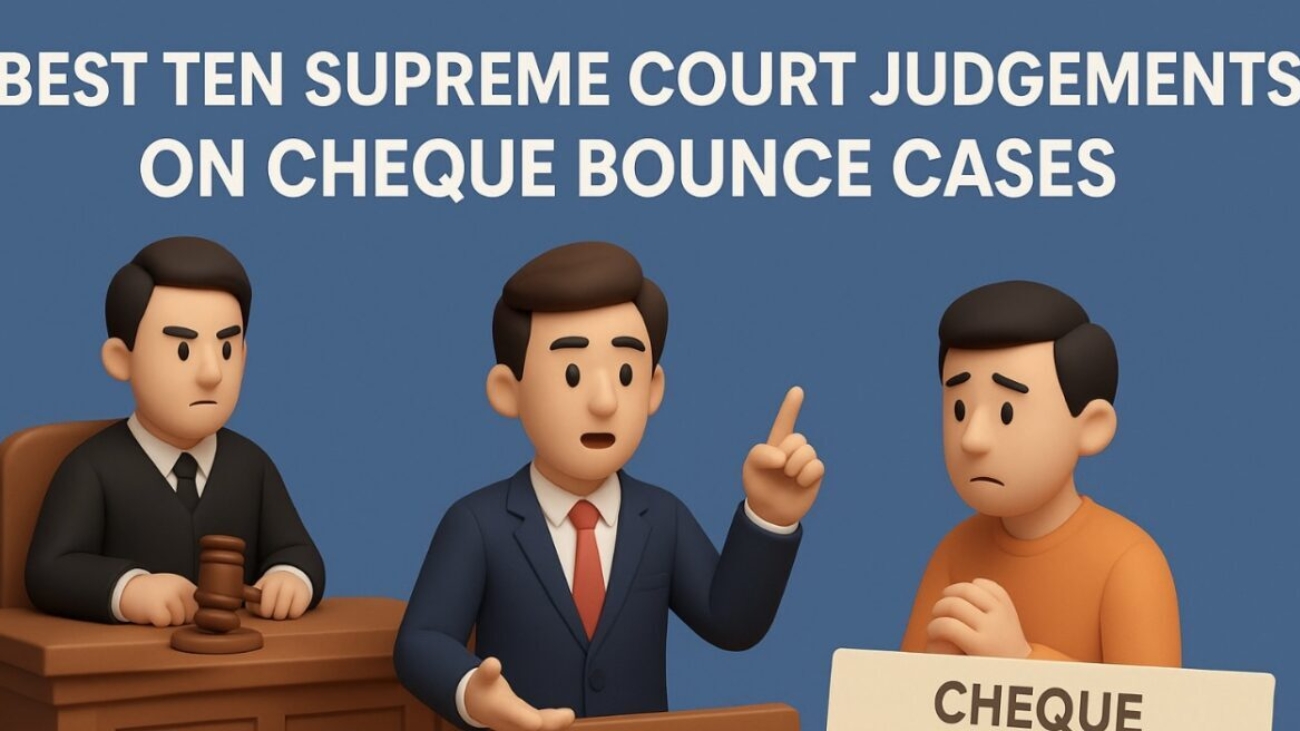
Here are the Top 10 Supreme Court Judgments that every defence advocate must know while representing an accused in cheque bounce matters.

1. Basalingappa v. Mudibasappa (2019)

Key Notes:

  • The Court clarified that the presumption of legally enforceable debt is rebuttable.
  • Accused can rebut presumption through probabilities, not necessarily by producing defence evidence.
  • Cross-examination alone can be sufficient to demolish complainant’s case.

Use in Court:

Ideal when complainant has poor financial capacity or vague loan story.

2. Rangappa v. Sri Mohan (2010)

Key Notes:

  • Landmark ruling affirming that the presumption includes existence of debt, but accused can rebut it scientifically.
  • Defence needs to show preponderance of probability, not proof beyond reasonable doubt.

Use in Court:

Perfect base case for arguing the standard of rebuttal.

3. Kumar Exports v. Sharma Carpets (2009)

Key Notes:

  • Mere issuance of cheque does not automatically establish liability.
  • If complainant fails to prove foundational facts, accused gets benefit.

Use in Court:

Best for cases involving security cheques.

4. K. Subramani v. K. Damodara Naidu (2015)

Key Notes:

  • Complainant must independently prove his financial capacity.
  • Failure to show source of funds weakens prosecution.

Use in Court:

Very useful when complainant alleges huge cash loan without documents.

5. John K. Abraham v. Simon C. Abraham (2014)

Key Notes:

  • If complainant is inconsistent about date, amount, or transaction details, prosecution collapses.
  • Courts must ensure basic foundational evidence is present.

Use in Court:

Use when complainant’s story is contradictory.

6. Krishna Janardhan Bhat v. Dattatraya Hegde (2008)

Key Notes:

  • Accused has constitutional right not to be convicted unless case is proved beyond reasonable doubt.
  • Presumption does not extend to loan amount unless proved.

Use in Court:

Strong citation for arguing constitutional fairness & reasonable doubt.

7. Rohitbhai Jivanlal Patel v. State of Gujarat (2019)

Key Notes:

  • Though presumption is strong, if complainant’s evidence is hollow, presumption fails.
  • Complainant cannot rely on presumption alone.

Use in Court:

Great for challenging weak documentary support in complainant’s case.

8. M.S. Narayana Menon v. State of Kerala (2006)

Key Notes:

  • Defence can rely on probable alternative theories, such as repayment, business transaction adjustment, etc.
  • Personal testimony of accused can be enough if probable.

Use in Court:

Very useful for framing alternative narratives.

9. P. Rasiya v. Abdul Nazer (2022)

Key Notes:

  • Blank cheque defence is permissible.
  • Cheque issued as security that was misused may lead to acquittal.

Use in Court:

Important when signatures admitted but liability denied.

10. Dashrath Rupsingh Rathod v. State of Maharashtra (2014)

Key Notes:

  • Though modified later by amendment, it established important concepts of jurisdiction and procedural fairness.
  • Useful when complaint is filed in wrong jurisdiction leading to miscarriage of justice.

Use in Court:

Good for pointing out jurisdictional defects or procedural abuse.

My View: How to Defend the Accused Like a Pro in Cheque Bounce Cases

Representing an accused in cheque cases is an art. It’s not merely about denials — it’s about strategy, timing, and systematic demolition of the complainant’s story.

Here is my professional strategy:

1. Challenge Financial Capacity

Most cheque bounce prosecutions collapse when the complainant cannot prove:

  • Source of funds
  • Bank withdrawal proof
  • Income documents
  • ITR entries

Ask targeted questions in cross-examination.

2. Pinpoint Contradictions

Every cheque case has weak points:

  • Date of loan
  • Mode of transaction
  • Absence of written agreement
  • Unnatural conduct of lender

Highlight these inconsistencies.

3. Use Security Cheque Defence Properly

If cheque was given:

  • for business dealings,
  • for loan security,
  • for property/security agreements,
    then there is no legally enforceable debt on the cheque date.

4. Demand Original Documents

Make complainant produce:

  • Original promissory notes
  • Ledger accounts
  • WhatsApp chats
  • Bank statements

Their absence creates reasonable doubt.

5. Smart Use of Cross-examination

Most acquittals come from cross-examination alone.

Focus on:

  • Financial capacity
  • Knowledge of accused
  • Exact date/mode of loan
  • Circumstances of issuing cheque

A well-planned cross turns the entire case.

6. Highlight Unnatural Conduct

Ask:

  • Why give lakhs in cash without agreement?
  • Why no witness?
  • Why no earlier complaint?

These questions build doubt.

7. Use Standard of Proof

Remind court that:

  • Accused needs only probability
  • Complainant needs certainty

This principle alone wins half the cases.

Conclusion

These ten Supreme Court judgments form the backbone of every strong defence under Section 138 NI Act. An effective advocate doesn’t simply deny the transaction but strategically dismantles the complainant’s case using law, logic, probabilities, and precise cross-examination.

Cheque bounce defence is not about proving innocence —

it’s about demonstrating doubt, exposing inconsistencies, and showing that prosecution has failed its legal duty.

With the right approach, an accused can secure a clean and honourable acquittal.

  • A complete advocate’s guide on winning cheque bounce cases. Read the top 10 Supreme Court judgements on acquittal with key notes and defence strategies.
  • Master cheque bounce defence with the most powerful Supreme Court judgements on acquittal. Clear notes, legal reasoning, and practical tactics for advocates.
  • Learn the best Supreme Court rulings that help secure acquittal in cheque bounce matters. A practical, lawyer-focused guide with notes and defence insights.
  • Top 10 Supreme Court citations on cheque bounce acquittal explained with defence strategies, legal notes, and expert tips for lawyers fighting Section 138 cases.
  • Discover the 10 most important Supreme Court judgements on cheque bounce acquittal. A complete defence guide for advocates representing accused in Section 138 NI Act cases.

Consult an experienced advocate to determine the most suitable mode of service based on the facts of your case and court practice.

Contact me for Consultation :- 9899085554, 9811885554

Ankit Gaurav Kainth Advocate, Dwarka Court, Chamber No.728, 7th Floor, Dwarka, New Delhi

https://share.google/4r7kHm3s4da3OS9rS

FOLLOW US FOR MORE LEGAL UPDATES ON :-