


Introduction – First legal consultation in Dwarka Court
A first legal consultation is your opportunity to explain the dispute, have the available papers reviewed and understand the next steps. Whether the concern involves unpaid money, a cheque bounce notice, a property dispute, a matrimonial matter or a police notice, preparation helps your advocate assess the situation more accurately.
For your first legal consultation in Dwarka Court, bring a short chronology, relevant documents, notices, existing court orders and a written list of questions. If a deadline or hearing is approaching, mention it when arranging the appointment.
You do not need to arrive with a complete understanding of the law. Your preparation should help explain what happened, what records are available and what needs attention.
First Consultation Quick Checklist
✓ One-page chronology of events
✓ Important agreements/notices/orders
✓ FIR or police notice, if applicable
✓ Payment and bank records
✓ Case/CNR number for existing proceedings
✓ Latest court order
✓ Relevant WhatsApp/email records
✓ List of questions
✓ Any approaching deadline/hearing
✓ Identification/details of all parties
Practical observation from litigation practice:
In first consultations, the most useful file is not necessarily the largest one. A short chronology together with the latest order, relevant notice, agreement and a few key communications often helps identify the immediate issue faster than an unsorted bundle of documents. Once the principal issue is understood, the remaining record can be examined systematically.
1. Prepare a Short Chronology of Events
Write a one- or two-page account in date order. Identify:
- The people involved.
- What happened and when.
- The amount, property or other issue in dispute.
- Steps already taken.
- The present concern.
Separate facts you personally know from information received from someone else. Mark uncertain dates as approximate.
For example, in a payment dispute, record when the agreement was made, when goods or services were supplied, when payment became due and what reminders or replies followed. Match each important event to a supporting document where available.
A clear chronology helps your advocate ask focused questions and identify gaps in the record.
2. Organise the Relevant Documents
Bring readable copies and keep originals available for inspection where appropriate. Arrange papers by date and add a simple index if the file is large.
| Type of matter | Documents to organise for consultation |
| Civil or money recovery | Agreement, payment proof, bank entries, correspondence, notices and details of the amount claimed |
| Commercial dispute | Contract, purchase orders, invoices, delivery or service records, ledger, payment records and relevant emails |
| Cheque bounce | Cheque or available copy, return memo, notice, service records, transaction documents and court papers if proceedings have started |
| Criminal or bail matter | FIR if available, police notice, complaint, relevant orders, previous applications and documents explaining your role |
| Matrimonial or maintenance | Marriage-related records, existing petitions and orders, relevant income and expense records, and documents concerning children |
| Property dispute | Available title documents, agreements, site plan, possession records, photographs and relevant notices or orders |
This is a preparation guide, not a mandatory filing checklist. The documents needed depend on the facts and stage of the matter. Bring what is available and identify anything missing.
If originals are handed over for retention, record which documents were supplied and obtain an acknowledgment.
3. Bring the Complete Record of Any Pending Case
For an existing case, keep the following ready:
- Case number or CNR number.
- Name of the court.
- Next hearing date.
- Latest order and relevant earlier orders.
- Complaint, petition or plaint.
- Reply or written statement, if filed.
- Relevant applications and supporting documents.
Mention connected proceedings, previous applications, settlements, undertakings and any order against you. A recent order may make sense only when read with the earlier record.
When seeking a second opinion, include the papers already filed and explain the current procedural stage.
4. Flag Urgency When Booking the Appointment
Tell the office immediately if you have an approaching hearing, a notice requiring a response or appearance, a recent adverse order, an arrest-related concern or threatened dispossession.
Share the relevant notice or order, its date and when you received it.
Do not wait for a perfectly organised file before seeking advice about an urgent issue.
Do not assume that booking a consultation, sending documents or discussing a settlement extends a legal deadline.

5. Preserve Digital Records Carefully
Keep original emails, messages, attachments, payment records, photographs and recordings in their existing form. Preserve the device or account holding the original material where possible.
Screenshots may help explain the situation, but should not be the only version retained when fuller records are available. Keep surrounding messages so the context is clear.
Do not edit, delete, fabricate or selectively alter material. Ask your advocate what further preservation or formal documentation may be needed.
Share sensitive records through the channel agreed with the office.
6. Explain What You Want to Achieve
Your objective may be:
- Recovery of unpaid money.
- Protection of possession.
- A response to a legal notice.
- Defence of a pending case.
- A negotiated settlement.
- Clarification of your legal position.
Explain the practical priorities as well: urgency, budget, business disruption, family circumstances and your willingness to consider settlement.
The consultation can then examine whether the desired outcome is supported by the available facts and what further information is needed.
7. Share the Complete Facts
Disclose earlier disputes, unfavourable messages, payments received, documents you signed, previous settlements and connected cases.
An assessment based on incomplete facts can change substantially when the other side produces missing material.
If you do not remember something, say so instead of guessing. Let your advocate distinguish between facts, assumptions and allegations.
8. Questions to Ask During the Consultation
A written list helps you remember what matters most.
| Question | What it helps clarify |
| What are the main issues in my matter? | The legal and factual concerns requiring attention |
| Which documents or facts are missing? | What you should collect next |
| Is any immediate step or deadline involved? | The urgency of the situation |
| What options should be considered? | The possible courses of action |
| Which court or authority may be appropriate? | Where the matter may need to proceed |
| What weaknesses or difficulties should I understand? | The limitations of the available case |
| Is a negotiated resolution worth exploring? | Whether settlement deserves consideration |
| What work would the proposed fee cover? | The scope of the engagement |
| Who will coordinate documents and updates? | The communication arrangements |
| What should I do after this meeting? | Your immediate responsibilities |
Ask for explanations in language you understand. A consultation should help you make an informed decision; it cannot establish the outcome of a future court proceeding.
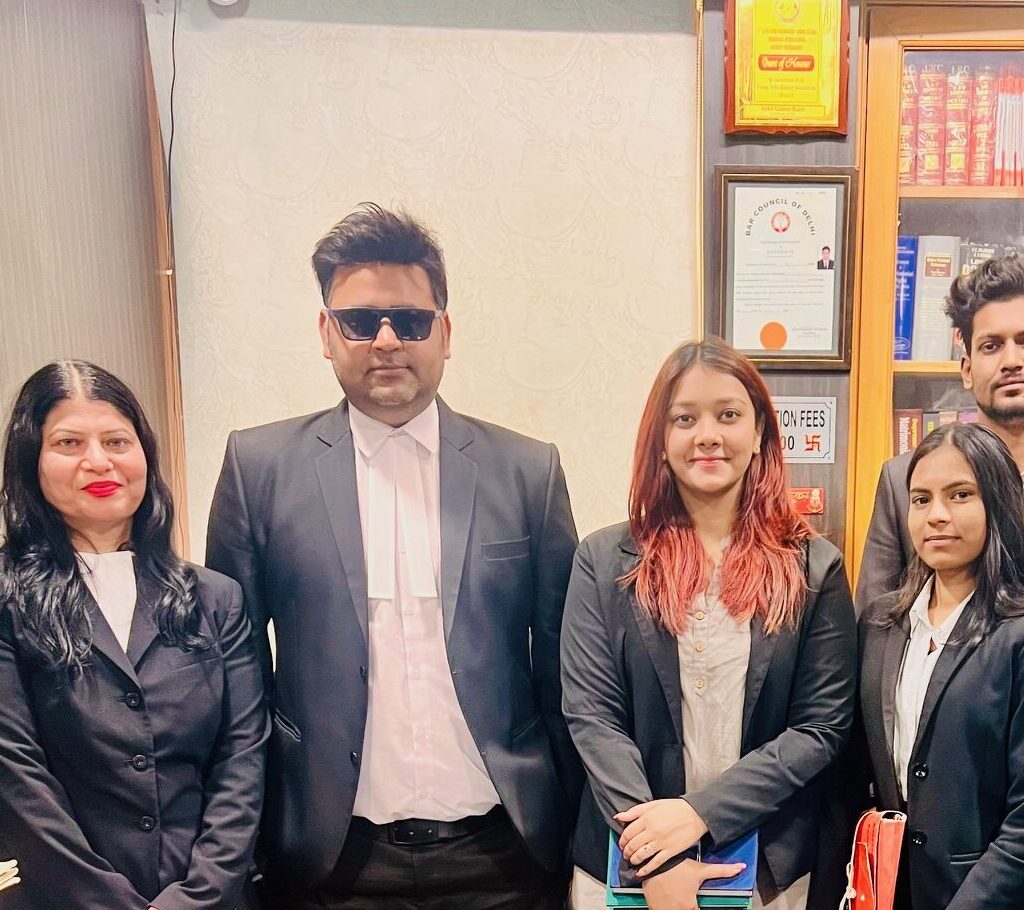
9. Clarify Fees and the Scope of Work
Before the appointment, confirm the consultation charge, duration, payment arrangements and whether advance document review is included.
If further work is proposed, clarify whether the quotation covers drafting, filing, hearings, applications or other stages. Ask about court fees and other expenses separately.
Do not assume that paying for a consultation includes drafting a reply, filing proceedings or appearance at the next hearing.
Confirm the agreed work and fee terms in writing.
10. What to Expect from the First Meeting
Depending on the available material, the first meeting may identify the central issue, gaps in documentation, urgency and possible next steps.
Some matters require detailed reading, legal research or additional records before a considered opinion can be given. Confirm whether a written opinion is included or would be a separate assignment.
Before leaving, note:
- Documents you need to supply.
- Action proposed.
- Responsibility for each step.
- Any deadline identified.
- The next review point.
Preparing for an Online or Telephone Consultation
For a remote consultation, send clearly named, readable files through the agreed channel. Put the chronology and any urgent notice or order first.
Check the appointment time, internet connection and privacy of your surroundings. Keep the documents open during the discussion.
Confirm whether an in-person meeting or inspection of originals may be needed later.
Common Preparation Mistakes
Avoid bringing an unsorted bundle without the latest order, sending cropped photographs of important documents, concealing adverse facts or relying entirely on memory for dates.
Do not assume that a similar case has the same remedy, cost or outcome. Explain your own facts and let the advice follow the record.
What to Avoid Before Your Legal Consultation
Before your consultation, avoid:
- deleting WhatsApp chats or emails;
- editing screenshots or recordings;
- sending cropped portions without context;
- hiding unfavourable documents;
- guessing dates you cannot remember;
- waiting for every document when an urgent deadline exists;
- assuming consultation automatically means representation.
| Before Filing a Case | Commercial Disputes | Cheque Bounce | Bail Matters | Property Disputes | Contact & Appointment |
|---|---|---|---|---|---|
|
Questions Before Filing a Case
Understand the issues to consider before starting litigation. |
Commercial Court Disputes
Read about business contracts and recovery disputes. |
Cheque Bounce Case Guide
Understand notices, transaction papers and case stages. |
Bail Matters in Dwarka Court
Read about police papers and bail-related assessment. |
Property Dispute Guide
Understand the relevance of title, possession and property records. |
Consultation Arrangements
Confirm your appointment, meeting location and documents required. |
Frequently Asked Questions
Can I consult an advocate before receiving a legal notice?
Yes. You can seek advice about an existing concern before a notice or case arrives. The consultation may help identify documents to preserve and matters needing further assessment.
Can I attend if some documents are missing?
Yes. Bring what you have and list the missing records. Initial guidance may be possible, although a fuller assessment may need more documents.
Should I bring originals or photocopies?
Bring readable copies and keep originals available for inspection where appropriate. If originals are retained, obtain an acknowledgment identifying them.
Can a family member attend on my behalf?
A family member can help explain the background and arrange documents. The advocate may still need to speak directly with the person concerned and clarify authority to receive instructions or share information.
How long does a first consultation take?
It depends on the complexity of the matter and the volume of documents. Confirm the appointment duration and fee beforehand.
Will consultation automatically include court representation?
Confirm the engagement terms. Consultation, drafting, filing and court appearances may be separate assignments.
Should I wait until all papers are collected?
If there is urgency, seek advice with the available papers and identify what is missing. Do not postpone raising an approaching deadline merely to complete the file.
Can an advocate promise the result at the first meeting?
A responsible assessment discusses the available material, options and uncertainties. Court outcomes depend on the evidence, applicable law and judicial determination.
Can I send documents before the legal consultation?
Answer briefly that documents can be shared through the channel agreed with the office and urgent orders/notices should be identified first.
What should I send first if I have hundreds of pages?
Answer: chronology, latest order, pleading initiating the matter, relevant notice/FIR/agreement and the documents directly connected with the immediate issue.
Consultation Details
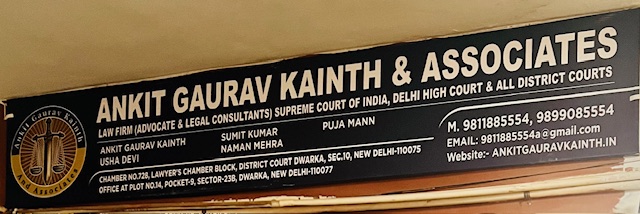
Ankit Gaurav Kainth & Associates
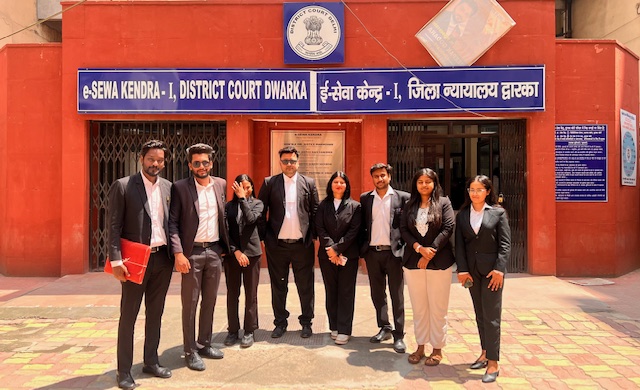
Chamber No. 728, 7th Floor, District Court Dwarka, Sector-10, New Delhi.
For appointment arrangements, use the Contact Us page. Confirm the meeting location, consultation fee and documents to share beforehand. Mention any urgent hearing or notice when making the appointment.
Contact numbers: 9899085554, 9811885554
Disclaimer: This article provides general information about preparing for a legal consultation. It is not a case-specific legal opinion. The appropriate advice depends on the facts, documents and applicable law.
Published: 5 October 2026 | Last reviewed: 5 October 2026