An NRI Client Interaction & the Importance of Experience in Dwarka Court Matters
In today’s legal environment, especially in cases involving property disputes, family matters, or criminal proceedings, clients are becoming more conscious and careful before choosing their legal representative. Recently, I had a 30-minute WhatsApp interview call with a client based in Australia, who was seeking legal assistance for her property dispute in India.
Before proceeding further, she wanted to know her advocate first. This approach reflects a growing and healthy trend—clients no longer rely only on recommendations; they ask the right questions to ensure their case is in capable hands.
This interaction perfectly explains why knowing your advocate beforehand is crucial and how experience, transparency, and court familiarity build long-term trust. That is Why Knowing Your Advocate First Builds Trust-Advocate in Dwarka Court.
Questions Asked by the Client – And Why They Matter
The client wanted to know whether I had handled property disputes in the last two years.
I shared that I have handled approximately 15–20 property cases recently, including:
Partition suits
Declaration suits
Injunction matters
Property disputes involving family members
Recent handling shows that an advocate is actively practicing, updated with current judicial trends, and not relying on outdated experience.
4. Timeframe for Property Partition & Declaration Cases
I explained honestly that property cases depend on facts, number of parties, and conduct of litigants, but generally:
2–3 years is the minimum time for such cases in District Courts
Honest timelines build trust. Over-promising results or timeframes only damages the client-advocate relationship later.
5. Civil Case + Criminal FIR – One Advocate or Two?
She asked whether she needed two separate lawyers—one for the civil property case and another for a related criminal FIR.
I clarified that both civil and criminal matters can be handled by one experienced advocate, provided the advocate has expertise in both fields.
This ensures:
Unified legal strategy
Better coordination
No contradiction between pleadings
My experience in both civil and criminal litigation allows me to handle such interconnected matters effectively.
6. Legal Team Strength
The client also enquired about the size of my legal team.
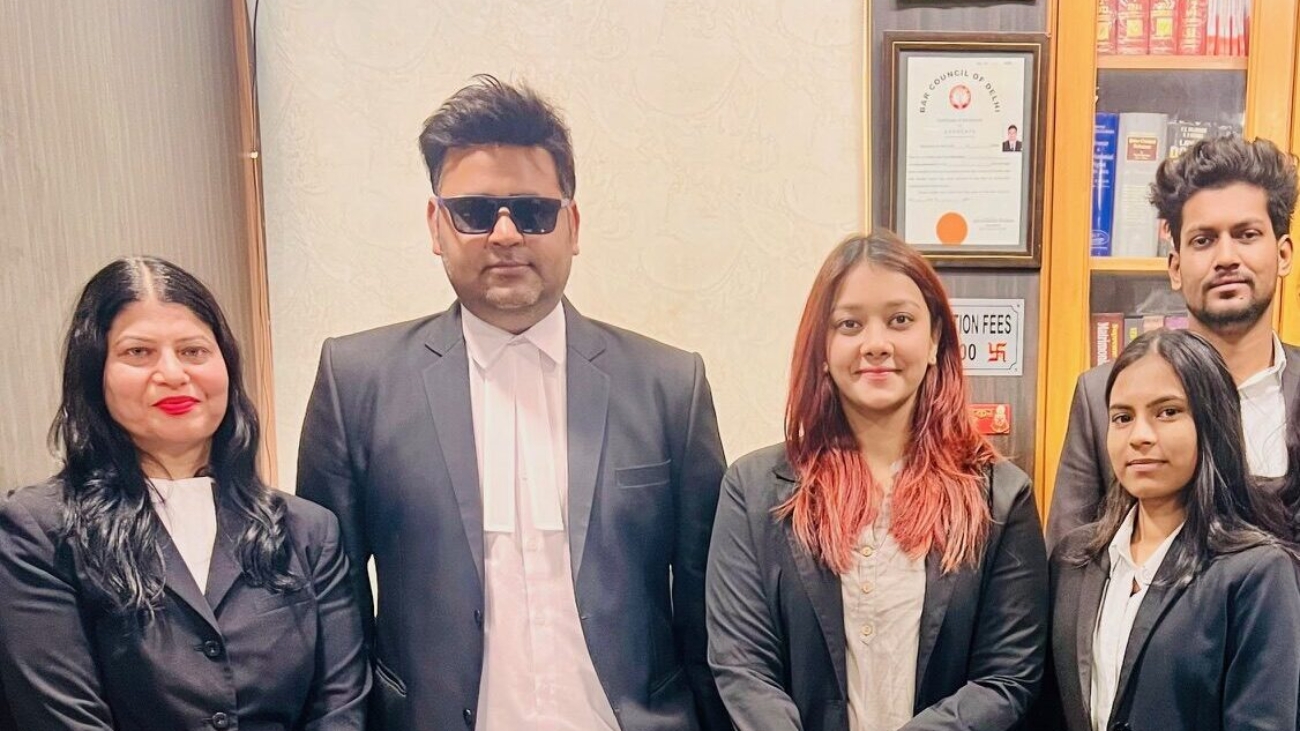
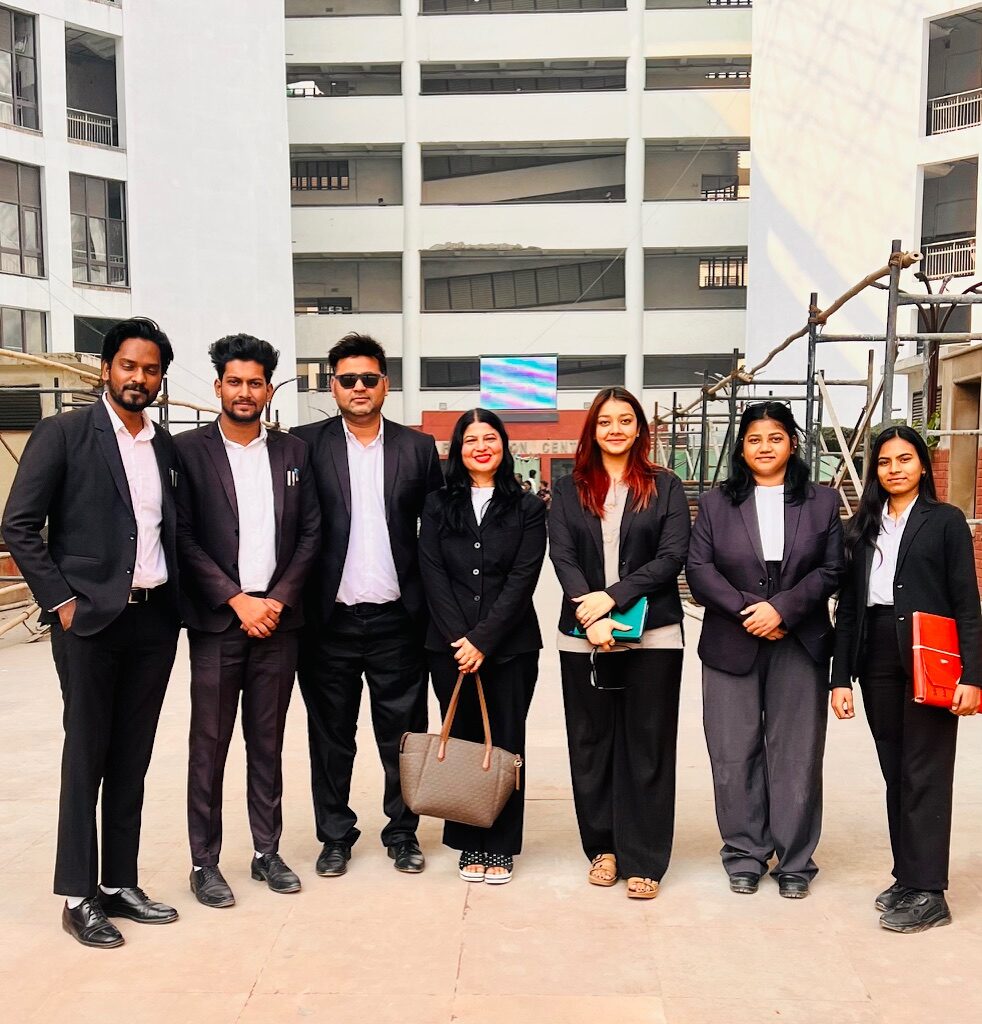
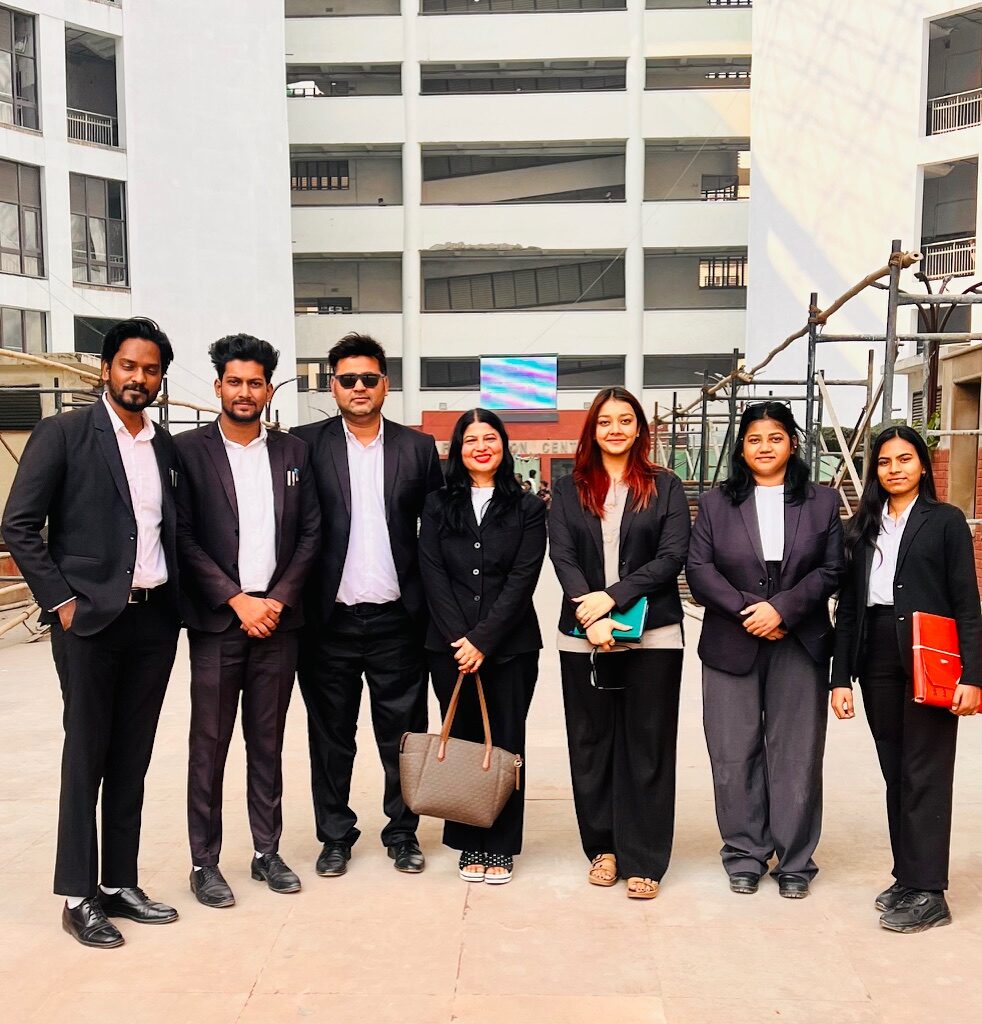
I informed her that I work with a strong team of 30–35 legal associates.
Complex cases—especially property and banking matters—require teamwork for:
Drafting
Research
Court appearances
Regular follow-ups
A strong team ensures timely and efficient case handling, hence that is Why Knowing Your Advocate First Builds Trust-Advocate in Dwarka Court.
7. Verification of Past & Ongoing Cases
Transparency was important to her. She asked whether any documents could show my recent civil litigation work.
I guided her to verify my ongoing and past cases through the eCourts App, where multiple matters handled by me in Dwarka District Courts are listed.
This openness builds immediate credibility.
Why Q&A Builds Trust Between Clients and Advocates
A structured Q&A interaction:
✔ Clarifies expectations
✔ Reduces anxiety
✔ Shows experience and preparedness
✔ Helps clients make informed decisions
Legal representation is not merely a service—it is a relationship based on trust.
How My 18+ Years of Experience Helps Clients in Dwarka Court, Sector-10, New Delhi
Practicing for over 18 years in Dwarka District Court has given me:
Deep understanding of local court procedures
Familiarity with judicial functioning
Practical exposure to Civil, Criminal, Banking, and Matrimonial litigation
For clients in Dwarka Court Sector-10 and surrounding areas, this experience translates into:
Better case strategy
Accurate drafting
Realistic advice
Effective court representation
Property disputes often involve assets worth crores of rupees. A single legal mistake can cause irreversible financial loss. Such cases demand an advocate with experience, consistency, and courtroom confidence.
Final Thought
Knowing your advocate first is not a formality—it is a necessity, especially in high-value and emotionally sensitive cases. Whether the client is based in Dwarka or overseas, clarity, honesty, and experience are what ultimately matter.
🔍 Therefore, Why Knowing Your Advocate First Builds Trust-Advocate in Dwarka Court, New Delhi.
Experienced Dwarka Court Advocate | 18+ Years Legal Experience in Civil, Criminal & Property Cases
Looking for an experienced advocate in Dwarka Court, New Delhi? With 18+ years of experience in civil, criminal, banking, matrimonial & property disputes, get trusted legal representation near Dwarka Court Sector-10.
📞 Call to Action (CTA)
If you are looking for an experienced advocate in Dwarka Court, New Delhi, for property disputes, civil suits, criminal cases, banking matters, or matrimonial issues, feel free to get in touch.
📍 Chamber: No. 728, 7th Floor, Dwarka District Court, Sector-10, Dwarka, New Delhi
📍 Office: Plot no.14, Pocket-9, Sector-23B, Dwarka, New Delhi
📞 Consultation Available by Appointment
Choose experience. Choose clarity. Choose the right legal representation.
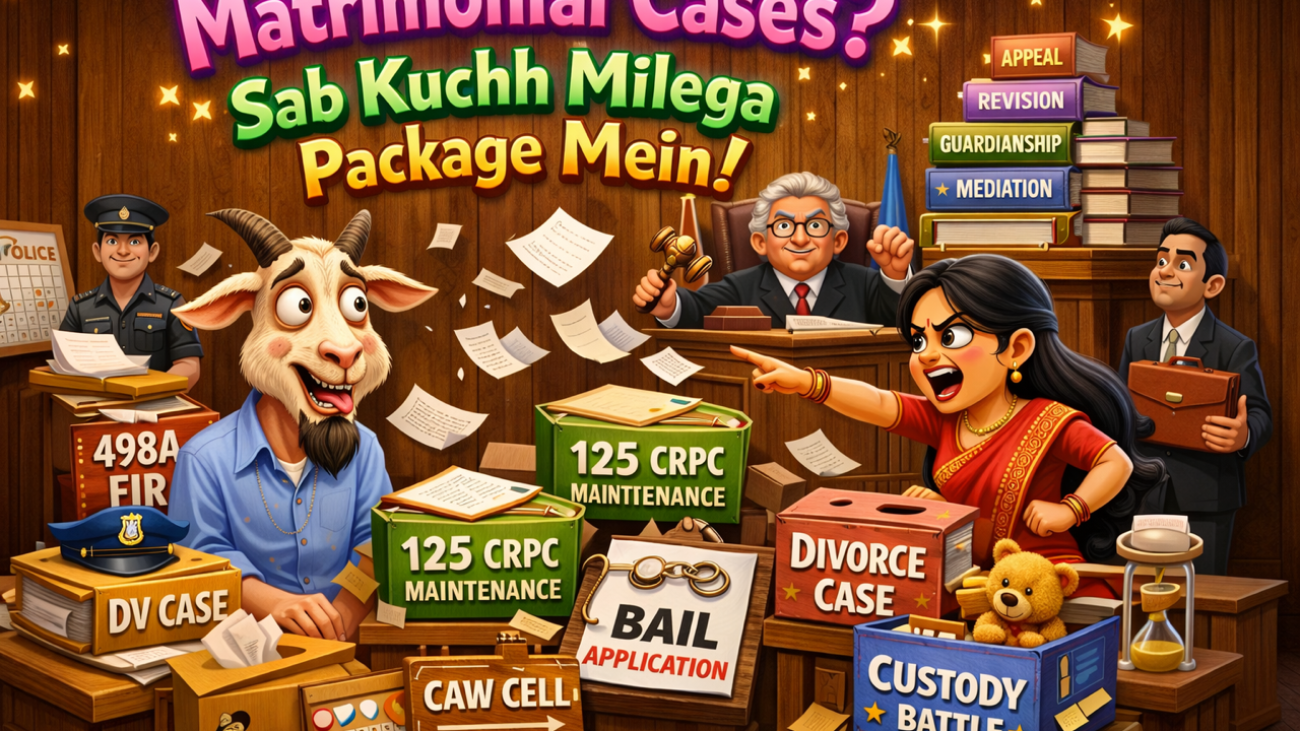
Most Common Question Asked by Matrimonial Clients in Family Courts Dwarka Sector-10, New Delhi
Matrimonial cases package, Family Court cases, Dwarka Court advocate, matrimonial litigation India, divorce and maintenance cases, CAW Cell FIR DV case, 125 CrPC maintenance, family court lawyer Dwarka
One of the most common and innocent questions asked by clients is:
“Sir, sirf ek hi case chalega na?”
As an advocate practicing for over 18+ years in Dwarka District & Principal Family Courts, my honest reply is always the same —
“Nahi… matrimonial cases kabhi akela nahi aate.”
They come as a complete legal package 📦⚖️
“Ji wada kiya woh nibhana padega,
Biwi se panga liya toh,
Court mein samay bitana padega.” 🤗
Funny line — but legally very true.
Why Matrimonial Disputes Become Multiple Cases?
Marriage is not just an emotional relationship; it is governed by criminal law, civil law and family law. Once disputes arise, multiple statutes get activated at the same time.
That is why matrimonial litigation is never one case, but a series of parallel proceedings running together in different courts.
Common Cases Involved in Matrimonial Litigation-which proves Why Do Matrimonial Cases Come Like a “Package”?
🔹 CAW Cell Complaint
Usually the first stop. Counselling, mediation, pressure tactics and preliminary inquiry begin here.
🔹 FIR (498A, 406 IPC etc.)
Criminal proceedings related to cruelty, dowry and stridhan.
Advocate in Dwarka Court
🔹 Anticipatory Bail / Regular Bail
Liberty becomes priority. Immediate legal strategy is crucial here 🚨
🔹 Domestic Violence Case (DV Act)
Reliefs include protection, residence, compensation and monetary support.
🔹 Maintenance under Section 125 CrPC / Interim Maintenance
Monthly financial obligations start early 💸
🔹 Injunction Applications
To restrain harassment, dispossession or interference.
🔹 Divorce / Restitution of Conjugal Rights / Judicial Separation
Core matrimonial relief before the Family Court.
🔹 Miscellaneous Applications
Interim reliefs, modification, directions — paperwork never ends 📄
🔹 Guardianship & Child Custody Cases
When children are involved, emotions and law collide 👶⚖️
🔹 Appeals & Revisions
Orders are challenged — litigation moves higher.
🔹 Mediation & Counselling Sessions
Courts try reconciliation before final breakdown.
What Clients Must Understand Before Entering Family Court
✔ Matrimonial litigation runs on multiple parallel tracks
✔ Emotional, mental and financial preparedness is essential
✔ One wrong step can impact several cases
✔ Patience is not optional — it is mandatory
✔ Early legal advice saves years of litigation
Criminal lawyer in dwarka court
How My 18+ Years of Experience Helps Clients in Dwarka Court
I help clients understand which case comes first, which can be controlled, and which needs immediate action.
⚖️ Court-Specific Experience:
Dwarka Family Courts have their own procedures, timelines and working styles. Familiarity with judges, mediation processes and local practice makes a real difference.
🧠 Damage Control Approach:
Matrimonial cases are not just about winning — they are about limiting damage, protecting liberty, finances and mental peace.
🤝 Balanced Advice:
Not every case needs aggression. Sometimes settlement, mediation or phased litigation works better.
📍 Local Advantage:
A Dwarka-based advocate understands jurisdictional issues, police stations, CAW Cells and court functioning far better than an outsider.
Final Words
Matrimonial cases are not single files — they are bundles tied with law, emotions and expectations. Knowing this reality prepares clients for the road ahead and helps advocates plan smarter litigation.
In Family Courts, remember one thing:
Shaadi sirf rishta nahi hoti…
kabhi-kabhi ek full-time legal project bhi hoti hai. 😌⚖️
— Written from real courtroom experience of Dwarka Family Courts, Ankit Gaurav Kainth advocate, contact us on 9899085554, 9811885554
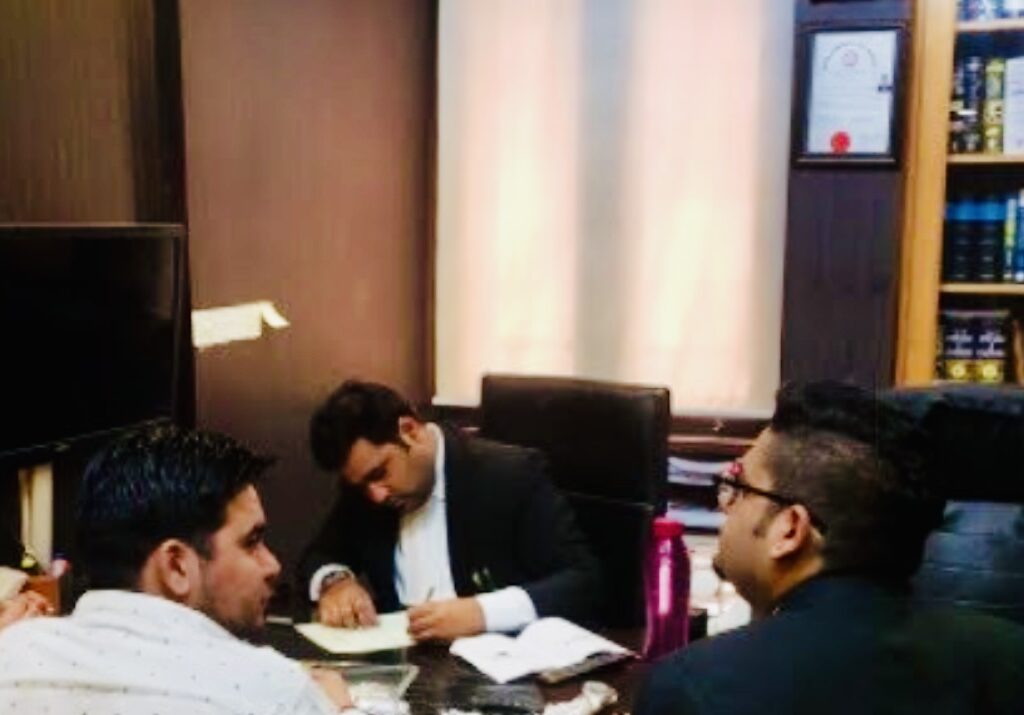
Late nights at the office are not about overtime — they are about responsibility. When a client places their trust in us, timelines, pressure, and complexity do not matter. What matters is preparation, precision, and commitment. This video captures our team working late into the night, discussing facts, analysing documents, researching law, and strategising every possible aspect of the case so that nothing is left to chance in court.
At Ankit Gaurav Kainth & Associates, we firmly believe that strong advocacy is built behind the scenes — through teamwork, discipline, and dedication. Legal problems do not wait for office hours, and neither do we when a client needs urgent attention. Every late night reflects our belief that a client’s matter deserves seriousness, focus, and honest hard work.
This is not just work; it is our duty towards our clients and towards justice. ⚖️
Dwarka District Court is one of the most prominent and busiest district courts in Delhi, catering to a vast population of South-West Delhi. Every day, hundreds of litigants approach the court for matters relating to civil disputes, criminal cases, matrimonial issues, property matters, banking disputes, and family law cases. In such situations, choosing an experienced advocate practicing regularly in Dwarka District Court becomes crucial.
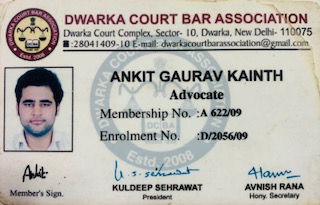
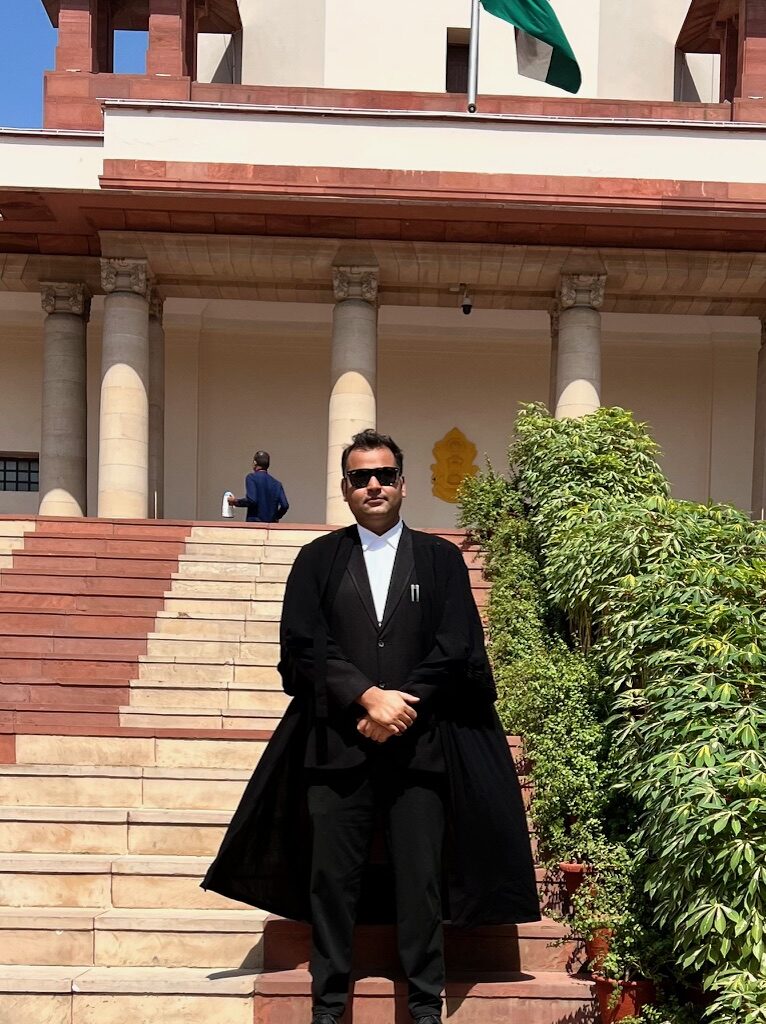
With over 18 years of continuous legal practice, Advocate Ankit Gaurav Kainth has been actively representing clients before Dwarka District Court and allied courts. This long-standing experience brings not only knowledge of law but also a deep understanding of court procedures, filing practices, registry functioning, and practical courtroom dynamics.
Best Advocate in Dwarka Court
How 18+ Years of Experience Assists Clients in Dwarka Court
Experience matters greatly in litigation. An advocate with years of courtroom exposure is better equipped to:
Analyse the strengths and weaknesses of a case
Draft precise and effective pleadings and applications
Advise clients on practical legal remedies
Handle matters efficiently before different courts and judges
Regular practice in Dwarka Courts ensures familiarity with daily listings, cause lists, timelines, and procedural requirements, which ultimately benefits the client by saving time, cost, and unnecessary litigation.
Criminal lawyer in dwarka court
Areas of Practice at Dwarka District Court
Clients are represented in a wide range of legal matters, including:
⚖️ Criminal Matters
Bail applications, trials, complaints, FIR-related matters, and appeals.
⚖️ Civil Disputes
Property disputes, recovery suits, injunctions, declarations, and civil litigation.
⚖️ Matrimonial & Family Matters
Divorce, maintenance, domestic violence cases, child custody, and settlement matters.
⚖️ Banking & Financial Cases
Cheque bounce cases under NI Act, recovery matters, and financial disputes.
Each case is handled with confidentiality, diligence, and a strategy tailored to the client’s specific situation.
Dwarka District Court Jurisdiction – Who Can Approach Us
Clients residing or having legal issues in areas falling under Dwarka District Court jurisdiction can approach us for legal assistance. These areas include:
📍 Dwarka & Dwarka Sectors
📍 Janakpuri
📍 Vikaspuri
📍 Uttam Nagar
📍 Palam
📍 Najafgarh
📍 Bindapur
📍 Sagarpur
📍 Dabri
📍 Matiala
If your matter is registered or triable within the territorial jurisdiction of Dwarka District Court, professional representation from a local advocate ensures smoother handling of your case.
Why Choose a Local Advocate Practicing in Dwarka Court
✔️ Regular court appearances and practical exposure
✔️ Strong understanding of local court functioning
✔️ Efficient coordination with registry and court staff
✔️ Focused and transparent legal advice
Clients are always encouraged to share complete and truthful facts, enabling proper legal drafting and effective courtroom representation.
Your Legal Support at Dwarka District Court
Legal issues can be stressful, but with the right guidance and experienced representation, they can be handled effectively. With 18+ years of dedication to legal practice in Dwarka Courts, clients receive reliable advice, honest opinions, and committed representation.
Ankit Gaurav Kainth, Advocate
Dwarka District Court, Delhi
📞 Contact for legal consultation:- 9899085554, 9811885554.
Dwarka District Court is one of the most prominent and busiest district courts in Delhi, catering to a vast population of South-West Delhi. Every day, hundreds of litigants approach the court for matters relating to civil disputes, criminal cases, matrimonial issues, property matters, banking disputes, and family law cases. In such situations, choosing an experienced advocate practicing regularly in Dwarka District Court becomes crucial.
With over 18 years of continuous legal practice, Advocate Ankit Gaurav Kainth has been actively representing clients before Dwarka District Court and allied courts. This long-standing experience brings not only knowledge of law but also a deep understanding of court procedures, filing practices, registry functioning, and practical courtroom dynamics.
How 18+ Years of Experience Assists Clients in Dwarka Court
Experience matters greatly in litigation. An advocate with years of courtroom exposure is better equipped to:
Analyse the strengths and weaknesses of a case
Draft precise and effective pleadings and applications
Advise clients on practical legal remedies
Handle matters efficiently before different courts and judges
Regular practice in Dwarka Courts ensures familiarity with daily listings, cause lists, timelines, and procedural requirements, which ultimately benefits the client by saving time, cost, and unnecessary litigation.
Areas of Practice at Dwarka District Court
Clients are represented in a wide range of legal matters, including:
Property disputes, recovery suits, injunctions, declarations, and civil litigation.
⚖️ Matrimonial & Family Matters
Divorce, maintenance, domestic violence cases, child custody, and settlement matters.
⚖️ Banking & Financial Cases
Cheque bounce cases under NI Act, recovery matters, and financial disputes.
Each case is handled with confidentiality, diligence, and a strategy tailored to the client’s specific situation.
Dwarka District Court Jurisdiction – Who Can Approach Us
Clients residing or having legal issues in areas falling under Dwarka District Court jurisdiction can approach us for legal assistance. These areas include:
✔️ Strong understanding of local court functioning
✔️ Efficient coordination with registry and court staff
✔️ Focused and transparent legal advice
Clients are always encouraged to share complete and truthful facts, enabling proper legal drafting and effective courtroom representation.
Your Legal Support at Dwarka District Court
Legal issues can be stressful, but with the right guidance and experienced representation, they can be handled effectively. With 18+ years of dedication to legal practice in Dwarka Courts, clients receive reliable advice, honest opinions, and committed representation.
“Coming to Court with Clean Hands” is not merely a legal phrase—it is a timeless principle of justice. It means that any person seeking relief from a court of law must approach the court with honesty, transparency, and good faith. Courts are meant to protect truth, not to assist those who conceal facts, fabricate stories, or mislead the judicial system.
As beautifully said:
“Sachhai chhup nahi sakti banawat ke usoolon se,
khushboo aa nahi sakti kabhi kagaz ke phoolon se.” 🌸
Truth can never be hidden behind artificial rules, just as fragrance can never come from paper flowers.
📘 Meaning of “Coming to Court with Clean Hands”
To come to court with clean hands means that a litigant must disclose all material facts, whether favourable or unfavourable. ❌📝
A party should not suppress documents, twist facts, or make false statements. Courts expect litigants to act fairly and honestly. Even a legally strong case may fail if the court finds dishonesty, suppression, or fraud.
⭐ Importance of This Principle
Justice is based on equity, conscience, and fairness. ⚖️
Courts have consistently held that a person who approaches the court with falsehood is not entitled to relief. Even if the opposite party is wrong, a dishonest litigant will not be rewarded.
👉 Truth builds credibility.
👉 Suppression destroys trust.
👉 Honesty strengthens your case.
📌 Relevance in Today’s Litigation
In today’s legal environment—especially in property disputes, matrimonial cases, civil suits, commercial matters, and criminal litigation—many cases fail not because of weak law, but because of hidden facts. 📂
Courts at Dwarka, Sector-10, and across Delhi now carefully examine pleadings, documents, and conduct of parties. A single concealed fact can collapse years of litigation.
Civil Advocate in Dwarka court
👨⚖️ Why Clients Must Tell the Complete Truth to Their Advocate
For an advocate, drafting a case is like laying the foundation of a building. 🧱
✔ Guiding clients on what must be disclosed and how
An experienced advocate knows that truthful disclosure combined with correct legal strategy is the strongest weapon in court.
Advocate in Dwarka Court
✅ Conclusion
Coming to court with clean hands is both a legal requirement and a moral responsibility. 🌿
Courts may forgive mistakes, but they rarely forgive dishonesty. Whether you are a litigant or an advocate, remember—truth is not a weakness; it is your greatest strength.
Service of summons is the foundation of every judicial proceeding in Dwarka Court. No civil or criminal case can effectively proceed unless the opposite party is duly served and given a fair opportunity to appear before the court. The entire object of service is to ensure knowledge of the case, not to defeat justice by technical objections. Over time, Indian courts have evolved from rigid traditional methods to modern, technology-driven modes of service, ensuring speed, transparency, and accountability.
This article explains the legally recognized modes of service of summons, commonly used in district courts, including Dwarka Courts, in a practical and easy-to-understand manner.
📱 Service of Summons through WhatsApp to the Party- Dwarka Court
With the growing misuse of avoidance tactics by defendants, courts have acknowledged WhatsApp service as a valid and effective mode of service.
When summons are sent to the mobile number of the concerned party, and the message shows double tick (✓✓), service is treated as complete. It is important to note that blue tick is not mandatory. The purpose of law is not to insist on proof of reading, but proof of delivery.
Screenshots showing: Mobile number Date and time of delivery Double tick confirmation
are placed on court record. This method is now widely accepted as it prevents deliberate evasion and ensures speedy progress of the case.
Criminal Lawyer in Dwarka court
👨⚖️ Service of Summons through WhatsApp to Counsel-Dwarka Court
Courts also recognize service through WhatsApp to the Advocate of the opposite party, especially when the counsel has already appeared or is known to represent the party.
Service to counsel is considered valid intimation because an advocate is duty-bound to inform his client about court proceedings. This mode reduces unnecessary adjournments, saves court time, and promotes professional accountability.
This mode is commonly used in urgent matters such as: Interim relief applications Injunction matters Maintenance and domestic violence cases
Once served, the serving party files an affidavit or report confirming delivery. Dasti service is fast, reliable, and minimizes procedural delay.
🏠 Service of Summons by Affixation
When the opposite party deliberately avoids service or remains unavailable despite repeated attempts, courts may order service by affixation.
Under this mode: Summons are affixed at the last known residential or business address Affixation is done at a conspicuous place The process server files a detailed report
Affixation is treated as valid service once the court is satisfied that avoidance was intentional.
⚖️ Importance of Proper Service of Summons
Improper or defective service can delay proceedings and may even render subsequent orders vulnerable to challenge. Hence, courts focus on effective service rather than mere formality. The trend clearly shows that substance prevails over technical objections.
A party cannot take advantage of its own wrong by deliberately avoiding service.
⚖️ Conclusion
Modern courts have adapted to practical realities by recognizing electronic service, including WhatsApp, alongside traditional methods like Dasti service and affixation. These modes ensure that justice is not stalled by procedural abuse.
For litigants, understanding the correct mode of service is crucial. For advocates, selecting the most effective mode saves time, cost, and unnecessary litigation.
📌 Consult an experienced advocate to determine the most suitable mode of service based on the facts of your case and court practice.
Contact me for Consultation :- 9899085554, 9811885554
Welcome to the professional legal space of Ankit Gaurav Kainth & Associates, a premier law firm based in Dwarka Sector-10, New Delhi with a strong footprint in Dwarka District Court litigation. With decades of courtroom experience, a client-centered approach, and a track record of handling complex legal matters, we are committed to providing reliable, effective, and result-driven legal services to individuals, families, and businesses across Delhi and beyond.
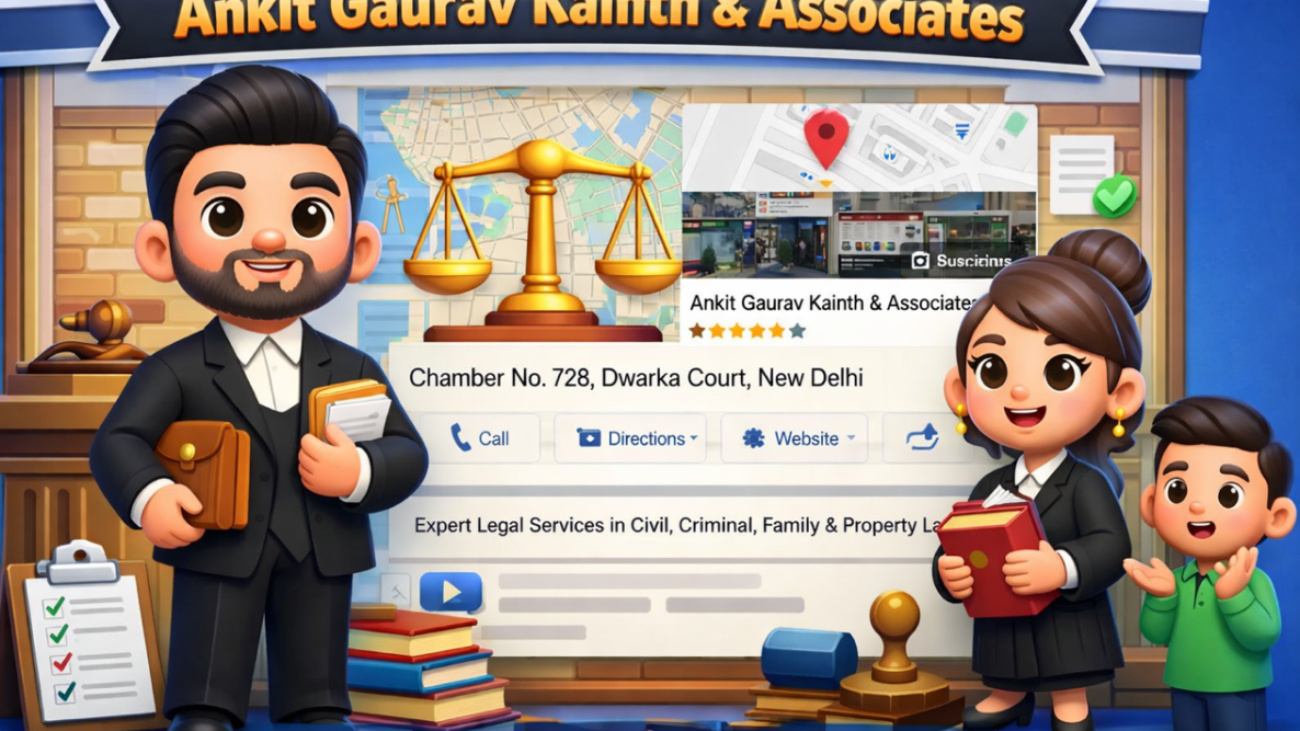
Our Google Business Profile – A Window Into Who We Are
Our Google Business Profile gives clients a clear view of our location, services, contact details, and professional identity. Clients can easily find:
Our chambers at Dwarka District Court, Chamber No. 728, Sector-10, Dwarka, New Delhi – a central hub for litigating cases across civil, criminal, family, property, and recovery matters.
Contact numbers and details to book consultations, ask queries, or plan case strategy discussions.
A snapshot of who we are as a firm — dedicated, experienced, and approachable for both new and returning clients.
Our Google Business profile is more than a listing — it reflects our commitment to transparency, availability, and clear communication with those who seek legal assistance. You can find directions, hours, and contact details all in one place, helping you reach out to us easily whenever legal guidance is required.
18+ Years of Legal Excellence
At the heart of the firm is Advocate Ankit Gaurav Kainth, a seasoned lawyer with over 18 years of dedicated practice in litigation. Throughout nearly two decades, he has built a reputation for dependable counsel, effective courtroom advocacy, and client-focused service.
Clients who have worked with him often speak about his analytical skills, ethical approach, and dedication to pursuing justice with integrity. These qualities set the foundation for every case the firm takes on.
Advocate Dwarka
What Your Firm Offers – Areas of Expertise
With a strong presence in and around Dwarka Court, Ankit Gaurav Kainth & Associates covers a broad spectrum of legal services, including:
📌 Civil Litigation
Whether it’s breach of contract, recovery claims, or disputes over agreements, our team works to protect your rights and secure favorable outcomes.
📌 Criminal Defence
Facing criminal charges can be overwhelming. We ensure robust representation and strategic defense to safeguard your freedoms and legal rights.
📌 Matrimonial & Family Law
Divorce, custody, maintenance, domestic disputes — family matters are sensitive and complex. We handle them with legal precision and personal care, guiding clients through each step.
📌 Property & Real Estate Disputes
From title issues to property claims, we provide dependable counsel in resolving disputes efficiently and with minimal stress.
📌 Financial & Recovery Matters
Our firm handles cheque-bounce cases, recovery suits, and financial claims with a keen eye on legal strategy and client goals.
Criminal Appeal Advocate Dwarka
How We Assist Clients at Dwarka Court
Dwarka District Court sees a high volume of cases in civil, criminal, and family law — and our firm is well-established there. When you approach us:
✔️ You receive personalized attention: We evaluate the specifics of your case and suggest practical, realistic legal options.
✔️ We prepare a solid case strategy: From documentation to filing, hearings, and court appearances, our team handles the legal process thoroughly.
✔️ Communication is clear and continuous: We believe clients should understand every step of their legal journey.
✔️ We defend your rights with determination: Whether negotiations or courtroom battles, we advocate passionately for your interests.
Best Advocate in dwarka court
Your Legal Needs, Our Priority
At Ankit Gaurav Kainth & Associates, every client matters — whether you’re facing a minor dispute or a major litigation challenge. Our Google Business Profile reflects this commitment: precise information, ease of access, and a professional presence that aligns with the trust clients place in us.
If you’re seeking experienced lawyers who understand the legal landscape of Dwarka Court, Ankit Gaurav Kainth & Associates is here to support, guide, and represent you with integrity and determination. Reach out today, and let us be your legal partner in the journey ahead.
FOR CONSULTATION CALL OR WHATAPP US ON:- 9899085554, 9811885554.
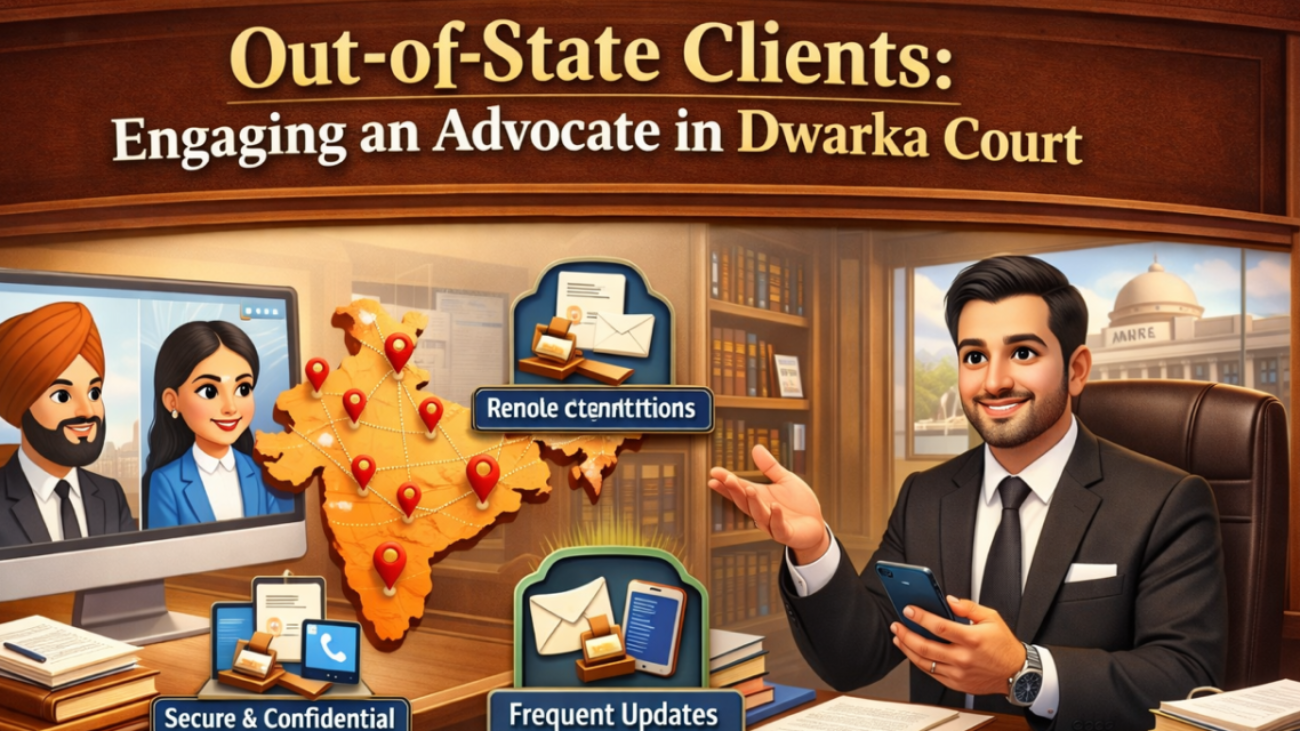
Ankit Gaurav Kainth & Associates: 18+ years representing outstation & NRI clients before Dwarka Court with transparency and regular updates.
Why Clients from Other States & Abroad Trust Us ⚖️🌍
With 18+ years of continuous practice in Dwarka Court, our firm understands not only the law but also the practical functioning of local courts, procedures, registry practices, and judicial timelines. This experience enables us to efficiently represent clients who cannot remain physically present in Delhi.
Many of our clients are:
From other Indian States
NRIs / Overseas Indians
Professionals unable to attend court frequently
Parties involved in civil, criminal, family, matrimonial, recovery, or appeal matters
Despite the distance, they choose us for our courtroom presence, accountability, and clarity of advice.
Can Clients from Other States or Countries Engage an Advocate in Dwarka Court? ✅
Yes. Indian law permits any client, regardless of location, to engage an advocate practicing in the concerned court. After proper authorization through vakalatnama and documents, we can:
Appear before Dwarka District Court on your behalf
File, argue, and pursue your matter
Coordinate procedural compliances
Keep you informed without requiring frequent travel
Your physical presence is required only when legally necessary.
How Our 18+ Years of Experience Benefits You 🏛️
Our long-standing practice in Dwarka Court means:
Deep familiarity with court procedures & filing systems
Practical understanding of judicial expectations
Efficient handling of adjournments, evidence, and arguments
Better anticipation of case timelines and outcomes
This experience reflects reliability, consistency, and trust, which is why clients continue to engage us even from outside Delhi and India.
Transparent Consultation & Clear Fee Structure 💼💬
We follow a clear and professional consultation process:
Honest assessment of your case
Explanation of legal options, risks, and strategy
Clear discussion of professional fees and scope of work
No false promises or unrealistic assurances
Transparency is the foundation of our professional relationship with clients.
Regular Case Updates & Open Communication 📞📧📄
One of the biggest concerns for out-of-station or overseas clients is lack of information. We address this through:
Regular updates after every hearing
Sharing of court orders and developments
Communication via phone, email, WhatsApp, or video calls
Timely responses to client queries
You remain informed and involved, irrespective of distance.
Secure Handling of Documents & Confidentiality 🔒📁
All documents shared with us—physically or digitally—are handled with strict confidentiality. Client privacy and data security are treated as a professional obligation and ethical duty.
Types of Matters We Commonly Handle for Out-of-State Clients 📑⚖️
Civil suits & recovery matters
Criminal cases & bail matters
Matrimonial & family disputes
Cheque bounce cases
Appeals & revisions
Execution proceedings
Each case is managed with personal attention and court-specific strategy.
If your case is pending before Dwarka District Court, New Delhi, and you are based outside Delhi or abroad, you can confidently engage Ankit Gaurav Kainth & Associates for professional representation backed by experience, transparency, and consistent communication.
📍 Dwarka Court, Sector-10, New Delhi
📞 Consultation by prior appointment-9899085554, 9811885554.
⚖ Law Tip for Dwarka Court Clients
If you have a case at Dwarka Courts, avoiding common mistakes can protect your rights and save valuable time.
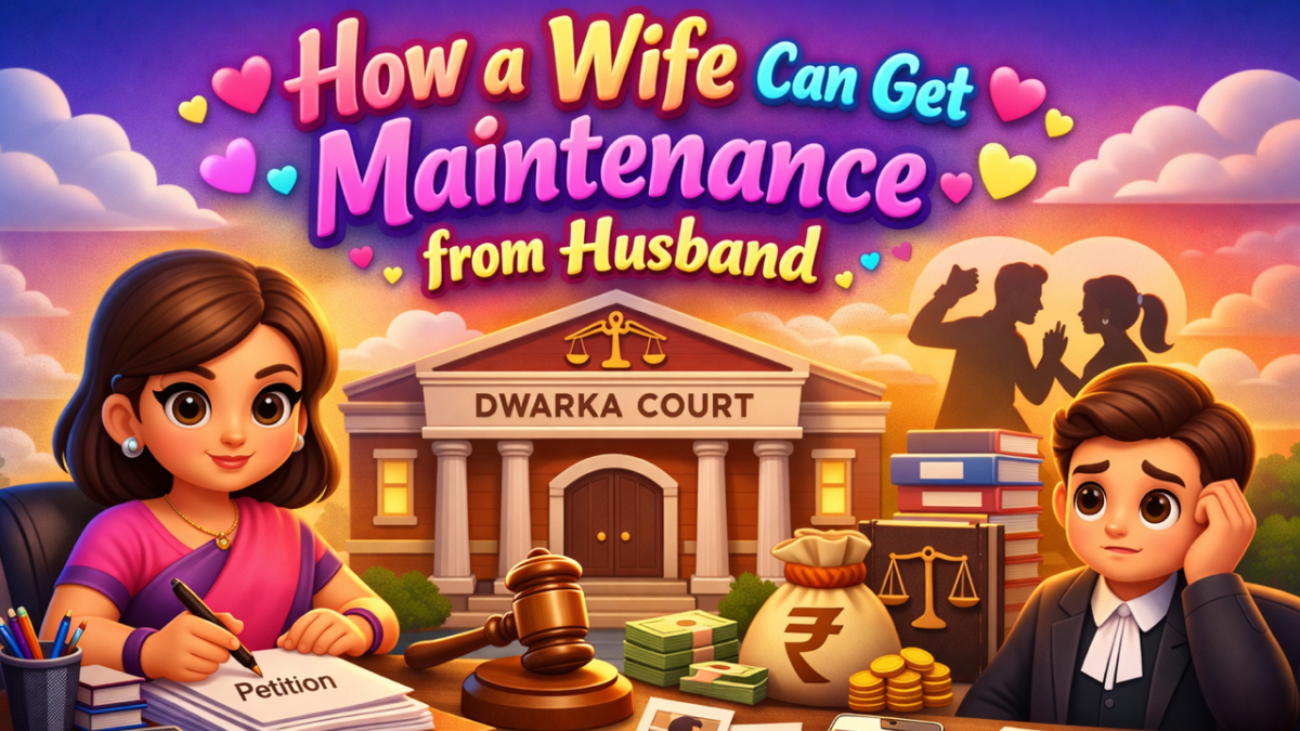
Learn how a wife can claim maintenance in Dwarka Court under Section 144 BNSS, DV Act and HMA, including income affidavits, interim relief and evidence.
When spouses separate, one of the first practical questions may be:
Can the wife claim monthly maintenance from the husband, and how is the amount decided?
The answer depends upon much more than simply whether the parties are living separately.
A maintenance court may examine:
the income and financial resources of both spouses;
whether the wife has sufficient independent income;
reasonable monthly needs;
standard of living during marriage;
responsibility for minor children;
rent and accommodation expenses;
medical and educational expenses;
liabilities and dependants;
reasons for living separately;
previous maintenance orders; and
the financial disclosures made by both sides.
For cases instituted under the present criminal procedural law, the principal provision is now Section 144 of the Bharatiya Nagarik Suraksha Sanhita, 2023 (BNSS).
This substantially corresponds to what was previously known as Section 125 CrPC.
Therefore, people searching for “Section 125 maintenance”, “wife maintenance from husband” or “maintenance case in Dwarka Court” should understand the transition from the old CrPC framework to the present BNSS provisions.
Section 144 BNSS – The Present Maintenance Provision
Section 144 BNSS provides a summary remedy where a person having sufficient means neglects or refuses to maintain specified dependants, including a wife who is unable to maintain herself.
The provision also permits the Court to grant:
monthly maintenance;
interim maintenance; and
expenses of the proceedings.
For the purposes of this chapter, the term “wife” also includes a woman who has been divorced by or has obtained a divorce from her husband and has not remarried.
This is important because a maintenance claim does not necessarily end merely because a divorce decree has been passed.
The precise effect of divorce, settlement, permanent alimony, remarriage and other orders must, however, be examined in each individual case.
Section 144 BNSS vs Former Section 125 CrPC
Earlier Provision
Current Provision
Section 125 CrPC
Section 144 BNSS
Section 126 CrPC
Section 145 BNSS
Section 127 CrPC
Section 146 BNSS
Section 128 CrPC
Section 147 BNSS
Older judgments concerning Section 125 CrPC continue to be important for understanding maintenance principles, but current petitions should be drafted by reference to the applicable BNSS provisions where the new law governs the proceedings.
Where Can a Wife File a Maintenance Case?
Territorial jurisdiction should be checked before filing.
Under Section 145 BNSS, maintenance proceedings may be instituted in a district including where:
the respondent is;
the husband and wife reside;
the wife resides; or
the parties last resided together.
Accordingly, a wife residing within the territorial jurisdiction of South-West Delhi may, depending upon the facts and applicable court allocation, be able to institute maintenance proceedings before the competent Family Court at the Dwarka Courts Complex, New Delhi.
Jurisdiction should never be assumed merely because one spouse has some connection with Dwarka.
The residence, previous matrimonial home, existing proceedings and applicable statutory provision should all be checked.
Can Maintenance Be Claimed Under More Than One Law?
Yes, different matrimonial statutes provide different maintenance remedies.
Depending upon the facts, a wife may have remedies under:
Section 144 BNSS
This is the present general summary maintenance provision corresponding to former Section 125 CrPC.
Section 20 of the Protection of Women from Domestic Violence Act, 2005
Where the requirements of the Domestic Violence Act are satisfied, monetary relief may include maintenance for the aggrieved woman and her children.
The DV Act also provides other remedies that are different from a simple maintenance claim, including protection, residence, custody and compensation orders.
Section 24 Hindu Marriage Act, 1955
During a pending matrimonial proceeding under the Hindu Marriage Act, either spouse who does not have independent income sufficient for support and litigation expenses may seek maintenance pendente lite and litigation expenses.
Section 25 Hindu Marriage Act, 1955
Permanent alimony or maintenance may be considered at the time of a matrimonial decree or subsequently, subject to the requirements of the provision.
Other personal or matrimonial laws may also become relevant depending upon the parties and nature of the marriage.
The correct provision should therefore be selected after examining the existing litigation and relief actually required.
Can a Wife File Maintenance Cases Under Different Statutes?
Multiple statutory remedies may exist, but maintenance litigation is not intended to result in double recovery.
The Supreme Court in Rajnesh v. Neha laid down important guidelines for situations where maintenance proceedings are pending under more than one enactment.
A party claiming maintenance should disclose earlier maintenance proceedings and orders.
The subsequent court can then consider and adjust the amount already awarded under another law.
Therefore, hiding an existing maintenance order is not a sound litigation strategy.
Full disclosure helps the Court determine the correct overall financial arrangement.
Rajnesh v. Neha – Why the Income Affidavit Matters
One of the most important developments in maintenance litigation is the Supreme Court judgment in:
Rajnesh v. Neha, (2021) 2 SCC 324
The Supreme Court introduced a structured disclosure mechanism for maintenance proceedings.
Both sides may be required to file an Affidavit of Disclosure of Assets and Liabilities containing detailed financial information.
The purpose is to enable the Court to decide maintenance on actual financial material rather than unsupported allegations.
A maintenance case should therefore be prepared with financial accuracy from the beginning.
What Does a Wife Normally Need to Disclose?
Depending upon the applicable affidavit and circumstances, disclosure may involve information concerning:
employment;
salary;
professional income;
business income;
bank accounts;
investments;
immovable property;
vehicles;
loans;
liabilities;
household expenditure;
children’s expenditure;
medical costs;
educational expenses;
rent;
previous employment;
income-tax records; and
other material financial resources.
A person seeking maintenance should not suppress her own income merely because the husband earns substantially more.
The Court needs a realistic picture of both sides.
What If the Wife Is Working?
A working wife is not automatically disqualified from receiving maintenance.
The relevant question is not simply:
“Does she earn anything?”
The Court may examine whether her independent income is sufficient for her reasonable support in the circumstances of the marriage.
Relevant considerations can include:
her actual net income;
husband’s income;
lifestyle during marriage;
rent or accommodation;
responsibility for children;
employment history;
qualifications;
medical circumstances;
reasonable expenses; and
financial commitments.
Likewise, being educated does not automatically mean that a woman must be treated as financially self-sufficient.
Actual income and surrounding circumstances matter.
What If the Wife Is Not Working?
Non-employment by itself does not automatically determine the amount of maintenance.
The Court may consider why the spouse is not presently earning and whether, during the marriage, she devoted time to:
household responsibilities;
raising children;
caring for dependent family members; or
other family responsibilities.
The financial position of both spouses must still be disclosed and evaluated.
Maintenance is not intended as a punishment against the earning spouse, nor should it be based upon an exaggerated claim.
Its assessment is fact-specific.
How Much Maintenance Can a Wife Get?
There is no universal fixed percentage of a husband’s income that automatically determines maintenance in every case.
The Supreme Court in Rajnesh v. Neha expressly recognised that there is no straitjacket formula.
Courts may consider factors such as:
1. Income of both spouses
Salary, business income, professional earnings, rental income and other regular financial resources may be relevant.
2. Reasonable needs
The Court may examine legitimate household, food, clothing, transport, medical, communication and accommodation expenses.
3. Standard of living during marriage
Maintenance is assessed in the context of the matrimonial standard of living, subject to the actual financial capacity and circumstances of the parties.
4. Children
Where minor children reside with one parent, expenses relating to:
school fees;
books;
uniforms;
transport;
tuition;
healthcare;
extracurricular activities; and
daily living
may require separate consideration.
5. Existing liabilities
Genuine loans, dependent parents, medical liabilities and other financial obligations may be considered.
6. Earning capacity and actual income
The Court may distinguish between actual earnings, capacity to earn and unsupported claims about the other spouse’s income.
The final amount therefore depends upon evidence—not a fixed online calculator.
Learn how a wife can claim maintenance in Dwarka Court under Section 144 BNSS, DV Act and HMA, including income affidavits, interim relief and evidence.
Can a Wife Claim Interim Maintenance?
Yes.
Section 144 BNSS expressly permits an order for interim maintenance and expenses of proceedings while the main maintenance case is pending.
The statute says that an interim maintenance application should, as far as possible, be disposed of within sixty days from service of notice.
This is an aspirational statutory timeframe and should not be represented as a guarantee that every case will be decided within sixty days.
Actual timelines depend upon:
service upon the respondent;
completion of pleadings;
filing of income affidavits;
document production;
court workload;
adjournments; and
disputed facts.
From Which Date Can Maintenance Be Awarded?
This can have substantial financial consequences.
In Rajnesh v. Neha, the Supreme Court directed that maintenance should ordinarily be awarded from the date of filing of the application.
Section 144(2) BNSS itself permits maintenance or interim maintenance to be made payable from the date of the order or, where so ordered, from the date of the application.
Therefore, delay in adjudication may affect arrears substantially.
The specific court order must always be read carefully to determine the commencement date.
Important Documents for a Wife Seeking Maintenance
A maintenance petition becomes stronger when the Court is given organised financial material rather than broad allegations.
Depending upon the case, useful documents can include:
Marriage and Family Documents
marriage certificate;
wedding documents where relevant;
children’s birth certificates;
address proof;
relevant matrimonial court orders.
Wife’s Financial Documents
salary slips;
bank statements;
income-tax returns;
Form 16;
employment documents;
rent agreement;
medical bills;
loan details.
Children’s Expenses
school fee receipts;
transport charges;
tuition receipts;
medical expenditure;
activity expenses;
childcare expenses.
Documents Relating to Husband’s Income
Where lawfully available:
salary information;
ITRs already exchanged in proceedings;
business records;
company information;
property information;
admitted bank or investment records;
professional profile;
earlier affidavits filed before a court;
other legally obtainable financial material.
A spouse should not obtain documents by unlawful access to private accounts or electronic systems.
Where relevant records are not available, the Court may be requested through appropriate legal procedure to direct disclosure or production.
What If the Husband Hides His Actual Income?
Disputes about income are common in maintenance litigation.
One spouse may allege that the other:
understates business turnover;
receives income in cash;
controls businesses indirectly;
holds substantial property;
shows artificially low salary;
conceals investments; or
does not disclose complete bank records.
An allegation alone is usually not enough.
The case should identify objective material that supports the contention.
The Court can examine financial disclosures, documents and surrounding circumstances and may pass appropriate directions for further information where legally justified.
Likewise, the applicant wife must also make complete disclosure of her own finances.
Is the Husband’s Gross Salary the Same as Disposable Income?
Not necessarily.
Salary slips may contain:
statutory deductions;
taxes;
provident fund;
loan deductions;
voluntary deductions; and
other components.
The Court may examine which deductions are genuine and legally relevant rather than simply relying upon one headline salary number.
Similarly, in business cases, turnover is not automatically the same thing as personal income.
Financial documents should therefore be analysed rather than quoted selectively.
Can Maintenance Be Claimed for Children?
Yes.
A child may have an independent entitlement to maintenance depending upon age, circumstances and applicable provision.
Expenses of children should therefore not simply be merged into a vague figure claimed for the wife.
The petition should clearly identify, where applicable:
school fees;
tuition;
healthcare;
transport;
food;
clothing;
activities; and
other reasonable requirements.
Child maintenance and spousal maintenance involve related but distinct considerations.
When Can Maintenance Under Section 144 BNSS Be Refused?
Under Section 144(4), a wife is not entitled to maintenance under that section if the statutory conditions mentioned there are established, including situations where she:
is living in adultery;
refuses to live with her husband without sufficient reason; or
the spouses are living separately by mutual consent.
These are legal issues requiring proof and judicial determination.
A husband’s mere allegation does not automatically defeat a maintenance petition.
Likewise, the wife should clearly explain the factual and legal basis upon which she is residing separately where that issue is disputed.
Does a Divorced Wife Have a Right to Apply?
Section 144 BNSS expressly includes within the meaning of “wife” a woman who has been divorced by, or obtained divorce from, her husband and has not remarried.
However, post-divorce maintenance may also be affected by:
permanent alimony orders;
settlement agreements;
full and final settlements;
applicable personal law;
remarriage;
surrender or settlement of maintenance rights;
amounts already paid; and
other judicial orders.
Accordingly, a divorced woman’s case should be evaluated from the complete settlement and litigation record.
Domestic Violence Act Maintenance
Where allegations and facts fall within the Protection of Women from Domestic Violence Act, a woman may also seek monetary relief under Section 20 of the DV Act.
Such monetary relief can include maintenance.
The DV Act can additionally provide remedies concerning:
protection;
residence;
custody;
compensation; and
interim orders.
A maintenance claim under the DV Act should not be filed merely because it appears to provide another route.
The factual requirements of the legislation must genuinely be satisfied.
Maintenance During a Divorce Case – Section 24 HMA
Where matrimonial proceedings under the Hindu Marriage Act are already pending, Section 24 HMA permits either spouse with insufficient independent income for support and litigation expenses to seek:
maintenance during proceedings; and
litigation expenses.
This remedy is connected to a pending proceeding under the Hindu Marriage Act.
It should therefore be distinguished from an independent maintenance petition under Section 144 BNSS.
Permanent Alimony – Section 25 Hindu Marriage Act
Section 25 HMA concerns permanent alimony and maintenance.
Depending upon the circumstances, the Court may consider a lump-sum or periodic payment.
Factors include the parties’ income, property, conduct and other circumstances considered relevant by the Court.
A settlement involving permanent alimony should clearly specify whether it resolves:
past maintenance;
present maintenance;
future maintenance;
child expenses;
stridhan;
litigation expenses; and
other matrimonial claims.
Ambiguous settlements may lead to further litigation.
Should a Wife File Every Possible Maintenance Proceeding?
Not necessarily.
More cases do not automatically produce better relief.
Before filing, the existing litigation should be mapped:
Is a divorce case already pending?
Is there a Domestic Violence Act case?
Has maintenance already been granted somewhere?
Is there an earlier settlement?
Are minor children’s expenses included?
Is there a pending execution case?
Which court has territorial jurisdiction?
Which provision provides the relief actually required?
The objective should be a legally coherent strategy, not multiplication of proceedings.
Common Mistakes in Maintenance Cases
Hiding the Applicant’s Own Income
Incomplete financial disclosure can damage credibility.
Making an Unrealistic Income Allegation
If the husband earns ₹1 lakh per month, alleging an income of ₹10 lakh without supporting material does not improve the petition.
Filing Without Expense Details
A maintenance claim should explain the applicant’s reasonable monthly financial requirements.
Copying Generic Matrimonial Allegations
Maintenance litigation should focus on relevant facts and finances.
Ignoring Previous Maintenance Orders
Orders passed under other statutes must be disclosed.
Treating Every Bank Credit as Income
Transfers, reimbursements and loan receipts may not represent earnings.
Assuming a Fixed Percentage
There is no automatic universal percentage applicable to every marriage.
Failing to Preserve Financial Documents
Documents available at the beginning of the dispute may become difficult to obtain later.
How a Maintenance Case Generally Proceeds in Dwarka Court
Although individual cases differ, the process may broadly involve:
Step 1 – Case Assessment
The advocate examines marriage details, separation, residence, children, existing litigation and finances.
Step 2 – Selection of the Correct Remedy
The appropriate provision may be Section 144 BNSS, Section 20 DV Act, Section 24 HMA or another applicable remedy.
Step 3 – Preparation of Petition
The petition sets out the material facts, jurisdiction, neglect or refusal where relevant, financial circumstances and relief sought.
Step 4 – Financial Disclosure
The required affidavit of assets and liabilities is prepared with supporting documents.
Step 5 – Filing and Scrutiny
The matter is filed before the competent court and processed according to court procedure.
Step 6 – Service Upon Respondent
The husband is served and given an opportunity to appear and respond.
Step 7 – Reply and Husband’s Financial Disclosure
The respondent may file objections, financial disclosures and documents.
Step 8 – Interim Maintenance Arguments
Where interim relief is sought, both sides may address the Court on immediate financial requirements and capacity.
Step 9 – Evidence Where Required
Disputed factual matters may require evidence.
Step 10 – Final Order
The Court determines the maintenance claim based upon the statute, pleadings, financial disclosures, evidence and applicable precedents.
What If Maintenance Is Not Paid After an Order?
A maintenance order does not become irrelevant merely because the person directed to pay does not voluntarily comply.
Different statutes contain enforcement mechanisms.
For Section 144 BNSS maintenance, the BNSS provides mechanisms relating to enforcement and recovery.
Depending upon the order and applicable statute, legal steps may be taken for:
recovery of arrears;
execution;
enforcement directions; and
other remedies permitted by law.
Execution should be considered promptly rather than allowing arrears to accumulate indefinitely.
Can Maintenance Be Increased or Reduced Later?
Yes, in appropriate circumstances.
Section 146 BNSS allows alteration of maintenance where there has been a change in circumstances.
Examples may include:
substantial increase or decrease in income;
loss of employment;
major medical circumstances;
change in children’s educational expenses;
remarriage where legally relevant;
change in custody;
retirement;
change in accommodation needs; or
other material financial developments.
A variation is not automatic. The changed circumstances must be placed before the competent Court.
Maintenance Litigation Is About Financial Evidence
A maintenance case should not be treated as an emotional extension of the matrimonial dispute.
The questions before the Court are substantially financial and statutory.
The most useful preparation usually involves:
accurate pleadings;
complete disclosure;
organised bank records;
realistic expense calculations;
child-expense documents;
proper identification of income sources;
disclosure of earlier orders; and
consistent factual statements.
Good preparation does not guarantee a particular maintenance amount.
It enables the Court to assess the claim on reliable material.
Strengthens your Dwarka Court local relevance and provides a broader navigation route to your practice.
Frequently Asked Questions
What is the new Section 125 CrPC?
For present BNSS proceedings, the corresponding maintenance provision is Section 144 BNSS.
Can a wife living separately claim maintenance?
Potentially yes, depending upon the facts and applicable law. Where separation is disputed, the Court may examine the reasons for living separately and the restrictions contained in Section 144(4).
Can a working wife receive maintenance?
Employment by itself is not an automatic bar. The Court examines whether her independent income is sufficient and considers the overall financial circumstances.
Can an unemployed but highly educated wife claim maintenance?
Educational qualification alone does not automatically establish actual financial independence. The Court may consider qualifications, actual income, employment history and other relevant circumstances.
Is maintenance always 25% of the husband’s salary?
No. There is no universal percentage applicable to every case.
Can a wife seek maintenance for children also?
Yes. Children may have independent maintenance claims depending upon the applicable law and facts.
Can maintenance be sought before divorce?
Yes. Maintenance does not necessarily require a prior divorce case.
Can maintenance be claimed after divorce?
Section 144 BNSS includes a divorced wife who has not remarried, subject to the statute and the effect of settlements, alimony orders and other applicable law.
Can maintenance be granted from the date of filing?
Yes. The Supreme Court’s guidelines in Rajnesh v. Neha support maintenance being awarded from the date of the application, while Section 144(2) BNSS should also be examined together with the final order.
Do both husband and wife have to disclose income?
Maintenance proceedings ordinarily involve detailed financial disclosure. The Supreme Court in Rajnesh v. Nehaprescribed affidavits of assets and liabilities for maintenance proceedings.
Can a wife simultaneously claim maintenance under the DV Act and BNSS?
Different remedies can coexist, but previous awards must be disclosed and the Court must account for overlapping maintenance so that there is no unjustified double recovery.
Can the amount later be changed?
Yes. A material change in circumstances may justify seeking modification under the applicable law.
Maintenance Matters in Dwarka Court
A maintenance dispute may involve much more than asking the Court to select a monthly amount.
It can require analysis of:
jurisdiction;
applicable statute;
interim relief;
income affidavits;
business or salary records;
children’s expenses;
overlapping matrimonial proceedings;
previous settlements;
enforcement; and
subsequent modification.
For matters falling within South-West Delhi jurisdiction, proceedings may come before the competent Family Court or other designated court at the Dwarka Courts Complex depending upon the remedy invoked.
Legal Assistance for Maintenance and Matrimonial Cases
Every maintenance matter depends upon the parties’ actual financial position, existing court proceedings and evidence. No particular amount or outcome can be guaranteed.
Important Legal References
Bharatiya Nagarik Suraksha Sanhita, 2023 — Sections 144 to 147
Protection of Women from Domestic Violence Act, 2005 — Sections 12, 20 and 23
Hindu Marriage Act, 1955 — Sections 24 and 25
Rajnesh v. Neha, (2021) 2 SCC 324
Applicable Family Courts Act provisions and Delhi court jurisdiction rules
Disclaimer: This article provides general legal information and should not be treated as legal advice for a particular matrimonial dispute. Maintenance depends upon individual facts, financial records, applicable personal law, existing orders and current judicial precedents.
Filing a civil suit is not merely a formality of drafting papers and submitting them in court. A perfect Plaint is the foundation of your entire civil litigation. In my 18+ years of practice as an Advocate in Dwarka Court, Sector-10, New Delhi, I have seen excellent cases fail only because the Plaint was poorly drafted, casually structured, or legally incomplete.
This guide is written from ground-level experience of District Court Dwarka, and not from theory books. If you want your civil case to survive objections, scrutiny, and trial, this guide is for you.
🗺️ 1️⃣ First Make a Flawless Site Plan – The Soul of a Civil Suit
Before drafting even a single line of the Plaint, prepare a clear, accurate and detailed Site Plan.
⚠️ One of the biggest mistakes I see younger advocates make is:
They first draft the Plaint and later adjust the Site Plan to match it.
This approach is completely wrong.
🔑 Site Plan is the soul of your civil suit, especially in:
Property disputes
Possession suits
Injunction matters
Partition suits
Encroachment cases
The Site Plan must:
✔ Clearly show boundaries
✔ Mention measurements
✔ Indicate directions (North, South, East, West)
✔ Match the title documents exactly
🧠 In my experience at Dwarka District Court, judges first look at the Site Plan, not the Plaint. If the Site Plan is confusing, your case loses credibility from Day One.
✍️ 2️⃣ Draft the Plaint – Precise, Crisp & To the Point
Remember one golden rule:
⚖️ We are Advocates, not poets or novel writers.
A Plaint must be:
✔ Simple
✔ Clear
✔ Direct
✔ Legally relevant
Avoid:
❌ Unnecessary emotional language
❌ Long stories
❌ Repetition of facts
Judges in Dwarka Court handle hundreds of matters daily.
Don’t make your Plaint a puzzle for the judge.
Use simple legal language, short paragraphs, and clear cause of action.
⏳ 3️⃣ Maintain Proper Hierarchy of Events
Every civil suit stands on chronology.
📌 Events must be written:
In proper date order
Without contradiction
Without jumping back and forth
Each paragraph should deal with one event only.
⚠️ Mixing timelines is a common drafting defect that leads to:
Objections
Confusion
Weak cross-examination
From my long practice as a Best Advocate in Dwarka Court, I can confidently say:
A well-ordered sequence of events itself convinces the court.
🏠 4️⃣ Clear Description of Property – No Ambiguity Allowed
Property description must be:
✔ Exact
✔ Identical to documents
✔ Free from assumptions
It must match:
Sale Deed
GPA
Will
Agreement to Sell
Previous court orders
Even a small mismatch in area, floor, or boundary can destroy your case during evidence.
Judges in Dwarka District Court Sector-10 are very strict about property descriptions.
📑 5️⃣ Jurisdiction – Territorial & Pecuniary Must Be Correct
Always check:
✔ Whether Dwarka Court has territorial jurisdiction
✔ Whether valuation is correct
Wrong jurisdiction = rejection or return of Plaint.
As an experienced Advocate in Dwarka Court, I always advise clients to verify jurisdiction before filing, not after objections are raised.
🧾 6️⃣ Cause of Action – Clearly Defined & Continuing
Your Plaint must clearly explain:
When the cause of action arose
How it continues
Why the suit is maintainable
A vague cause of action is a fatal defect.
💰 7️⃣ Proper Valuation & Court Fees
Incorrect valuation is one of the most common objections raised in civil suits at Dwarka Court.
Ensure:
✔ Correct relief valuation
✔ Correct court fees
✔ Proper stamp
This reflects seriousness and professionalism.
🧠 8️⃣ Relief Clause – Draft with Legal Wisdom
Reliefs should be:
✔ Specific
✔ Enforceable
✔ Supported by facts
Avoid asking for unnecessary or contradictory reliefs.
A good advocate knows what NOT to ask.
📎 9️⃣ Documents – Relevant & Properly Numbered
Attach only:
✔ Relevant documents
✔ Properly indexed
✔ Legible copies
Unnecessary documents only confuse the court.
⚖️ 10️⃣ Final Review – Think Like a Judge
Before filing:
🔍 Read the Plaint like a judge
🔍 Identify gaps
🔍 Remove repetitions
This habit, developed over 18+ years of practice in Dwarka District Court, separates an average advocate from a best advocate in Dwarka Court.
⭐ Final Words from Experience
A perfect Plaint saves years of litigation.
In my long professional journey at District Court Dwarka, Sector-10, New Delhi, I have learned that:
Strong drafting wins half the case even before evidence begins.
If you want your civil suit to stand strong, invest time in drafting, planning, and precision.