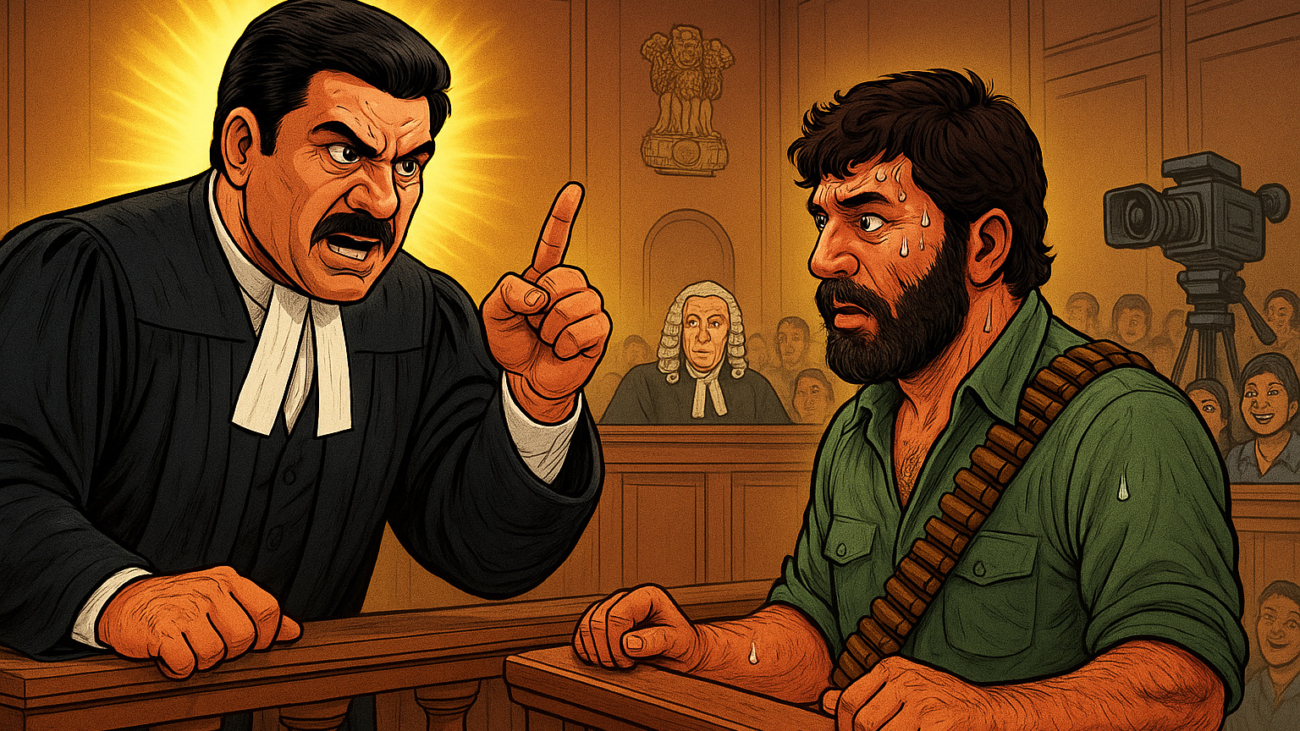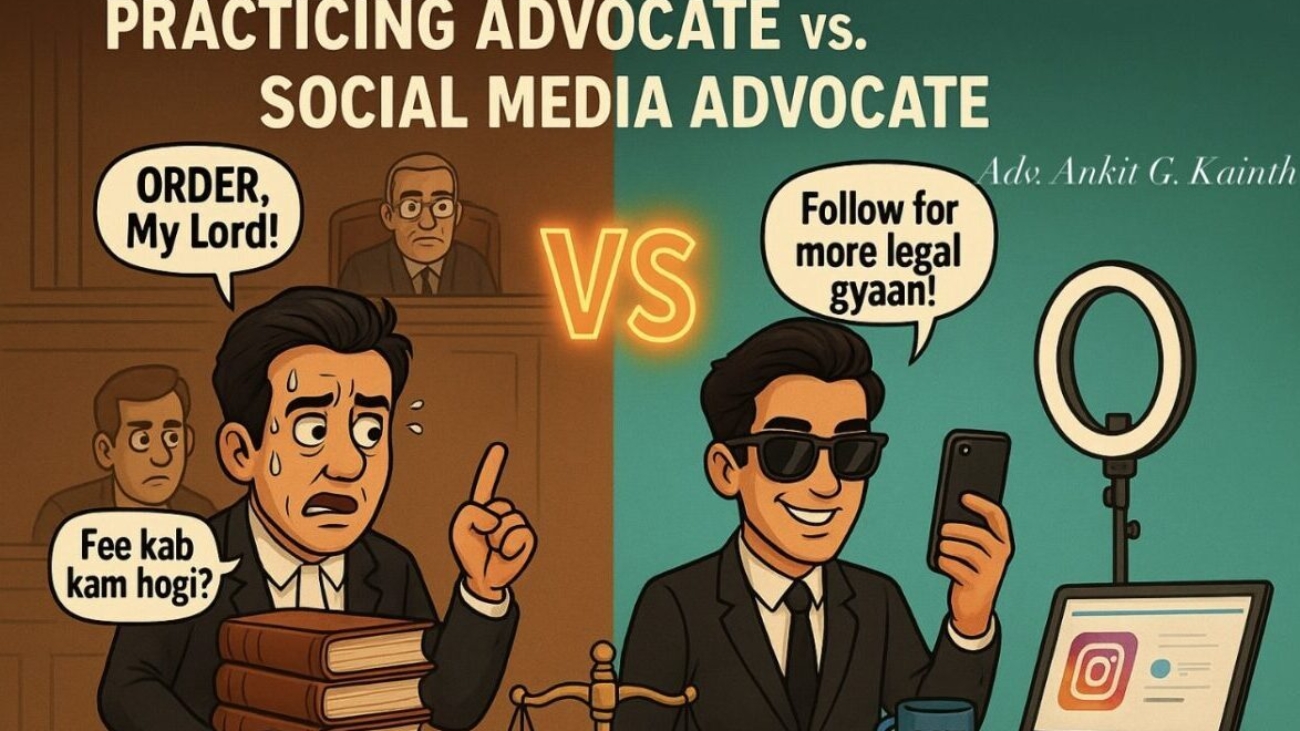


In today’s era, there are two species of Advocate/lawyers roaming freely— 1. Practicing Advocates: Found in courts, drenched in sweat, burdened with files. 2. Social Media Advocates: Found online, drenched in filters, burdened with hashtags.
Let’s decode the epic differences between the two—because trust me, it’s more entertaining than any Netflix drama.
Workstation 🏛️ vs. 📱 • Practicing Advocate: Courtrooms, bar libraries, dusty registers. • Social Media Advocate: Cafés with Wi-Fi, reels with trending songs. 👉 One-liner: “Court mein date milti hai, Insta pe followers!”
⸻
Uniform 👔 vs. 👕 • Practicing Advocate: Black coat, band, sweaty face. • Social Media Advocate: Blazer for DP, T-shirt for reel. 👉 One-liner: “Practicing advocate wears black, social media advocate adds filters to black.”
⸻
Arguments 🎤 vs. 🎶 • Practicing Advocate: Argues before judges with citations. • Social Media Advocate: Argues before comments section with emojis. 👉 One-liner: “One needs case laws, other just needs good captions.”
⸻
Reality ⏳ vs. Views 👀 • Practicing Advocate: Waits 4 hours for their matter to be called. • Social Media Advocate: Waits 4 seconds for likes to roll in. 👉 One-liner: “Court ka patience > Insta ka algorithm.”
⸻
Income 💰 vs. 💕 • Practicing Advocate: Fee comes late, after multiple reminders. • Social Media Advocate: Payment? Nah, just “exposure” and “collabs.” 👉 One-liner: “Advocate paisa ke liye fight karta hai, influencer spotlight ke liye.”
⸻
Clients 👨👩👦 vs. 👥 • Practicing Advocate: Handles emotional clients shouting “Humari izzat ka sawal hai!” • Social Media Advocate: Handles followers shouting “Next reel kab aayegi?” 👉 One-liner: “One manages affidavits, other manages aesthetics.”
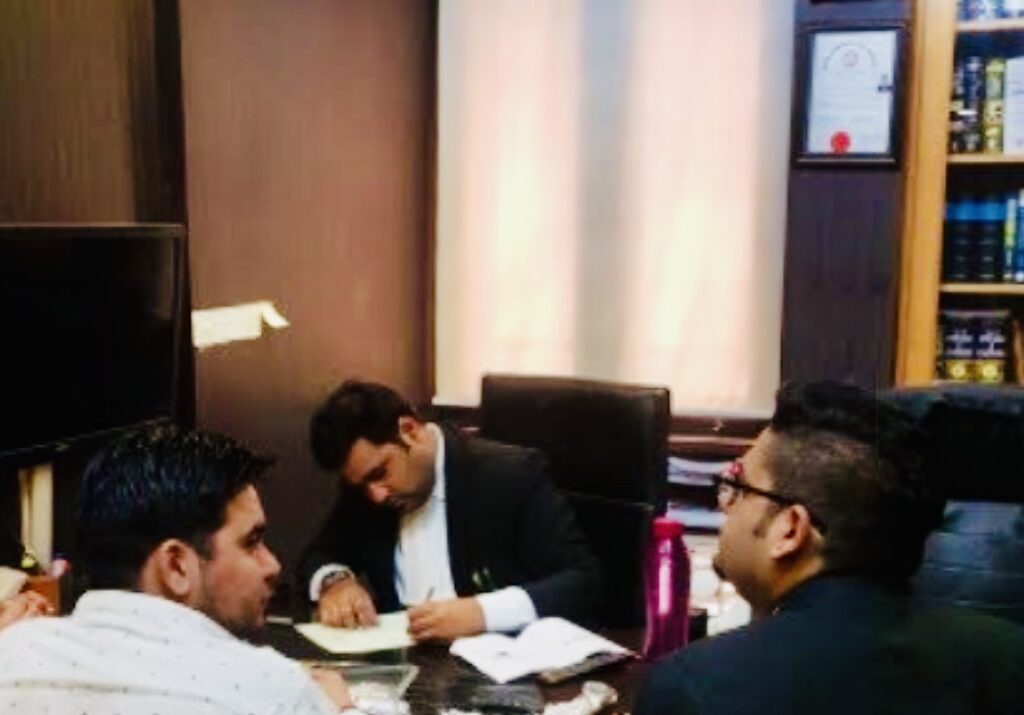
Advocate in Dwarka Court
⸻
Legacy 📚 vs. 📸 • Practicing Advocate: Builds reputation after years in court. • Social Media Advocate: Builds reputation after one viral reel. 👉 One-liner: “Court mein senior ban’ne mein 20 saal, Insta pe sirf 20 seconds.”
⸻
Final Verdict ⚖️😂
Both are advocates in their own kingdoms. The practicing advocate fights for justice, while the social media advocate fights for attention. One seeks judgments, the other seeks engagement. Yet both remind us—law is not just about black coats, but also about adapting with time.
👉 Closing one-liner: “Courtroom ho ya Instagram, sabko apni audience chahiye!”
Consult an experienced advocate to determine the most suitable mode of service based on the facts of your case and court practice.
Contact me for Consultation :- 9899085554, 9811885554
A Non-Bailable Warrant (NBW) is one of the strictest orders a court can issue. It authorizes the police to arrest the accused and produce them before the court. Unlike regular warrants, an NBW is not automatically cancelled on appearance—you need proper legal steps. Understanding NBWs is extremely important for clients, advocates, and anyone facing criminal proceedings.
A Non-Bailable Warrant is a court order directing police to arrest a person who has repeatedly avoided court proceedings. It is mostly issued in criminal matters when: The accused does not appear despite summons or bailable warrants. The court believes the accused is deliberately avoiding the trial. Presence of the accused is essential for further proceedings.
Why Do Courts Issue NBWs?
Courts issue NBWs to ensure: Attendance of the accused Smooth progress of the trial Prevention of delay and misuse of legal process
In short, NBWs are issued when the court loses trust that the accused will appear voluntarily.
How Can an Non bailable warrant Be Cancelled?
Cancelling an NBW requires immediate and strategic action, usually through an advocate. The steps include: 1. Drafting a Cancellation Application before the same court that issued the Non bailable warrant. 2. Explaining the reason for absence, such as medical emergency, genuine mistake, travel issues, or lack of knowledge of the date. 3. Producing supporting documents, if any. 4. Ensuring the accused is present in court, unless the court permits exemption. 5. Requesting the court to restore the trust by imposing a fine or taking a fresh bond.
If the court is satisfied with the explanation, it cancels the Non bailable warrant on the same day.
What Happens if You Ignore an Non bailable warrant?
Ignoring an Non bailable warrant can lead to: Immediate arrest at home or workplace Cancellation of bail Issuance of proclamation under Section 82 CrPC (declaring you absconding) Attachment of property under Section 83 CrPC Serious damage to your credibility in the case
An NBW never disappears on its own—it only gets worse if ignored.
How an Advocate Helps You (Yes, with a small fee 😉)
An experienced criminal advocate can: Draft a strong Non bailable warrant cancellation application Present proper legal grounds before the judge Protect you from arrest during the hearing Ensure smooth compliance and avoid future Non bailable warrant Guide you on court etiquette and preventive measures
A skilled advocate not only cancels the Non bailable warrant but also protects your record and reputation.
⸻
If you or someone you know has a Non bailable warrant issued, act fast. Timely legal help can turn a stressful situation into a manageable one—sometimes within a single hearing.
Consult an experienced advocate to determine the most suitable mode of service based on the facts of your case and court practice.
⚖️ Why Choose a Local Lawyer for District Court Dwarka? (2026 Practical Insight)
When a legal dispute arises, most clients focus only on “Who is the best lawyer?” But an equally important question is — “Does the lawyer regularly practice in the same court where my case is filed?”
If your matter is before Dwarka Court, choosing a lawyer who appears there daily can make a measurable difference in strategy, speed, and results.
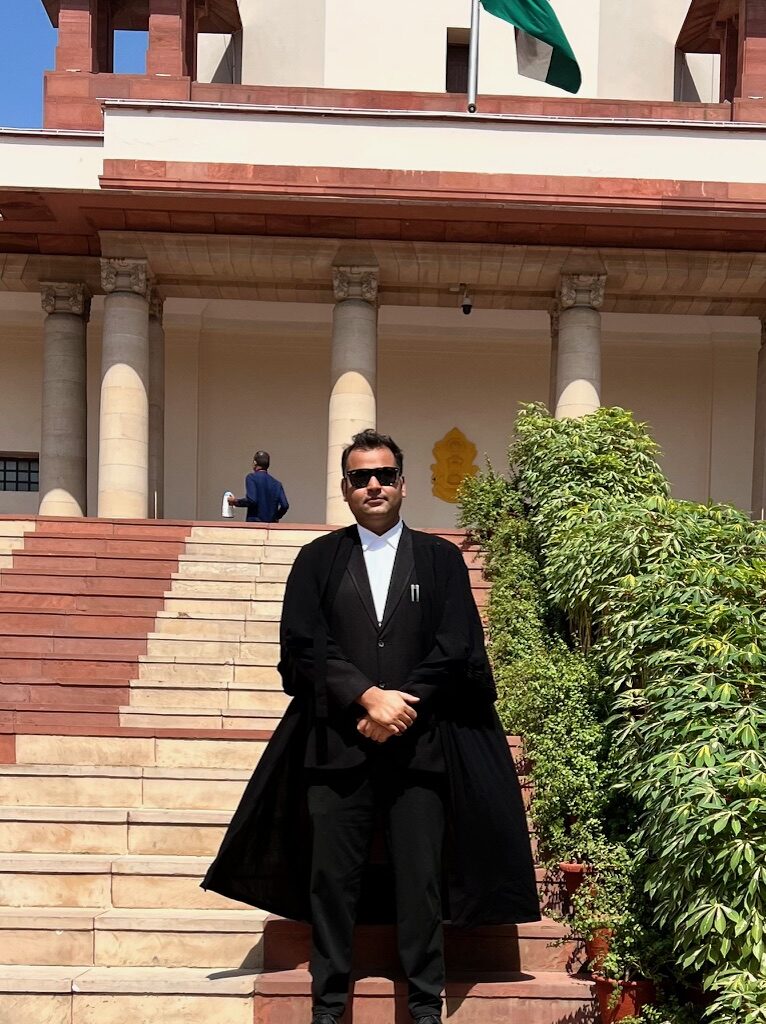
With 18+ years of continuous practice in Dwarka Court, I have personally observed how local courtroom experience impacts outcomes.
Let us understand this practically.
🏛️ 1️⃣ Understanding the Court Environment
Every court has its own functioning style.
A local lawyer practicing regularly in Dwarka Court understands:
Filing procedures and registry objections Court staff coordination Daily cause-list patterns Bench-specific working styles Practical courtroom discipline
These are not written in books — they are learned through consistent physical presence.
📂 2️⃣ Faster Filing & Quicker Case Movement
Legal strategy is not just about arguments. It is also about timing.
When your advocate is regularly present at Dwarka Court:
Urgent applications can be filed immediately
Defects can be removed the same day
Case status can be checked personally
Listing issues can be followed up promptly
Outstation lawyers may need coordination time. A local lawyer acts instantly.
In bail matters, stay orders, and injunctions — speed often determines success.
⚖️ 3️⃣ Practical Knowledge Beyond Theory
Courtroom litigation is not academic law — it is applied law.
A regular practitioner at Dwarka Court knows:
Which arguments receive judicial attention
a.How evidence is typically scrutinised
b.How to structure anticipatory bail
c.How mediation trends work in matrimonial disputes
d.How property disputes often convert into criminal complaints
This practical knowledge cannot be replaced by reputation alone.
👥 4️⃣ Easy Accessibility for Clients
Clients often need:
Quick meetings
Urgent documentation review
Strategy discussions before hearing
Immediate response in emergencies
When your lawyer’s chamber is in Dwarka Court premises, coordination becomes seamless.
There are No delays. Don’t worry about No long scheduling gaps. No communication hurdles.
📑 5️⃣ Confidence in Representation
A lawyer who appears daily before the same benches develops:
Courtroom confidence Familiarity with judicial expectations Better anticipation of queries Stronger oral advocacy
This comfort level translates into effective representation.
Whether it is:
Divorce litigation
Bail matters
Cheque bounce cases
Domestic violence proceedings
Property disputes
Confidence matters inside the courtroom.
🎯 6️⃣ Strategic Advantage in Complex Cases
In 18+ years of regular appearance before Dwarka Court, I have seen that:
Timing of filing anticipatory bail is critical
Drafting errors delay relief
Registry objections can derail urgent cases
Procedural compliance avoids dismissal
A local lawyer anticipates these hurdles in advance.
📍 Serving Dwarka Court Jurisdiction
Clients from:
Janakpuri
Vikaspuri
Dwarka North
Dwarka South
Najafgarh
Uttam Nagar
Bindapur
often prefer representation by a lawyer who understands the local litigation pattern of Dwarka Court.
If you or someone you know has been arrested, understanding the bail procedure becomes extremely important. In Dwarka Court, New Delhi, the process is straightforward, but knowing the right steps can save both time and stress.
1. What Is Bail?
Bail is a legal process that allows an arrested person to remain free while their case is ongoing, by submitting a bond or surety in Dwarka Court.
2. Types of Bail in Dwarka Court
Regular Bail – applied after arrest in Dwarka Court.
Interim Bail – temporary bail until a regular hearing Dwarka Court.
3. Documents Required in Dwarka Court
Aadhar Card / ID Proof
Surety documents
FIR copy
Personal bond
Arrest memo (in some cases)
4. How the Bail Hearing Works in Dwarka Court
Your lawyer files the bail application → Matter is listed before the judge → Arguments from both sides → Judge grants or denies bail.
5. Why Legal Help Matters in Dwarka Court
A strong bail application can significantly improve your chances. An experienced lawyer ensures correct drafting, powerful arguments, and timely filing.
When an arrest happens, panic spreads faster than facts. Families rush to Dwarka Court with one urgent question — “How do we get bail?”
After 18+ years of continuous practice in Dwarka Court, I can confidently say this: timely strategy matters more than emotional reaction. If you understand the procedure clearly, the process becomes structured, manageable, and far less stressful.
Let us break it down step-by-step.
📌 What Is Bail?
Bail is a legal mechanism under the Code of Criminal Procedure that allows an accused person to remain free during investigation or trial, subject to conditions imposed by the court.
In simple words: Custody is the exception. Liberty is the rule — subject to judicial discretion.
🏛️ Step 1: Identify the Type of Bail Required
Before filing anything in Dwarka Court, the first question is — what kind of bail applies?
1️⃣ Anticipatory Bail
Filed before arrest when apprehension exists.
2️⃣ Regular Bail
Filed after arrest when the accused is already in custody.
3️⃣ Interim Bail
Temporary protection granted until final hearing.
Choosing the correct category is the first strategic decision.
📄 Step 2: Collect Essential Documents
Documentation strength often determines success. Typically required:
FIR copy
Arrest memo (if applicable)
ID proof of accused
Surety documents
Previous case details (if any)
Medical documents (if relevant)
Incomplete paperwork delays relief in Dwarka Court.
🖊️ Step 3: Drafting the Bail Application
This is not a routine formality.
A professionally drafted bail application must include:
✔ Brief facts of case ✔ False implication or defence theory ✔ Lack of criminal antecedents ✔ Cooperation with investigation ✔ Legal grounds under CrPC ✔ Judicial precedents (if required)
In my experience, weak drafting is one of the most common reasons for rejection.
⚖️ Step 4: Filing Before the Appropriate Court
Most bail matters first come before the Metropolitan Magistrate in Dwarka Court.
Serious offences may require filing before the Sessions Court.
Correct forum selection prevents technical objections.
🗣️ Step 5: Bail Hearing & Arguments
On the hearing date:
Prosecution presents objections
Defence counters allegations
Court examines gravity, evidence, and conduct
Judges in Dwarka Court carefully evaluate:
Nature of offence
Role attributed to accused
Possibility of tampering evidence
Flight risk
Criminal history
Calm, structured arguments always perform better than emotional pleas.
🧾 Step 6: Bail Order & Conditions
If granted, the Court may impose:
Personal bond
Surety bond
Travel restrictions
No contact with complainant
Regular investigation attendance
Compliance is critical. Violation may lead to cancellation.
⏳ Step 7: Post-Bail Responsibility
Many accused believe bail means the case is over. That is incorrect.
After bail:
Attend all court dates
Avoid influencing witnesses
Maintain clean conduct
Stay in coordination with your lawyer
Bail is liberty with responsibility.
🔎 Common Bail Trends in Dwarka Court (2026)
Based on recent courtroom experience:
Digital evidence is heavily scrutinized
Delay in FIR sometimes strengthens defence
Matrimonial disputes often receive balanced approach
Judicial reasoning is structured, not sentimental.
🎯 Why Experience Matters
In 18+ years of practice at Dwarka Court, I have observed:
✔ Each judge has a distinct courtroom style ✔ Filing defects delay urgent matters ✔ Timing of anticipatory bail is crucial ✔ Coordination with investigation officers helps
Bail strategy is courtroom science — not guesswork.
📌 Practical Advice for Families
👉 Do not delay consultation 👉 Do not hide facts from your lawyer 👉 Preserve digital communication 👉 Avoid media or social confrontation 👉 Stay patient and disciplined
Prepared clients always stand stronger in Dwarka Court.
❓ Frequently Asked Questions
Q1. How long does bail take in Dwarka Court?
Usually 1–3 hearings, depending on seriousness and prosecution response.
Q2. Can bail be rejected?
Yes. However, remedy lies before a higher court.
Q3. Is anticipatory bail easy?
It depends on allegations, evidence, and timing of filing.
Q4. Does court consider settlement?
In matrimonial or minor disputes, settlement discussions help.
🌟 Final Words
Arrest creates fear. Law provides structure.
Understanding the bail procedure at Dwarka Court reduces uncertainty and builds confidence.
If you or your family member requires urgent bail assistance, professional guidance makes a decisive difference.
With over 18 years of active courtroom experience, I ensure: