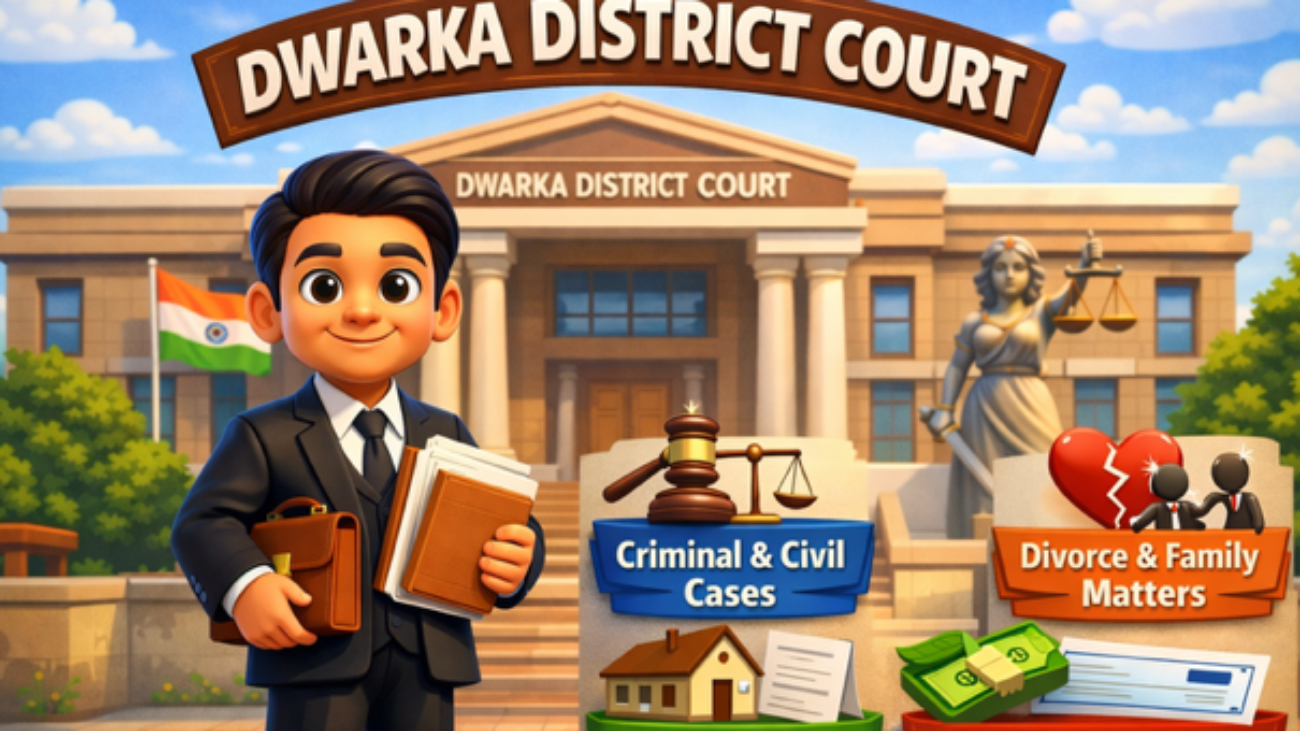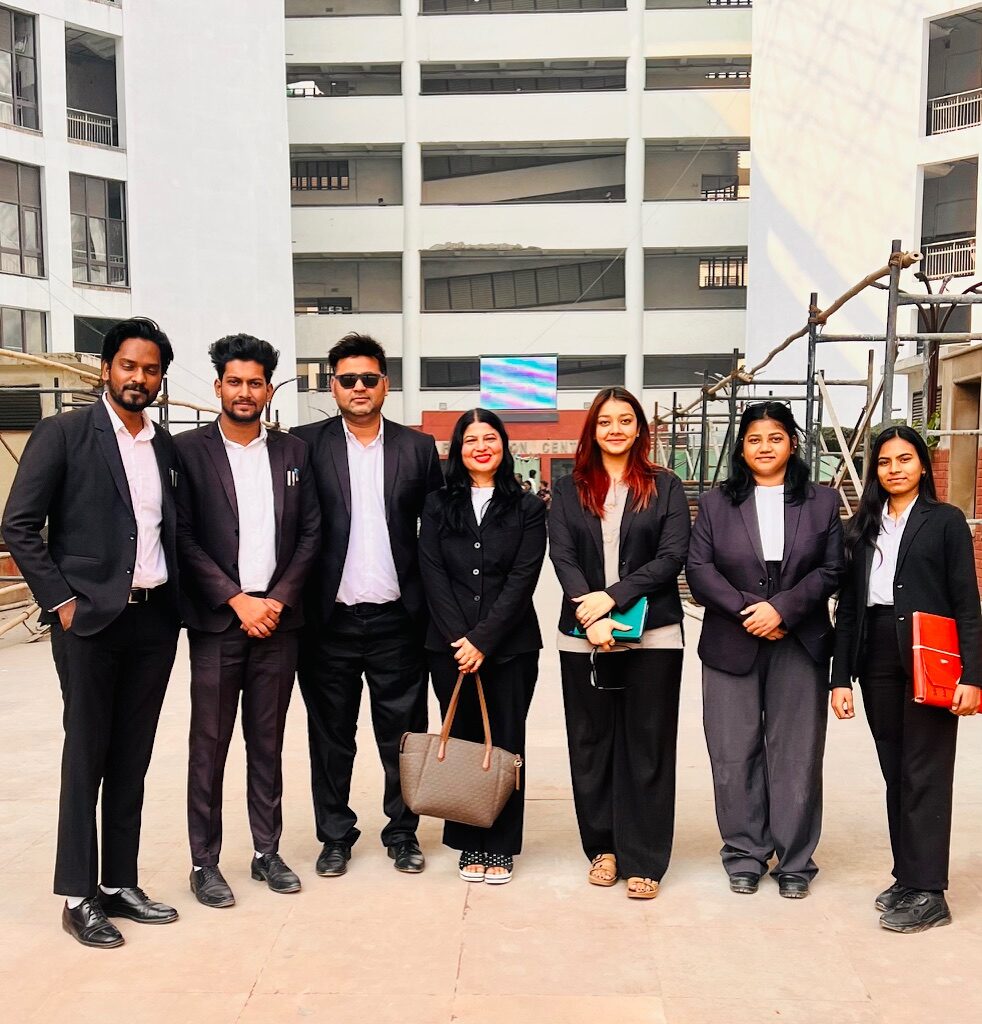

And Why Clients Approach Us in Dwarka Court for Consultation
In the legal world, delay is expensive. Silence is risky. Assumptions are dangerous.
That is why consultation is considered positive proactiveness in legal issues.
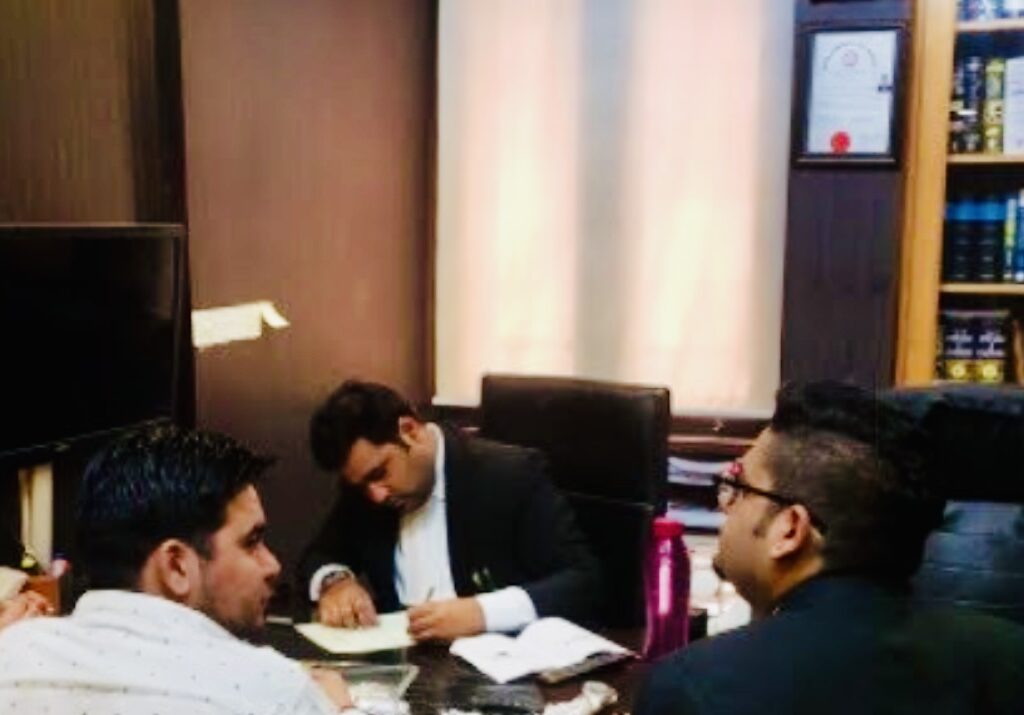
When a person chooses to seek legal consultation in Dwarka Court, it reflects awareness, responsibility, and strategic thinking. Instead of reacting after damage is done, a proactive client acts early — and that early action often changes the entire outcome of a case.
As an Advocate practicing for 18+ years in civil, criminal, banking and matrimonial litigation at Dwarka Court, I have seen one clear pattern:
👉 Clients who consult early save time.
👉 Clients who consult early save money.
👉 Clients who consult early save emotional energy.
⚖️ Why Consultation is Positive Proactiveness
Legal issues rarely arise suddenly. They develop in stages — misunderstandings, notices, disputes, complaints, allegations, documentation errors.
When you opt for legal consultation in Dwarka Court, you:
✔ Understand your legal position
✔ Know your rights and liabilities
✔ Avoid procedural mistakes
✔ Prevent unnecessary litigation
✔ Build a strategy before conflict escalates
Proactiveness means acting before the problem grows. A well-timed consultation often prevents years of litigation.
⏳ How Consultation Saves Time
Time in litigation is precious. Filing wrong petitions, missing limitation periods, or approaching the wrong forum can delay justice for years.
During a legal consultation in Dwarka Court, clients receive:
📌 Clear procedural roadmap
📌 Correct jurisdiction guidance
📌 Proper documentation checklist
📌 Strategic timing advice
With 18+ years of courtroom experience, I guide clients toward the correct legal step from Day One. That clarity prevents unnecessary adjournments, defective filings, and avoidable delays.
💰 How Consultation Saves Money
Many people hesitate to pay consultation fees. However, avoiding consultation often leads to higher legal costs later.
A single wrong step can result in:
❌ Multiple litigations
❌ Penalties or interest
❌ Dismissed petitions
❌ Additional advocate fees
An effective legal consultation in Dwarka Court helps clients understand:
✔ Whether litigation is required
✔ Whether settlement is possible
✔ Whether mediation is a better route
✔ Whether criminal or civil remedy is appropriate
Strategic advice at the right time reduces long-term legal expenditure.
🧠 How Consultation Saves Energy & Mental Stress
Legal disputes are emotionally draining — especially in matrimonial, criminal, and family matters.
During consultation, clients receive:
🔹 Legal clarity
🔹 Emotional reassurance
🔹 Practical solutions
🔹 Realistic expectations
Clarity reduces fear. Strategy reduces anxiety.
This is why clients from Dwarka, Janakpuri, Vikaspuri, Najafgarh, Uttam Nagar, Bindapur, Samalka, and Kapashera approach Dwarka Court for structured legal guidance.
🎯 Why We Charge Hourly Consultation Fees
Professional legal consultation is not casual advice — it is structured legal analysis.
When you book a legal consultation in Dwarka Court, you receive:
✔ Dedicated time
✔ Case law based evaluation
✔ Risk assessment
✔ Strategy planning
✔ Confidential discussion
Our hourly consultation fee reflects:
🔹 18+ years of courtroom experience
🔹 Expertise in civil, criminal, banking & matrimonial litigation
🔹 Practical exposure to Dwarka Court procedures
🔹 Strategic advisory approach
Clients are not paying for minutes. They are paying for experience, accuracy, and preventive legal protection.
📚 Consultation Provides a Clear Roadmap
Every client approaches with specific targets 🎯 — whether it is:
• Filing for divorce
• Defending a criminal complaint
• Recovering money
• Handling banking disputes
• Drafting agreements
• Protecting property rights
A professional legal consultation in Dwarka Court provides:
✔ Step-by-step action plan
✔ Timeline clarity
✔ Risk vs benefit analysis
✔ Required documentation list
✔ Court process explanation
It enlightens clients about what should be done according to their requirements — not based on assumptions or third-party opinions.
🏛 Why Clients Choose Consultation at Dwarka Court
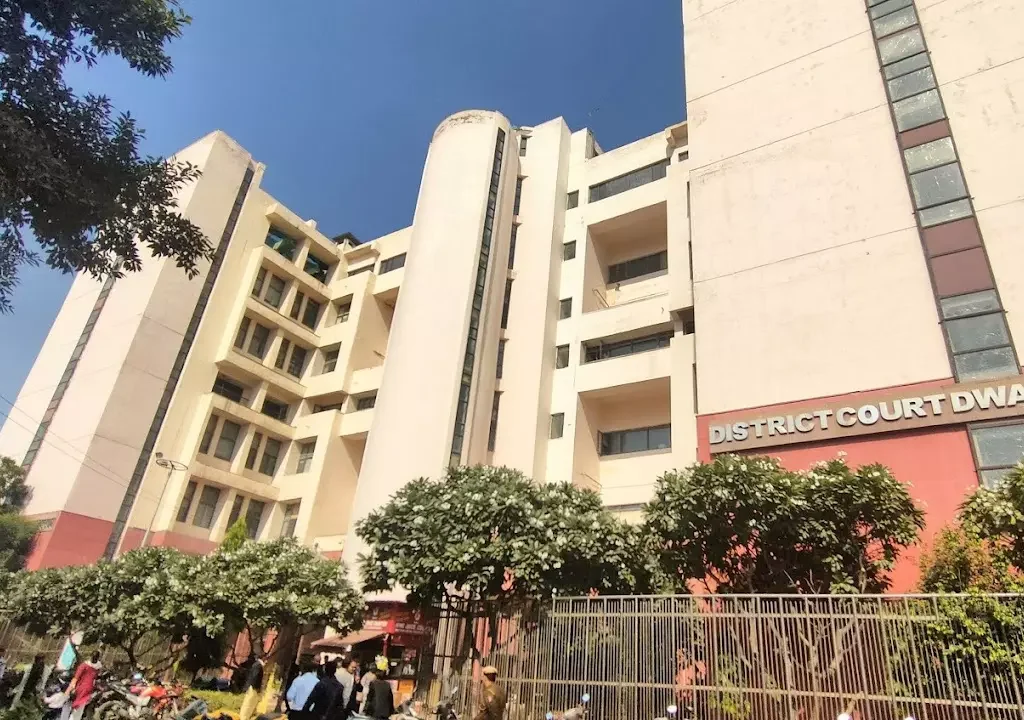
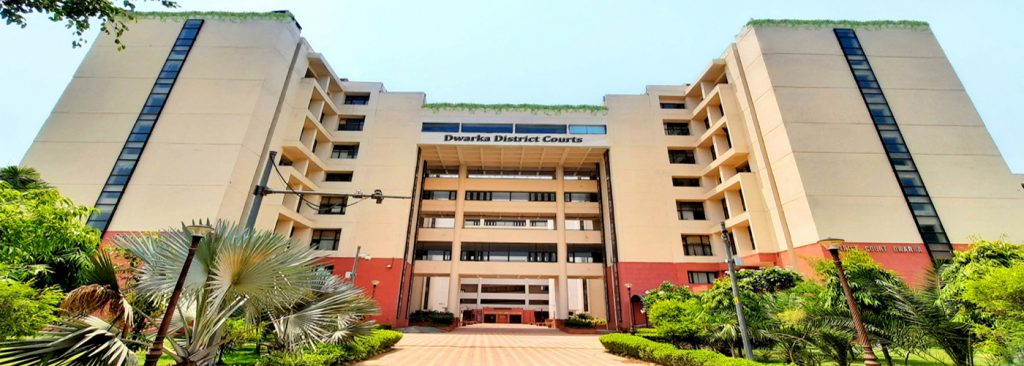
Dwarka Court serves a large population of West Delhi and nearby regions. Clients searching for the best advocate & lawyer in Dwarka Court prefer structured consultation because:
✔ It prevents legal surprises
✔ It builds case strength from the beginning
✔ It improves chances of favorable outcomes
✔ It gives confidence before litigation
Our consultation approach is practical, honest, and strategy-driven. We do not create unnecessary litigation — we create legal solutions.
💼 Experience Matters
With 18+ years of experience in Dwarka Court, handling diverse litigation across civil, criminal, banking, and matrimonial cases, I understand:
• Courtroom psychology
• Judge expectations
• Procedural technicalities
• Practical litigation strategy
That insight helps clients make informed decisions — not emotional ones.
Conclusion
Consultation is not an expense. It is an investment in clarity.
It is a shield before the sword.
It is preparation before litigation.
Choosing legal consultation in Dwarka Court reflects maturity, responsibility, and strategic thinking. It saves time, money, and energy — while giving you a powerful roadmap toward your legal goals.
📞 Book Your Legal Consultation Today
If you are facing legal challenges in Dwarka, Janakpuri, Vikaspuri, Najafgarh, Uttam Nagar, Bindapur, Samalka, or Kapashera — take the proactive step.
Consult before you proceed.
📲 Call Now: +91-9899085554
📲 Alternate Contact: +91-9811885554
Adv. Ankit Gaurav Kainth
Dwarka Court, New Delhi
Your clarity begins with the right consultation.
Follow Our Blogs on :- https://ankitgauravkainth.in/blog/
https://share.google/coGZLWc3QINJae9ju
https://www.instagram.com/reel/DUni6imCSHB/?utm_source=ig_web_copy_link&igsh=MzRlODBiNWFlZA==