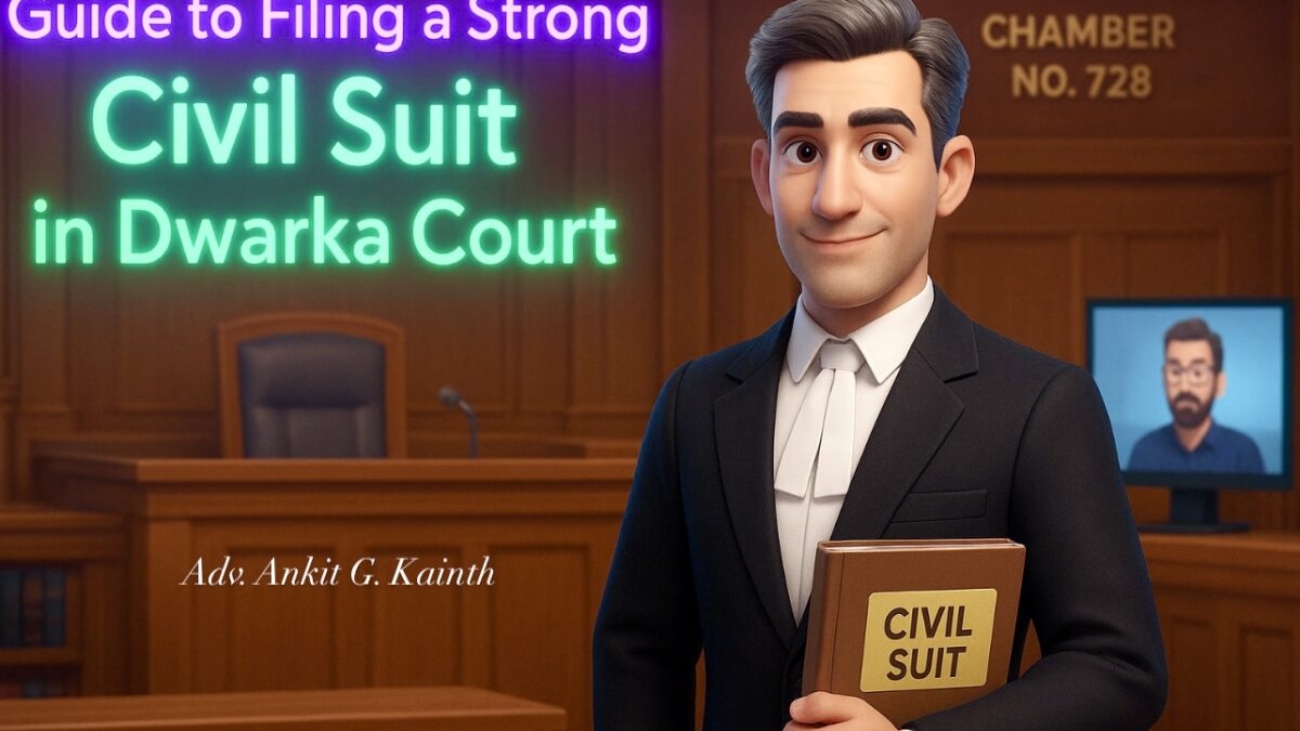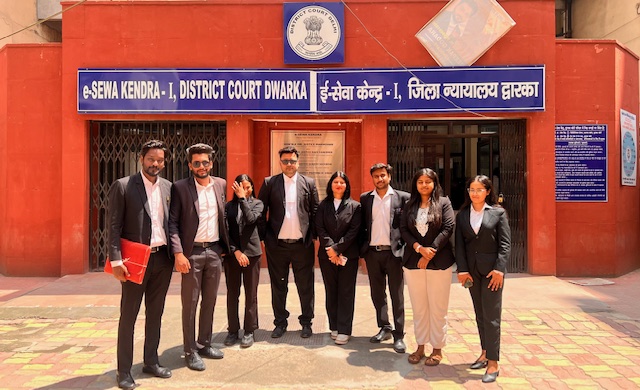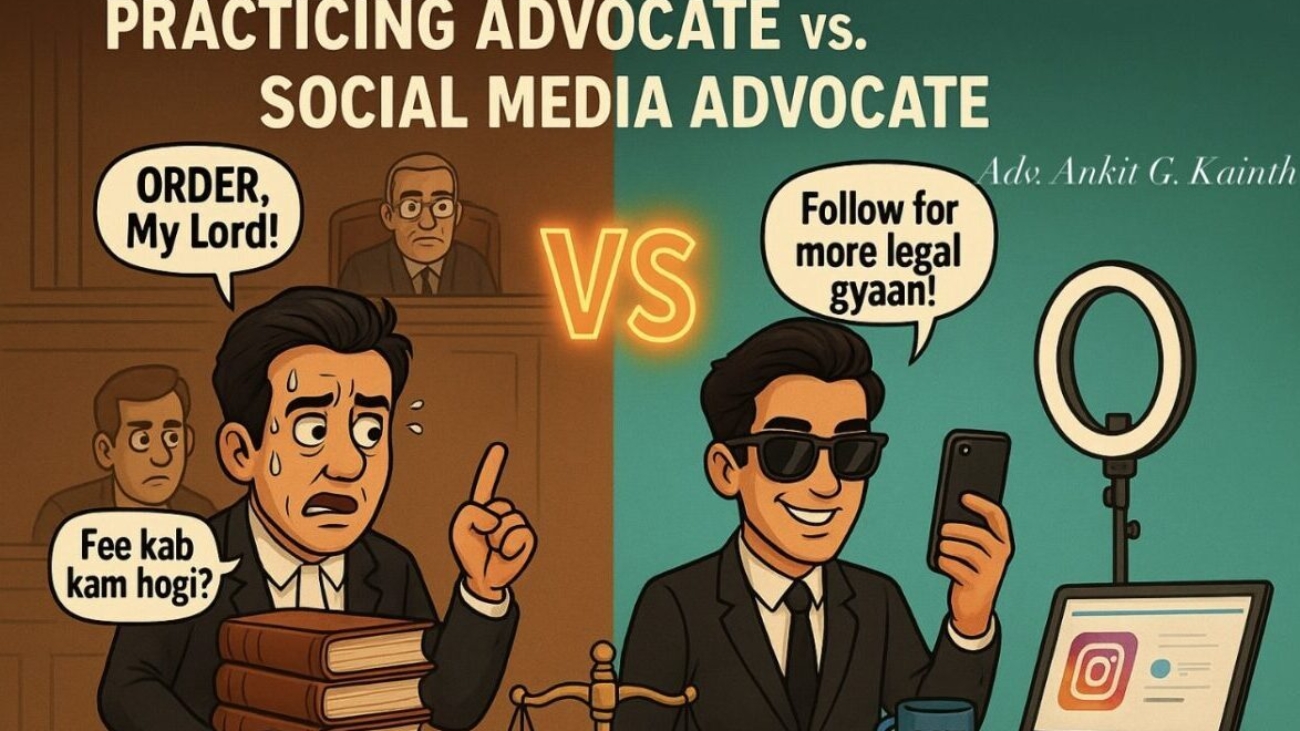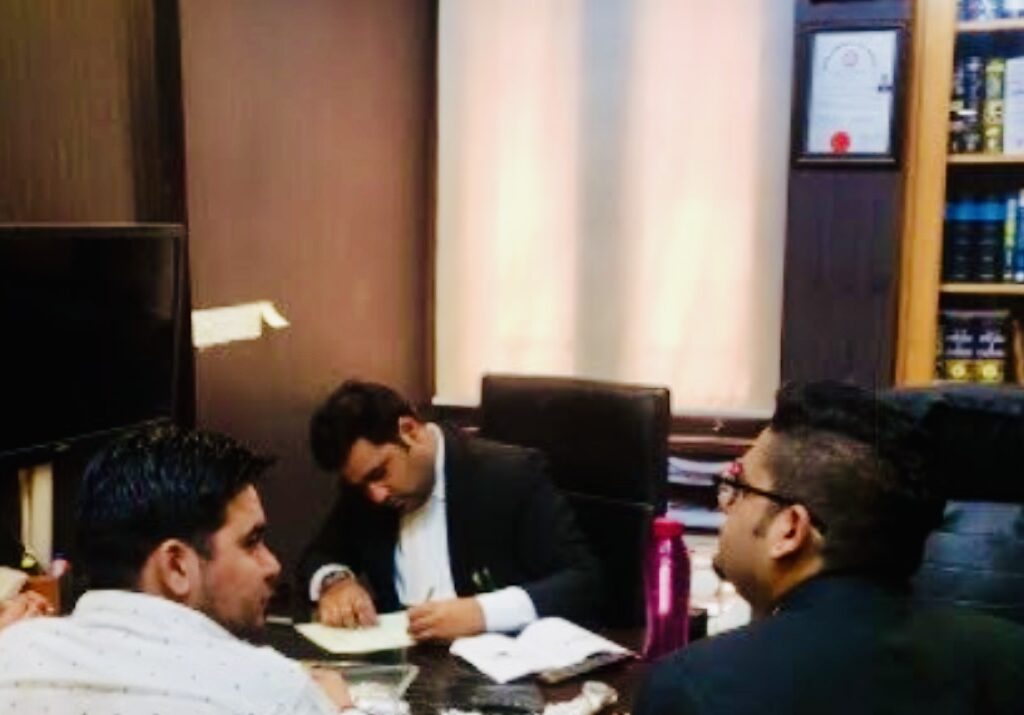


Best-Advocate-in-Dwarka-Court

📜 Modes of Service of Summons in Court – A Complete Practical Guide for Litigants of Dwarka Court, Sector-10, New Delhi

Best Law Firm Dwarka
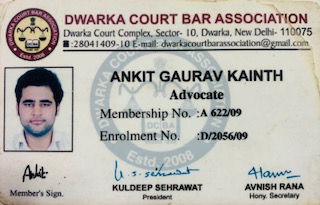
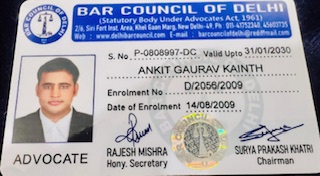
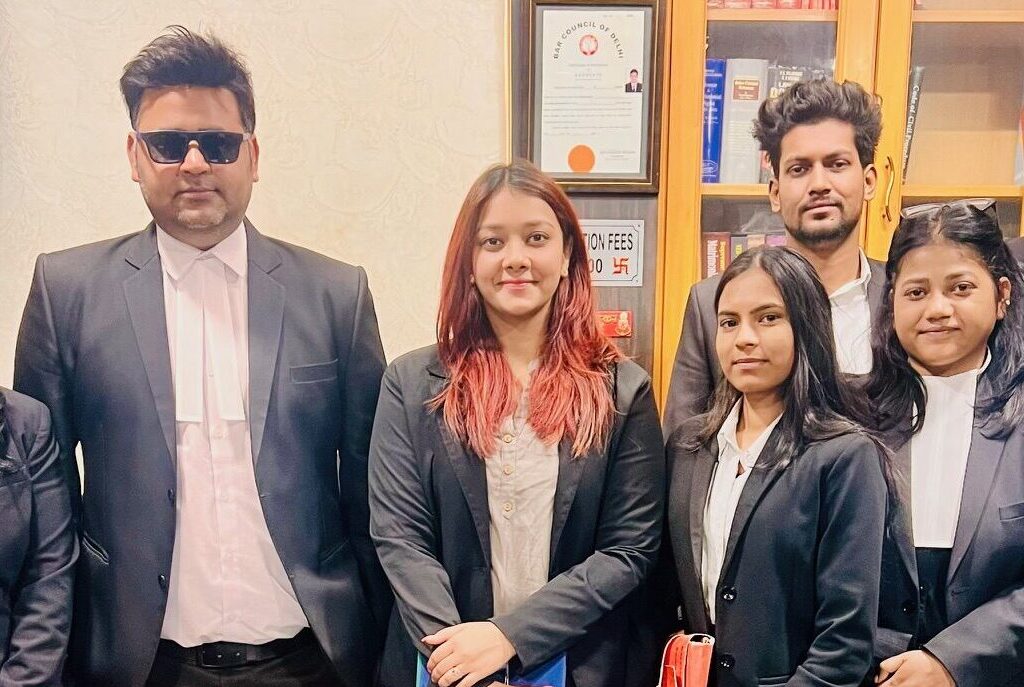
Advocate in Dwarka Court Bar ID card

Service of summons is the foundation of every judicial proceeding in Dwarka Court. No civil or criminal case can effectively proceed unless the opposite party is duly served and given a fair opportunity to appear before the court. The entire object of service is to ensure knowledge of the case, not to defeat justice by technical objections. Over time, Indian courts have evolved from rigid traditional methods to modern, technology-driven modes of service, ensuring speed, transparency, and accountability.

This article explains the legally recognized modes of service of summons, commonly used in district courts, including Dwarka Courts, in a practical and easy-to-understand manner.


📱 Service of Summons through WhatsApp to the Party- Dwarka Court

With the growing misuse of avoidance tactics by defendants, courts have acknowledged WhatsApp service as a valid and effective mode of service.

When summons are sent to the mobile number of the concerned party, and the message shows double tick (✓✓), service is treated as complete. It is important to note that blue tick is not mandatory. The purpose of law is not to insist on proof of reading, but proof of delivery.

Screenshots showing:
Mobile number
Date and time of delivery
Double tick confirmation

are placed on court record. This method is now widely accepted as it prevents deliberate evasion and ensures speedy progress of the case.

Criminal lawyer in dwarka court
Criminal Lawyer in Dwarka court

👨‍⚖️ Service of Summons through WhatsApp to Counsel-Dwarka Court

Courts also recognize service through WhatsApp to the Advocate of the opposite party, especially when the counsel has already appeared or is known to represent the party.

Service to counsel is considered valid intimation because an advocate is duty-bound to inform his client about court proceedings. This mode reduces unnecessary adjournments, saves court time, and promotes professional accountability.


📄 Dasti Service of Summons-Dwarka Court

Dasti service refers to personal service of summons directly handed over to the opposite party by the serving party, with prior permission of the court.

This mode is commonly used in urgent matters such as:
Interim relief applications
Injunction matters
Maintenance and domestic violence cases

Once served, the serving party files an affidavit or report confirming delivery. Dasti service is fast, reliable, and minimizes procedural delay.


🏠 Service of Summons by Affixation

When the opposite party deliberately avoids service or remains unavailable despite repeated attempts, courts may order service by affixation.

Under this mode:
Summons are affixed at the last known residential or business address
Affixation is done at a conspicuous place
The process server files a detailed report

Affixation is treated as valid service once the court is satisfied that avoidance was intentional.


⚖️ Importance of Proper Service of Summons

Improper or defective service can delay proceedings and may even render subsequent orders vulnerable to challenge. Hence, courts focus on effective service rather than mere formality. The trend clearly shows that substance prevails over technical objections.

A party cannot take advantage of its own wrong by deliberately avoiding service.


⚖️ Conclusion

Modern courts have adapted to practical realities by recognizing electronic service, including WhatsApp, alongside traditional methods like Dasti service and affixation. These modes ensure that justice is not stalled by procedural abuse.

For litigants, understanding the correct mode of service is crucial. For advocates, selecting the most effective mode saves time, cost, and unnecessary litigation.

📌 Consult an experienced advocate to determine the most suitable mode of service based on the facts of your case and court practice.

Contact me for Consultation :- 9899085554, 9811885554

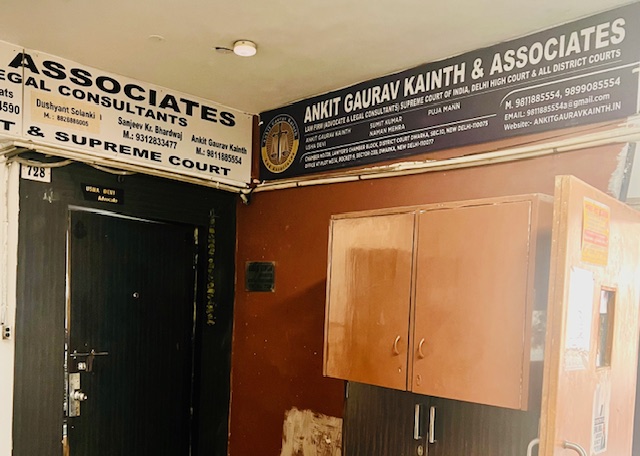
Ankit Gaurav Kainth Advocate, Dwarka Court, Chamber No.728, 7th Floor, Dwarka, New Delhi

https://share.google/4r7kHm3s4da3OS9rS

Our Business Profile Link :-

https://share.google/ywohvkWHTpzh387qV

https://jsdl.in/DT-23EJAE2U

Advocate-in-dwarka-court-sector10-delhi

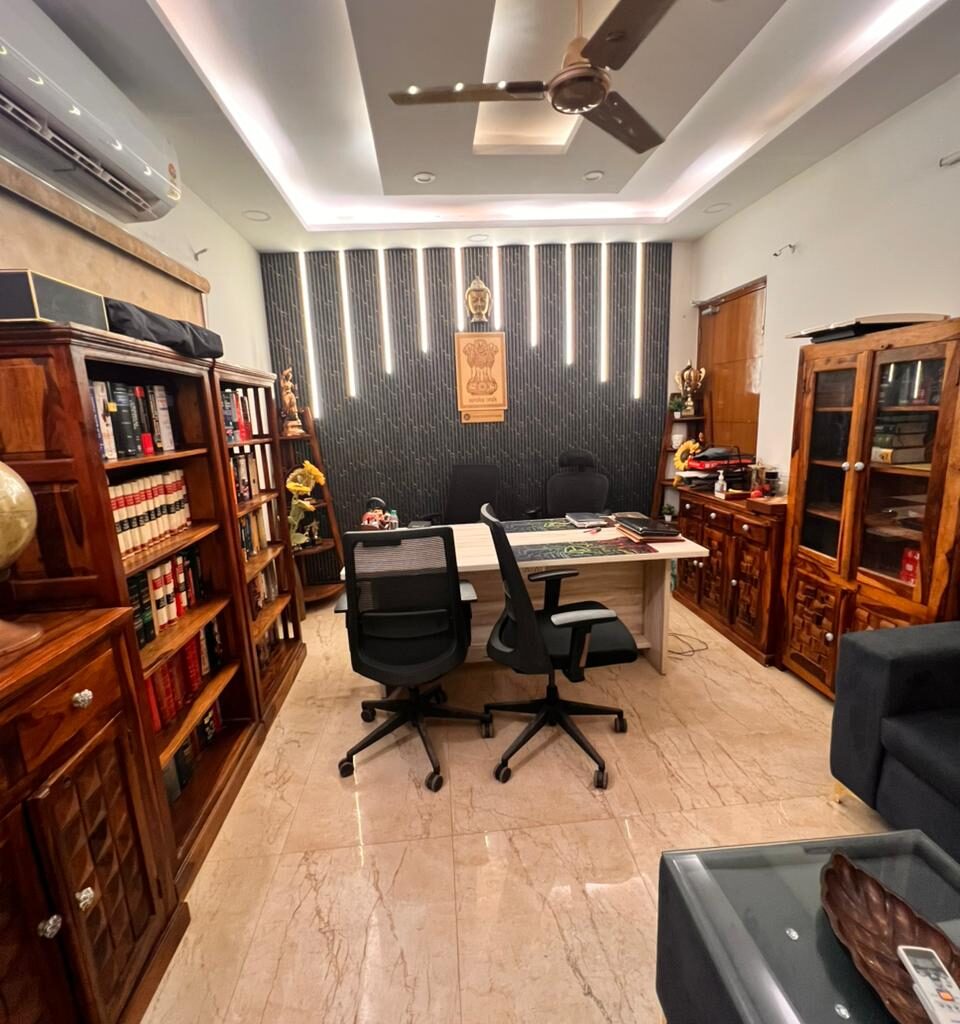
Ankit Gaurav Kainth & Associates – Your Trusted Legal Partner at Dwarka Court, Sector-10, New Delhi

civil advocate in Dwarka court
Best Advocate in Dwarka court

https://share.google/EtOoXUy9k22q3TnnT

Welcome to the professional legal space of Ankit Gaurav Kainth & Associates, a premier law firm based in Dwarka Sector-10, New Delhi with a strong footprint in Dwarka District Court litigation. With decades of courtroom experience, a client-centered approach, and a track record of handling complex legal matters, we are committed to providing reliable, effective, and result-driven legal services to individuals, families, and businesses across Delhi and beyond. 

Our Google Business Profile – A Window Into Who We Are

Our Google Business Profile gives clients a clear view of our location, services, contact details, and professional identity. Clients can easily find:

  • Our chambers at Dwarka District Court, Chamber No. 728, Sector-10, Dwarka, New Delhi – a central hub for litigating cases across civil, criminal, family, property, and recovery matters.  
  • Contact numbers and details to book consultations, ask queries, or plan case strategy discussions.  
  • A snapshot of who we are as a firm — dedicated, experienced, and approachable for both new and returning clients.  

Our Google Business profile is more than a listing — it reflects our commitment to transparency, availability, and clear communication with those who seek legal assistance. You can find directions, hours, and contact details all in one place, helping you reach out to us easily whenever legal guidance is required. 

18+ Years of Legal Excellence

At the heart of the firm is Advocate Ankit Gaurav Kainth, a seasoned lawyer with over 18 years of dedicated practice in litigation. Throughout nearly two decades, he has built a reputation for dependable counsel, effective courtroom advocacy, and client-focused service. 

His journey in law has been shaped by deep involvement in varied legal matters — from civil disputes and criminal defense to family law and property litigation. With consistent performance in courts and a nuanced understanding of India’s legal system, Advocate Kainth has become a trusted name for many who walk through the doors of Dwarka District Court. 

Clients who have worked with him often speak about his analytical skills, ethical approach, and dedication to pursuing justice with integrity. These qualities set the foundation for every case the firm takes on. 

Best advocate dwarka
Advocate Dwarka

What Your Firm Offers – Areas of Expertise

With a strong presence in and around Dwarka Court, Ankit Gaurav Kainth & Associates covers a broad spectrum of legal services, including:

📌 Civil Litigation

Whether it’s breach of contract, recovery claims, or disputes over agreements, our team works to protect your rights and secure favorable outcomes. 

📌 Criminal Defence

Facing criminal charges can be overwhelming. We ensure robust representation and strategic defense to safeguard your freedoms and legal rights. 

📌 Matrimonial & Family Law

Divorce, custody, maintenance, domestic disputes — family matters are sensitive and complex. We handle them with legal precision and personal care, guiding clients through each step. 

📌 Property & Real Estate Disputes

From title issues to property claims, we provide dependable counsel in resolving disputes efficiently and with minimal stress. 

📌 Financial & Recovery Matters

Our firm handles cheque-bounce cases, recovery suits, and financial claims with a keen eye on legal strategy and client goals. 

Criminal Appeal Advocate Dwarka

How We Assist Clients at Dwarka Court

Dwarka District Court sees a high volume of cases in civil, criminal, and family law — and our firm is well-established there. When you approach us:

✔️ You receive personalized attention: We evaluate the specifics of your case and suggest practical, realistic legal options. 

✔️ We prepare a solid case strategy: From documentation to filing, hearings, and court appearances, our team handles the legal process thoroughly. 

✔️ Communication is clear and continuous: We believe clients should understand every step of their legal journey. 

✔️ We defend your rights with determination: Whether negotiations or courtroom battles, we advocate passionately for your interests. 

Best Advocate in dwarka court

Your Legal Needs, Our Priority

At Ankit Gaurav Kainth & Associates, every client matters — whether you’re facing a minor dispute or a major litigation challenge. Our Google Business Profile reflects this commitment: precise information, ease of access, and a professional presence that aligns with the trust clients place in us. 

If you’re seeking experienced lawyers who understand the legal landscape of Dwarka Court, Ankit Gaurav Kainth & Associates is here to support, guide, and represent you with integrity and determination. Reach out today, and let us be your legal partner in the journey ahead. 

FOR CONSULTATION CALL OR WHATAPP US ON:- 9899085554, 9811885554.

https://jsdl.in/DT-23EJAE2U

FOLLOW US FOR MORE LEGAL UPDATES ON :-

Best-Advocate-in-Dwarka-Court

Advocate in Dwarka Court for Clients from Other Countries & Abroad

Ankit Gaurav Kainth & Associates: 18+ years representing outstation & NRI clients before Dwarka Court with transparency and regular updates.

Why Clients from Other States & Abroad Trust Us ⚖️🌍

With 18+ years of continuous practice in Dwarka Court, our firm understands not only the law but also the practical functioning of local courts, procedures, registry practices, and judicial timelines. This experience enables us to efficiently represent clients who cannot remain physically present in Delhi.

Many of our clients are:

  • From other Indian States
  • NRIs / Overseas Indians
  • Professionals unable to attend court frequently
  • Parties involved in civil, criminal, family, matrimonial, recovery, or appeal matters

Despite the distance, they choose us for our courtroom presence, accountability, and clarity of advice.

Can Clients from Other States or Countries Engage an Advocate in Dwarka Court? ✅

Yes. Indian law permits any client, regardless of location, to engage an advocate practicing in the concerned court. After proper authorization through vakalatnama and documents, we can:

  • Appear before Dwarka District Court on your behalf
  • File, argue, and pursue your matter
  • Coordinate procedural compliances
  • Keep you informed without requiring frequent travel

Your physical presence is required only when legally necessary.

How Our 18+ Years of Experience Benefits You 🏛️

Our long-standing practice in Dwarka Court means:

  • Deep familiarity with court procedures & filing systems
  • Practical understanding of judicial expectations
  • Efficient handling of adjournments, evidence, and arguments
  • Better anticipation of case timelines and outcomes

This experience reflects reliability, consistency, and trust, which is why clients continue to engage us even from outside Delhi and India.

Transparent Consultation & Clear Fee Structure 💼💬

We follow a clear and professional consultation process:

  • Honest assessment of your case
  • Explanation of legal options, risks, and strategy
  • Clear discussion of professional fees and scope of work
  • No false promises or unrealistic assurances

Transparency is the foundation of our professional relationship with clients.

Regular Case Updates & Open Communication 📞📧📄

One of the biggest concerns for out-of-station or overseas clients is lack of information. We address this through:

  • Regular updates after every hearing
  • Sharing of court orders and developments
  • Communication via phone, email, WhatsApp, or video calls
  • Timely responses to client queries

You remain informed and involved, irrespective of distance.

Secure Handling of Documents & Confidentiality 🔒📁

All documents shared with us—physically or digitally—are handled with strict confidentiality. Client privacy and data security are treated as a professional obligation and ethical duty.

Types of Matters We Commonly Handle for Out-of-State Clients 📑⚖️

  • Civil suits & recovery matters
  • Criminal cases & bail matters
  • Matrimonial & family disputes
  • Cheque bounce cases
  • Appeals & revisions
  • Execution proceedings

Each case is managed with personal attention and court-specific strategy.

Why Choose Ankit Gaurav Kainth & Associates? ⭐

✔️ 18+ years of Dwarka Court practice

✔️ Experience with clients across India & abroad

✔️ Personal court appearances

✔️ Transparent working & fees

✔️ Regular updates & communication

✔️ Professional and ethical approach

Looking for a Trusted Advocate in Dwarka Court?

If your case is pending before Dwarka District Court, New Delhi, and you are based outside Delhi or abroad, you can confidently engage Ankit Gaurav Kainth & Associates for professional representation backed by experience, transparency, and consistent communication.

📍 Dwarka Court, Sector-10, New Delhi

📞 Consultation by prior appointment-9899085554, 9811885554.

https://share.google/ssqgLs0a1LS5L9K1U

Bestadvocateindwarkacourt

🏛️ How to File a Perfect Plaint in a Civil Suit in District Court Dwarka

A Step-by-Step Practical Guide by an Advocate with 18+ Years of Experience in Dwarka Court

Filing a civil suit is not merely a formality of drafting papers and submitting them in court. A perfect Plaint is the foundation of your entire civil litigation. In my 18+ years of practice as an Advocate in Dwarka Court, Sector-10, New Delhi, I have seen excellent cases fail only because the Plaint was poorly drafted, casually structured, or legally incomplete.

This guide is written from ground-level experience of District Court Dwarka, and not from theory books. If you want your civil case to survive objections, scrutiny, and trial, this guide is for you.

🗺️ 1️⃣ First Make a Flawless Site Plan – The Soul of a Civil Suit

Before drafting even a single line of the Plaint, prepare a clear, accurate and detailed Site Plan.

⚠️ One of the biggest mistakes I see younger advocates make is:

They first draft the Plaint and later adjust the Site Plan to match it.

This approach is completely wrong.

🔑 Site Plan is the soul of your civil suit, especially in:

  • Property disputes
  • Possession suits
  • Injunction matters
  • Partition suits
  • Encroachment cases

The Site Plan must:

✔ Clearly show boundaries

✔ Mention measurements

✔ Indicate directions (North, South, East, West)

✔ Match the title documents exactly

🧠 In my experience at Dwarka District Court, judges first look at the Site Plan, not the Plaint. If the Site Plan is confusing, your case loses credibility from Day One.

✍️ 2️⃣ Draft the Plaint – Precise, Crisp & To the Point

Remember one golden rule:

⚖️ We are Advocates, not poets or novel writers.

A Plaint must be:

✔ Simple

✔ Clear

✔ Direct

✔ Legally relevant

Avoid:

❌ Unnecessary emotional language

❌ Long stories

❌ Repetition of facts

Judges in Dwarka Court handle hundreds of matters daily.

Don’t make your Plaint a puzzle for the judge.

Use simple legal language, short paragraphs, and clear cause of action.

⏳ 3️⃣ Maintain Proper Hierarchy of Events

Every civil suit stands on chronology.

📌 Events must be written:

  • In proper date order
  • Without contradiction
  • Without jumping back and forth

Each paragraph should deal with one event only.

⚠️ Mixing timelines is a common drafting defect that leads to:

  • Objections
  • Confusion
  • Weak cross-examination

From my long practice as a Best Advocate in Dwarka Court, I can confidently say:

A well-ordered sequence of events itself convinces the court.

🏠 4️⃣ Clear Description of Property – No Ambiguity Allowed

Property description must be:

✔ Exact

✔ Identical to documents

✔ Free from assumptions

It must match:

  • Sale Deed
  • GPA
  • Will
  • Agreement to Sell
  • Previous court orders

Even a small mismatch in area, floor, or boundary can destroy your case during evidence.

Judges in Dwarka District Court Sector-10 are very strict about property descriptions.

📑 5️⃣ Jurisdiction – Territorial & Pecuniary Must Be Correct

Always check:

✔ Whether Dwarka Court has territorial jurisdiction

✔ Whether valuation is correct

Wrong jurisdiction = rejection or return of Plaint.

As an experienced Advocate in Dwarka Court, I always advise clients to verify jurisdiction before filing, not after objections are raised.

🧾 6️⃣ Cause of Action – Clearly Defined & Continuing

Your Plaint must clearly explain:

  • When the cause of action arose
  • How it continues
  • Why the suit is maintainable

A vague cause of action is a fatal defect.

💰 7️⃣ Proper Valuation & Court Fees

Incorrect valuation is one of the most common objections raised in civil suits at Dwarka Court.

Ensure:

✔ Correct relief valuation

✔ Correct court fees

✔ Proper stamp

This reflects seriousness and professionalism.

🧠 8️⃣ Relief Clause – Draft with Legal Wisdom

Reliefs should be:

✔ Specific

✔ Enforceable

✔ Supported by facts

Avoid asking for unnecessary or contradictory reliefs.

A good advocate knows what NOT to ask.

📎 9️⃣ Documents – Relevant & Properly Numbered

Attach only:

✔ Relevant documents

✔ Properly indexed

✔ Legible copies

Unnecessary documents only confuse the court.

⚖️ 10️⃣ Final Review – Think Like a Judge

Before filing:

🔍 Read the Plaint like a judge

🔍 Identify gaps

🔍 Remove repetitions

This habit, developed over 18+ years of practice in Dwarka District Court, separates an average advocate from a best advocate in Dwarka Court.

⭐ Final Words from Experience

A perfect Plaint saves years of litigation.

In my long professional journey at District Court Dwarka, Sector-10, New Delhi, I have learned that:

Strong drafting wins half the case even before evidence begins.

If you want your civil suit to stand strong, invest time in drafting, planning, and precision.

🔎 

#BestAdvocateinDwarkaCourt

#CivilSuitAdvocateinDwarkaCourtSector-10

#HowtofilePlaintinDwarkaCourt

#Experienced Advocate in Dwarka District Court

#CivilCaseDraftingExpertDwarkaCourt

https://www.threads.com/@ankit_gaurav_kainth_advocate/post/DWLPcpPmvDURdiiZ-q-N-p6IC9I4RKhAGUR5O00?xmt=AQF0b2akcw_QGK9ku-7cPVIXPUfNG6or_bYEyxT9Tkefpg

Best Advocate in Dwarka Court

Common Mistakes Sometimes Judges Do While Passing Interim Orders under Order 39 Rule 1 & 2 CPC – Practical Insights from 18+ Years of Court Experience in Dwarka Court

Applications under Order 39 Rule 1 & 2 of the Code of Civil Procedure in Dwarka Court, 1908 are among the most frequently moved applications in civil litigation, particularly in property disputes. The purpose of such applications is simple yet critical—to protect the subject matter of the suit and prevent irreparable loss until final adjudication.

However, in actual court practice, it is often seen that interim injunction orders, though well-intended, sometimes become ineffective, ambiguous, or practically unenforceable. This happens not only due to haste or heavy judicial workload, but also because of unclear pleadings, vague prayers, and improper assistance by litigants or advocates.

Based on my 18+ years of continuous practice in civil courts, I have observed some recurring mistakes which substantially dilute the effectiveness of interim orders.

Criminal lawyer in dwarka court

1. Failure to Clearly Specify the Implementing Authority

One of the most common and practical mistakes is passing an injunction order without naming the authority responsible for its implementation.

Orders often state “police assistance be provided” or “concerned police to ensure compliance”. In reality, unless the order clearly directs the SHO or DCP of the concerned police station by name or designation, police authorities hesitate to act due to fear of departmental consequences.

In my experience, such vague directions result in litigants repeatedly approaching courts for “clarifications”, thereby defeating the very purpose of interim relief.

2. Absence of Restraint on Creation of Third-Party Interest

Another serious error is failing to restrain defendants from creating third-party rights.

Many interim orders only mention “status quo be maintained” without specifically restraining sale, transfer, alienation, lease, or creation of third-party interest. Defendants often exploit this ambiguity by executing documents, creating possession rights, or transferring interests, which leads to multiplicity of proceedings.

From long-standing court practice, it is clear that every injunction in property matters must specifically bar third-party interest, otherwise the order becomes toothless.

Best advocate dwarka
Advocate in Dwarka Court

3. Site Plan and Injunction Order Not Correlated

In property disputes, the site plan is the backbone of interim relief. Yet, many injunction orders fail because the restrained portion mentioned in the order does not clearly match the site plan on record.

If the site plan is vague, unnumbered, or unclear, and the order restrains interference in “portion shown in red colour” without clarity, such orders become impossible to enforce on ground. My experience suggests that courts must ensure that the site plan and operative directions are perfectly aligned.

4. No Clear Findings on the Three Essential Ingredients

Order 39 injunctions must necessarily be based on:

  • Prima facie case
  • Balance of convenience
  • Irreparable loss

However, at times interim orders are passed without recording clear findings on these three essentials. Such orders are highly vulnerable in appeal and often get stayed or set aside by appellate courts.

advocate in Dwarka Court
Advocate in Dwarka Court

5. Casual Use of the Term “Status Quo”

The expression “status quo” is one of the most misused terms in interim orders. Status quo regarding what—possession, construction, title, nature of property, or revenue record?

Without clarity, parties interpret the order conveniently, resulting in allegations of violation and contempt petitions.

6. Failure to Fix Timeline or Next Date

Another practical issue is grant of interim relief without fixing timelines for compliance or further hearing. This creates uncertainty and encourages misuse of interim protection for prolonged periods.

7. Ignoring Ground Realities and Documents

Photographs, revenue records, electricity bills, and municipal documents often reflect the real status of property. Ignoring these while passing interim orders sometimes results in orders disconnected from ground realities, leading to unnecessary execution problems.

What 18+ Years of Experience Suggest

My experience clearly suggests that an interim injunction is not merely a legal formality but a practical tool. Precision in drafting, clarity in directions, and enforceability on ground are essential. Courts and advocates must remember that a vague interim order creates more litigation than it resolves.

A well-drafted and well-reasoned interim order saves judicial time, protects rights, and maintains faith in the justice delivery system.

Conclusion

Interim orders under Order 39 Rule 1 & 2 CPC must be clear, specific, and executable. Any ambiguity regarding authority, property identification, scope of restraint, or duration weakens the order and defeats its purpose. Justice is not only about passing orders—it is about passing orders that actually work.

SEO

  • Common Mistakes in Interim Injunction Orders under Order 39 CPC
  • Order 39 Rule 1 & 2 CPC: Practical Problems in Interim Stay Orders
  • Why Interim Injunction Orders Fail in Property Disputes
  • Advocate’s Guide to Effective Interim Orders under CPC
  • Common Errors in Temporary Injunction Orders Explained by Senior Advocate

https://www.linkedin.com/embed/feed/update/urn:li:share:7411617339345141760

https://share.google/sTqVWmkTVmsy9Sve3

Best Advocate in Dwarka Court

How to Search the Best Advocate in Dwarka Court, Sector-10, Delhi?

Top Advocate in Dwarka Court

A Practical & Experienced Client Guide by Advocate in Dwarka Court who is dealing in Civil, Criminal and Matrimonial cases from more than 18+ years in District court Dwarka, New Delhi by Best Advocate in Dwarka Court.

Choosing the right advocate is one of the most crucial decisions in any legal dispute. Whether your matter relates to civil litigation, criminal defence, cheque bounce, matrimonial disputes, property matters, or commercial cases, the quality of legal representation directly affects the outcome. Dwarka Court, Sector-10, New Delhi is one of the busiest district courts in Delhi, housing multiple courts and thousands of advocates. For a client, this abundance often creates confusion rather than clarity, by Best Advocate in Dwarka Court.

This guide explains how a client can genuinely identify the best advocate in Dwarka Court, based on practical parameters and what 18+ years of court experience truly reveals.

1. Check Advocate’s Pending & Disposed Cases in Dwarka CourtBest Advocate in Dwarka Court

Before engaging any advocate, clients should verify their pending and disposed-off cases through the official eCourts portal. An advocate who regularly appears in Dwarka Court will have a visible litigation footprint. Disposed cases reflect courtroom experience, while pending matters show ongoing practice and engagement.

👉 What 18+ years of experience says:

A seasoned advocate maintains a balanced docket—neither overloaded nor inactive—ensuring proper attention to each case.

2. Review Previous Case Orders & JudgmentsBest Advocate in Dwarka Court

Clients should search for previous case orders argued by the advocate. These orders reveal the advocate’s drafting skills, understanding of law, and ability to persuade the court. Well-reasoned orders in favour of clients reflect sound legal strategy.

👉 Experience insight:

Judgments don’t lie. Years in court teach that solid preparation and legal clarity leave a permanent mark in judicial orders.

3. Advocate’s Chamber & Office Should Be in Dwarka CourtBest Advocate in Dwarka Court

An advocate having a chamber and office within Dwarka Court, Sector-10 offers significant advantages—easy accessibility, regular court presence, familiarity with court staff, filing counters, and procedural nuances.

civil advocate in Dwarka court
Civil advocate in Dwarka court

👉 From experience:

Local presence saves time, avoids delays, and ensures better coordination—especially during urgent hearings.

4. Prefer 15+ or 18+ Years of ExperienceBest Advocate in Dwarka Court

Experience matters immensely in litigation. An advocate with 18+ years of experience has witnessed changes in law, judicial mindset, procedural reforms, and evolving litigation trends. Such advocates can anticipate challenges before they arise.

👉 What 18+ years teaches:

Law is not just sections—it is timing, presentation, patience, and strategy. Experience teaches when to argue, when to negotiate, and when to wait.

5. Team Strength & Office InfrastructureBest Advocate in Dwarka Court

Modern litigation demands teamwork. A strong legal team ensures timely filings, research support, case tracking, and effective client communication. Team strength reflects the advocate’s seriousness and professionalism.

👉 Practical wisdom:

Behind every successful court argument is a prepared team working in coordination.

6. Professionalism, Ethics & TransparencyBest Advocate in Dwarka Court

Clients must observe the advocate’s professional conduct—punctuality, clear advice, transparency in fees, and ethical practice. Avoid advocates who guarantee results or mislead clients.

👉 Experience lesson:

Honest advice, even if difficult, protects clients in the long run and builds lasting trust.

7. Specialization in Your Type of CaseBest Advocate in Dwarka Court

Not every advocate handles every type of matter with equal expertise. Clients should choose advocates specializing in their legal issue—civil suits, criminal defence, matrimonial disputes, cheque bounce cases, property matters, etc.

👉 Court reality:

Specialization improves efficiency, confidence, and success rate.

8. Client Reviews & Reputation

Online reviews, word-of-mouth references, and courtroom reputation matter. An advocate respected by peers and judges reflects credibility and consistent conduct.

👉 Experience speaks:

Reputation is earned case by case, year by year—never overnight.

9. Communication & Regular Case Updates

A good advocate keeps clients informed, explains legal developments in simple language, and remains accessible for queries.

👉 From long practice:

Clients don’t fear cases—they fear uncertainty. Clear communication reduces stress and builds confidence.

Conclusion

Searching for the best advocate in Dwarka Court, Sector-10, Delhi requires careful evaluation—not impulse decisions. Checking case records, experience, professionalism, local presence, and ethical conduct ensures that your legal matter is handled competently.

An advocate with 18+ years of experience understands not only the law, but the courtroom, the system, and the client’s expectations. Such experience transforms legal representation from mere advocacy into strategic guidance.

Make an informed choice—because your case deserves nothing less than experience, integrity, and dedication.

https://www.linkedin.com/embed/feed/update/urn:li:share:7411035000114098177

FOLLOW US FOR MORE UPDATES ON :-

https://www.threads.com/@ankit_gaurav_kainth_advocate?igshid=NTc4MTIwNjQ2YQ==

https://www.linkedin.com/in/ankitgauravkainthandassociates?utm_source=share_via&utm_content=profile&utm_medium=member_ios

https://maps.app.goo.gl/rEdAYVSx4FXy1TpN8?g_st=ic

https://youtube.com/@ankitgauravkainth?si=xaY-mL7ZkQH5MGtz

Injunction Expert in Dwarka Court

Injunctions & Judge ki Marzi? In Dwarka Court…

“Mann Kiya Toh Stay, Warna… Next Date Par Dekhte Hain” ⚖️😄 in Dwarka Court

(Insights from 18+ years of courtroom experience)

Civil courts mein agar sabse zyada suspense kisi cheez ka hota hai, toh woh hai — temporary injunction.

Client ke liye ye oxygen hoti hai, advocate ke liye acid test, aur Judge ke liye… ek pure discretion ka exercise.

18+ saal court mein practice karne ke baad main itna zaroor keh sakta hoon —

👉 Injunction koi automatic right nahi hai.

👉 Jaise bail discretionary hoti hai, waise hi stay bhi discretionary hota hai.

Par ground reality ko thoda honest aur thoda humorous tareeke se samajhna zaroori hai.

“Same Facts, Same Law… Bas Judge Alag”

Top Advocate in Dwarka Court

Kabhi aisa hota hai ki:

  • Strong prima facie case
  • Clear balance of convenience
  • Irreparable loss clearly shown

Aur phir bhi Judge sahab calmly bol dete hain:

🗣️ “Pehle pleadings complete karo.”

Aur kabhi bilkul wahi facts, wahi case law, wahi urgency…

🗣️ “Till next date, status quo be maintained.”

Yahin se young lawyers ke mann mein pehla bada sawal paida hota hai:

“Law badal gaya ya Judge ka approach?”

Sach ye hai ki law same rehta hai, par judicial temperament differ karta hai.

Koi Judge status quo dene mein comfortable hota hai, koi misuse se itna concerned hota hai ki stay dena last option bana deta hai.

Civil advocate in Dwarka court

Injunction bhi Bail jaisi hi hai

Jaise bail mein Judge dekhte hain:

  • Liberty vs investigation
  • Gravity of offence
  • Possibility of misuse

Waise hi injunction mein dekha jata hai:

  • Rights vs restraint
  • Urgency vs misuse
  • Equity vs equity

Isliye ye maanna galat hai ki “stay toh milna hi chahiye.”

Court ka perspective hota hai:

👉 “Agar maine stay de diya aur suit hi misuse nikla toh?”

Order Padhkar Kabhi-kabhi Advocate Bhi Sochta Hai…

Kabhi order aata hai aur usme likha hota hai:

📄 “Learned counsel has argued that…”

Aur advocate quietly apne junior se poochta hai:

“Maine ye argue kiya tha kya?” 😄

Yeh koi disrespect nahi, balki judicial writing ka practical side hai. Judge har submission ko apne judicial lens se summarize karta hai. Advocate ko yahan ego nahi, clarity aur maturity rakhni chahiye.

Clients ki Expectations vs Court ki Reality

Client ko lagta hai injunction ek switch hai:

🟢 File karo → Press karo → Stay mil gaya

Reality mein:

🔴 Judge bole: “Notice issue karo”

🔴 “Reply aane do”

🔴 “Next date”

Aur wo “next date” aksar client ke liye emotional test ban jaati hai.

Yahin advocate ka role sirf arguing ka nahi hota, balki expectation management ka hota hai.

18+ saal ke experience se ye seekha hai ki:

👉 Jo advocate pehle din hi client ko reality bata deta hai, wahi long-term trust bana pata hai.

My Balanced Suggestions from Experience

Is article ka maksad system ko blame karna nahi, balki system ko samajhna hai.

✔ For Young Advocates:

  • Har injunction application ko emergency surgery mat samjhiye
  • Judge ki approach, roster aur past trend ko samjhiye
  • Stay na mile toh confidence lose mat kijiye

✔ For Clients:

  • Injunction guarantee nahi hoti
  • Judge aapke dard se zyada systemic balance dekhta hai
  • Advocate ki advice par patience rakhiye

✔ For Drafting & Arguments:

  • Over-dramatization avoid karein
  • Facts ko clean, crisp aur honest rakhein
  • Har cheez ko “irreparable loss” batane se credibility kam hoti hai

Judge ki Marzi? Ya Judicial Conscience?

Courtroom ke bahar hum mazaak mein bol dete hain —

“Judge ki marzi.”

Par sach ye hai ki ye marzi bhi law ke framework ke andar hoti hai.

Judges bhi pressure, pendency aur misuse ke darr ke saath decisions lete hain.

Isliye jab stay na mile:

👉 Order ko samjhiye

👉 Next strategy banaiye

👉 Aur yaad rakhiye — aaj nahi toh kal

Conclusion

Civil litigation ka ye sach accept karna zaroori hai:

  • Injunction ek relief hai, entitlement nahi
  • Discretion ka matlab arbitrariness nahi hota
  • Har “No” final nahi hota

Aur jab next time court se bahar nikalte hue Judge bolein:

🗣️ “Next date par dekhenge”

Toh muskuraiye aur sochiye:

“Shayad next date kisi aur mood mein mil jaaye.” 😄⚖️

That’s litigation. That’s experience. And that’s the real court practice.

🔍 

Search Titles

  • Injunctions in Civil Cases: Judge’s Discretion Explained
  • Temporary Injunctions in India: Legal Reality vs Expectations
  • Why Stay Orders Are Discretionary in Civil Courts
  • Injunction & Bail: Understanding Judicial Discretion
  • Practical Guide on Temporary Injunctions by Senior Advocate

🏷️ 

Hashtags

#Injunction #TemporaryInjunction #CivilLitigation

#JudgeDiscretion #CourtPractice #IndianCourts

#AdvocateLife #LegalHumour #LitigationReality

#StayOrder #LegalExperience #LawPractice

Follow us on LinkedIn :-

https://www.linkedin.com/embed/feed/update/urn:li:share:7408907770810421248

Civil Case Advocate in Dwarka Court

How to Get Stay / Injunction in Civil Suits in District Court, Dwarka – A Practical Guide by an Advocate with 18+ Years’ Experience

Top Advocate in Dwarka Court
Best Advocate in Dwarka Court

Getting a stay in a civil suit is never easy—especially when urgency is involved in Dwarka Court.

In my 18+ years of active practice before the District Courts, Dwarka, I have seen that many litigants lose crucial rights simply because they approach the court late, or without proper legal strategy.

A stay or injunction order can protect your property, business, possession, reputation, or contractual rights. However, courts grant such relief only when strict legal conditions are fulfilled. This article explains what a stay is, types of injunctions under CPC, when courts grant stay, urgency factors, and how an experienced legal team can help you succeed.

What is “Stay” in a Civil Suit? ⚖️

A stay in a civil suit means temporary suspension or restraint imposed by the court on a party from doing a particular act until final adjudication of the case.

In simple words:

  • ❌ Stop construction
  • ❌ Stop sale/transfer of property
  • ❌ Stop dispossession
  • ❌ Stop coercive recovery
  • ❌ Stop interference in possession or rights

Stay orders are interim protections, not final relief.

Kinds of Stay / Injunction under the Civil Procedure Code (CPC) 📘

Under Order XXXIX Rules 1 & 2 CPC, the court may grant injunctions in the following forms:

1. Temporary Injunction

🔹 Granted during pendency of suit

🔹 Operates till disposal of suit or further orders

2. Ad-Interim (Ex-Parte) Injunction

⚡ Granted without notice to opposite party

⚡ Only in cases of grave urgency

3. Mandatory Injunction

🔁 Directs a party to undo an act already done

🔁 Granted sparingly in exceptional cases

4. Stay of Proceedings

🛑 Court may stay further proceedings in a suit under Section 10 CPC or inherent powers (Section 151 CPC)

What Makes a Judge Grant Stay in Civil Suits? 🧠

Courts across India—including Dwarka District Courts—follow three golden principles, famously known as the “Triple Test”:

✅ 

1. Prima Facie Case

You must show that:

  • Your claim is legally tenable
  • Documents support your version
  • Suit is not frivolous

Mere allegations are not enough.

✅ 

2. Balance of Convenience

Court examines:

  • Who will suffer greater hardship if stay is refused?
  • Whether refusing stay will make the suit infructuous

✅ 

3. Irreparable Loss

Damage that:

  • Cannot be compensated by money
  • Cannot be reversed later

📌 All three conditions must exist simultaneously.

Urgency: When Courts Grant Immediate Stay ⏱️

Courts may grant urgent or ex-parte stay when:

🔥 Imminent illegal dispossession

🔥 Threat of demolition

🔥 Unauthorized construction

🔥 Sale of disputed property

🔥 Breach of contract causing irreversible loss

🔥 Corporate/shareholding manipulation

🔥 Bank recovery or coercive action

🔥 Violation of legal rights overnight

⚠️ Delay defeats equity. Courts frown upon litigants who sleep over their rights.

Important Supreme Court Judgments (Supra) 📚

🔹 Dalpat Kumar v. Prahlad Singh, (1992) 1 SCC 719

Temporary injunction is discretionary and depends upon prima facie case, balance of convenience & irreparable injury.

🔹 Wander Ltd. v. Antox India, 1990 Supp SCC 727

Appellate courts should not interfere unless discretion is exercised arbitrarily.

🔹 Best Sellers Retail v. Aditya Birla Nuvo, (2012) 6 SCC 792

Injunction cannot be granted merely on sympathy or convenience.

🔹 Zenit Mataplast Pvt. Ltd. v. State of Maharashtra, (2009) 10 SCC 388

Conduct of the plaintiff plays a vital role in grant of injunction.

Common Mistakes Clients Make ❌

🚫 Delayed approach to court

🚫 Weak drafting of plaint

🚫 Suppression of facts

🚫 Lack of documents

🚫 Filing without legal strategy

🚫 Approaching multiple forums improperly

How Our Law Firm Assists You in Getting Stay Orders 🤝

With 18+ years of litigation experience in Dwarka Courts, our firm provides:

✔️ Strategic drafting of plaint & injunction application

✔️ Emergency filings & urgent listings

✔️ Strong oral arguments on urgency

✔️ Proper citation of binding judgments

✔️ Court-wise practical knowledge

✔️ Ethical, transparent legal advice

✔️ Dedicated civil litigation team

📍 We understand which arguments work, how judges assess urgency, and when interim relief is realistically possible.

Why Choose Our Firm in Dwarka? ⭐

🔹 Local Dwarka Court expertise

🔹 Result-oriented civil litigation practice

🔹 Strong drafting + courtroom advocacy

🔹 Client-centric approach

🔹 Fast, effective & legally sound remedies

Your civil rights deserve timely protection, not mere paperwork.

Titles 📈

  • How to Get Stay in Civil Suit in Dwarka Court
  • Temporary Injunction in Civil Suits – Advocate Guide
  • Stay Order in Property Disputes Dwarka Court
  • Best Civil Advocate for Injunction in Dwarka

FOLLOW US FOR MORE LEGAL UPDATES :-

https://www.threads.com/@ankit_gaurav_kainth_advocate?igshid=NTc4MTIwNjQ2YQ==

https://www.linkedin.com/in/ankitgauravkainthandassociates?utm_source=share_via&utm_content=profile&utm_medium=member_ios

https://maps.app.goo.gl/rEdAYVSx4FXy1TpN8?g_st=ic

https://youtube.com/@ankitgauravkainth?si=xaY-mL7ZkQH5MGtz

civil advocate in Dwarka Court

Amendment of Plaint under Civil Procedure Code (CPC) Best Tip

A Practical Guide for Civil Suits Pending in District Court, Dwarka (Sector-10), New Delhi

Introduction

In civil litigation, a plaint is the foundation of your case. It sets out the facts, cause of action, reliefs claimed and the legal rights you seek to enforce. However, litigation is a dynamic process. Facts may come to light later, documents may be discovered, or a genuine mistake may be noticed after filing the suit. To address such situations, the Civil Procedure Code, 1908 provides a mechanism for Amendment of Plaint. Amendment of Plaint under Civil Procedure Code (CPC) By an Advocate with 18+ years of experience in Civil Practice, Dwarka Courts

From my 18+ years of practice in District Courts, especially Dwarka Court, Sector-10, New Delhi, I have seen that a timely and well-drafted amendment application often saves a suit from dismissal and helps in real adjudication of disputes rather than technical defeat.

Meaning of Amendment of Plaint

Amendment of Plaint means making additions, deletions, or alterations in the pleadings originally filed before the court. This may include:

  • Correcting clerical or typographical errors
  • Adding new facts or subsequent events
  • Modifying or clarifying existing pleadings
  • Adding or deleting reliefs
  • Correcting description of parties or properties

The objective is to enable the court to determine the real controversy between the parties.

Legal Provision – Order VI Rule 17 CPC

Amendment of pleadings is governed by Order VI Rule 17 CPC, which states:

“The Court may at any stage of the proceedings allow either party to alter or amend his pleadings in such manner and on such terms as may be just, and all such amendments shall be made as may be necessary for the purpose of determining the real questions in controversy between the parties.”

Proviso (Post-Trial Restriction):

After commencement of trial, amendment shall not be allowed unless the court concludes that despite due diligence, the party could not have raised the matter before the commencement of trial.

When Can a Plaint Be Amended?

Based on settled law and practical court experience in Dwarka Courts:

  1. Before filing of Written Statement – Courts are liberal
  2. Before framing of issues – Amendments are generally allowed
  3. After issues but before evidence – Allowed with reasons
  4. After commencement of trial – Only if due diligence is proved
  5. Subsequent events – Allowed to avoid multiplicity of litigation

Situations Where Amendment is Commonly Allowed

  • Omission of material facts
  • Change or clarification of relief
  • Correction of survey number, property details, dates
  • Incorporation of subsequent cause of action
  • Rectification of drafting mistakes

Situations Where Amendment is Usually Rejected

  • Changing the nature of the suit
  • Introducing a time-barred claim
  • Filling up lacuna after evidence
  • Causing serious prejudice to the opposite party

How to Amend a Plaint in Dwarka Court, Sector-10, New Delhi

Step-by-Step Practical Guide:

  1. Draft an Application under Order VI Rule 17 CPC
  2. Clearly explain:
    • Nature of amendment
    • Reasons for delay (if any)
    • How amendment is necessary to decide real dispute
  3. Attach amended plaint (marked in red or highlighted)
  4. Support with affidavit
  5. Argue the application before the concerned Civil Judge
  6. On allowance, file amended plaint within time granted

Important Supreme Court Judgments (Supra)

1. Revajeetu Builders & Developers v. Narayanaswamy & Sons, (2009) 10 SCC 84

Extract:

Courts must consider whether the amendment is necessary for determining the real controversy and whether it causes injustice or prejudice to the other side.

2. Sampath Kumar v. Ayyakannu, (2002) 7 SCC 559

Extract:

Mere delay is not a ground to refuse amendment if it does not change the basic structure of the suit.

3. Baldev Singh v. Manohar Singh, (2006) 6 SCC 498

Extract:

Amendments should be allowed liberally unless they result in injustice or introduce a new cause of action.

4. Vidyabai v. Padmalatha, (2009) 2 SCC 409

Extract:

After commencement of trial, due diligence becomes mandatory.

Practical Insights from Dwarka Court Practice

From daily civil proceedings in Dwarka Courts:

  • Judges focus on bona fides of the applicant
  • Clear drafting and honest explanation increases chances
  • Courts discourage hyper-technical objections
  • Costs may be imposed to balance equities

Why Amendment is Important for Clients

  • Prevents dismissal on technical grounds
  • Saves time and litigation cost
  • Avoids filing fresh suits
  • Ensures justice on merits

Conclusion

Amendment of plaint is not a weakness but a corrective legal remedy. When used properly under Order VI Rule 17 CPC, it strengthens your case and aligns pleadings with truth and justice. If your civil suit is pending in District Court, Dwarka (Sector-10), seeking timely legal advice from an experienced civil advocate can make the difference between success and failure.

Titles

  • Amendment of Plaint in Dwarka Court Sector-10
  • How to Amend Plaint under CPC in District Court Delhi
  • Order 6 Rule 17 CPC Explained for Civil Suits
  • Amendment of Plaint Procedure in Dwarka Courts
  • Civil Suit Amendment Guide by Dwarka Advocate

Hashtags

#AmendmentOfPlaint

#Order6Rule17CPC

#DwarkaCourt

#CivilSuitDelhi

#DistrictCourtDwarka

#CivilProcedureCode

#LegalGuidance

#DelhiAdvocate

#PlaintAmendment

#CivilLitigation

Consult an experienced advocate to determine the most suitable mode of service based on the facts of your case and court practice.

Contact me for Consultation :- 9899085554, 9811885554

Ankit Gaurav Kainth Advocate, Dwarka Court, Chamber No.728, 7th Floor, Dwarka, New Delhi

https://share.google/4r7kHm3s4da3OS9rS

Best advocate in Dwarka Court

✨ Ramayan & Advocacy – Lessons for a Good Advocate

Criminal lawyer in dwarka court
Criminal lawyer in Dwarka Court

📖 Introduction
The Ramayan is not just a story of Lord Ram, Sita, and Ravan—it is a timeless text filled with lessons on ethics, duty, and justice. Interestingly, the same teachings can guide us in the noble profession of advocacy. Just as every character in the Ramayan stood for certain principles, an advocate too must learn to balance truth, duty, and strategy in the courtroom.

⚖️ 1. The Power of Truth (Satya)
In the Ramayan, Lord Ram symbolizes satya (truth) and dharma (duty). For an advocate, truth is the foundation of credibility. A lawyer who manipulates facts may win a case once, but loses respect forever. As the couplet says:

👉 “Rahupati Reet Sada chali aai,
Pran jaan par vachan na jaye.”

Just like Lord Ram never went back on His word, an advocate should stand firmly by their promises—to clients, to the court, and to their own conscience.


🛡️ 2. Courage in Adversity
Hanuman’s journey to Lanka teaches us courage, perseverance, and the importance of preparation. Similarly, an advocate often faces hostile courts, tricky witnesses, or overwhelming evidence. But courage, backed by preparation, makes the difference between panic and performance.

📚 3. Importance of Research & Strategy
Ravan was a brilliant scholar but his arrogance blinded him. Vibhishan, on the other hand, chose the path of righteousness and strategy. For a Lawyer, research (knowing the law, precedents, and facts) is the backbone. Strategy—when to argue, when to stay silent, when to push—defines success.

🤝 4. Advocacy as Service, Not Business
Ram’s leadership was marked by service, not selfishness. He listened, cared, and fought for his people. Likewise, advocacy should be seen as a service to society and justice, not merely as a profession for money. A good Lawyer earns respect by standing for justice first, fee second.

🧭 5. Discipline & Integrity
Ram lived a life of discipline—whether in exile, war, or rule. Discipline for an advocate means punctuality, ethical behavior, respect for the bench, and consistency in preparation. These qualities slowly build the reputation of a “trusted vakil.”


🌟 Conclusion
The Ramayan is not just a spiritual guide; it is a practical handbook for life. For a Lawyer, its teachings remind us:
• Speak truth like Ram.
• Be courageous like Hanuman.
• Strategize like Vibhishan.
• Serve like Ram Rajya.

An advocate who follows “Rahupati Reet Sada chali aai” — never going back on their word, even at personal cost — will always shine in the court of law and in the court of conscience.
#BestAdvocateinDwarkaCourt

Consult an experienced advocate to determine the most suitable mode of service based on the facts of your case and court practice.

Contact me for Consultation :- 9899085554, 9811885554

Ankit Gaurav Kainth Advocate, Dwarka Court, Chamber No.728, 7th Floor, Dwarka, New Delhi

https://share.google/4r7kHm3s4da3OS9rS

FOLLOW US FOR MORE LEGAL UPDATES:-

Best advocate in Dwarka Court