

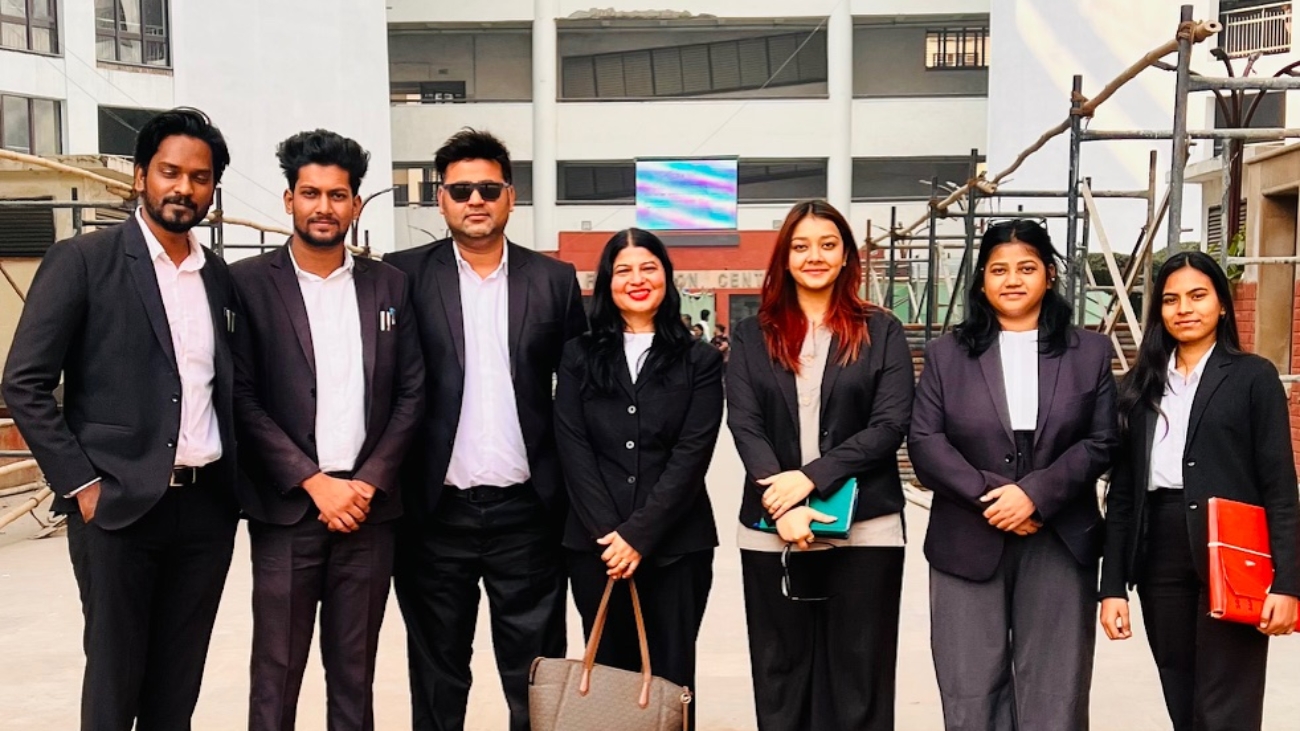
Best Advocate in Dwarka Court

District Court Dwarka Common Questions Clients Ask When Meeting an Advocate, New Delhi

Visiting an advocate in District Court Dwarka, for the first time is often overwhelming for clients.

Most people arrive with fear, anxiety, confusion, and endless questions. After practicing for 18+ years in District Court Dwarka, I have learned that what clients need most is clarity—clear answers that give them direction, confidence, and a sense of control over their legal battle.


Clients often move from chamber to chamber, searching for the “right” advocate who can guide them correctly. Their expectations are simple:“Tell me the truth, show me the path, and stand with me in the fight for justice.”
Below are the most common questions clients ask when they first meet an advocate in Dwarka Court, along with the precise answers they hope to hear from a competent legal professional.


1. “What are my legal options in this case?”

Ideal Answer Clients Expect:“You have two to three possible routes. Let me explain each with the consequences, time, and cost involved. Based on your situation, this option is the legally strongest and safest for you.”
Clients want clarity, not confusion. A good advocate simplifies the law.


2. “How strong is my case?”

Ideal Answer:“On the basis of your facts and documents, your case has ___ strengths and ___ weaknesses. We will work on the weak points and rely on the strong ones. I won’t promise a guaranteed win, but I will give you a legally realistic assessment.”
Clients hate exaggerated promises—they prefer honest, balanced guidance.


3. “How long will this case take?”

Ideal Answer:“Court timelines depend on several factors like court workload, evidence, and party cooperation. Typically, this type of case in Dwarka Court takes ___ months/years. I will try to speed it up wherever legally possible.”
Clients want transparency, even if the timeline isn’t short.


4. “What will be the cost or total fees?”

Ideal Answer:“My fee includes professional charges for drafting, filing, arguments, and appearances. I will give you a written fee structure so there is no confusion later. There are also official court fees which I will explain separately.”
Clients look for financial clarity and no hidden charges.


5. “Do I need to appear in court frequently?”

Ideal Answer:“For most hearings, your presence is not required unless evidence or your statement is needed. I will inform you well in advance whenever your presence is compulsory.”
Clients want to know how much their routine will be affected.


6. “What documents do you need from me?”

Ideal Answer:“I will provide you a checklist of required documents—ID proofs, case papers, agreements, photos, bank statements, or any other relevant material. Keep everything organised. It strengthens your case from day one.”
A document checklist gives confidence and clarity.


7. “Is there any risk or downside in filing this case?”

Ideal Answer:“Yes, every legal action has risks—cost, time, emotional pressure. But I will guide you to minimise those risks and ensure you take a well-informed decision before moving forward.”
Clients appreciate truthful, responsible advice.


8. “Can this case be settled outside court?”

Ideal Answer:“Settlement is always an option if both parties agree. If a settlement benefits you legally and financially, I will advise you accordingly. If not, we will contest strongly in court.”
Clients want to know whether a faster, peaceful route is possible.


9. “What is the next step after this meeting?”

Ideal Answer:“Step 1 — Give me your documents.Step 2 — I will prepare the draft.Step 3 — We will review it together.Step 4 — Filing in Dwarka Court.Step 5 — First hearing.”
Clear steps reduce anxiety and give clients a sense of progress.


Why Clients Find It Difficult to Choose a Competent Advocate in Dwarka Court

Choosing the right advocate is challenging because:

1. Lack of Legal Awareness

Clients don’t always understand who is actually experienced or competent.

2. Conflicting Opinions

When they visit multiple chambers, they hear different strategies, timelines, and fees—causing confusion.

3. Fear of Making a Wrong Decision

Clients know that one wrong legal step can cost time, money, and peace.

4. Overemphasis on Low Fees

Many clients compare advocates based only on fees, not experience or capability.A competent advocate gives value, not the cheapest rate.

5. Pressure & Anxiety

Court matters themselves create stress, making decision-making difficult.

6. Need for Trust

Clients want someone who listens, explains, guides, and stands with them—not someone who rushes them.
A competent advocate in Dwarka Court is one who blends experience, honesty, communication, strategy, and ethics.


Conclusion

For any client approaching District Court Dwarka, the right advocate is one who provides:✔ Clear legal strategy✔ Honest assessment✔ Transparent fees✔ Step-by-step guidance✔ Courtroom confidence✔ Professional drafting and arguments✔ Emotional assurance and support
A well-informed client and a competent advocate together make a strong legal team—ready to face the battlefield of the District Courts.

  1. Common Questions Clients Ask Advocates in District Court DwarkaHow to Choose a Competent Lawyer in Dwarka CourtClient–Advocate Guide: Legal Consultation in Dwarka CourtsFrequently Asked Questions Before Hiring a Dwarka Court Advocate


Hashtags

#DwarkaCourt #DelhiAdvocate #LegalAdvice #ClientGuide #DistrictCourtDwarka #BestAdvocateDwarka #LegalConsultation #CourtCaseHelp #DelhiLawyer #KnowYourRights

Consult an experienced advocate to determine the most suitable mode of service based on the facts of your case and court practice.

Contact me for Consultation :- 9899085554, 9811885554

Ankit Gaurav Kainth Advocate, Dwarka Court, Chamber No.728, 7th Floor, Dwarka, New Delhi

https://share.google/4r7kHm3s4da3OS9rS

Civil advocate in Dwarka court
Civil Advocate in Dwarka court

https://share.google/3P6Na8D1kmkxjMAva

advocate in Dwarka Court

How NRIs Living Abroad Can Get Divorce on the Ground of Cruelty from Dwarka Court, New Delhi? 🌏⚖️

Divorce litigation becomes even more complex when one spouse is living abroad. For Non-Resident Indians (NRIs), distance, time-zone differences, and unfamiliarity with procedures often create confusion and anxiety. However, Dwarka Court, New Delhi (South-West District) has emerged as one of the most efficient and technologically adaptive court complexes for handling such matters, especially NRI matrimonial disputes.

After 18+ years of practice in New Delhi’s District Courts—particularly Dwarka Court—let me clarify one essential truth:

👉 No advocate can secure a decree of divorce on the ground of cruelty unless you provide strong, clear, and admissible evidence.

Law is evidence-driven. Experience only matters when it is combined with your cooperation and factual material.

Why NRI Clients Can File Divorce in Dwarka Court? 🏛️

There are multiple territorial jurisdiction grounds under the Hindu Marriage Act (HMA) that make Dwarka Court the correct forum. You may file your case in Dwarka Court when:

1️⃣ Marriage was solemnized within South-West Delhi

If your wedding took place in Delhi—especially within areas like Dwarka, Palam, Najafgarh, Vikas Puri, Uttam Nagar, Sagarpur, Dabri—Dwarka Court has clear jurisdiction.

2️⃣ Wife last resided within the South-West District

Under Section 19 of HMA, the wife’s last place of residence gives Dwarka Court the authority to hear the matter.

3️⃣ Both parties last resided together in South-West District

If the matrimonial home was in Dwarka or nearby areas, the case can be filed here even if you are currently abroad.

4️⃣ Husband resides or works for gain in South-West Delhi

If you have a residence, rented accommodation, or employment address here, the court can exercise jurisdiction.

Why NRI Clients Prefer Lawyers With Strong Practice in Dwarka Court? 👨‍⚖️✨

✔ Deep familiarity with local court procedures

Every court has its own working culture, timing patterns, document preferences, and registry’s way of handling filing defects. A seasoned Dwarka practitioner knows exactly how to navigate these efficiently.

✔ Strong coordination with court staff & filing counters

For NRIs, avoiding unnecessary adjournments is crucial. An advocate who regularly practices here ensures smooth listing, timely filing, and quick rectification of objections.

✔ Understanding of NRI matrimonial complexities

Issues like foreign addresses, apostille of documents, POA attestation, and overseas evidence need a lawyer experienced in international matrimonial litigation.

✔ Practical know-how for Virtual Hearing (VC) matters

Dwarka Courts have become highly VC-friendly. Experienced local advocates know how to ensure smooth hybrid appearances.

You Can Appear Through Video Conferencing 💻📱

If you’re unable to travel to India, the court may permit appearance through VC (Video Conferencing)—especially for evidence, counselling sessions, and arguments.

Technology is playing a critical role today:

📌 Hybrid hearings

📌 E-filing in some matters

📌 WhatsApp/email updates

📌 Online certified copy applications

This convenience allows NRIs to litigate without physical presence on most dates.

What Constitutes Cruelty for NRI Divorce Cases? 💔❗

Cruelty under Section 13(1)(ia) HMA includes both physical and mental cruelty. Common grounds used by NRIs include:

🌐 Typical Grounds of Cruelty for NRIs

  • Constant abuse, humiliation, or threats
  • Regular fights and mental harassment
  • False criminal cases filed against the spouse or family
  • Denial of conjugal rights without reasonable cause
  • Abandonment or refusal to join spouse abroad
  • Excessive interference by in-laws
  • Financial exploitation, forcing money transfers, or harassment for funds
  • Blackmailing, emotional manipulation, cyber harassment
  • Making false allegations affecting career abroad
  • Refusing visa cooperation, intentionally sabotaging professional life
  • Public insults or sharing defamatory content online

Remember, merely alleging cruelty is not enough. You must prove it.

What Evidence Do NRI Clients Need to Provide? 📂🔍

This is the heart of your case. The court needs tangible, admissible, and consistent evidence.

Essential Evidence Under HMA for Cruelty Cases

📌 WhatsApp chats, emails, messages showing abuse, threats, or unreasonable behaviour

📌 Audio/Video recordings (lawful, non-staged, non-manipulated)

📌 Photographs showing injuries, broken objects, violent incidents

📌 Medical records for physical harm or psychological counselling

📌 Police complaints, Daily Diary (DD) entries, PCR calls

📌 Flight records or travel history showing desertion or refusal to join abroad

📌 Bank statements showing financial cruelty or unusual withdrawals

📌 Witness statements—family members, neighbours, colleagues

📌 Proof of false criminal cases filed by spouse

📌 Proof of visa refusal due to spouse’s non-cooperation

📌 Emails/letters requesting spouse to join abroad (no response = evidence of cruelty/desertion)

Your advocate builds the entire case around your evidence.

Why Experience & Precision Matter in Choosing the Right Advocate 🎯👨‍⚖️

1️⃣ Courtroom precision comes only with long practice

Matrimonial law is emotional, technical, and highly procedural. A seasoned lawyer knows how judges think, what evidence matters, and how to structure arguments.

2️⃣ Experienced advocates avoid delays

Proper drafting, proper filing, and proper pre-analysis prevent unnecessary adjournments—crucial for NRIs.

3️⃣ Strong cross-examination skills

Winning a cruelty case often depends on exposing contradictions in the opposite party’s testimony.

4️⃣ Strategy & foresight

An experienced advocate knows when to push, when to settle, and when to seek judicial intervention.

5️⃣ Better negotiation for settlement or mutual consent

Experience brings balance—something essential in emotionally charged cases.

“How NRIs Can Get Divorce on Cruelty Grounds from Dwarka Court, Delhi – Complete Guide”

#NRIDivorce #DwarkaCourt #CrueltyGrounds #FamilyLawIndia #DelhiLawyer #IndianMatrimonialLaw #VirtualHearing #NRILegalHelp #DivorceLawyerDelhi #HMA13

Consult an experienced advocate to determine the most suitable mode of service based on the facts of your case and court practice.

Contact me for Consultation :- 9899085554, 9811885554

Ankit Gaurav Kainth Advocate, Dwarka Court, Chamber No.728, 7th Floor, Dwarka, New Delhi

https://share.google/4r7kHm3s4da3OS9rS

Follow us for more Legal & Recent Updates :-

Cheque expert advocate in Dwarka Court

Cheque Best Ten Supreme Court Judgements on Acquittal – A Complete Guide for Defence Advocates (2026)

Advocate in Dwarka Court

Section 138 NI Act Acquittal Guide: Top 10 SC Judgements & Defence Tactics for Accused in Cheque Cases.

Cheque bounce litigation under Section 138 of the Negotiable Instruments Act is one of the most common criminal prosecutions in India. Yet, an accused is not always liable merely because a signature appears on the cheque. The Supreme Court has repeatedly clarified that presumptions under Sections 118 & 139 are rebuttable, and a smart, prepared and strategic defence can secure honourable acquittal.

Here are the Top 10 Supreme Court Judgments that every defence advocate must know while representing an accused in cheque bounce matters.

1. Basalingappa v. Mudibasappa (2019)

Key Notes:

  • The Court clarified that the presumption of legally enforceable debt is rebuttable.
  • Accused can rebut presumption through probabilities, not necessarily by producing defence evidence.
  • Cross-examination alone can be sufficient to demolish complainant’s case.

Use in Court:

Ideal when complainant has poor financial capacity or vague loan story.

2. Rangappa v. Sri Mohan (2010)

Key Notes:

  • Landmark ruling affirming that the presumption includes existence of debt, but accused can rebut it scientifically.
  • Defence needs to show preponderance of probability, not proof beyond reasonable doubt.

Use in Court:

Perfect base case for arguing the standard of rebuttal.

3. Kumar Exports v. Sharma Carpets (2009)

Key Notes:

  • Mere issuance of cheque does not automatically establish liability.
  • If complainant fails to prove foundational facts, accused gets benefit.

Use in Court:

Best for cases involving security cheques.

4. K. Subramani v. K. Damodara Naidu (2015)

Key Notes:

  • Complainant must independently prove his financial capacity.
  • Failure to show source of funds weakens prosecution.

Use in Court:

Very useful when complainant alleges huge cash loan without documents.

5. John K. Abraham v. Simon C. Abraham (2014)

Key Notes:

  • If complainant is inconsistent about date, amount, or transaction details, prosecution collapses.
  • Courts must ensure basic foundational evidence is present.

Use in Court:

Use when complainant’s story is contradictory.

6. Krishna Janardhan Bhat v. Dattatraya Hegde (2008)

Key Notes:

  • Accused has constitutional right not to be convicted unless case is proved beyond reasonable doubt.
  • Presumption does not extend to loan amount unless proved.

Use in Court:

Strong citation for arguing constitutional fairness & reasonable doubt.

7. Rohitbhai Jivanlal Patel v. State of Gujarat (2019)

Key Notes:

  • Though presumption is strong, if complainant’s evidence is hollow, presumption fails.
  • Complainant cannot rely on presumption alone.

Use in Court:

Great for challenging weak documentary support in complainant’s case.

8. M.S. Narayana Menon v. State of Kerala (2006)

Key Notes:

  • Defence can rely on probable alternative theories, such as repayment, business transaction adjustment, etc.
  • Personal testimony of accused can be enough if probable.

Use in Court:

Very useful for framing alternative narratives.

9. P. Rasiya v. Abdul Nazer (2022)

Key Notes:

  • Blank cheque defence is permissible.
  • Cheque issued as security that was misused may lead to acquittal.

Use in Court:

Important when signatures admitted but liability denied.

10. Dashrath Rupsingh Rathod v. State of Maharashtra (2014)

Key Notes:

  • Though modified later by amendment, it established important concepts of jurisdiction and procedural fairness.
  • Useful when complaint is filed in wrong jurisdiction leading to miscarriage of justice.

Use in Court:

Good for pointing out jurisdictional defects or procedural abuse.

My View: How to Defend the Accused Like a Pro in Cheque Bounce Cases

Representing an accused in cheque cases is an art. It’s not merely about denials — it’s about strategy, timing, and systematic demolition of the complainant’s story.

Here is my professional strategy:

1. Challenge Financial Capacity

Most cheque bounce prosecutions collapse when the complainant cannot prove:

  • Source of funds
  • Bank withdrawal proof
  • Income documents
  • ITR entries

Ask targeted questions in cross-examination.

2. Pinpoint Contradictions

Every cheque case has weak points:

  • Date of loan
  • Mode of transaction
  • Absence of written agreement
  • Unnatural conduct of lender

Highlight these inconsistencies.

3. Use Security Cheque Defence Properly

If cheque was given:

  • for business dealings,
  • for loan security,
  • for property/security agreements,
    then there is no legally enforceable debt on the cheque date.

4. Demand Original Documents

Make complainant produce:

  • Original promissory notes
  • Ledger accounts
  • WhatsApp chats
  • Bank statements

Their absence creates reasonable doubt.

5. Smart Use of Cross-examination

Most acquittals come from cross-examination alone.

Focus on:

  • Financial capacity
  • Knowledge of accused
  • Exact date/mode of loan
  • Circumstances of issuing cheque

A well-planned cross turns the entire case.

6. Highlight Unnatural Conduct

Ask:

  • Why give lakhs in cash without agreement?
  • Why no witness?
  • Why no earlier complaint?

These questions build doubt.

7. Use Standard of Proof

Remind court that:

  • Accused needs only probability
  • Complainant needs certainty

This principle alone wins half the cases.

Conclusion

These ten Supreme Court judgments form the backbone of every strong defence under Section 138 NI Act. An effective advocate doesn’t simply deny the transaction but strategically dismantles the complainant’s case using law, logic, probabilities, and precise cross-examination.

Cheque bounce defence is not about proving innocence —

it’s about demonstrating doubt, exposing inconsistencies, and showing that prosecution has failed its legal duty.

With the right approach, an accused can secure a clean and honourable acquittal.

  • A complete advocate’s guide on winning cheque bounce cases. Read the top 10 Supreme Court judgements on acquittal with key notes and defence strategies.
  • Master cheque bounce defence with the most powerful Supreme Court judgements on acquittal. Clear notes, legal reasoning, and practical tactics for advocates.
  • Learn the best Supreme Court rulings that help secure acquittal in cheque bounce matters. A practical, lawyer-focused guide with notes and defence insights.
  • Top 10 Supreme Court citations on cheque bounce acquittal explained with defence strategies, legal notes, and expert tips for lawyers fighting Section 138 cases.
  • Discover the 10 most important Supreme Court judgements on cheque bounce acquittal. A complete defence guide for advocates representing accused in Section 138 NI Act cases.

Consult an experienced advocate to determine the most suitable mode of service based on the facts of your case and court practice.

Contact me for Consultation :- 9899085554, 9811885554

Ankit Gaurav Kainth Advocate, Dwarka Court, Chamber No.728, 7th Floor, Dwarka, New Delhi

https://share.google/4r7kHm3s4da3OS9rS

FOLLOW US FOR MORE LEGAL UPDATES ON :-

Best Advocate in Dwarka Court

Practicing Advocate vs. Social Media Advocate 🤓📱⚖️

In today’s era, there are two species of Advocate/lawyers roaming freely—
1. Practicing Advocates: Found in courts, drenched in sweat, burdened with files.
2. Social Media Advocates: Found online, drenched in filters, burdened with hashtags.

Let’s decode the epic differences between the two—because trust me, it’s more entertaining than any Netflix drama.

  1. Workstation 🏛️ vs. 📱
    • Practicing Advocate: Courtrooms, bar libraries, dusty registers.
    • Social Media Advocate: Cafés with Wi-Fi, reels with trending songs.
    👉 One-liner: “Court mein date milti hai, Insta pe followers!”

  1. Uniform 👔 vs. 👕
    • Practicing Advocate: Black coat, band, sweaty face.
    • Social Media Advocate: Blazer for DP, T-shirt for reel.
    👉 One-liner: “Practicing advocate wears black, social media advocate adds filters to black.”

  1. Arguments 🎤 vs. 🎶
    • Practicing Advocate: Argues before judges with citations.
    • Social Media Advocate: Argues before comments section with emojis.
    👉 One-liner: “One needs case laws, other just needs good captions.”

  1. Reality ⏳ vs. Views 👀
    • Practicing Advocate: Waits 4 hours for their matter to be called.
    • Social Media Advocate: Waits 4 seconds for likes to roll in.
    👉 One-liner: “Court ka patience > Insta ka algorithm.”

  1. Income 💰 vs. 💕
    • Practicing Advocate: Fee comes late, after multiple reminders.
    • Social Media Advocate: Payment? Nah, just “exposure” and “collabs.”
    👉 One-liner: “Advocate paisa ke liye fight karta hai, influencer spotlight ke liye.”

  1. Clients 👨‍👩‍👦 vs. 👥
    Practicing Advocate: Handles emotional clients shouting “Humari izzat ka sawal hai!”
    • Social Media Advocate: Handles followers shouting “Next reel kab aayegi?”
    👉 One-liner: “One manages affidavits, other manages aesthetics.”
Best Advocate in Dwarka Court
Advocate in Dwarka Court

  1. Legacy 📚 vs. 📸
    • Practicing Advocate: Builds reputation after years in court.
    • Social Media Advocate: Builds reputation after one viral reel.
    👉 One-liner: “Court mein senior ban’ne mein 20 saal, Insta pe sirf 20 seconds.”

Final Verdict ⚖️😂

Both are advocates in their own kingdoms. The practicing advocate fights for justice, while the social media advocate fights for attention. One seeks judgments, the other seeks engagement. Yet both remind us—law is not just about black coats, but also about adapting with time.

👉 Closing one-liner: “Courtroom ho ya Instagram, sabko apni audience chahiye!”

Consult an experienced advocate to determine the most suitable mode of service based on the facts of your case and court practice.

Contact me for Consultation :- 9899085554, 9811885554

Ankit Gaurav Kainth Advocate, Dwarka Court, Chamber No.728, 7th Floor, Dwarka, New Delhi

https://share.google/4r7kHm3s4da3OS9rS

FOLLOW US FOR MORE LEGAL & RECENT UPDATES:-

Criminal lawyer in dwarka court
Criminal lawyer in Dwarka Court

NBW

How to Cancel a Non-Bailable Warrant (NBW) Issued Against an Accused? – A Complete Guide by Advocate in Dwarka Court 🧑🏻‍⚖️👮‍♂️⛓️‍💥🚨🚓

A Non-Bailable Warrant (NBW) is one of the strictest orders a court can issue. It authorizes the police to arrest the accused and produce them before the court. Unlike regular warrants, an NBW is not automatically cancelled on appearance—you need proper legal steps. Understanding NBWs is extremely important for clients, advocates, and anyone facing criminal proceedings.

What Is a Non-Bailable Warrant?

A Non-Bailable Warrant is a court order directing police to arrest a person who has repeatedly avoided court proceedings. It is mostly issued in criminal matters when:
The accused does not appear despite summons or bailable warrants.
The court believes the accused is deliberately avoiding the trial.
Presence of the accused is essential for further proceedings.

Why Do Courts Issue NBWs?

Courts issue NBWs to ensure:
Attendance of the accused
Smooth progress of the trial
Prevention of delay and misuse of legal process

In short, NBWs are issued when the court loses trust that the accused will appear voluntarily.

How Can an Non bailable warrant Be Cancelled?

Cancelling an NBW requires immediate and strategic action, usually through an advocate. The steps include:
1. Drafting a Cancellation Application before the same court that issued the Non bailable warrant.
2. Explaining the reason for absence, such as medical emergency, genuine mistake, travel issues, or lack of knowledge of the date.
3. Producing supporting documents, if any.
4. Ensuring the accused is present in court, unless the court permits exemption.
5. Requesting the court to restore the trust by imposing a fine or taking a fresh bond.

If the court is satisfied with the explanation, it cancels the Non bailable warrant on the same day.

What Happens if You Ignore an Non bailable warrant?

Ignoring an Non bailable warrant can lead to:
Immediate arrest at home or workplace
Cancellation of bail
Issuance of proclamation under Section 82 CrPC (declaring you absconding)
Attachment of property under Section 83 CrPC
Serious damage to your credibility in the case

An NBW never disappears on its own—it only gets worse if ignored.

How an Advocate Helps You (Yes, with a small fee 😉)

An experienced criminal advocate can:
Draft a strong Non bailable warrant cancellation application
Present proper legal grounds before the judge
Protect you from arrest during the hearing
Ensure smooth compliance and avoid future Non bailable warrant
Guide you on court etiquette and preventive measures

A skilled advocate not only cancels the Non bailable warrant but also protects your record and reputation.


If you or someone you know has a Non bailable warrant issued, act fast. Timely legal help can turn a stressful situation into a manageable one—sometimes within a single hearing.

Consult an experienced advocate to determine the most suitable mode of service based on the facts of your case and court practice.

Contact me for Consultation :- 9899085554, 9811885554

Ankit Gaurav Kainth Advocate, Dwarka Court, Chamber No.728, 7th Floor, Dwarka, New Delhi

https://share.google/4r7kHm3s4da3OS9rS

Follow us for more legal updates:-

Experienced cheque bounce advocate at Dwarka Court handling Section 138 NI Act cases with legal documents and courtroom setting

How to Read a Cheque Like a Pro Advocate 🏁✨-Blog by an Cheque Case Expert 18+ years of Experienced Advocate in Dwarka Court

Blog by a Cheque Case Expert | Practical Guide for Litigants in Dwarka Court

A cheque is not just a piece of paper. In Court, it is powerful evidence. One small mistake in reading a cheque can decide the fate of a case under Section 138 of the Negotiable Instruments Act. Therefore, whether you are a complainant or an accused, you must learn how to read a cheque like a seasoned advocate appearing daily before Dwarka Court.

With 18+ years of hands-on experience handling cheque bounce litigation in Court, I have seen cases won and lost purely on technical interpretation. This guide will help you understand what courts really look at.

📌 Why Reading a Cheque Properly Matters in Dwarka Court

Cheque bounce cases form a significant portion of criminal dockets in Dwarka Court. However, many litigants focus only on the amount. That is a mistake. Judges in Dwarka Court carefully analyse:

  • Date of cheque
  • Signature authenticity
  • Amount in words and figures
  • Bank branch details
  • Alterations or overwriting
  • Account status at presentation

Therefore, professional reading of a cheque strengthens your case before Court.

🏦 1️⃣ Date – The Starting Point of Limitation

First, check the date. In cheque litigation before Court, limitation is everything.

A cheque is valid for three months. If presented late, your complaint may fail in Court. Additionally, the legal notice must be sent within 30 days of dishonour. Thus, reading the date accurately protects your limitation rights.

✍️ 2️⃣ Signature – The Heart of Defence

Next, verify the drawer’s signature. In many matters before Court, accused persons admit the signature but dispute liability.

If the signature matches, a legal presumption arises under law. However, if it is disputed, handwriting examination may become necessary in Court proceedings.

This is where an experienced Criminal Lawyer Dwarka plays a crucial role.

💰 3️⃣ Amount in Words vs Figures

Always compare both carefully.

If there is a mismatch, banks generally honour the amount written in words. Yet, defence counsel in Court often challenge inconsistencies to create doubt.

Small technical discrepancies can influence the outcome in Court.

🖊️ 4️⃣ Overwriting & Alterations

Look for cutting, correction fluid, or different ink.

Judges in Dwarka Court examine whether alterations were authenticated by signature. If not, the cheque may be considered materially altered.

Therefore, before filing a case in Court, inspect the instrument professionally.

🏛️ 5️⃣ Reason for Dishonour

The bank return memo is equally important. Common reasons include:

  • Insufficient funds
  • Account closed
  • Payment stopped
  • Signature differs

Each reason carries different legal implications in Court. For example, “account closed” strengthens the complainant’s case in Court.

📜 6️⃣ Legally Enforceable Debt – The Core Issue

Even if the cheque is valid, the complainant must prove legally enforceable debt.

In Dwarka Court, courts evaluate:

  • Loan agreements
  • Property transactions
  • Friendly loans
  • Business invoices

Here, a Property Lawyer Dwarka may assist where cheques arise from real estate transactions. Similarly, matrimonial settlements may require guidance from a Divorce Lawyer Dwarka.

🚨 7️⃣ Defence Strategies in Dwarka Court

As someone practicing for 18+ years in Dwarka Court, I advise clients:

  • Preserve WhatsApp and email conversations
  • Maintain account statements
  • Avoid blank cheque misuse
  • Respond to legal notices properly

Strong documentation improves your standing before Court.

🎯 Common Mistakes Litigants Make

  • Filing complaint beyond limitation
  • Ignoring statutory notice defects
  • Failing to prove financial capacity
  • Not appearing regularly in Dwarka Court
  • Underestimating cross-examination

Because cheque cases are criminal in nature, non-appearance can even lead to coercive steps. In some situations, Bail Matters Court may arise if warrants are issued.

🌍 Jurisdictional Advantage

Clients from Janakpuri, Vikaspuri, Dwarka North, Dwarka South, Najafgarh, Uttam Nagar, Bindapur and surrounding areas approach Dwarka Court for cheque litigation. Territorial jurisdiction depends on bank presentation and notice compliance.

Regular practice in Dwarka Court ensures:

  • Proper drafting of complaints
  • Quick listing
  • Effective evidence strategy
  • Confident cross-examination

🏆 Why Experience Matters

If you are searching for the Top and Best Advocate in Dwarka Court for cheque cases, choose someone who:

  • Understands criminal procedure
  • Has trial experience in Dwarka Court
  • Handles both prosecution and defence
  • Advises strategically, not emotionally

With 18+ years of courtroom presence in Dwarka Court, I have successfully handled hundreds of cheque bounce cases, ensuring compliance with every procedural detail.

❓ FAQ – Cheque Cases in Dwarka Court

1️⃣ Is cheque bounce a criminal offence?

Yes. It is tried as a criminal complaint before Court.

2️⃣ Can I settle the case?

Yes. Settlement is possible at any stage in Dwarka Court.

3️⃣ What if cheque was given as security?

Security cheque defence can be taken, but evidence must support it before Dwarka Court.

4️⃣ Can arrest happen in cheque cases?

Normally summons are issued first. However, non-appearance may lead to warrants, requiring attention in Bail Matters Dwarka Court.

5️⃣ How long does a case take?

Timelines vary, but regular follow-up in Court ensures faster disposal.

🏛️ Final Words

A cheque speaks volumes. However, only a trained legal eye can read it like a pro advocate appearing daily in Dwarka Court.

If you want strategic advice from a cheque case expert with 18+ years of experience in Court, consult before taking any step. Early legal intervention often decides success.

📞 Call to Action

Facing cheque bounce litigation? Need expert guidance in Court?

Book a confidential consultation today. Protect your rights with experienced representation in Dwarka Court. ⚖️

Contact me for Consultation :- 9899085554, 9811885554

Ankit Gaurav Kainth Advocate, Dwarka Court, Chamber No.728, 7th Floor, Dwarka, New Delhi

https://share.google/4r7kHm3s4da3OS9rS

FOLLOW US FOR MORE LEGAL UPDATES ON :-

https://www.pathlegal.in/Advocate-Ankit-Gaurav-Kainth–New-Delhi/L000000000672515.htm

https://www.bharatibiz.com/en/ankit-gaurav-kainth-associates_20-098990-85554

https://heyplaces.in/09629977/Advocate_Ankit_Gaurav_Kainth_&_Associates

https://twitter.com/ankitkainthadv?s=21

https://pin.it/6Fg2UzxpY

https://www.threads.com/@ankit_gaurav_kainth_advocate?igshid=NTc4MTIwNjQ2YQ==

https://www.linkedin.com/in/ankitgauravkainthandassociates?utm_source=share_via&utm_content=profile&utm_medium=member_ios

https://maps.app.goo.gl/rEdAYVSx4FXy1TpN8?g_st=ic

https://youtube.com/@ankitgauravkainth?si=xaY-mL7ZkQH5MGtz

E4B4257A-3947-4C1B-AD60-BF927DE34E5C

How to Release the Amount Freeze by Cyber Police from Dwarka Court?💰👮🚨

🚨 Is your bank account frozen by Cyber Police?

If yes, don’t panic. In most cases, the amount can be legally released through proper proceedings before Dwarka Court. With the right legal strategy, timely filing, and proper documentation, relief is absolutely possible.

As an advocate practicing for 18+ years in Dwarka Court, I have successfully handled multiple cyber freeze matters, cheque bounce disputes, property litigation, divorce cases, and bail matters. This guide explains the step-by-step process to unfreeze your bank account through Dwarka Court in 2026.

Why Does Cyber Police Freeze Bank Accounts?

Usually, Cyber Police freeze accounts under suspicion of:

  • Online fraud or phishing complaints
  • Suspicious UPI or wallet transactions
  • Alleged involvement in money laundering
  • Transfer of disputed funds

Often, innocent account holders suffer because someone else transferred disputed funds into their account. In such cases, immediate legal action in Dwarka Court becomes essential.

Legal Provision to Release Frozen Amount in Dwarka Court ⚖️

The remedy generally lies under:

  • Section 102 CrPC (Police power to seize property)
  • Application for release before the concerned Magistrate

You must file an Application for De-freezing/Release of Bank Account before the concerned Metropolitan Magistrate in Dwarka Court.

Step-by-Step Process to Unfreeze Account in Dwarka Court

1️⃣ Obtain Freeze Intimation

First, collect:

  • Bank freeze email/letter
  • Transaction statement
  • FIR copy (if registered)

Without documents, Dwarka Court will not grant relief.

2️⃣ Draft Proper Application

Your advocate files an application before Dwarka Court stating:

  • You are a bona fide account holder
  • No involvement in alleged fraud
  • Funds are legitimate earnings
  • Financial hardship due to freeze

This stage is crucial. A well-drafted petition increases success chances in Dwarka Court.

3️⃣ Attach Supporting Documents 📑

  • ITR / Salary slips
  • Business invoices
  • GST returns
  • Bank statements
  • Affidavit of innocence

Strong documentation helps convince Dwarka Court that the freeze is unjustified.

4️⃣ Notice to IO & Cyber Cell

The Magistrate in Dwarka Court issues notice to:

  • Investigating Officer
  • Cyber Police Station

The IO may file a reply supporting or opposing release.

5️⃣ Arguments Before Dwarka Court

After hearing both sides, Dwarka Court may:

✔ Release entire amount

✔ Release partial amount

✔ Allow operation with restrictions

✔ Direct furnishing of surety/bond

Every case depends on facts. However, experienced representation in Dwarka Court makes a major difference.

Important Practical Tips 💡

  • Do not ignore freeze notices
  • Avoid direct confrontation with police
  • Never admit liability without legal advice
  • File application promptly in Dwarka Court
  • Keep transaction records ready

Delay reduces chances of quick relief from Dwarka Court.

Time Frame to Get Relief from Dwarka Court

Normally:

  • Filing to first hearing: 3–7 days
  • Final order: 2–4 weeks (depending on complexity)

Urgent matters can be mentioned before Dwarka Court for faster listing.

Why Experience Matters in Dwarka Court

Cyber cases require:

  • Knowledge of criminal procedure
  • Drafting precision
  • Strategic arguments
  • Understanding of digital evidence

With 18+ years of courtroom experience in Dwarka Court, I have handled:

Being regularly present in Dwarka Court helps in faster coordination with court staff, prosecution, and registry.

Common Mistakes People Make ❌

  • Waiting for police to “automatically” unfreeze
  • Submitting incomplete documents
  • Filing wrong type of application
  • Hiring inexperienced counsel

Remember, proper legal filing before Dwarka Court is the only reliable solution.

Areas We Serve

If your account is frozen and you reside in:

  • Janakpuri
  • Vikaspuri
  • Dwarka North
  • Dwarka South
  • Najafgarh
  • Uttam Nagar
  • Bindapur

You can seek remedy before Dwarka Court depending on jurisdiction.

FAQs – Release of Frozen Amount in Dwarka Court

Q1. Can Cyber Police freeze account without notice?

Yes, under Section 102 CrPC. However, you can challenge it before Dwarka Court.

Q2. How long does Dwarka Court take to unfreeze account?

Usually 2–4 weeks, depending on complexity.

Q3. Can partial amount be released?

Yes. Dwarka Court may allow partial withdrawal subject to conditions.

Q4. Is personal appearance mandatory?

In most cases, advocate appearance before Dwarka Court is sufficient.

Q5. What if FIR is false?

You can seek remedy before Dwarka Court and also pursue quashing or discharge separately.

Why Choose a Top Advocate in Dwarka Court?

✔ 18+ years experience in Dwarka Court

✔ Regular practice in criminal & cyber matters

✔ Transparent strategy

✔ Strong courtroom presence

✔ Quick drafting & urgent listing

If you are searching for the Top and Best Advocate in Janakpuri, Vikaspuri, Dwarka North, Dwarka South, Najafgarh, Uttam Nagar or Bindapur practicing in Dwarka Court, professional guidance can protect both your money and reputation.

📞 Call to Action

Your hard-earned money should not remain frozen due to procedural delay.

If Cyber Police has frozen your bank account, take immediate legal action in Dwarka Court.

📍 Chamber Practice: Dwarka Court

🎓 18+ Years Courtroom Experience

⚖ Criminal, Cyber, Bail, Property & Matrimonial Matters

Book a consultation today and get expert legal assistance for release of frozen amount from Dwarka Court.

#Cyberfraudcaseadvocateindwarkadelhi

https://share.google/KRffktBcT1l1YIFSI

https://www.linkedin.com/embed/feed/update/urn:li:share:7397134118628593664?collapsed=1

Consult an experienced advocate to determine the most suitable mode of service based on the facts of your case and court practice.

Contact me for Consultation :- 9899085554, 9811885554

Ankit Gaurav Kainth Advocate, Dwarka Court, Chamber No.728, 7th Floor, Dwarka, New Delhi

https://share.google/4r7kHm3s4da3OS9rS

https://share.google/avNVyQWfcW0BaoArn

Follow Us for more Legal Updates :-

https://www.instagram.com/reel/DTOCNLhgbRF/?utm_source=ig_web_copy_link&igsh=MzRlODBiNWFlZA==

📌Role of Application U/s 145(2) in NI Act (Cheque Case) Dwarka Court — Important or Negligible? (2026)

In cheque bounce cases under the Negotiable Instruments Act, one small application often decides the entire direction of the trial — the Application U/s 145(2). Many treat it casually, and surprisingly, some courts even allow the accused to proceed without filing it. But if you appear for the complainant, this practice can seriously weaken your case.

So the real question is — Is Section 145(2) important?

👉 Absolutely. Extremely. Unavoidably. Important.

⚖️ What is Section 145(2)?

Section 145(1) NI Act permits evidence-by-affidavit of the complainant.

But Section 145(2) empowers the accused to seek permission to cross-examine the complainant/witnesses.

In simple terms:

📝 No 145(2) = No Cross-Examination.

🎯 Why Filing 145(2) is Mandatory (in complainant’s interest)

🛡️ 1. Accused Must Disclose Defence

A 145(2) application is not a formality — it forces the accused to reveal:

    •    What is his defence?

    •    Which parts of the complainant’s affidavit he disputes?

    •    On which points he wants to cross-examine?

This removes surprise elements and prevents ambush strategies.

🎯 2. Cross-Examination Cannot Go Beyond What’s Mentioned

This is the most powerful reason for complainants.

If the accused does not mention specific points in the 145(2) application:

❌ He cannot cross-examine on those points later.

❌ He cannot introduce new defences halfway.

❌ He cannot go on “fishing inquiries”.

This gives the complainant a strong procedural shield.

⚠️ 3. Silent or Vague Application = No Right to Ask Questions

If the application is vague like:

“I want to cross-examine”

…without explaining why and on what issues, then:

👉 The accused loses the right to question on undisclosed points.

This helps advocates maintain a disciplined and focused trial.

📚 4. Helps Court Understand the Scope of Trial

Judges can clearly see:

    •    What is admitted

    •    What is disputed

    •    What requires adjudication

It narrows down the controversy and speeds up the trial.

🔍 Then Why Are Some Courts Allowing Cross-Examination Without It?

Because many courts prioritize speed over procedure.

But speed cannot override statutory safeguards.

If a court allows cross-examination without a 145(2) application, the complainant should object — politely but firmly.

💡 Final Thoughts

For a complainant’s advocate, never waive the requirement of a properly drafted 145(2) application.

It ensures:

✔️ clarity

✔️ discipline

✔️ limited defences

✔️ focused cross-examination

✔️ stronger complainant case

Section 145(2) isn’t negligible —

✨ It’s a strategic weapon. Use it wisely.

#AdvocateinDwarkaCourt

#BestAdvocateinDwarkaCourt

#DivorceAdvocateLaw

#MatrimonialAdvocateinDwarkaCourt

#Dwarkacourtadvocatecontactnumber

#Divorcelawyerindwarka

#BestAdvocatenearme

#BestLawyernearme

#NegotiableInstrumentsAct #Section145(2)#ChequeBounceCase #NIACT #LegalProcedures #TrialStrategy #CrossExamination #1452Application

https://www.linkedin.com/posts/ankitgauravkainthandassociates_advocateindwarkacourt-bestadvocateindwarkacourt-activity-7395771749780504576-4-rP?utm_source=share&utm_medium=member_desktop&rcm=ACoAAFkUbj0BMjOviULod04rtCj5qsR03cu3OTY


https://share.google/WYmmToovotFnMEHrl

View this post on Instagram

A post shared by Ankit Gaurav Kainth & Associates (@ankit_gaurav_kainth_advocate)

Consult an experienced advocate to determine the most suitable mode of service based on the facts of your case and court practice.

Contact me for Consultation :- 9899085554, 9811885554

Ankit Gaurav Kainth Advocate, Dwarka Court, Chamber No.728, 7th Floor, Dwarka, New Delhi

https://share.google/4r7kHm3s4da3OS9rS

https://share.google/EI77lPy4DcIiIYGhd

Best Supreme Court Advocate in Dehradun

Dwarka Court – Don’t Risk Your Case – Choose a Lawyer Who Lives and Breathes Dwarka Court (2026)

Dwarka Court Commercial Dispute Advocate
Dwarka Court

In Dwarka Court People often underestimate how important it is to hire a lawyer who regularly practices in the same court where their case is filed.

1. Understanding of Court Environment

A local lawyer is familiar with Dwarka Court’s procedures, staff, filing etiquettes, and judge-specific working styles.

2. Faster Filing & Case Movement

Since the lawyer is available on-site, filing documents, case follow-ups, and urgent applications happen quickly.

3. Practical Knowledge Matters

Local practitioners know which arguments work better, how to navigate complex court days, and how to avoid unnecessary delays.

4. Easy Availability for Clients

Meeting, discussing strategies, or submitting documents becomes easier when the lawyer is close to the court.

5. Better Representation & Confidence

A lawyer who appears daily in Dwarka Court is more confident with court timings, cause-lists, and judge behaviour—leading to better results.

Consult an experienced advocate to determine the most suitable mode of service based on the facts of your case and court practice.

Contact me for Consultation :- 9899085554, 9811885554

Ankit Gaurav Kainth Advocate, Dwarka Court, Chamber No.728, 7th Floor, Dwarka, New Delhi

https://share.google/4r7kHm3s4da3OS9rS

Follow us for more Legal Updates:-

⚖️ Why Choose a Local Lawyer for District Court Dwarka? (2026 Practical Insight)

When a legal dispute arises, most clients focus only on “Who is the best lawyer?”
But an equally important question is — “Does the lawyer regularly practice in the same court where my case is filed?”

If your matter is before Dwarka Court, choosing a lawyer who appears there daily can make a measurable difference in strategy, speed, and results.

With 18+ years of continuous practice in Dwarka Court, I have personally observed how local courtroom experience impacts outcomes.

Let us understand this practically.


🏛️ 1️⃣ Understanding the Court Environment

Every court has its own functioning style.

A local lawyer practicing regularly in Dwarka Court understands:

Filing procedures and registry objections
Court staff coordination
Daily cause-list patterns
Bench-specific working styles
Practical courtroom discipline

These are not written in books — they are learned through consistent physical presence.


📂 2️⃣ Faster Filing & Quicker Case Movement

Legal strategy is not just about arguments. It is also about timing.

When your advocate is regularly present at Dwarka Court:

  • Urgent applications can be filed immediately
  • Defects can be removed the same day
  • Case status can be checked personally
  • Listing issues can be followed up promptly

Outstation lawyers may need coordination time. A local lawyer acts instantly.

In bail matters, stay orders, and injunctions — speed often determines success.


⚖️ 3️⃣ Practical Knowledge Beyond Theory

Courtroom litigation is not academic law — it is applied law.

A regular practitioner at Dwarka Court knows:

Which arguments receive judicial attention

a.How evidence is typically scrutinised

b.How to structure anticipatory bail

c.How mediation trends work in matrimonial disputes

d.How property disputes often convert into criminal complaints

This practical knowledge cannot be replaced by reputation alone.


👥 4️⃣ Easy Accessibility for Clients

Clients often need:

  • Quick meetings
  • Urgent documentation review
  • Strategy discussions before hearing
  • Immediate response in emergencies

When your lawyer’s chamber is in Dwarka Court premises, coordination becomes seamless.

There are No delays. Don’t worry about No long scheduling gaps. No communication hurdles.


📑 5️⃣ Confidence in Representation

A lawyer who appears daily before the same benches develops:

Courtroom confidence
Familiarity with judicial expectations
Better anticipation of queries
Stronger oral advocacy

This comfort level translates into effective representation.

Whether it is:

  • Divorce litigation
  • Bail matters
  • Cheque bounce cases
  • Domestic violence proceedings
  • Property disputes

Confidence matters inside the courtroom.


🎯 6️⃣ Strategic Advantage in Complex Cases

In 18+ years of regular appearance before Dwarka Court, I have seen that:

  • Timing of filing anticipatory bail is critical
  • Drafting errors delay relief
  • Registry objections can derail urgent cases
  • Procedural compliance avoids dismissal

A local lawyer anticipates these hurdles in advance.


📍 Serving Dwarka Court Jurisdiction

Clients from:

  • Janakpuri
  • Vikaspuri
  • Dwarka North
  • Dwarka South
  • Najafgarh
  • Uttam Nagar
  • Bindapur

often prefer representation by a lawyer who understands the local litigation pattern of Dwarka Court.

Consistency builds courtroom familiarity.

https://www.facebook.com/share/p/1bgNRat17N


🧠 Final Thoughts – Experience + Proximity = Stronger Representation

Choosing a lawyer is not only about qualifications — it is about regular presence, procedural awareness, and strategic clarity.

If your matter is pending in Dwarka Court, selecting a local advocate ensures:

Faster procedural movement
Better courtroom confidence
Immediate accessibility
Practical litigation strategy
Reduced unnecessary delays

Legal success is rarely accidental. It is prepared.


📞 Consultation

If you are seeking representation in District Court Dwarka, feel free to consult for structured and strategic guidance.

Ankit Gaurav Kainth
Advocate, Dwarka Court
Chamber No. 728, 7th Floor
New Delhi

📱 9899085554
📱 9811885554

Experience. Preparation. Professionalism.

https://www.instagram.com/reel/DUhlx6xCUSn/?utm_source=ig_web_copy_link&igsh=MzRlODBiNWFlZA==

https://share.google/n2yJmIruGDzESNyTs
Cancellation of Bail if Accused Is Misusing It Guide

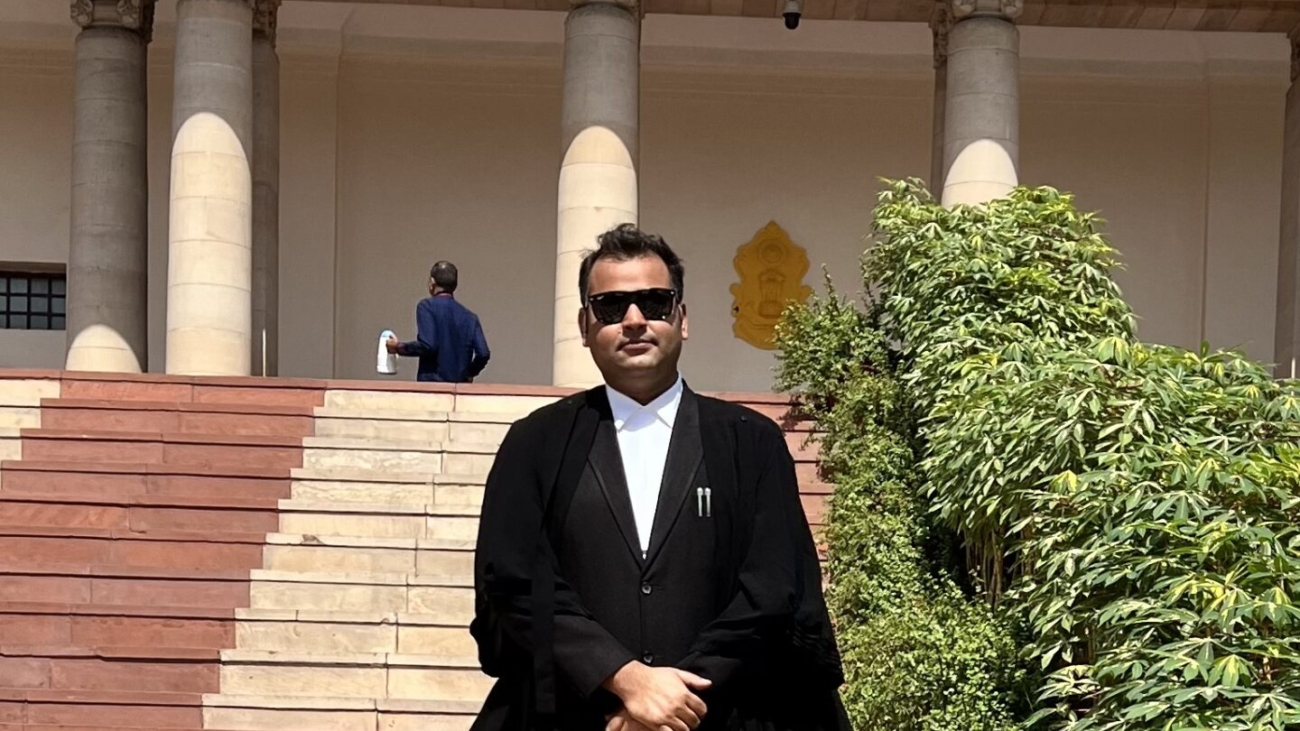
Understanding Bail Procedure in Dwarka Court: A Complete Step-By-Step Guide

civil advocate in Dwarka court
Advocate in Dwarka court

If you or someone you know has been arrested, understanding the bail procedure becomes extremely important. In Dwarka Court, New Delhi, the process is straightforward, but knowing the right steps can save both time and stress.

1. What Is Bail?

Bail is a legal process that allows an arrested person to remain free while their case is ongoing, by submitting a bond or surety in Dwarka Court.

2. Types of Bail in Dwarka Court

  • Regular Bail – applied after arrest in Dwarka Court.
  • Anticipatory Bail – applied before arrest Dwarka Court.
  • Interim Bail – temporary bail until a regular hearing Dwarka Court.

3. Documents Required in Dwarka Court

  • Aadhar Card / ID Proof
  • Surety documents
  • FIR copy
  • Personal bond
  • Arrest memo (in some cases)

4. How the Bail Hearing Works in Dwarka Court

Your lawyer files the bail application → Matter is listed before the judge → Arguments from both sides → Judge grants or denies bail.

5. Why Legal Help Matters in Dwarka Court

When an arrest happens, panic spreads faster than facts. Families rush to Dwarka Court with one urgent question — “How do we get bail?”

After 18+ years of continuous practice in Dwarka Court, I can confidently say this: timely strategy matters more than emotional reaction. If you understand the procedure clearly, the process becomes structured, manageable, and far less stressful.

Let us break it down step-by-step.


📌 What Is Bail?

Bail is a legal mechanism under the Code of Criminal Procedure that allows an accused person to remain free during investigation or trial, subject to conditions imposed by the court.

In simple words:
Custody is the exception. Liberty is the rule — subject to judicial discretion.


🏛️ Step 1: Identify the Type of Bail Required

Before filing anything in Dwarka Court, the first question is — what kind of bail applies?

1️⃣ Anticipatory Bail

Filed before arrest when apprehension exists.

2️⃣ Regular Bail

Filed after arrest when the accused is already in custody.

3️⃣ Interim Bail

Temporary protection granted until final hearing.

Choosing the correct category is the first strategic decision.


📄 Step 2: Collect Essential Documents

Documentation strength often determines success. Typically required:

  • FIR copy
  • Arrest memo (if applicable)
  • ID proof of accused
  • Surety documents
  • Previous case details (if any)
  • Medical documents (if relevant)

Incomplete paperwork delays relief in Dwarka Court.


🖊️ Step 3: Drafting the Bail Application

This is not a routine formality.

A professionally drafted bail application must include:

✔ Brief facts of case
✔ False implication or defence theory
✔ Lack of criminal antecedents
✔ Cooperation with investigation
✔ Legal grounds under CrPC
✔ Judicial precedents (if required)

In my experience, weak drafting is one of the most common reasons for rejection.


⚖️ Step 4: Filing Before the Appropriate Court

Most bail matters first come before the Metropolitan Magistrate in Dwarka Court.

Serious offences may require filing before the Sessions Court.

Correct forum selection prevents technical objections.


🗣️ Step 5: Bail Hearing & Arguments

On the hearing date:

  • Prosecution presents objections
  • Defence counters allegations
  • Court examines gravity, evidence, and conduct

Judges in Dwarka Court carefully evaluate:

  • Nature of offence
  • Role attributed to accused
  • Possibility of tampering evidence
  • Flight risk
  • Criminal history

Calm, structured arguments always perform better than emotional pleas.


🧾 Step 6: Bail Order & Conditions

If granted, the Court may impose:

  • Personal bond
  • Surety bond
  • Travel restrictions
  • No contact with complainant
  • Regular investigation attendance

Compliance is critical. Violation may lead to cancellation.


⏳ Step 7: Post-Bail Responsibility

Many accused believe bail means the case is over. That is incorrect.

After bail:

  • Attend all court dates
  • Avoid influencing witnesses
  • Maintain clean conduct
  • Stay in coordination with your lawyer

Bail is liberty with responsibility.


🔎 Common Bail Trends in Dwarka Court (2026)

Based on recent courtroom experience:

  • Digital evidence is heavily scrutinized
  • Delay in FIR sometimes strengthens defence
  • Matrimonial disputes often receive balanced approach
  • First-time offenders get reasonable consideration
  • Strong documentation improves chances significantly

Judicial reasoning is structured, not sentimental.


🎯 Why Experience Matters

In 18+ years of practice at Dwarka Court, I have observed:

✔ Each judge has a distinct courtroom style
✔ Filing defects delay urgent matters
✔ Timing of anticipatory bail is crucial
✔ Coordination with investigation officers helps

Bail strategy is courtroom science — not guesswork.


📌 Practical Advice for Families

👉 Do not delay consultation
👉 Do not hide facts from your lawyer
👉 Preserve digital communication
👉 Avoid media or social confrontation
👉 Stay patient and disciplined

Prepared clients always stand stronger in Dwarka Court.


❓ Frequently Asked Questions

Q1. How long does bail take in Dwarka Court?

Usually 1–3 hearings, depending on seriousness and prosecution response.

Q2. Can bail be rejected?

Yes. However, remedy lies before a higher court.

Q3. Is anticipatory bail easy?

It depends on allegations, evidence, and timing of filing.

Q4. Does court consider settlement?

In matrimonial or minor disputes, settlement discussions help.


🌟 Final Words

Arrest creates fear. Law provides structure.

Understanding the bail procedure at Dwarka Court reduces uncertainty and builds confidence.

If you or your family member requires urgent bail assistance, professional guidance makes a decisive difference.

With over 18 years of active courtroom experience, I ensure:

⚖️ Strong drafting
⚖️ Strategic arguments
⚖️ Timely filing
⚖️ Ethical representation

Act quickly. Prepare properly. Protect your liberty.

https://share.google/ywohvkWHTpzh387qV

 Consult an experienced advocate to determine the most suitable mode of service based on the facts of your case and court practice.

Contact me for Consultation :- 9899085554, 9811885554

Ankit Gaurav Kainth Advocate, Dwarka Court, Chamber No.728, 7th Floor, Dwarka, New Delhi

https://share.google/4r7kHm3s4da3OS9rS

https://www.linkedin.com/embed/feed/update/urn:li:share:7413981654014328832?collapsed=1

https://www.linkedin.com/posts/ankitgauravkainthandassociates_advocateindwarkacourt-bestadvocateindwarkacourt-activity-7413981656459706368-8Ezb?utm_source=share&utm_medium=member_desktop&rcm=ACoAAFkUbj0BMjOviULod04rtCj5qsR03cu3OTY