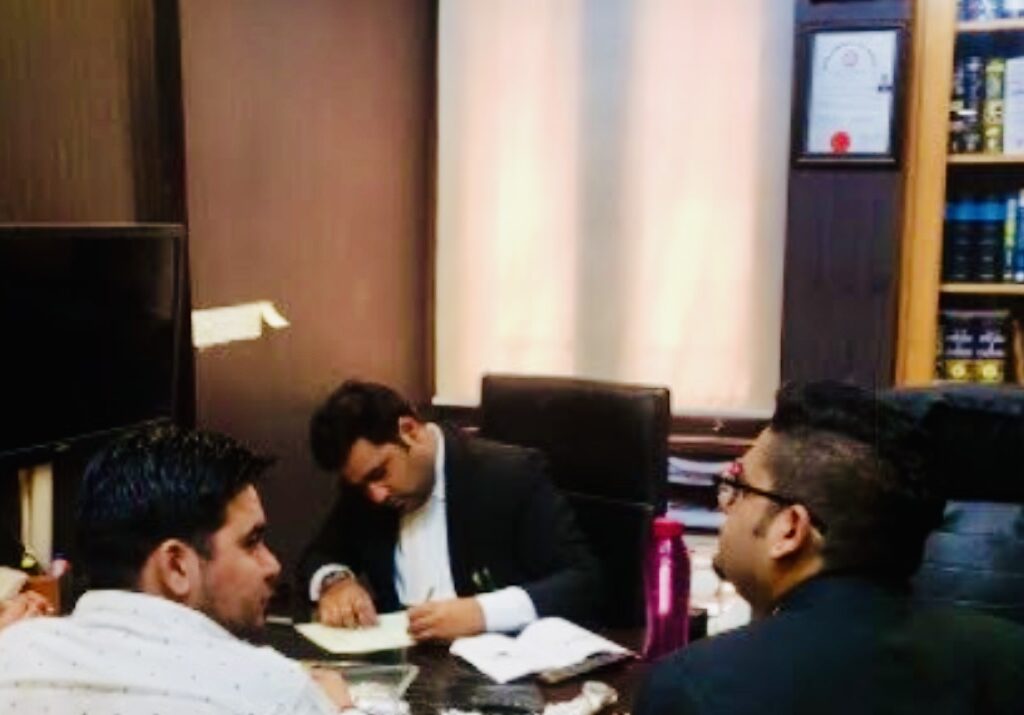

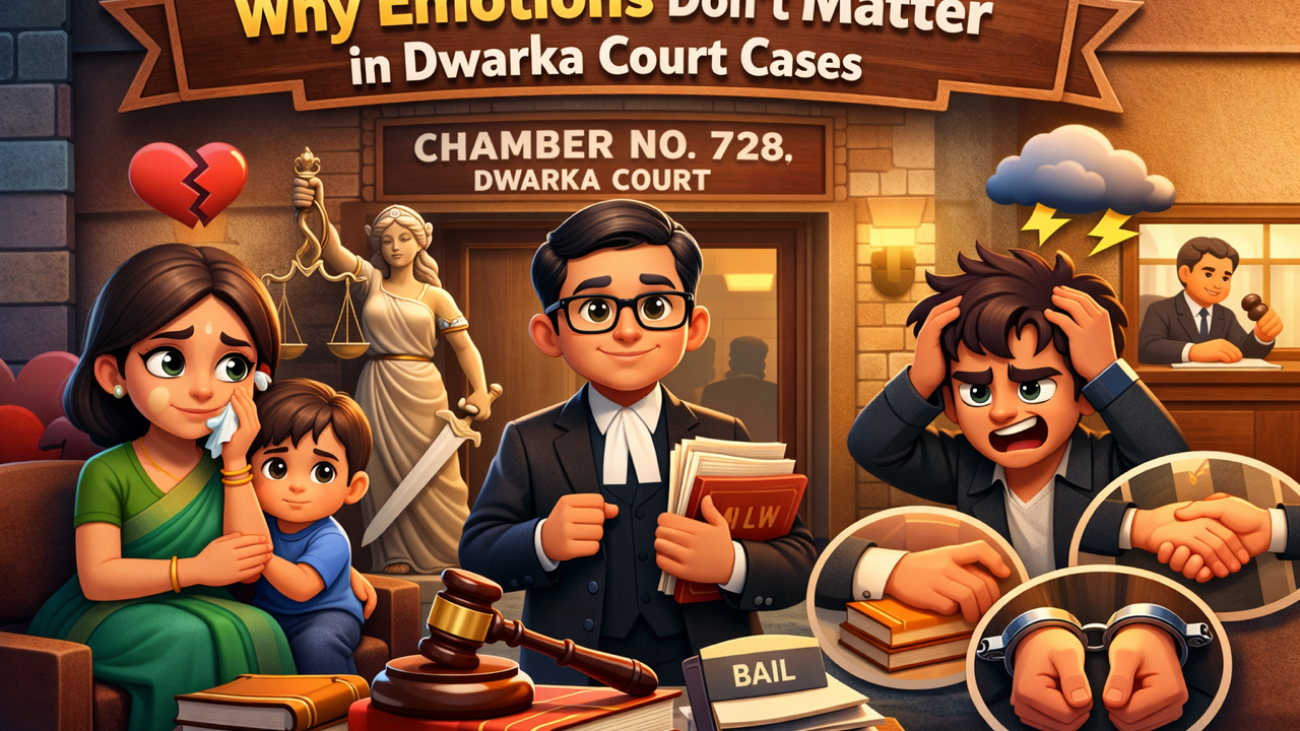
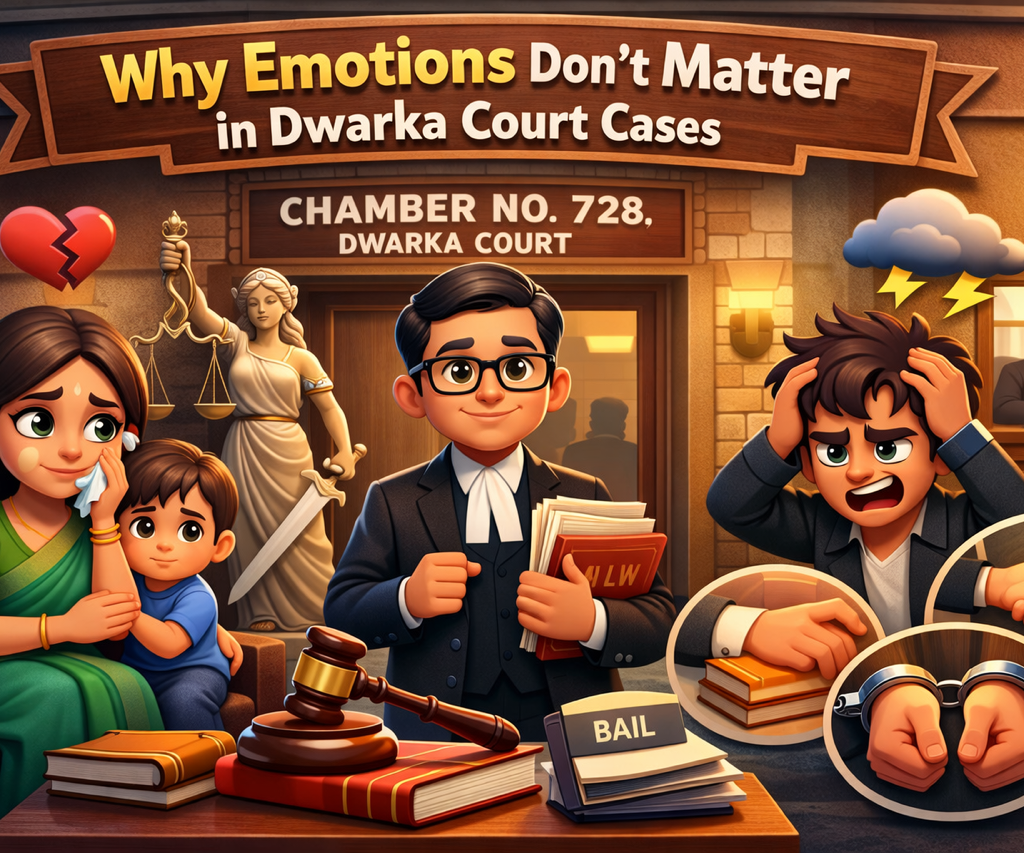
In Dwarka Court, legal strategy and evidence matter more than emotional arguments.

Don’t Let Emotions Weaken Your Case in Dwarka Court (2026 Practical Guide)

Do Don’t Let Emotions Weaken Your Case in Dwarka? When clients walk into Dwarka Court, they often carry anger, fear, betrayal, or frustration. However, one hard truth remains the same — emotions alone do not win cases in Dwarka Court. Evidence, law, procedure, and judicial reasoning decide the outcome.

Yet, at the same time, Dwarka Court does take a lenient view in specific circumstances where justice demands compassion. Understanding this balance is crucial if you want the best result in your case.

With 18+ years of continuous practice in Dwarka Court, I have seen how legal strategy works far better than emotional arguments. Let us understand why.


⚖️ Why Emotions Don’t Decide Cases in Dwarka Court

1️⃣ Law Works on Evidence, Not Feelings

Whether you approach a Divorce Lawyer Dwarka, Property Lawyer Dwarka, or Criminal Lawyer Dwarka, the foundation of your case in Dwarka Court is documentary and oral evidence.

For example:

  • In divorce matters, cruelty must be proved.
  • In property disputes, title documents matter.
  • In criminal cases, prosecution must establish guilt beyond reasonable doubt.

Therefore, even if you feel deeply wronged, Dwarka Court requires proof.

2️⃣ Procedure Is Supreme in Dwarka Court

Every case in Dwarka Court follows strict procedural law:

  • Civil Procedure Code
  • Criminal Procedure Code
  • Indian Evidence Act

If procedure is not followed properly, even a strong emotional case may fail in Dwarka Court.

3️⃣ Judges Maintain Neutrality

Judges in Dwarka Court are trained to remain neutral. They cannot decide matters based on sympathy. Instead, they must apply statutory law. Consequently, emotional arguments without legal backing rarely succeed.


When Does Dwarka Court Take a Lenient View? 🤝

Although emotions do not control judgments, Dwarka Court may adopt a balanced and humane approach in certain situations.

✔️ 1. First-Time Offenders in Criminal Cases

In minor offences, Dwarka Court may grant probation instead of imprisonment. Particularly in Bail Matters Dwarka Court, the court examines:

  • Past record
  • Family background
  • Nature of offence

Thus, leniency may be granted.

✔️ 2. Matrimonial Disputes

In family matters before Dwarka Court, reconciliation is often encouraged. Courts attempt mediation before granting divorce. Therefore, emotional breakdowns are handled sensitively, though legally.

✔️ 3. Maintenance and Financial Hardship

In maintenance cases, Dwarka Court considers:

  • Earning capacity
  • Dependents
  • Genuine hardship

Here, human circumstances are evaluated carefully.

✔️ 4. Compromise & Settlement

In certain criminal and civil matters, if parties settle amicably, Dwarka Court may pass orders based on compromise. However, serious offences are treated strictly.

Practical Reality of Dwarka Court Litigation

Many litigants believe shouting truth loudly will win. Unfortunately, that is not how Dwarka Court functions.

Instead:

  • Structured pleadings matter
  • Proper drafting matters
  • Cross-examination matters
  • Strategic filing matters

As a practicing advocate in Dwarka Court for over 18 years, I have observed that calm, prepared clients succeed more often than emotionally reactive ones.


How a Strategic Lawyer Makes the Difference 🎯

If you are searching for the Top and Best Advocate in Dwarka Court, remember:

✔ A skilled Divorce Lawyer Dwarka focuses on evidence, not anger.

✔ A strategic Property Lawyer Dwarka strengthens documentation.

✔ An experienced Criminal Lawyer Dwarka builds defence through contradictions in prosecution case.

✔ In Bail Matters Dwarka Court, timing and drafting are crucial.

Your case in Dwarka Court deserves preparation, not panic.


Why Experience in Dwarka Court Matters

With 18+ years of active litigation in Dwarka Court, I understand:

  • Courtroom approach of different judges
  • Filing procedures and registry objections
  • Mediation trends in matrimonial disputes
  • Bail patterns in Dwarka Court
  • Property dispute strategies

Therefore, clients from Janakpuri, Vikaspuri, Dwarka North, Dwarka South, Najafgarh, Uttam Nagar, Bindapur and other jurisdictions of Dwarka Court trust experienced representation.


Client-Oriented Advice for Dwarka Court Cases

👉 Do not hide facts from your lawyer.

👉 Bring complete documentation.

👉 Avoid emotional confrontation in court premises.

👉 Follow legal advice patiently.

Remember, Dwarka Court respects preparation and discipline.


Frequently Asked Questions (FAQ)

Q1. Does Dwarka Court consider emotional suffering in divorce?

Yes, but only when supported by legal evidence like messages, medical records, or witness testimony.

Q2. Can Dwarka Court reduce punishment due to family hardship?

In minor cases, yes. Dwarka Court may consider mitigating factors.

Q3. Are bail cases decided emotionally?

No. Bail Matters Dwarka Court are decided based on legal parameters such as gravity of offence and possibility of tampering evidence.

Q4. Is settlement encouraged in Dwarka Court?

Yes, especially in matrimonial and civil disputes.


Final Words – Law Above Emotion, Justice With Balance ⚖️

Dwarka Court does not ignore emotions — but it filters them through law. Therefore, if you want success in Dwarka Court, focus on legal strength rather than emotional arguments.

If you are looking for the Best / Top Advocate in Dwarka Court serving Janakpuri, Vikaspuri, Dwarka North, Dwarka South, Najafgarh, Uttam Nagar, Bindapur and surrounding areas — choose experience backed by results.

📞 Consult Today for Strategic Legal Representation in Dwarka Court.

With 18+ years of courtroom experience, I ensure your case is presented with clarity, strength, and professionalism.


https://share.google/EXkA1djyMvCCotpOQ

FOR MORE LEGAL UPDATES FOLLOW US ON :-
www.linkedin.com/in/ankitgauravkainthandassociates

Cheque Bounce Cases

Cheque Bounce Cases & Its Stages in Dwarka Court

Cheque Bounce Cases
Cheque Bounce Cases

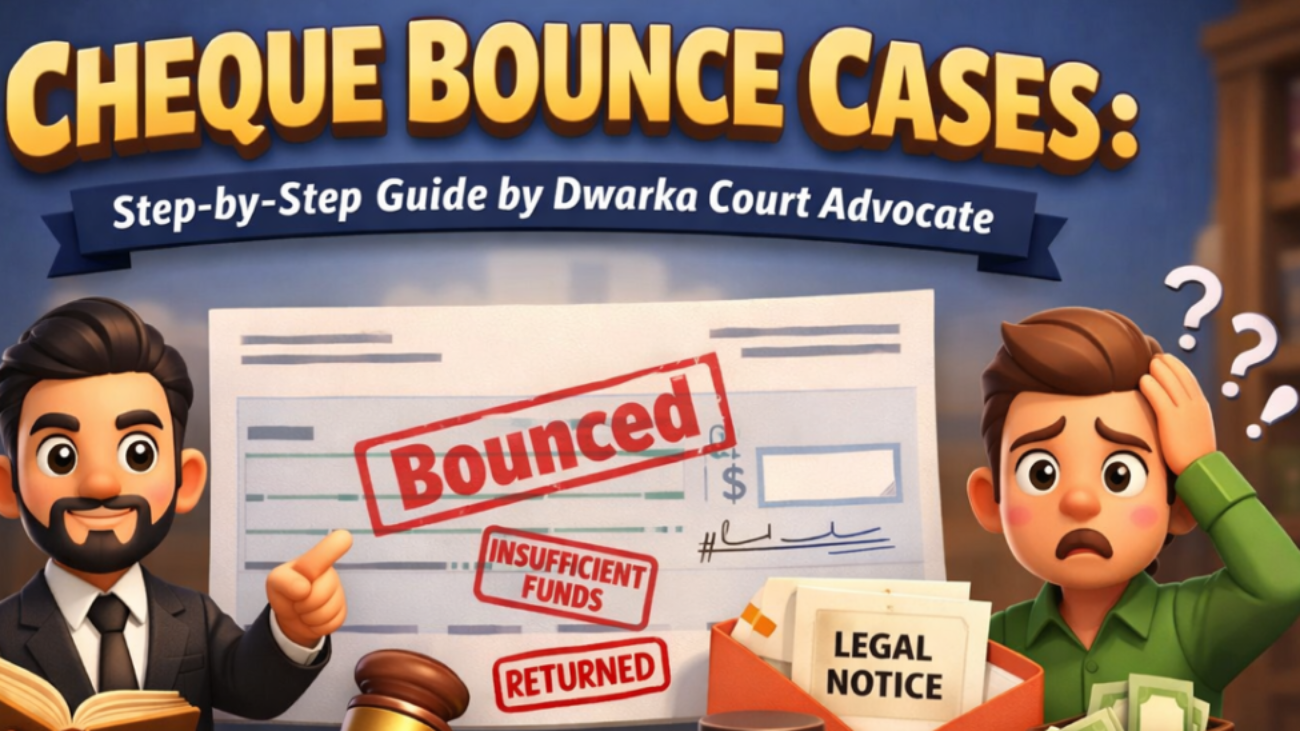
Cheque Bounce Cases – A Step-by-Step Practical Guide by an 18+ Years Experienced Advocate in Dwarka Court

Cheque bounce cases are among the most common financial disputes filed in Indian courts today. Despite being a criminal offence under law, many people—both complainants and accused—do not fully understand the procedure, timelines, and stages involved in a cheque bounce case.

As an advocate practicing for more than 18+ years in Dwarka Court, I have handled hundreds of cheque bounce matters, from the stage of legal notice to final conviction or settlement. This guide explains the entire process step by step, in simple language.


⚖️ What Is a Cheque Bounce Case?

A cheque bounce occurs when a cheque issued by a person is returned unpaid by the bank due to reasons like:

  • Insufficient funds
  • Account closed
  • Payment stopped
  • Signature mismatch

Such cases are governed by Section 138 of the Negotiable Instruments Act, 1881.


🧾 Essential Ingredients of a Valid Cheque Bounce Case

Before filing a case, the following conditions must be satisfied:

✔ The cheque must be issued for a legally enforceable debt

✔ Cheque should be presented within its validity period

✔ It must be returned unpaid by the bank

✔ Legal notice must be sent within the prescribed time

Failure in any of these may weaken the case.


📌 Stage 1: Issuance of Cheque

The process begins when the accused issues a cheque towards repayment of a loan, liability, or business transaction.

This cheque acts as a written promise to pay.


🏦 Stage 2: Presentation & Dishonour of Cheque

The cheque is deposited in the bank and returned unpaid with a Cheque Return Memo, mentioning reasons such as:

  • “Funds Insufficient”
  • “Account Closed”

📄 This return memo is a crucial document.


📩 Stage 3: Sending Legal Demand Notice (Within 30 Days)

After dishonour, the complainant must send a legal demand notice within 30 days of receiving the return memo.

The notice must:

  • Demand payment of cheque amount
  • Give 15 days’ time to make payment
  • Clearly mention cheque details

⚠️ Improper drafting of notice can lead to dismissal of the case.


⏳ Stage 4: Waiting Period of 15 Days

Once notice is served, the accused gets 15 days to make payment.

If payment is made → case ends.

If not → cause of action arises.


🏛️ Stage 5: Filing of Complaint in Court

After expiry of 15 days, the complaint must be filed within 30 days before the Metropolitan Magistrate, Dwarka Court, having jurisdiction.

Documents required:

📑 Original cheque

📑 Bank return memo

📑 Copy of legal notice

📑 Postal receipts & tracking report

📑 Affidavit of evidence


👨‍⚖️ Stage 6: Pre-Summoning Evidence

The complainant files an affidavit and documents.

The Magistrate examines whether a prima facie case is made out.

If satisfied → summons are issued to the accused.


📜 Stage 7: Appearance & Notice Under Section 251 CrPC

The accused appears before the court.

Notice of accusation is framed, and plea is recorded:

  • Guilty
  • Not guilty

Most cases proceed to trial.


🔍 Stage 8: Trial & Evidence

This includes:

  • Cross-examination of complainant
  • Defence evidence (if any)
  • Arguments by both sides

At this stage, experience of the advocate matters most.


⚖️ Stage 9: Final Arguments & Judgment

After hearing arguments, the court may:

✔ Convict the accused (fine / compensation / imprisonment)

✔ Acquit the accused

✔ Encourage settlement / mediation


💡 Punishment Under Section 138 NI Act

  • Imprisonment up to 2 years
  • Fine up to twice the cheque amount
  • Compensation to complainant

🤝 Importance of an Experienced Advocate

Cheque bounce cases look simple, but technical lapses can destroy a strong case. Proper drafting, correct limitation, effective cross-examination, and strategic settlement require practical court experience, especially in Dwarka Court procedures.

👨‍💼 How I & My Associates Can Assist You in Dwarka Court

With 18+ years of continuous practice in Dwarka Court, I, Advocate Ankit Gaurav Kainth, along with my dedicated team, provide:

✔ Drafting & sending of legal notice

✔ Filing & contesting cheque bounce cases

✔ Strong representation for complainant & accused

✔ Settlement & mediation assistance

✔ Regular court updates & transparent advice

📍 Chamber & Office in Dwarka Court Complex

📞 Professional, ethical, and result-oriented approach- 9899085554, 9811885554.

If you are facing a cheque bounce issue or want to recover your hard-earned money through legal means, timely legal action is crucial. Proper guidance at the initial stage can save years of litigation.

📌 

For consultation and representation in Cheque Bounce Cases before Dwarka Court, feel free to connect with me and my associates.

https://jsdl.in/DT-23EJAE2U

96DB7A6B-F1A8-4E1A-A7AD-F759781796F6

How to File a Good, Balanced & Effective Civil Suit in District Court Dwarka, New Delhi – A Complete Guide

Best Advocate Dwarka commercial court
How to File a Good, Balanced & Effective Civil Suit

Filing a civil suit may appear simple on the surface, but presenting a well-structured, balanced, legally sound and persuasive case requires deep understanding, precise drafting and practical courtroom experience. In a metropolitan city like Delhi, especially at District Court Dwarka, the standard of civil litigation has risen tremendously with improved infrastructure, digital platforms, and hybrid hearings. Therefore, you need to know “How to File a Good, Balanced & Effective Civil Suit in Dwarka Court”.

Today, courts have adopted Virtual Hearings for civil matters—an absolute boon for litigants, lawyers and judges. NRIs, out-station clients, senior citizens, working professionals and individuals living far away can now file civil suits and attend hearings through VC without physically visiting the court. This shift has made justice more accessible, efficient and time-saving.

After more than 18+ years of experience, one thing is absolutely clear:

Clients win when their advocate takes a stand for them.

A determined, honest and skilled advocate can change the entire direction of a civil case. Nothing is impossible inside a courtroom when you are genuinely seeking justice and your lawyer is ready to fight for your rights.

Why Civil Suits Require Strategic Drafting & Balanced Presentation

Civil litigation is not only about filing a plaint. It involves:

  • Understanding cause of action
  • Choosing correct jurisdiction
  • Drafting the plaint with legal reasoning
  • Attaching relevant documents
  • Seeking appropriate reliefs
  • Maintaining balance between facts, law and evidence
  • Filing applications (Order 39 Rule 1 & 2, Order 7 Rule 14, Order 6 Rule 17, etc.)
  • Leading plaintiff evidence
  • Cross-examining defendant’s witnesses
  • Presenting final arguments

A well-drafted plaint itself decides half the case. A balanced plaint is neither exaggerated nor under-stated—it is compelling, factual, chronological and supported by documents.

Criminal lawyer in dwarka court
How to File a Good, Balanced & Effective Civil Suit

Can You Win a Civil Case Through Speedy Trial? Absolutely—If You Don’t Waste Dates

In civil litigation, speedy disposal is possible, provided:

  • Your advocate does not seek unnecessary adjournments
  • Evidence is ready before each hearing
  • Documents are filed on time
  • Summons, service and process are monitored correctly
  • Your lawyer is prepared for every stage
  • Cross-examination is not delayed
  • Final arguments are delivered with precision

The court always appreciates proactive advocates who are organized, punctual and prepared.

If your lawyer never wastes dates, maintains momentum and pushes the matter forward, the chances of securing a Decree increase significantly.

Guide: How to File a Good & Balanced Civil Suit in Dwarka Court

Below is a step-by-step guide for litigants who want to file a proper civil suit that stands strong throughout the trial:

1. Identify the Correct Cause of Action

Every civil suit must arise from a clear legal cause of action.

Examples:

  • Recovery of money
  • Possession & injunction
  • Partition & declaration
  • Damages & compensation
  • Breach of contract
  • Easement & property disputes

A vague or poorly defined cause of action can weaken the entire case.

2. Choose the Correct Jurisdiction in Dwarka Court

Jurisdiction depends on:

  • Location of property
  • Place of transaction
  • Residence of defendant
  • Pecuniary value

Wrong jurisdiction = case dismissed.

Best Law Firm Dwarka
How to File a Good, Balanced & Effective Civil Suit

3. Draft a Strong, Clear & Balanced Plaint

A good plaint contains:

  • Clear timeline
  • Precise facts
  • Legal grounds
  • Evidence references
  • Reliefs properly framed
  • Valuation & court fee
  • Supporting documents

This is where an experienced civil advocate makes a massive difference.

4. Attach All Essential Documents

Every document supporting your case must be filed along with the plaint:

  • Agreements
  • Receipts
  • Emails & WhatsApp chats
  • Bank statements
  • Photographs
  • NOCs
  • Notices & replies

Documents are the backbone of civil litigation.

Best Law Firm Dwarka
How to File a Good, Balanced & Effective Civil Suit

5. File Interim Applications (If Needed)

Civil suits often require urgent reliefs.

E.g.:

  • Order 39 Rule 1 & 2 (Stay / Injunction)
  • Order 40 (Appointment of Receiver)
  • Order 6 Rule 17 (Amendment)

Immediate protective orders safeguard your rights during the trial.

6. Ensure Proper Service of Summons

Civil cases slow down mainly because summons aren’t served properly.

Your advocate must actively:

  • Track service reports
  • Use speed post, courier, WhatsApp service (if permitted)
  • File process fee on time
  • Seek substituted service if necessary

7. Lead Strong Plaintiff Evidence

Your plaintiff evidence should be:

  • Consistent
  • Documentary supported
  • Chronologically presented
  • Confidently testified

A single contradiction can weaken years of preparation.

Best Law Firm Dwarka
How to File a Good, Balanced & Effective Civil Suit

8. Prepare for Powerful Cross-Examination

Cross-examination is where civil cases turn.

A skilled advocate can:

  • Expose contradictions
  • Break false defences
  • Strengthen your claim
  • Establish credibility

Cross-examination is an art mastered only through years of trial practice.

9. Present Focused Final Arguments

Final arguments must be:

  • Logical
  • Legally supported
  • Evidence-based
  • Precise
  • Persuasive

A good argument ties the entire case together and leads to Decree & Victory.

Best MSME dispute Advocate Dwarka helping client in commercial court
How to File a Good, Balanced & Effective Civil Suit

How to Choose a Good & Experienced Civil Advocate in District Court Dwarka

Here are the most important factors clients should consider:

1. Prefer a Dynamic & Experienced Advocate

Experience = understanding of strategy, drafting, evidence and court procedure.

Civil cases require maturity, patience and courtroom wisdom.

2. Check his Civil Case Record on eCourts App

Before hiring:

  • Check number of civil cases handled
  • Nature of matters
  • Past orders & judgments
  • Regular court appearances

This ensures the lawyer is genuinely practicing in Dwarka Court.

3. Check His Drafting Skills

Ask for:

  • Sample plaints (redacted)
  • Past judgments
  • Written arguments

Quality drafting shows real expertise.

4. Verify Cross-Examination Skills

A civil lawyer must be genuinely strong in cross-examination.

You may ask for redacted copies of past cross-examinations.

5. Evaluate Communication & Strategy

A good civil lawyer:

  • Explains your case clearly
  • Sets realistic expectations
  • Prepares you for evidence
  • Gives strategic advice
  • Is always updated on next hearing

6. Avoid Lawyers Who Delay Proceedings

Unnecessary adjournments weaken your case and annoy the court.

Fast civil litigation is possible only if your advocate:

  • Prepares beforehand
  • Files documents timely
  • Does not depend on “next dates”
  • Maintains continuity in the case

Conclusion: Civil Litigation Is Completely Winnable When Handled Properly

A well-drafted, balanced and strategically presented civil suit can be won—often faster than expected—when represented by a:

✔ Good

✔ Dynamic

✔ Experienced

✔ Practically Skilled

advocate who understands the technicalities of civil procedure and the reality of trial practice.

Proper research, checking eCourts, verifying drafting quality and choosing the right advocate will ensure your case moves smoothly and ends with a Decree & Victory ✌️

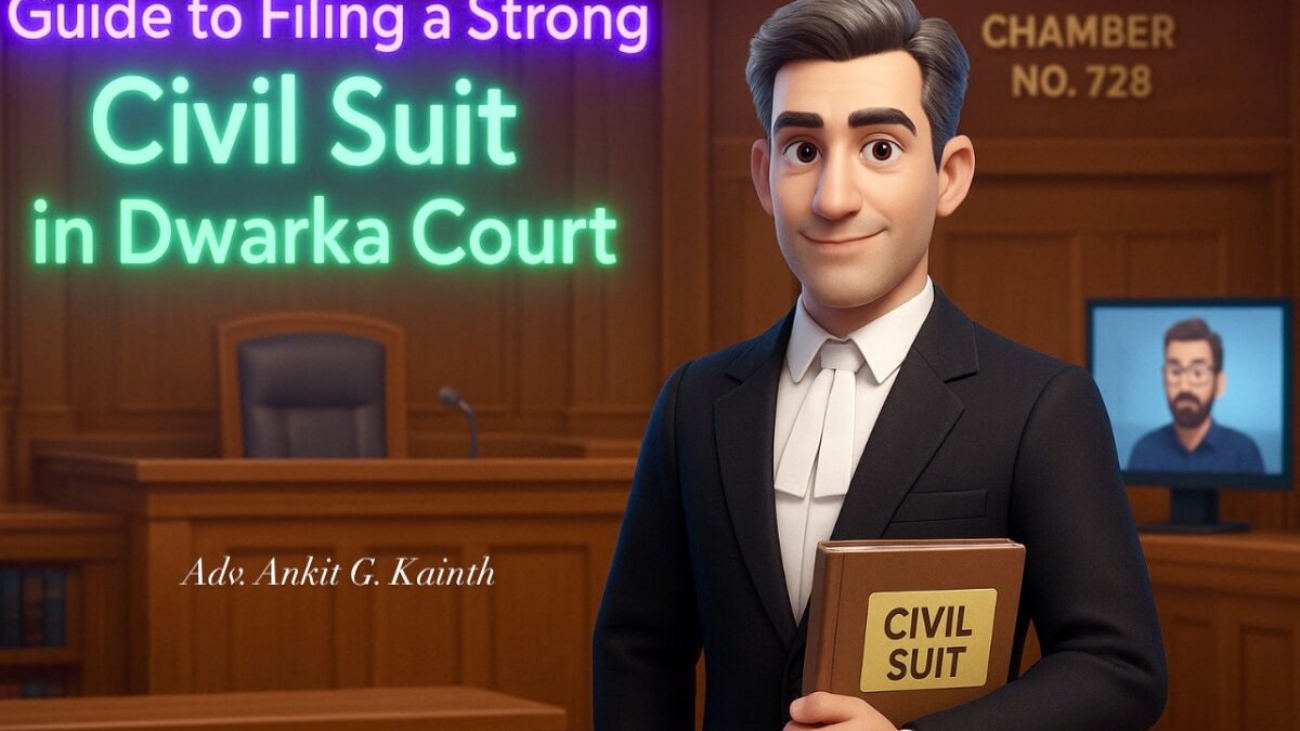
How to File a Strong Civil Suit in Dwarka Court | Complete Guide

A detailed guide on filing a balanced civil suit, choosing an experienced Dwarka Court advocate, virtual hearings, speedy trials, and winning strategies.

Consult an experienced advocate to determine the most suitable mode of service based on the facts of your case and court practice.

Contact me for Consultation :- 9899085554, 9811885554

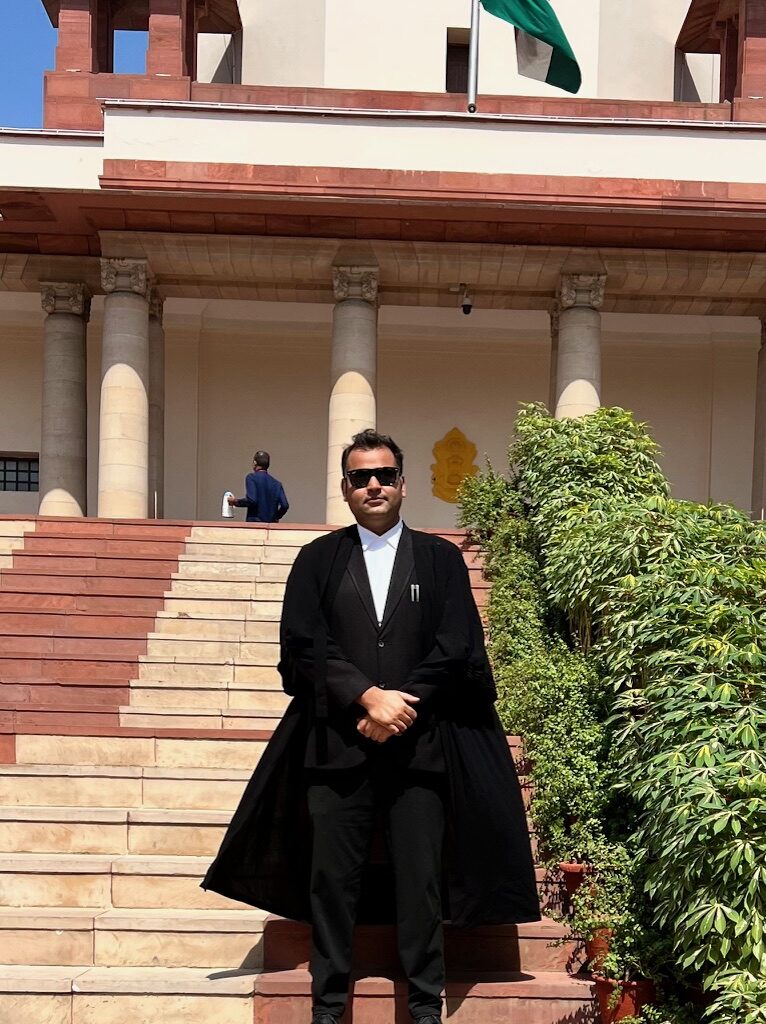
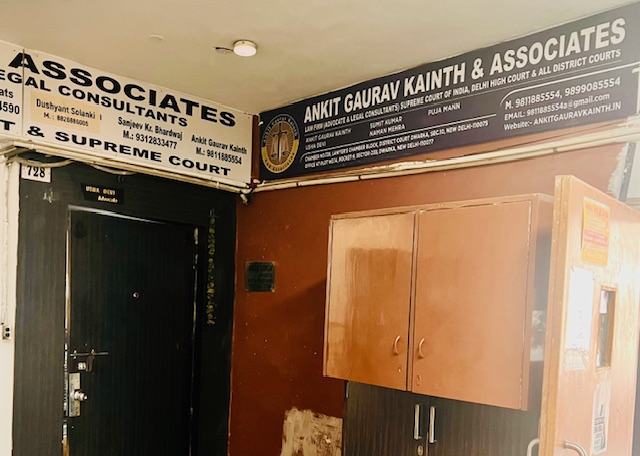
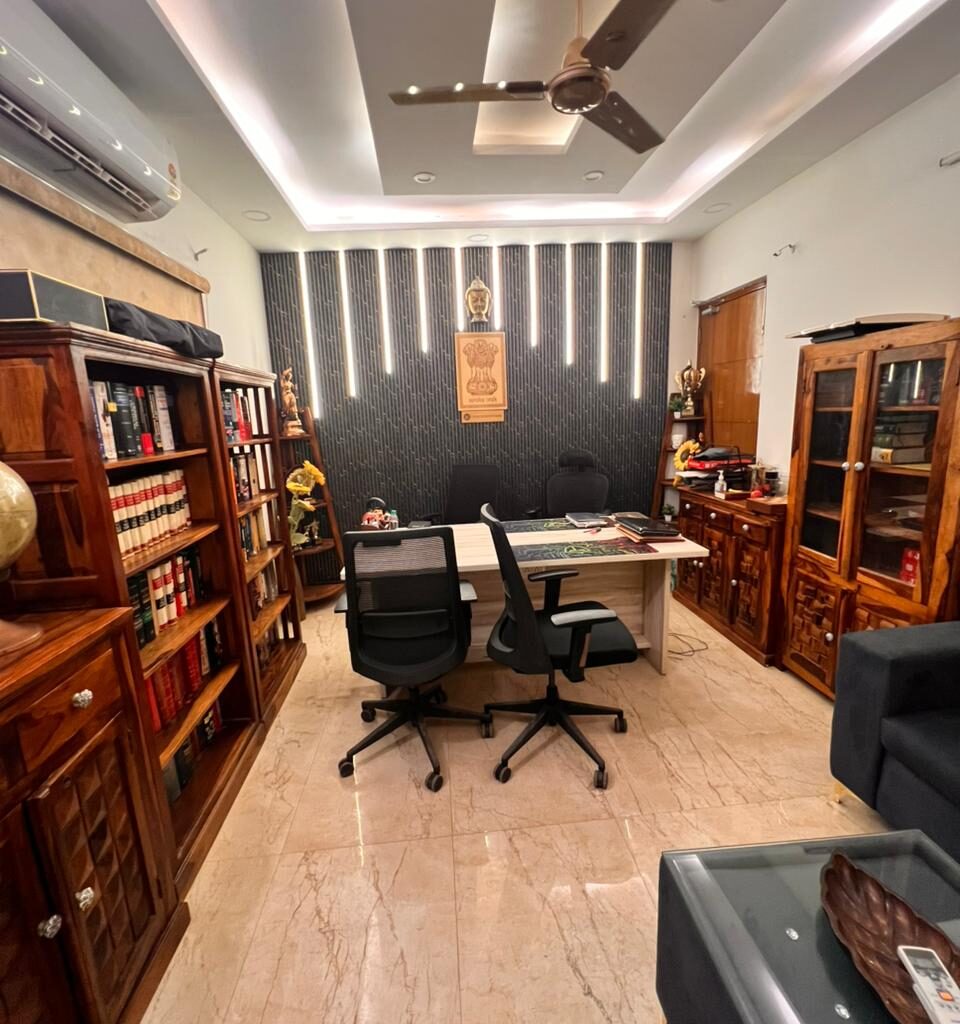
Ankit Gaurav Kainth Advocate, Dwarka Court, Chamber No.728, 7th Floor, Dwarka, New Delhi

https://share.google/4r7kHm3s4da3OS9rS